
7 Tips for Coping with a Traumatic Pregnancy – Preeclampsia Foundation
Preeclampsia Foundation shared a post on LinkedIn:
“This week, for Birth Trauma Awareness Week, we wanted to share 7 tips to help cope with a traumatic pregnancy. You are not alone if you feel your preeclampsia, eclampsia, or HELLP syndrome experience was traumatic. Several peer-reviewed research studies, including studies initiated by the Preeclampsia Foundation, suggest that women who have endured traumatic pregnancies such as severe preeclampsia, eclampsia and HELLP syndrome have a higher incidence of PTSD and PPMD than women without these complications. More research is needed to help move this information to clinical practice. Anecdotally, we know that enough of our survivors are psychologically affected that we offer these recommendations based on general trauma recovery practices.
- Be patient. Recovery is an ongoing process with a different pace for everybody. However, if you are unable to care for your children or basic responsibilities of life, you should seek professional help. Healing doesn’t mean you will have no pain or bad feelings when thinking about the pregnancy experience, but that you can develop more confidence to be able to cope with your memories and feelings.
- Seek professional help. Look for a psychological health care provider who specializes in perinatal complications and loss. A professional can help you understand and process your experience and find coping and healing techniques that work for you.
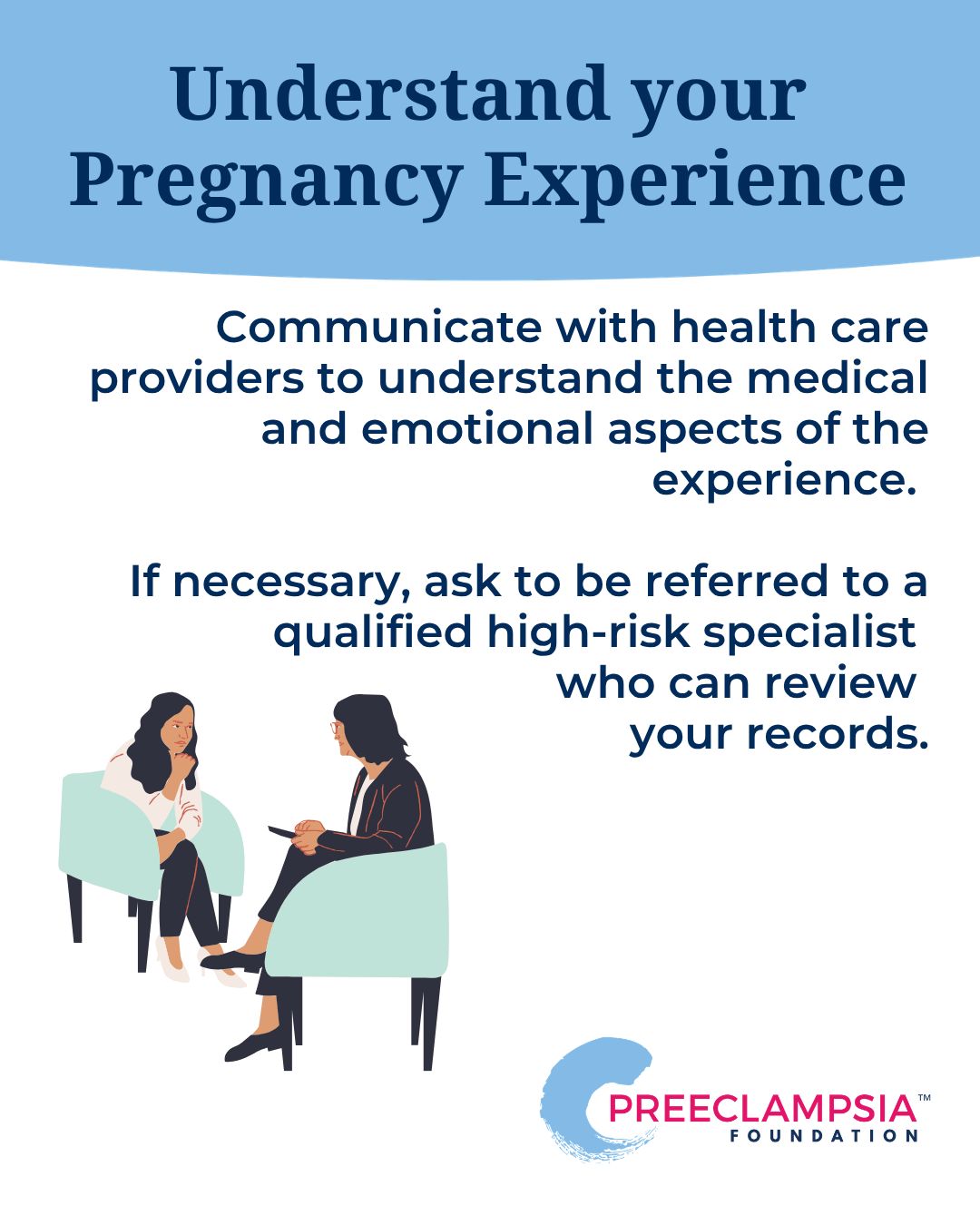
- Understand your pregnancy experience. Communicate with health care providers to understand the medical and emotional aspects of the experience. If necessary, ask to be referred to a qualified high-risk specialist who can review your records.
- Stay connected. Research shows that good social support is vital to recovery. Stay connected in particular, with your family and friends. You might also consider joining a support community, whether it is joining the Preeclampsia Foundation’s Facebook community or contacting your local health department or hospital services for a grief support group. Also, don’t forget that if you are in a relationship or married, severe trauma can be challenging to both partners, so be proactive to strengthen that vital relationship.
- Find a great hobby. Not only does it boost your self-esteem, you will also connect with people who share interests that are outside of your pregnancy experience. Find a subject about which you are knowledgeable and passionate.
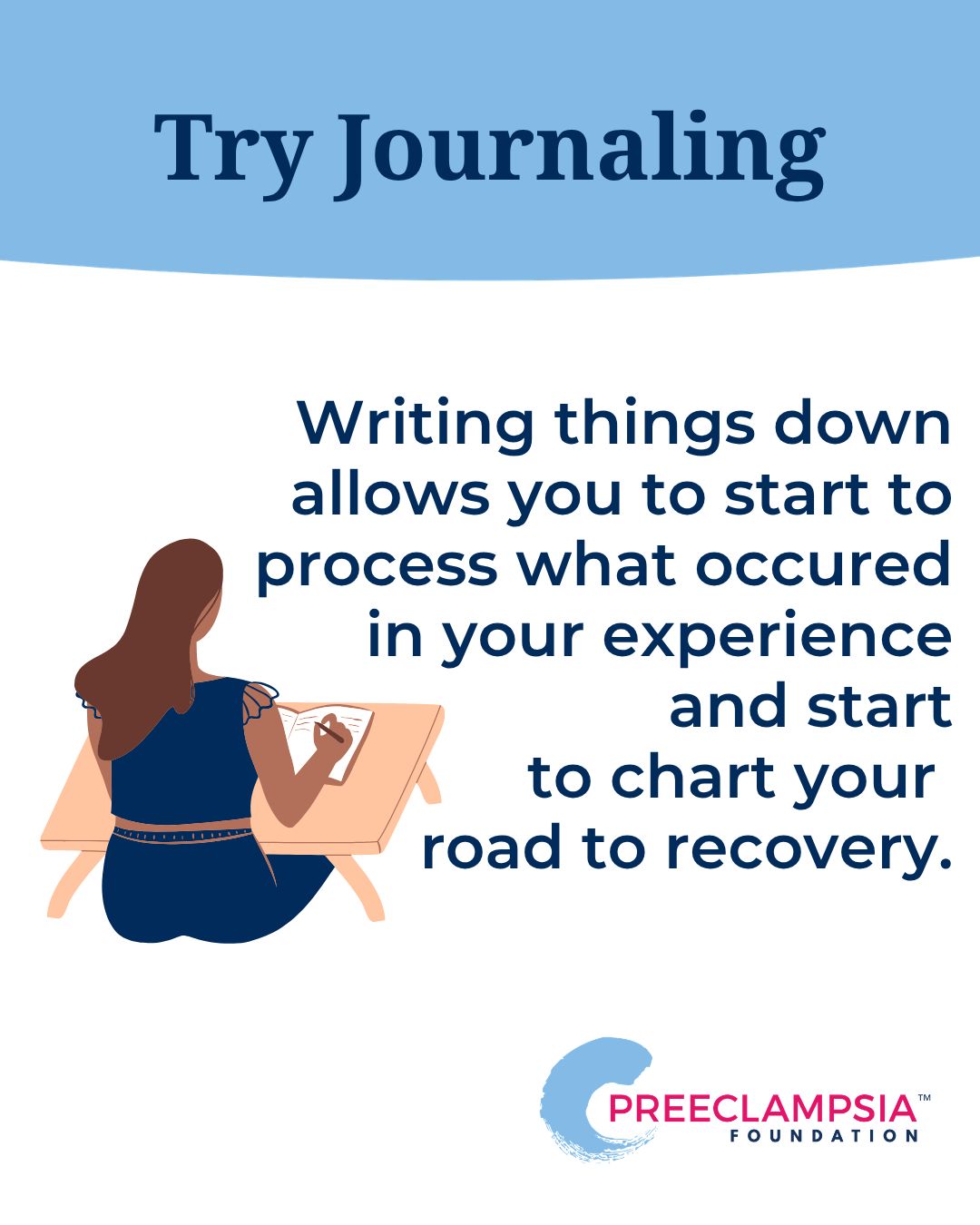
- Keep a journal. By writing things down, you can start to process your experience. Many find writing down a few good things that happen that day helpful in their recovery.
- Set goals. Start by setting small goals and committing to doing them. Make a list of all the things you used to enjoy and revisit them.
Read more here.”
Stay updated on all scientific advances in the field of fertility with Fertility News.
-
Sep 13, 2026, 15:11Sachintha Alwis: From Impaired Sperm Motility to Microrobotics
-
Sep 13, 2026, 15:08Laurence Orbuch: Before Endometriosis Surgery, Ask…
-
Sep 13, 2026, 15:05Ademola Ayodele: IUI, IVF or Egg Freezing – Which One Is Right for You?
-
Sep 13, 2026, 14:59Fiona Pathiraja-Møller: Tennis Players No Longer Have to Choose Between Career and Family
-
Sep 13, 2026, 14:571-Day Virtual Experience for People Impacted by PMOS – PCOS Awareness Association
-
Sep 13, 2026, 14:53Ozor Victor: Behind Every Embryo Is a Story of Science, Precision, and Hope
-
Sep 13, 2026, 14:50Diana Kayal: What They Don’t Tell You About IVF
-
Sep 13, 2026, 14:44Vikram Sinai Talaulikar: A Heartfelt Thank You to All Who Donated and Supported “Menopause and Cancer”
-
Sep 13, 2026, 14:41Nicole McPherson: Changing IVF Practices Is Hard – Integration Needs to Be Easy