

Amos Grünebaum։ The Big Concern Is Making Sure Doctors Use AI Without Putting Patients at Risk
Amos Grünebaum, Professor of Obstetrics and Gynecology at Donald and Barbara Zucker School of Medicine, shared a post on LinkedIn about a paper he co-authored with colleagues published in the American Journal of Obstetrics and Gynecology։
“We’re already seeing AI play a role in obstetric and gynecologic care.
The big concern now is not about whether doctors will use it, but about making sure they can use it without putting patients at risk.
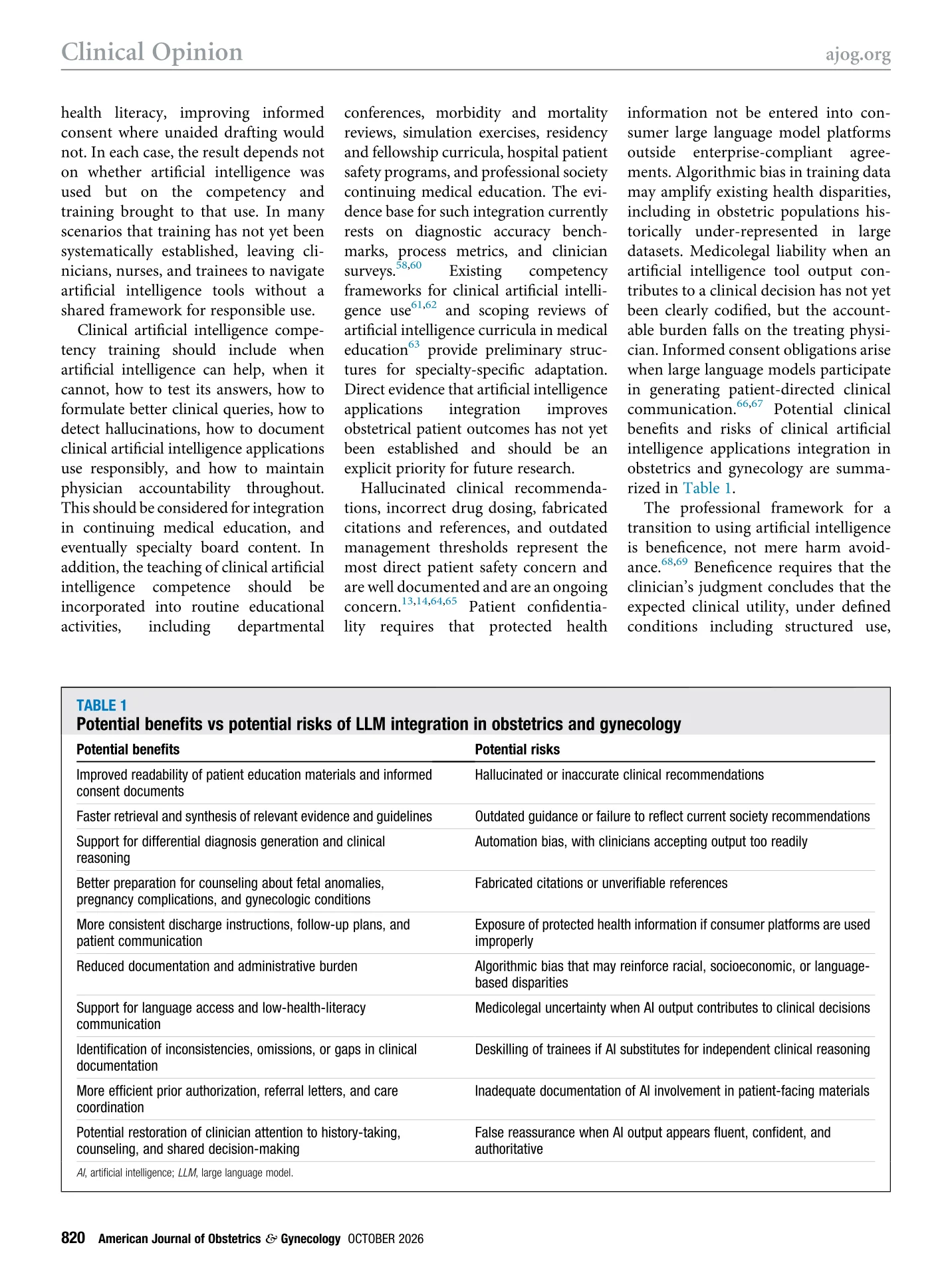
We’ve just published a new Clinical Opinion in the American Journal of Obstetrics and Gynecology, where Joachim Dudenhausen, Frank Chervenak, and I suggest that ‘clinical artificial intelligence competence’ is becoming a crucial part of being a medical professional and ensuring patient safety.
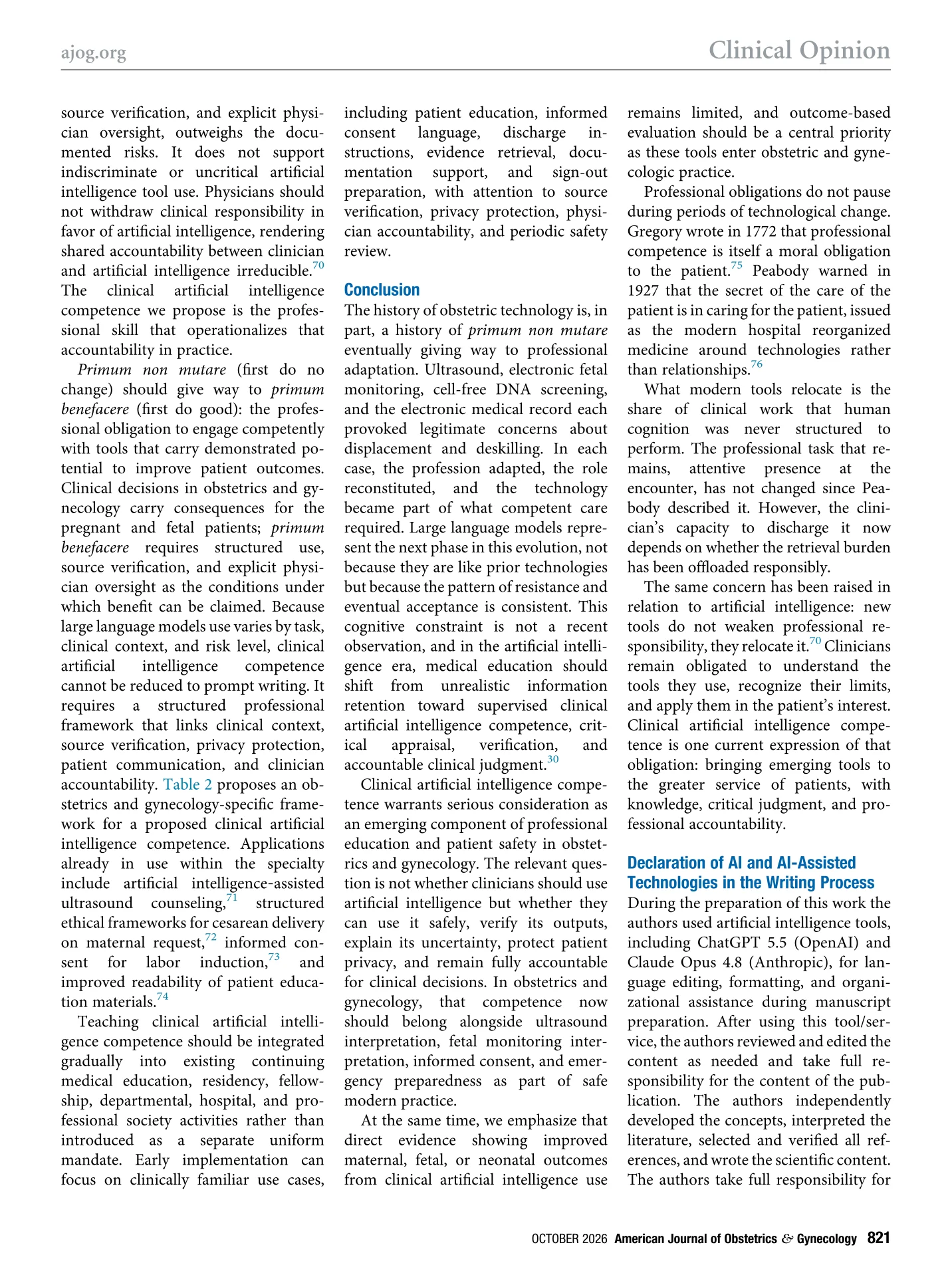
This competence is much more than prompt writing. It requires clinicians to:
- match the AI tool to the task and its clinical risk
- provide complete clinical context
- verify every fact, dose, threshold, calculation, guideline, and citation
- recognize hallucinations, bias, outdated guidance, and false confidence
- protect patient privacy
- communicate uncertainty honestly
- preserve independent clinical judgment
- remain fully accountable for diagnosis, counseling, consent, and management
AI can improve evidence retrieval, documentation, patient education, informed consent, and clinical preparation.
It can also fabricate citations, reinforce bias, breach confidentiality, and weaken reasoning when used uncritically.
In obstetrics, errors may affect both pregnant and fetal patients. AI must therefore assist clinical judgment, never replace it.
Clinical AI competence should become part of residency, fellowship, continuing education, departmental teaching, and patient-safety programs. The technology is advancing rapidly. Our professional standards must advance with it.”
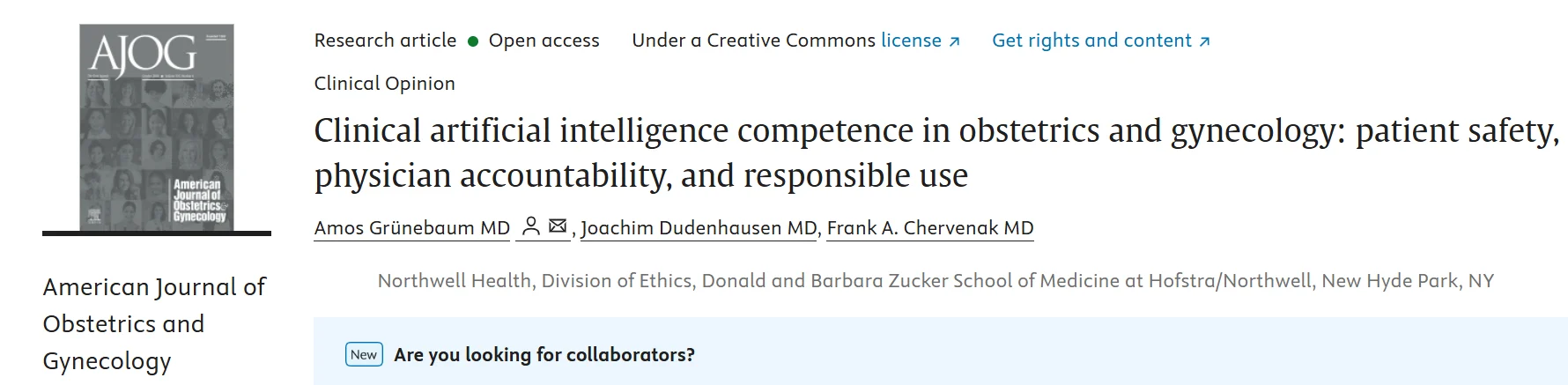
Title: Clinical artificial intelligence competence in obstetrics and gynecology: patient safety, physician accountability, and responsible use.
Authors: Amos Grünebaum, Joachim Dudenhausen, Frank A. Chervenak.
You can read the Full Article in the American Journal of Obstetrics and Gynecology.
Other articles featuring Amos Grünebaum on Fertility News.
-
Nov 7, 2026, 19:28Championing the Vital Conversation Surrounding Fertility Support, Education, and Patient Advocacy – ARCS
-
Nov 7, 2026, 19:25Emilio Gomez Sanchez: Exploring the Presence of Microplastics in Human Semen
-
Nov 7, 2026, 19:15Moving Towards Standardized Sperm Extraction and Processing Practices – ASRM
-
Nov 7, 2026, 19:12Ivy Fertility Welcomes Aimee Seungdamrong as the Leader of San Diego Fertility Center – Bryant Park
-
Nov 7, 2026, 19:09Arora Suhani Gagan: The Healthcare Struggles Women Rarely Talk About
-
Nov 7, 2026, 19:04Makeba Williams: 2 Weeks of My 1-Year Term as President of The Menopause Society
-
Nov 7, 2026, 19:00Fantastic Day at the Annual Breaking Bad News Event – ARCS
-
Nov 7, 2026, 18:57Carole Gilling-Smith: Overnight, an NHS Funding Decision Divided My Fertility Patients into 2 Groups…
-
Nov 7, 2026, 18:51Giles Palmer Welcomes Angeline “Angie” Beltsos as a Speaker at the International IVF Initiative Webinar