
David Qiuping Peng: There Is Maybe a Blastocyst Maturation-Competence Theory
David Qiuping Peng, Clinical Embryologist, Researcher at Create Fertility Clinic and Author of “Senior IVF Lab Procedures”, shared on LinkedIn:
“There Is Maybe a Blastocyst Maturation-Competence Theory
Based on our previous viewpoints, we like to propose a Blastocyst Maturation-Competence Theory:
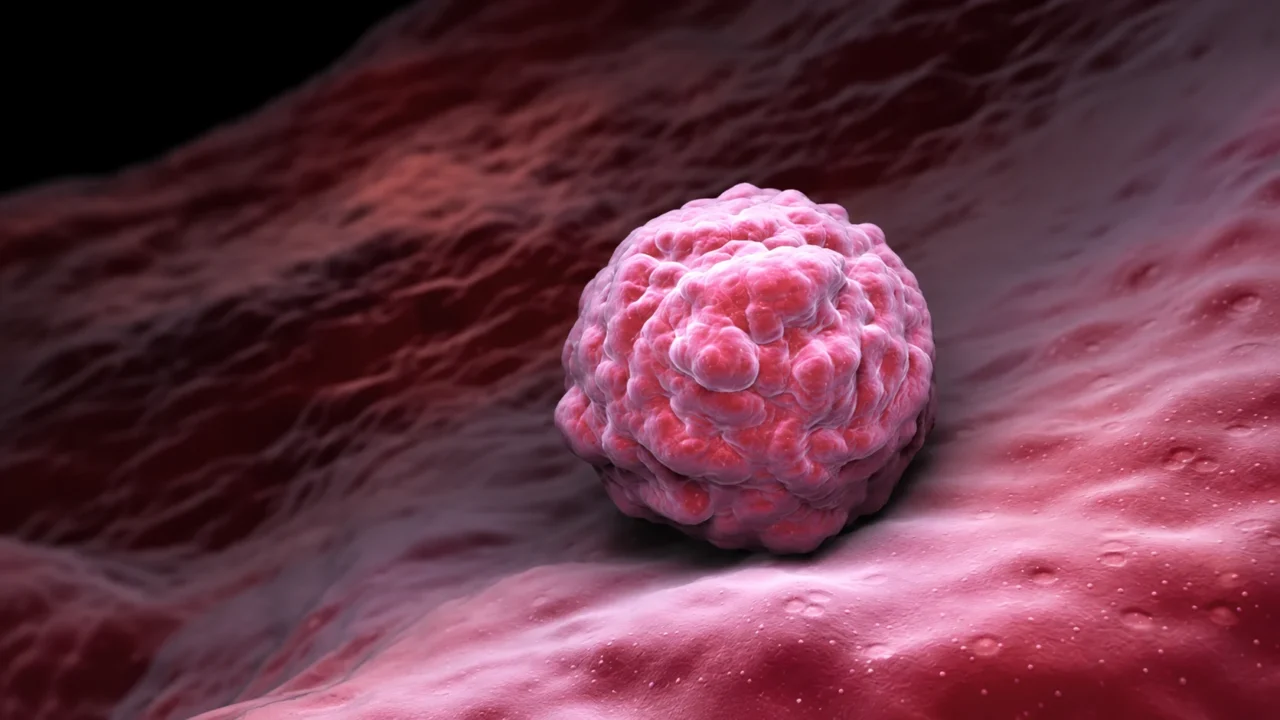
A blastocyst needs to reach full maturity, with its structure and functions – somewhat like a fetus benefiting from reaching full term.
A fully developed blastocyst, including the maturation of its cell membranes and intercellular matrix, etc. may be better prepared for vitrification, warming, implantation, and continued development.
1. The Role of the ZP
The ZP may need to maintain sufficient integrity to preserve the pressure inside the blastocoel. This internal pressure may play an important role in blastocyst maturation.
2. Blastocoel Pressure and TSCC
The pressure inside the blastocoel may represent a natural form of TSCC (Temporary Suboptimal Culture Conditions). A mild and temporary stress may promote the elimination of abnormal cells (genetic or chromosomal abnormalities), while normal cells may be better able to tolerate the stress.
Possible examples of TSCC could include approximately 34°C and slightly lower pH for hours, etc. TSCC may provide a simple approach to identify blastocysts with euploidy or genetic normality.
3. Timing of Vitrifacation and Biopsy
A blastocyst may benefit from reaching approximately mid-stage 4 or later before vitrification. For TE biopsy, the blastocyst may ideally reach late stage 4 to early stage 5, when ZP is thinnest, often around Day 6.
4. A Possible Explanation for NIPGS
One possibility is that the cell-free DNA detected by NIPGS may come from abnormal cells undergoing apoptosis and releasing DNA into the culture medium. Therefore, the amount and characteristics of cell-free DNA may contain useful information about the embryo.
5. Combining Cell-Free DNA Quantity with TSCC
Detecting the amount of cell-free DNA may potentially increase the value of NIPGS.
One possible future approach could be to combine a mild or half-dose TSCC with NIPGS to help rank blastocysts.
A mild TSCC may allow normal cells to survive while promoting apoptosis in some abnormal cells. This could potentially increase the amount of detectable DNA.
With further research and validation, this approach may eventually help develop a more standardized method for blastocyst assessment.
6. Granularity of the Blastocyst
After abnormal cells undergo apoptosis, cellular debris or small particles may remain attached to the cells. This process may contribute to the granular appearance observed in blastocysts.
7. Four-Hour Post-Warming Hatching as a QC Indicator
If a blastocyst is fully mature and laboratory procedures are performing well, a mature blastocyst may be expected to show hatching approximately 4 hours after warming.
Therefore, the 4-hour post-warming hatching status may potentially serve as a comprehensive IVF skills quality-control indicator, reflecting both blastocyst maturity and laboratory performance.”
Other articles featuring David Qiuping Peng on Fertility News.
-
Sep 27, 2026, 14:32From Ovarian Stimulation to Embryo Transfer: Rethinking OHSS Prevention in Modern IVF
-
Sep 27, 2026, 12:47Akanksha Khubbar: What Actually Happens to Sperm Before Fertilization?
-
Sep 27, 2026, 12:45Bassel Wattar: Can Technology Help Us Improve IVF Success Rates?
-
Sep 27, 2026, 12:43Immunology and Recurrent Pregnancy Loss – ESHRE SIG Reproductive Genetics
-
Sep 27, 2026, 12:41Aïda Pujol Masana: A Reflection from Inside the IVF Laboratory
-
Sep 27, 2026, 11:54Aparna Sridhar and Christina Han: Excited to Announce the UCLA OB/GYN Global Health Fellowship
-
Sep 27, 2026, 11:45Introducing Standing Ovulation: Uncensored, Straight to the Point – Hertility
-
Sep 27, 2026, 11:40Andrea Amaroli: A Step Forward for More Accurate Fertility Preservation Counseling in Oncology Patients
-
Sep 27, 2026, 11:37New FIGO Statement on Emergency Contraception