
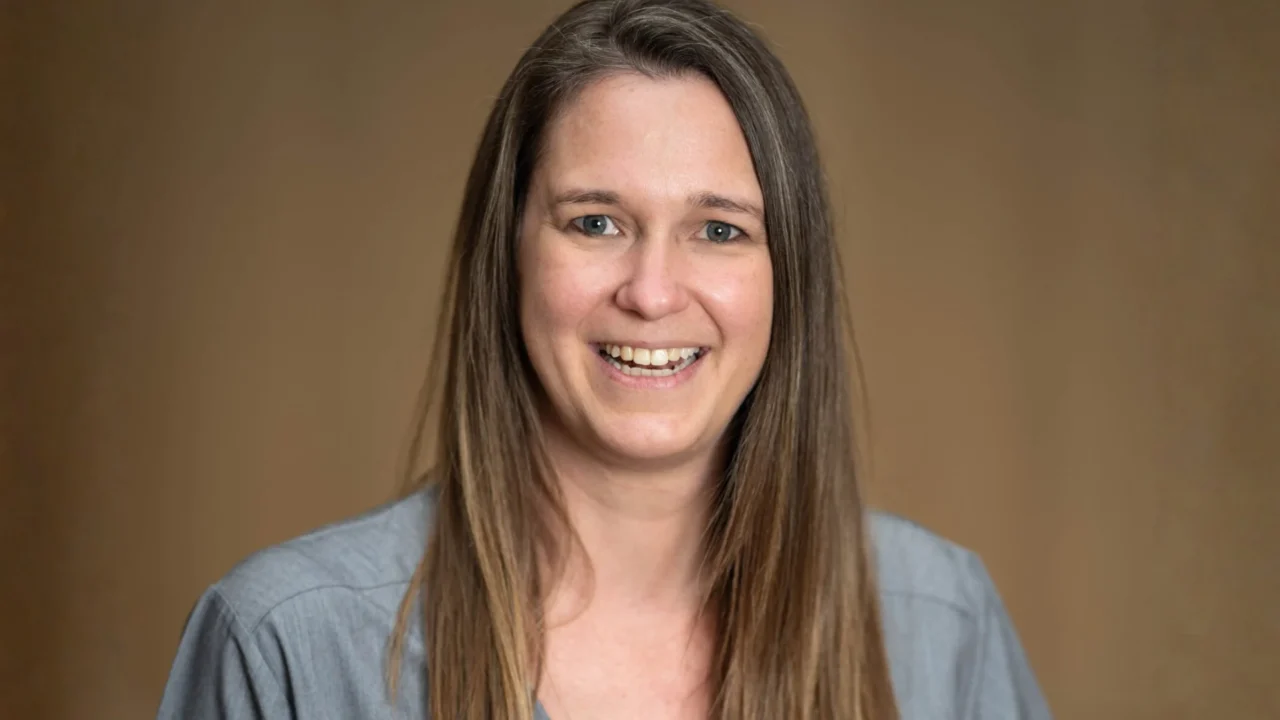
Cristina Hickman: Key Insights from EBART 2026 in Reproductive Medicine
Cristina Hickman, Founder and Consultant Clinical Embryologist at Avenues, shared a post on LinkedIn:
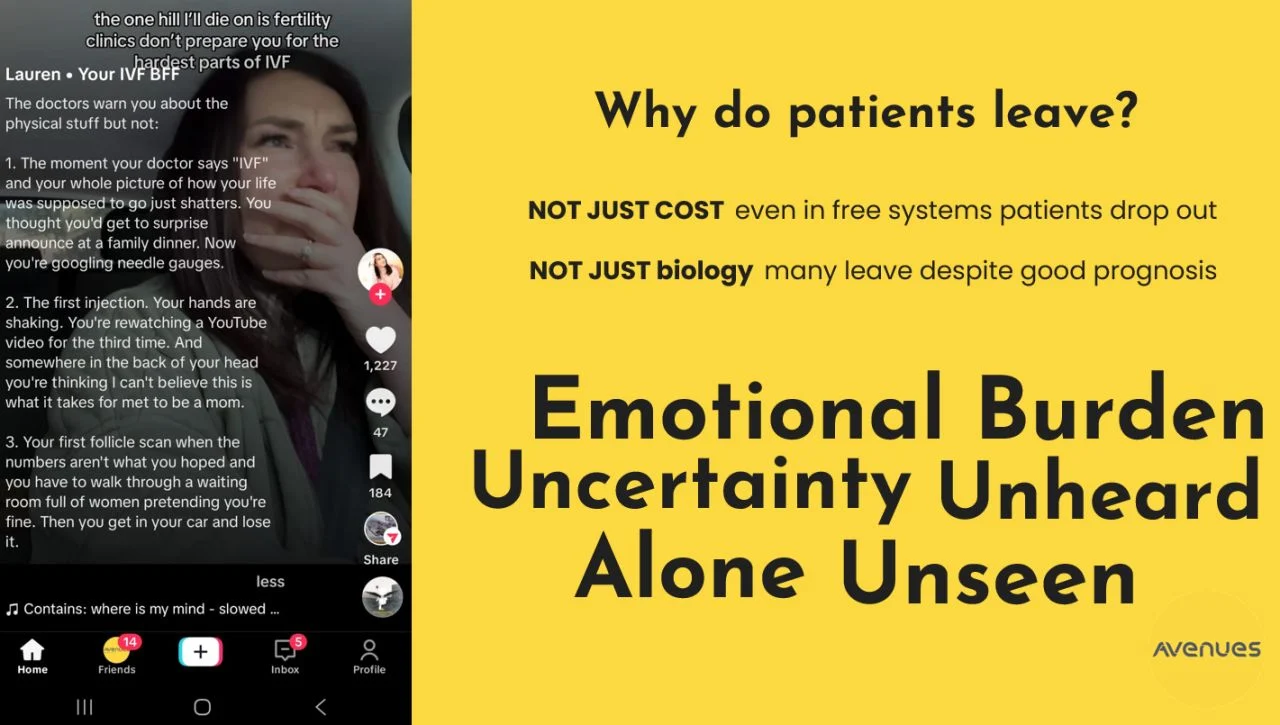
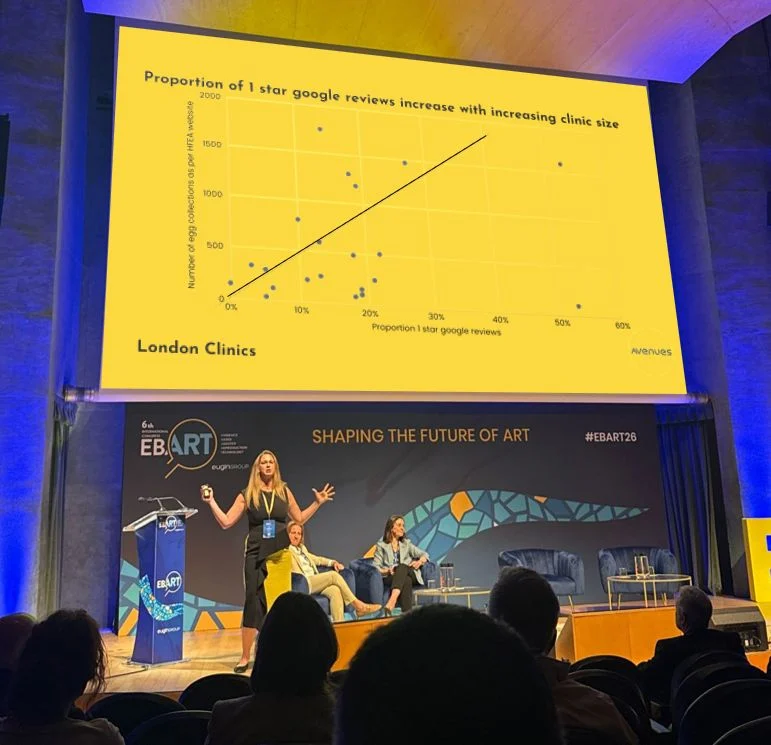
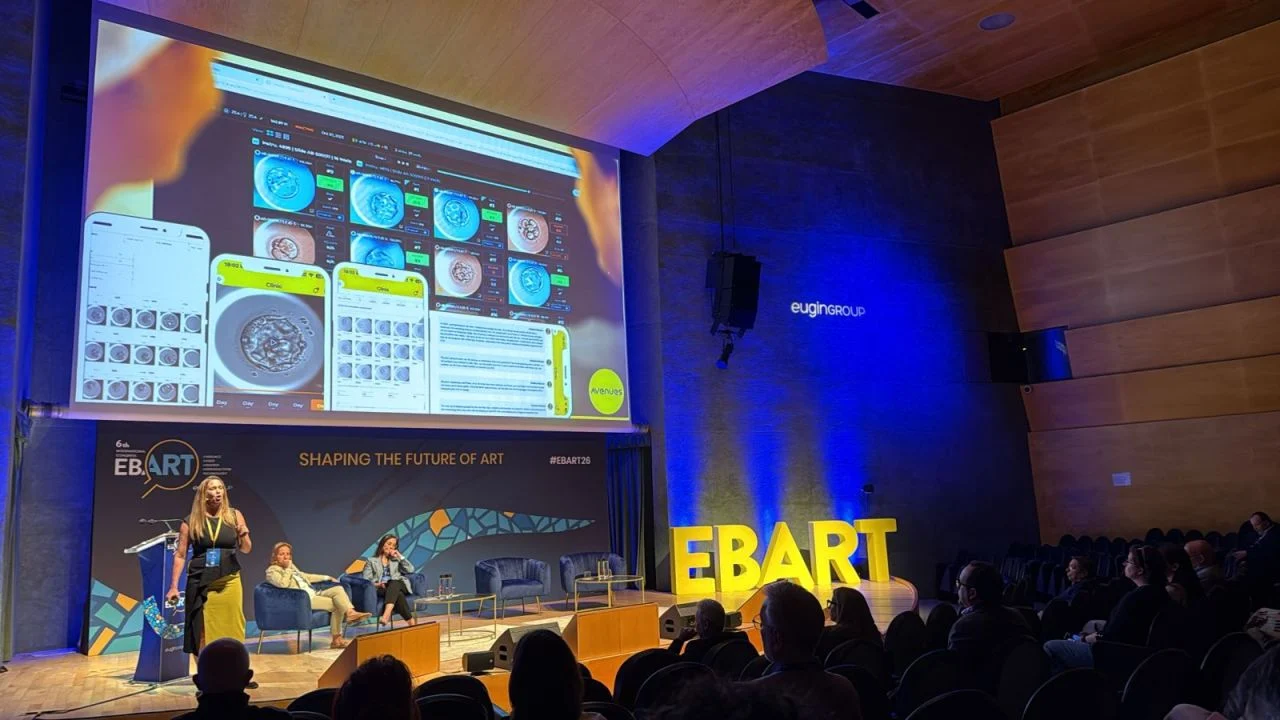
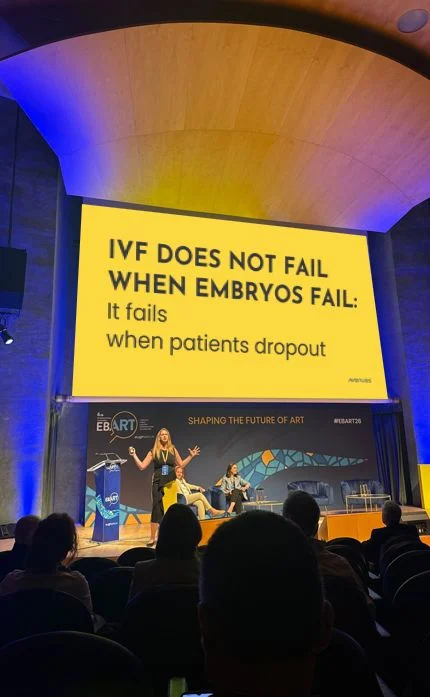
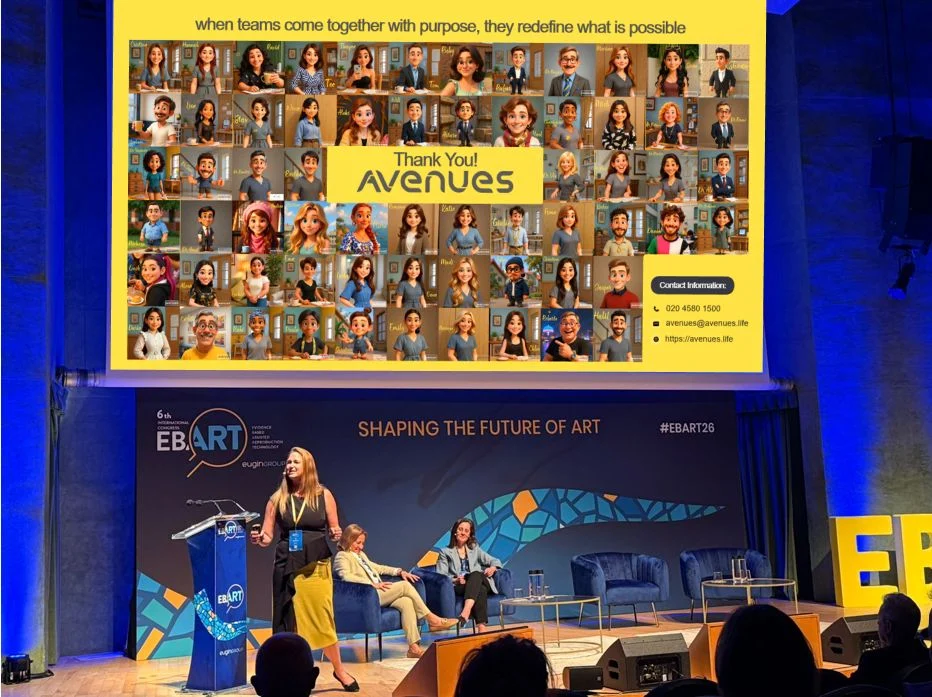
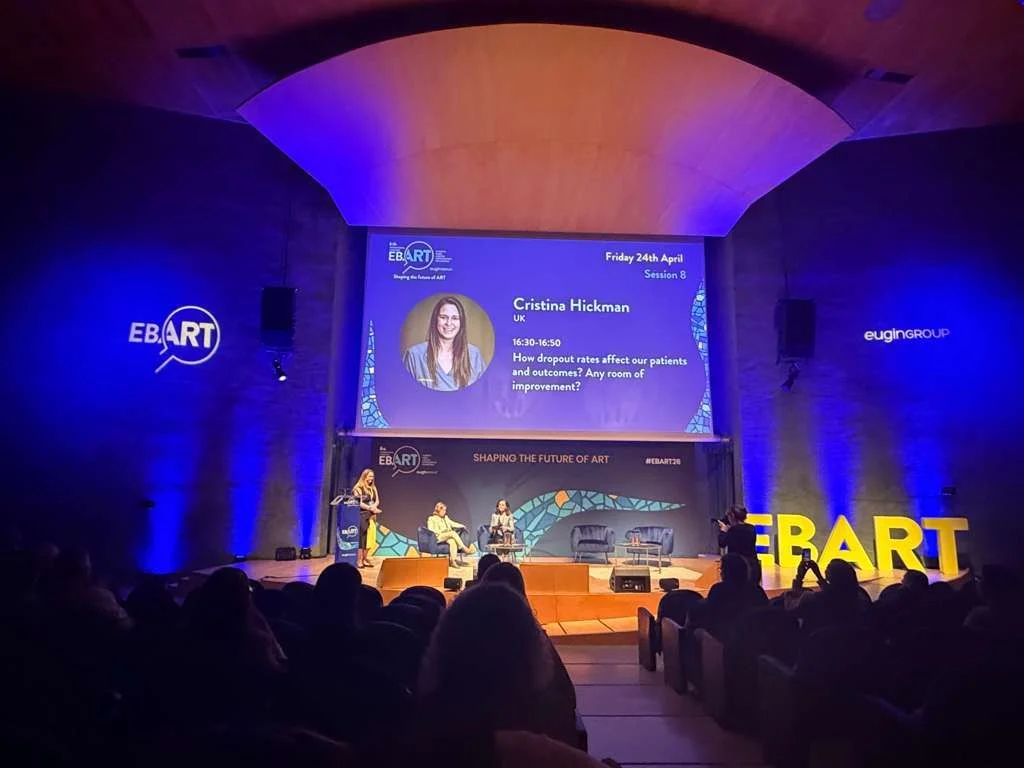
“I would like to thank Amelia Rodriguez-Aranda, Marcio Fernandes, and the entire Eugin Group team for a fantastic EBART2026 conference, and for inviting me to share our experience on managing Dropout
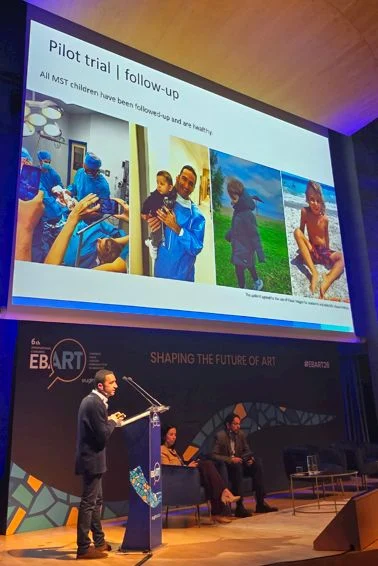
Having attended many conferences over the years, this one truly stood out, with an exceptional line up of speakers and cutting edge discussions in reproductive care
A few highlights that fit the linkedin post character count:
- Christos Venetis highlighted the need to look beyond strict reliance on RCTs and to embrace real world evidence where appropriate. He acknowledged limitations in the Illingworth et al 2024 iDAScore study and suggested RWE was better suited for AI assessment than RCTs
On reflection from his talk, it raises an important question: how many patients may have missed the benefits of AI since this RCT was published because of how fertility professionals and regulators incorrectly interpret evidence based medicine? - Tony Gordon presented clear Real world evidence favoring PGT-A
- Samuel Ojosnegros Martos shared fascinating work using hyperspectral technology to better understand blastocyst implantation
- Pietro Santulli and Mats Hellstrom explored advanced approaches to severe adenomyosis and uterine bioengineering
- Nuno Costa Borges discussed mitochondrial donation and the potential of immature GV oocytes for patients over 40 to reduce age related aneuploidy
- Santiago Munne presented exciting progress in automation and vitrification from Overture Life
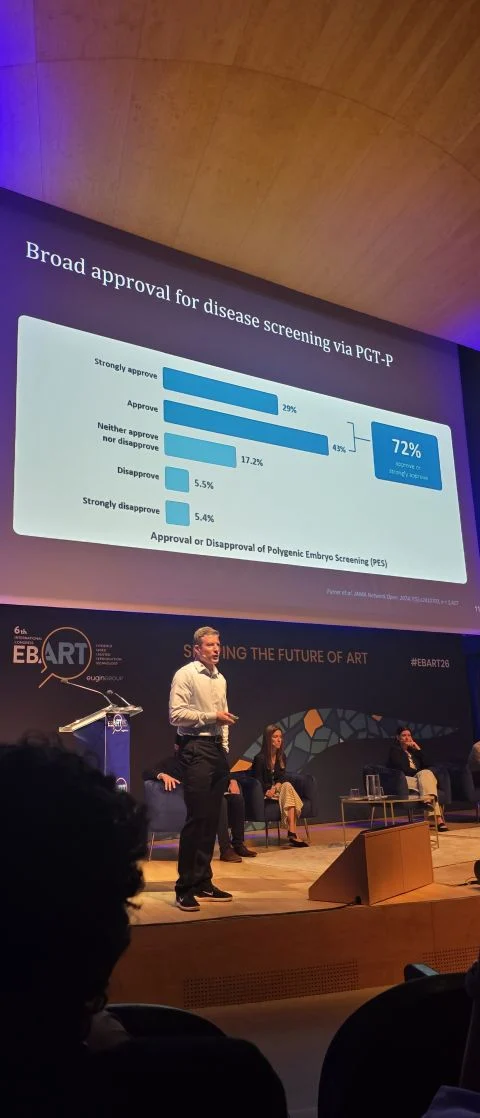
- Diego Marin and Jonathan Anomaly from Herasight explored the ethical and legal landscape of emerging genetic technologies such as PGT-P, highlighting both their potential and the importance of robust, evidence based application and regulation. The law in countries such as the UK needs to catch up with the technology to better assist patients.
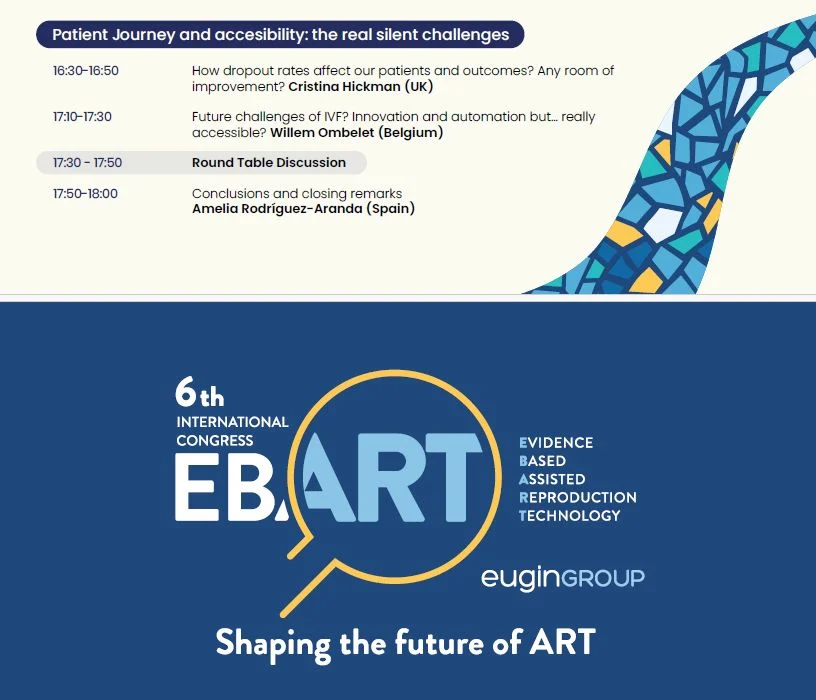
- Willem Ombelet reminded us, through the inspiring Walking Egg project, stripping IVF technologies and literally returning IVF back to the test tube, that accessibility must remain central to global IVF care
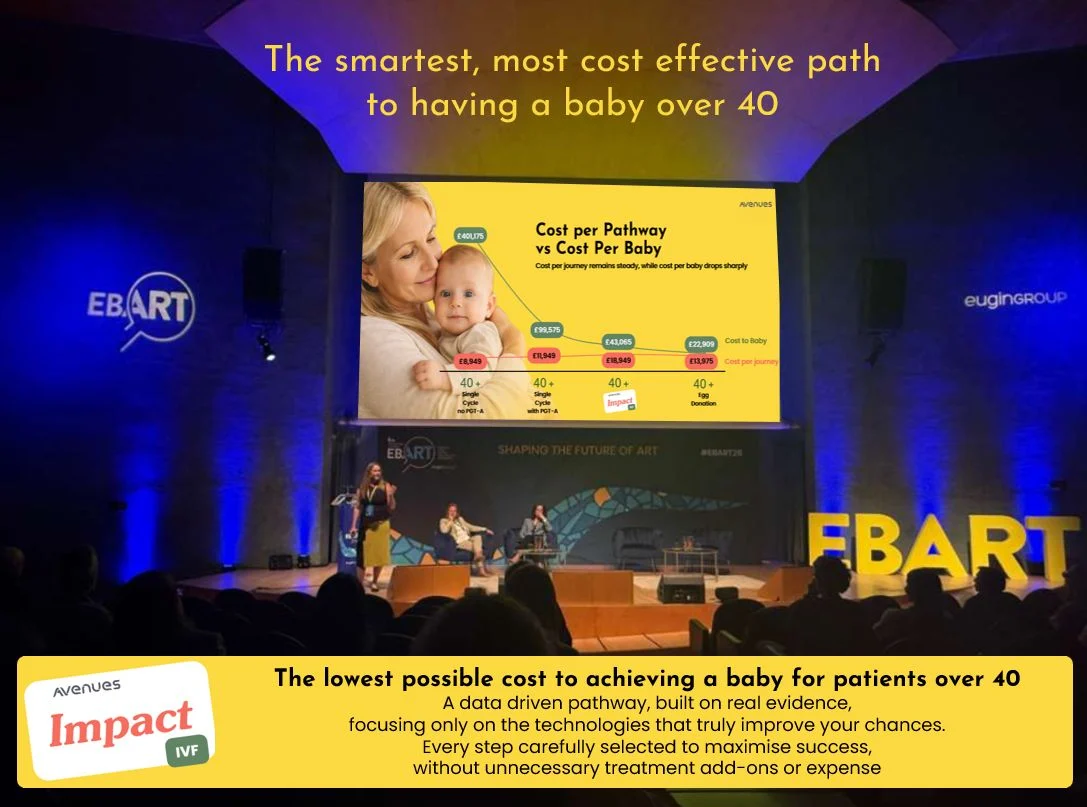
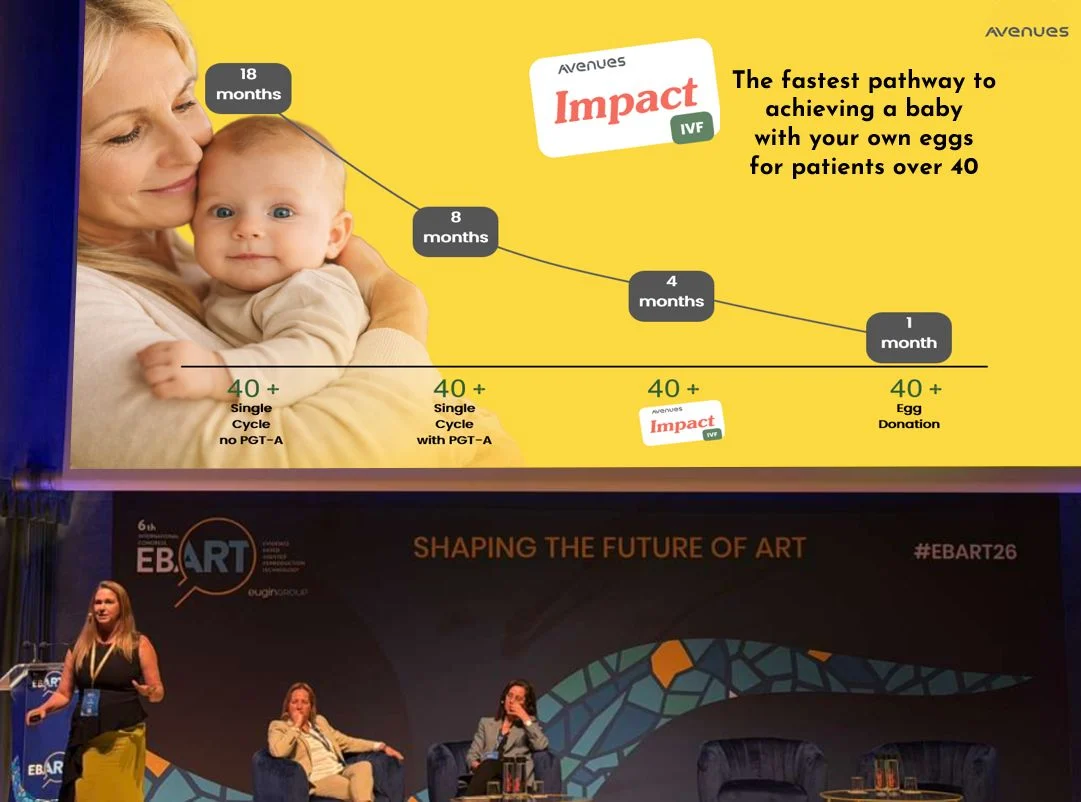
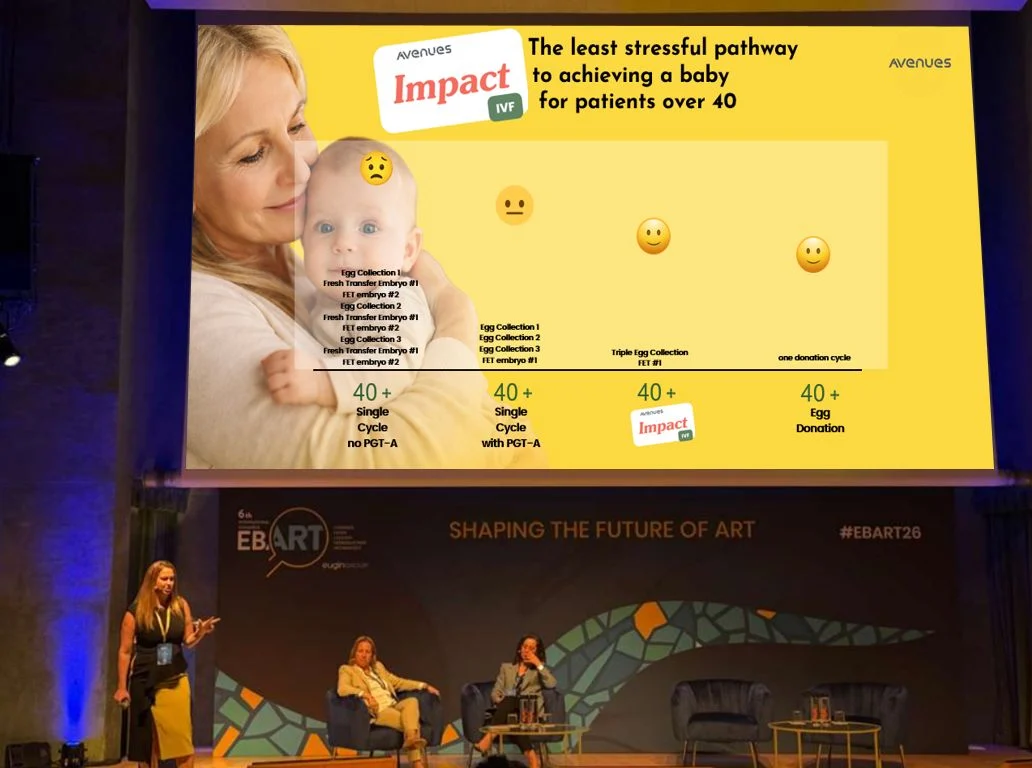
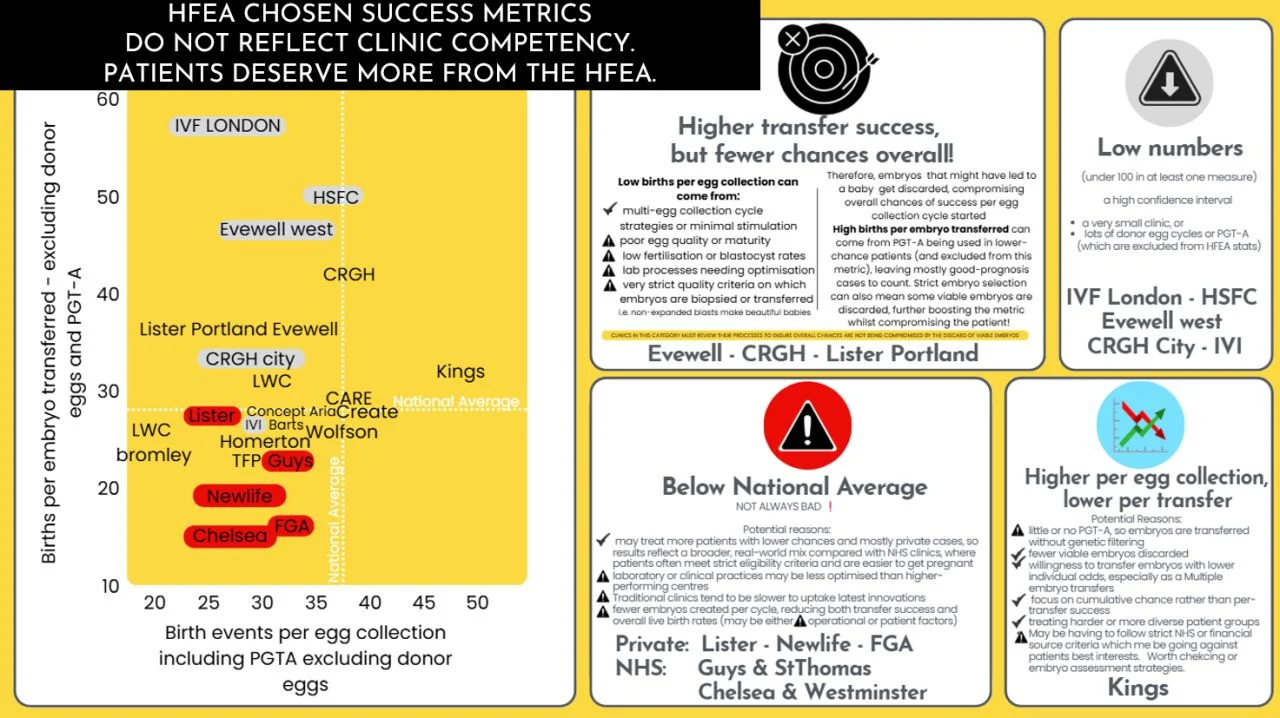
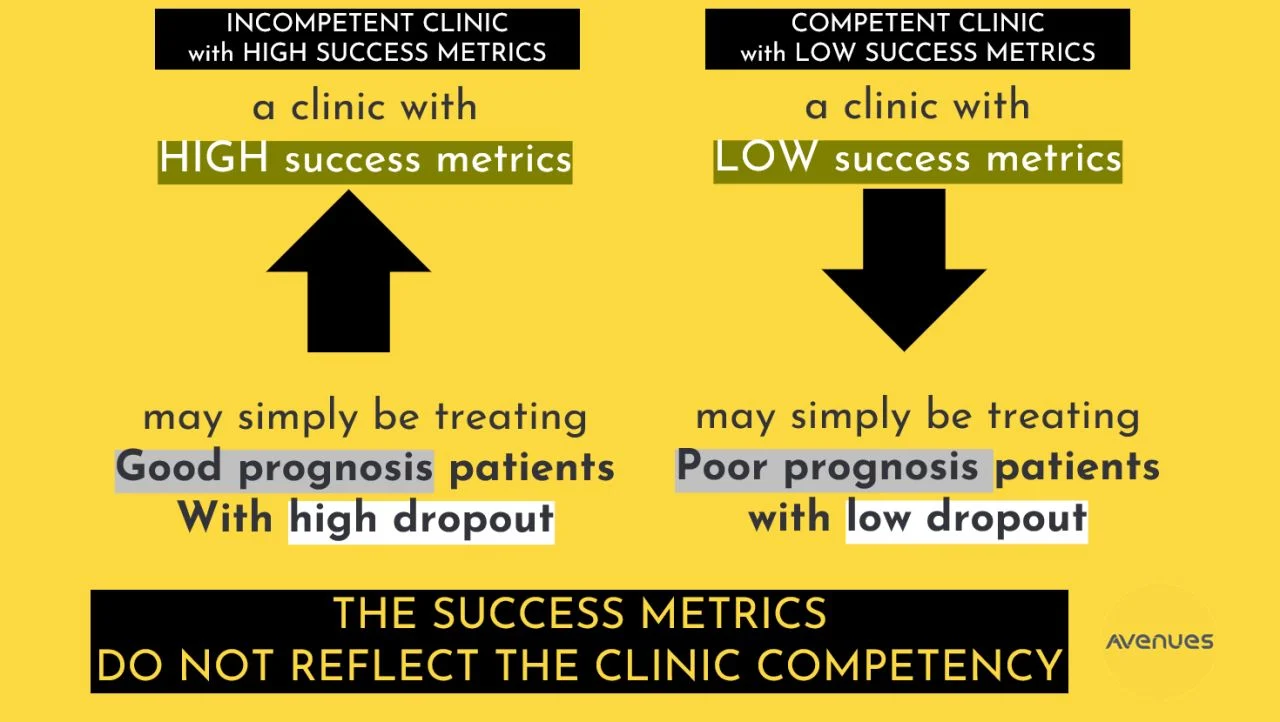
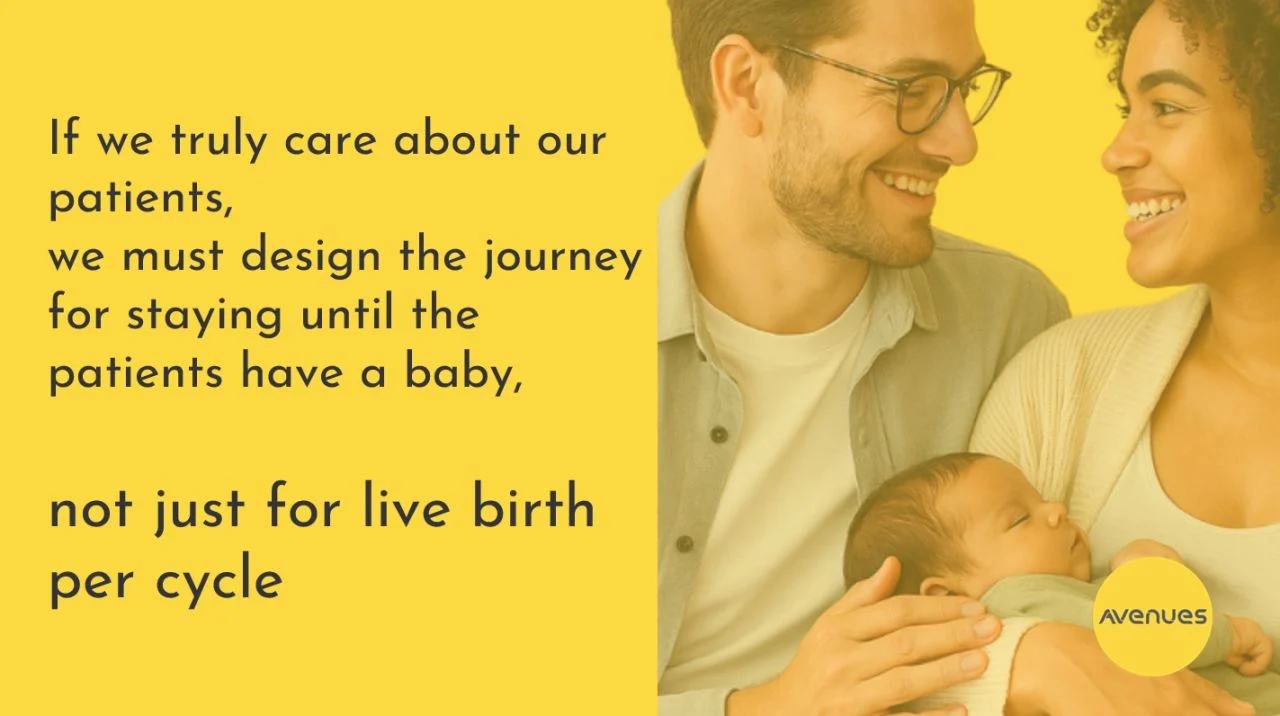
In contrast, I shared the Avenues experience: technology is essential to scale access fairly and maximising the chances of having a healthy baby to everyone who wishes to become a parent. By aligning success metrics with patient centred goals and focusing on the full journey rather than individual cycles, we can reduce time to baby, cost to baby, and convenience to baby, while improving experience without sacrificing outcome. This is how we make IVF more accessible to patients globally
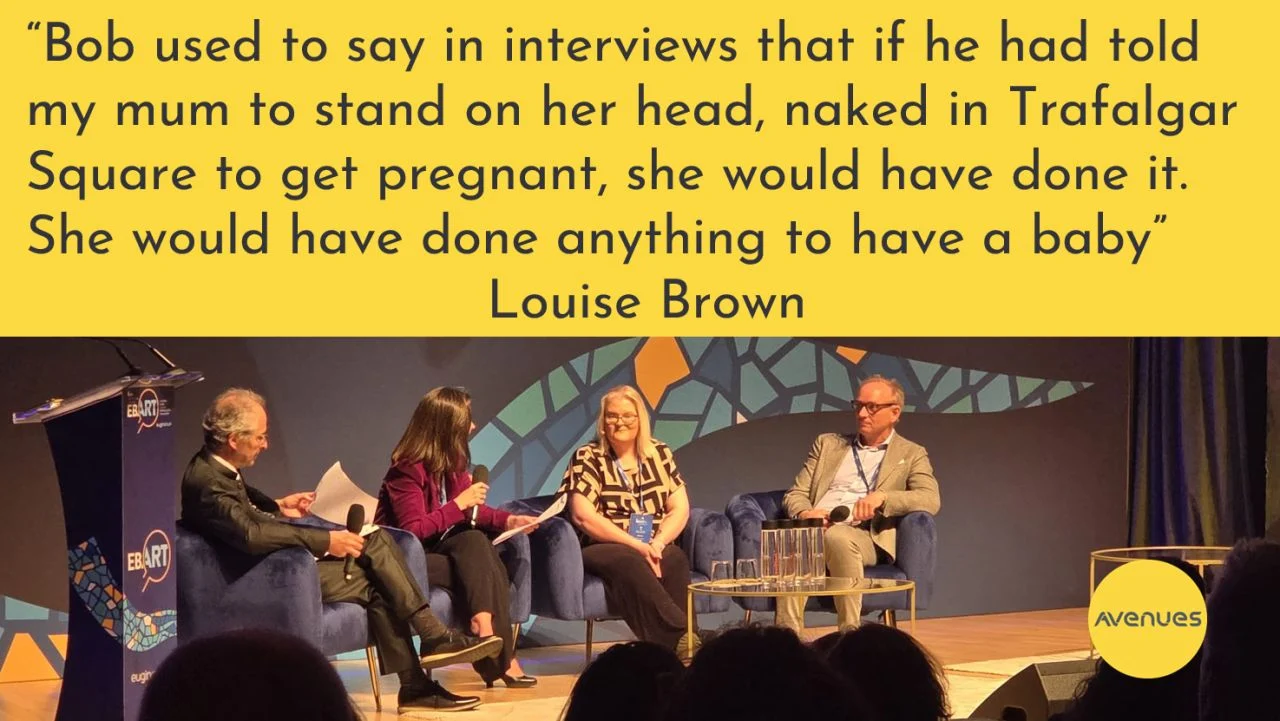
Inspired by Louise Brown reflections on the care her parents received from Purdy, Steptoe and Bob Edwards, we are reminded that alongside innovation, compassionate, personalised care must remain at the heart of everything we do. This is key to reducing unnecessary dropout and easing the burden many patients still face today, unnecessarily
Looking forward to continuing these conversations at the AIFertility World conference in Cascais.”
Stay updated on all scientific advances in the field of fertility with Fertility News.


-
Sep 13, 2026, 15:11Sachintha Alwis: From Impaired Sperm Motility to Microrobotics
-
Sep 13, 2026, 15:08Laurence Orbuch: Before Endometriosis Surgery, Ask…
-
Sep 13, 2026, 15:05Ademola Ayodele: IUI, IVF or Egg Freezing – Which One Is Right for You?
-
Sep 13, 2026, 14:59Fiona Pathiraja-Møller: Tennis Players No Longer Have to Choose Between Career and Family
-
Sep 13, 2026, 14:571-Day Virtual Experience for People Impacted by PMOS – PCOS Awareness Association
-
Sep 13, 2026, 14:53Ozor Victor: Behind Every Embryo Is a Story of Science, Precision, and Hope
-
Sep 13, 2026, 14:50Diana Kayal: What They Don’t Tell You About IVF
-
Sep 13, 2026, 14:44Vikram Sinai Talaulikar: A Heartfelt Thank You to All Who Donated and Supported “Menopause and Cancer”
-
Sep 13, 2026, 14:41Nicole McPherson: Changing IVF Practices Is Hard – Integration Needs to Be Easy