
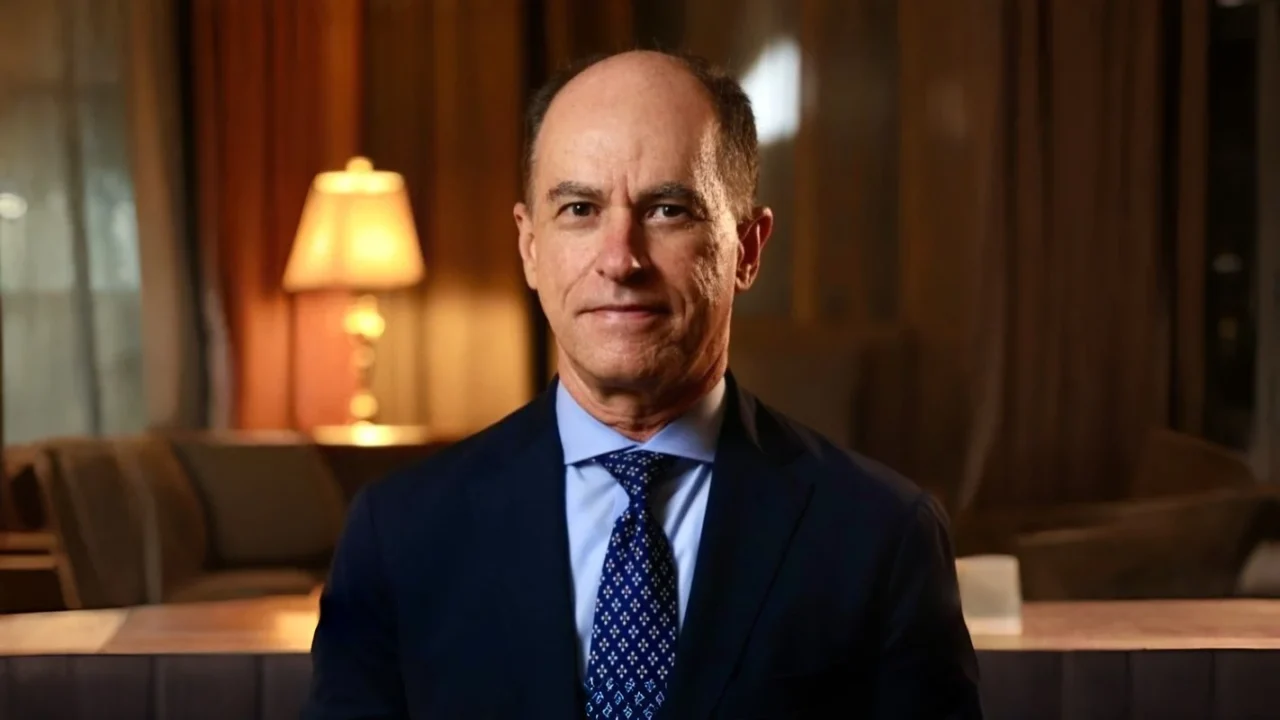
Sandro Esteves: “Merging Galaxies” at the POSEIDON and APHRODITE Conference
Sandro Esteves, Collaborating Professor at State University of Campinas, shared a post on LinkedIn:
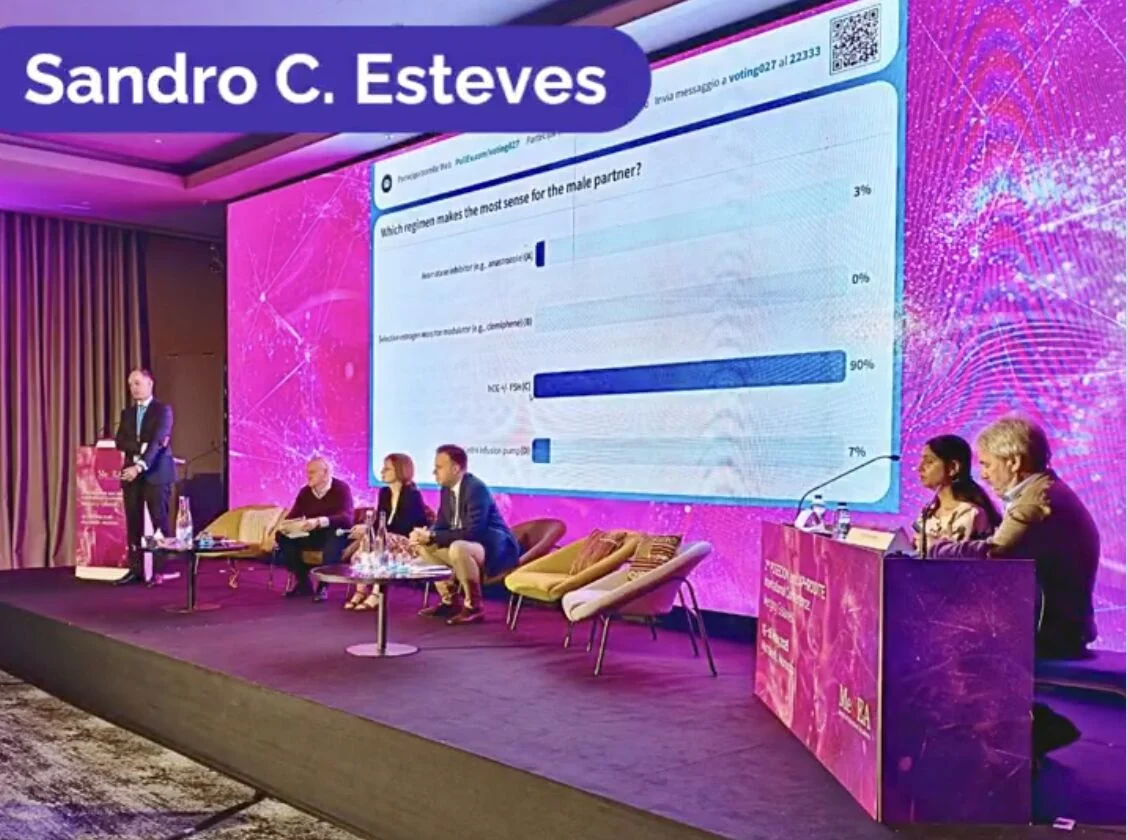
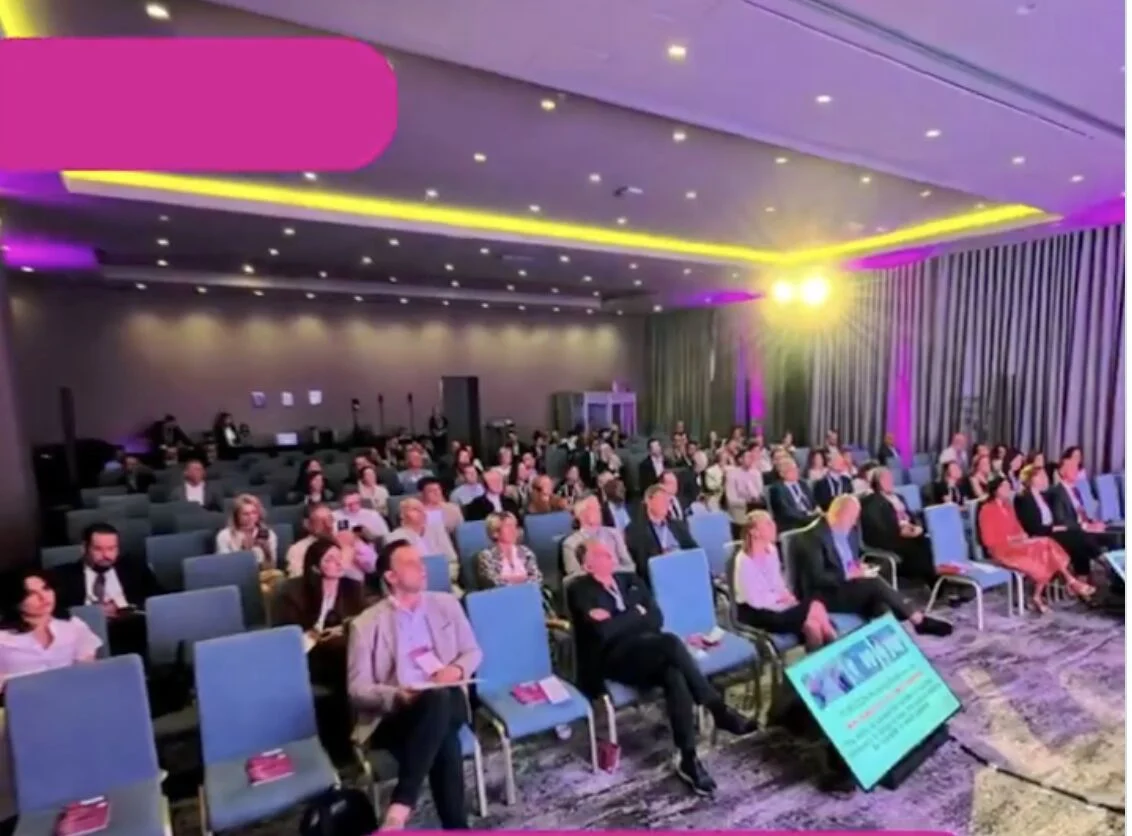
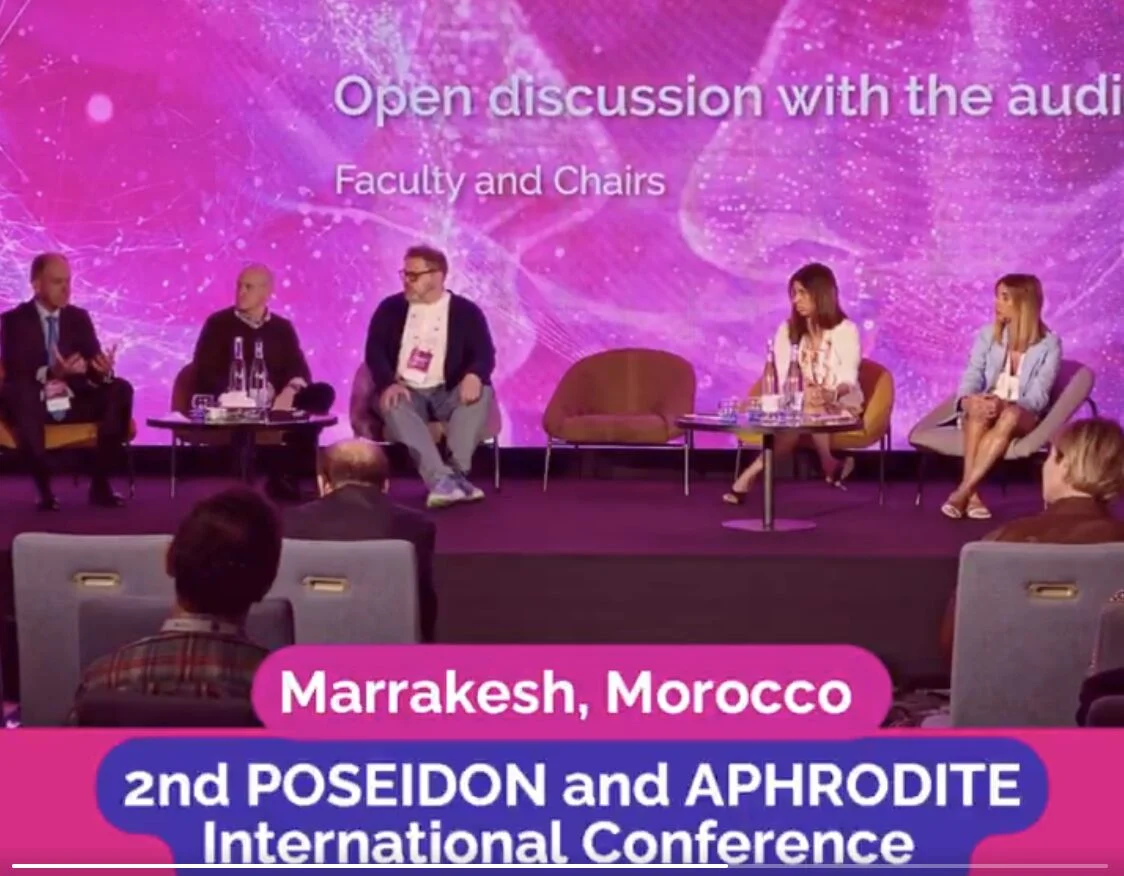
“Over the last days in Marrakesh, the 2nd POSEIDON and APHRODITE International Conference truly lived up to its theme: ‘Merging Galaxies.’
What emerged from this meeting was much more than an update on ovarian stimulation or male infertility management. It was clear that reproductive medicine is progressively evolving from fragmented decision-making toward an integrated, biologically informed, precision-medicine approach centered on the couple.
A decade after the introduction of the POSEIDON criteria, the discussions highlighted how the field has moved beyond the simplistic concept of ‘poor ovarian response’ toward individualized low-prognosis stratification, dynamic ovarian sensitivity assessment, embryo competence, and patient-oriented oocyte targets.
Equally exciting was the strong emphasis on the male factor within the APHRODITE framework, which occupied a full, dedicated session and multiple practical discussions that integrated male and female reproductive stratification into real-world clinical care.
The concept that ‘she is not the only patient’ resonated throughout the meeting. Male infertility was discussed not as an isolated semen analysis abnormality, but as a structured clinical condition requiring endocrine, reproductive, and biological phenotyping capable of guiding both treatment and research.
One of the highlights for me was the inspiring lecture by Christopher Barratt on ‘Male infertility in 2026: Evolving challenges, emerging solutions’, which brilliantly explored how urgently we need better translational integration between science, diagnostics, and patient-centered care.
Another particularly visionary moment came from Christos Venetis, whose lecture on integrating POSEIDON and APHRODITE with artificial intelligence offered a compelling glimpse into the future of reproductive medicine. The idea that AI may help dynamically combine ovarian reserve, embryo competence, male reproductive health, endocrine signatures, and longitudinal treatment data into truly individualized care pathways no longer feels futuristic — it feels increasingly inevitable.
Perhaps the most rewarding aspect of the conference was hearing from colleagues that many of these concepts are already being incorporated into clinical practice immediately. That, ultimately, is the true purpose of scientific exchange: transforming discussion into better care for our patients.
My sincere thanks to MedEA Medical Education Academy and Chloe X., all chairs and faculty members, Carlo Alviggi, Robert Fischer, Sesh K Sunkara, Filippo Maria Ubaldi, Christos Venetis, Christopher Barratt, Alyssa Hochberg, Biljana Popovic Todorovic, Alberto Ferlin, Daniele Santi, Neena Malhotra, Omar Sefrioui, collaborators, and participants who contributed to such a scientifically rich and highly practical meeting.
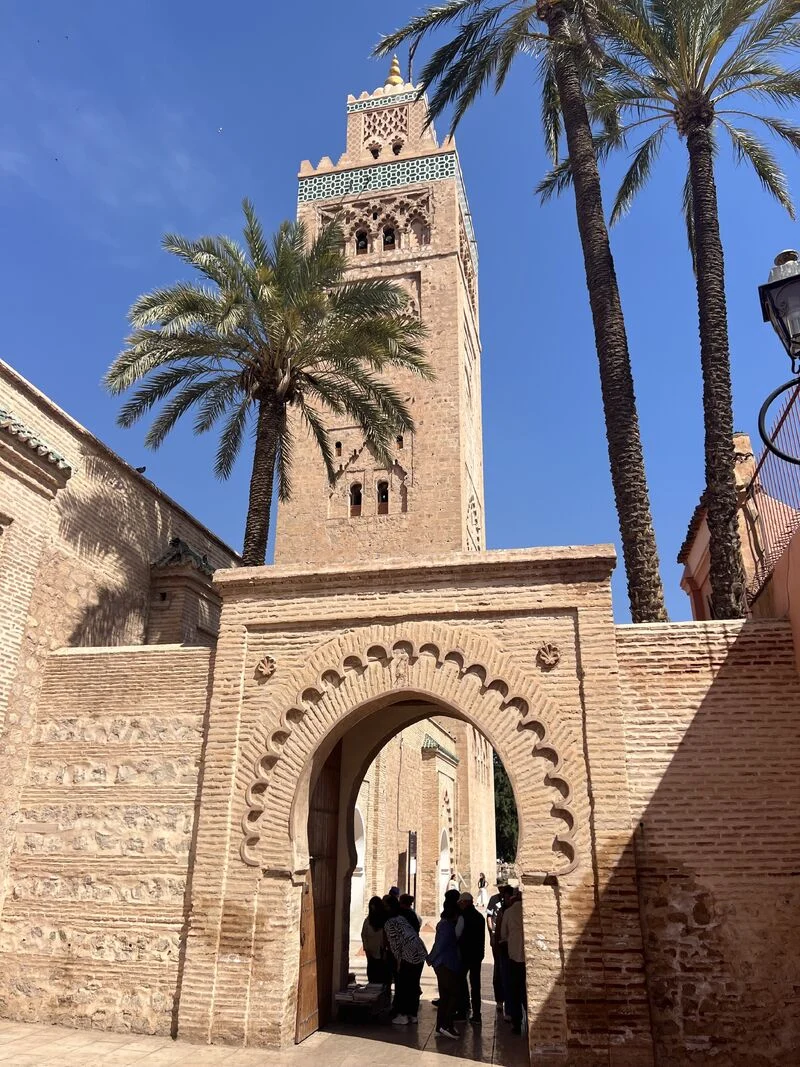
Marrakesh, a historical meeting point of cultures, ideas, and collaboration, could not have provided a more symbolic setting for these galaxies to merge.”
Stay updated on all scientific advances in the field of fertility with Fertility News.

-
Oct 8, 2026, 17:18Khalil Faaed: Vitrification Prevents Ice, but Does It Prevent Oocyte Damage?
-
Oct 8, 2026, 17:16Ritu Anand: Better Conversations Ultimately Lead to Better Care in Fertility
-
Oct 8, 2026, 17:14Mark Trolice: Excited to Speak at Women’s HealthX
-
Oct 8, 2026, 17:12Delighted to Welcome Dr. Róisín Mortimer – Waterstone Clinic-IVF and Fertility
-
Oct 8, 2026, 17:09Deirdre Zander-Fox: Pleased to Be an Invited Speaker at ESHRE Precision ART
-
Oct 8, 2026, 17:06Roohi Jeelani: Is Modern Life Actually Making It Harder to Get Pregnant?
-
Oct 8, 2026, 17:04Robert Borowczyk: We Judge the Newest IVF Consultation Group Too Quickly…
-
Oct 8, 2026, 17:01Carlos Guerrero: Great Couple of Days Visiting the Team at New Leaders in Fertility and Endocrinology
-
Oct 8, 2026, 17:00Sarah Banks: Improving Patient Experience Isn’t Always About Making Huge Changes…