
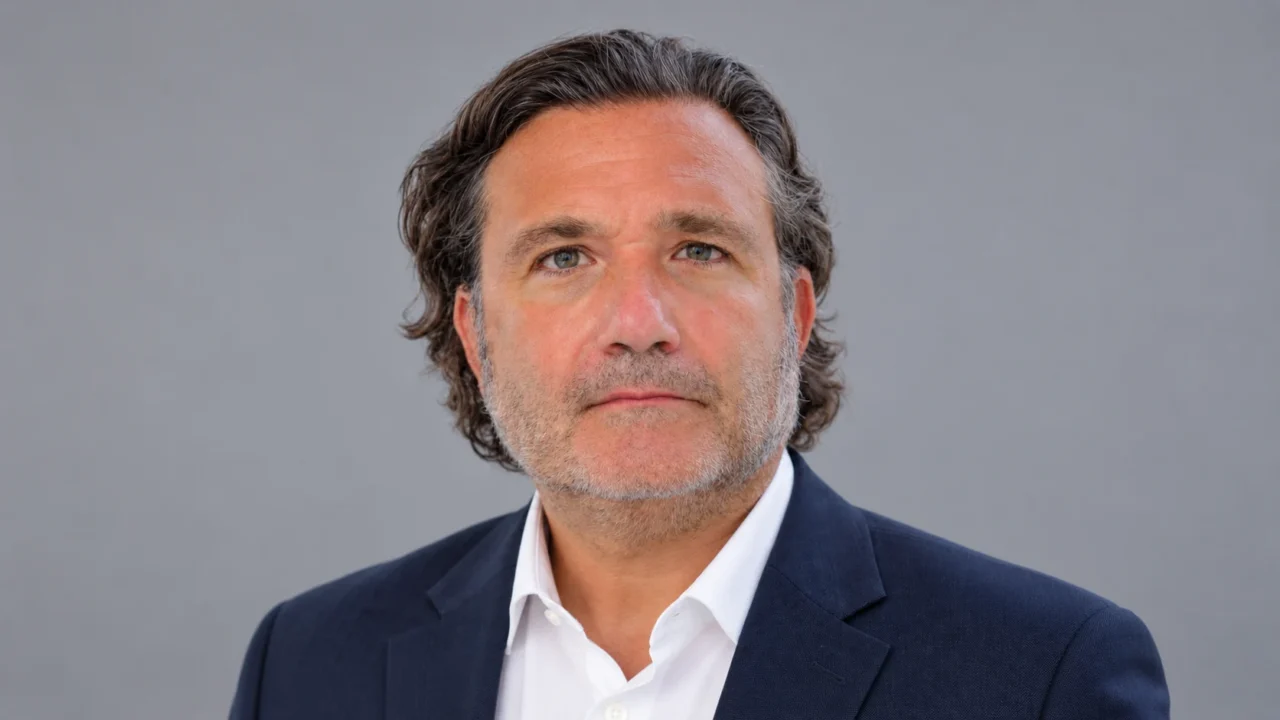
Eric Lameignere: What If Part of the Sperm DNA Damage We Observe is Actually Created in the IVF Laboratory Itself?
Eric Lameignere, Co-Founder at MovaLife Microrobotics, shared a post on LinkedIn about a paper by Moones Vasiee et al. published in the International Journal of Reproductive BioMedicine:
” What if part of the sperm DNA damage we observe is actually created in the IVF laboratory itself?
When discussing sperm DNA fragmentation (SDF), we usually focus on age, lifestyle, oxidative stress, or underlying male infertility factors. Yet a growing body of evidence suggests that some DNA damage may be iatrogenic, meaning it can be induced during routine laboratory handling and ART procedures.
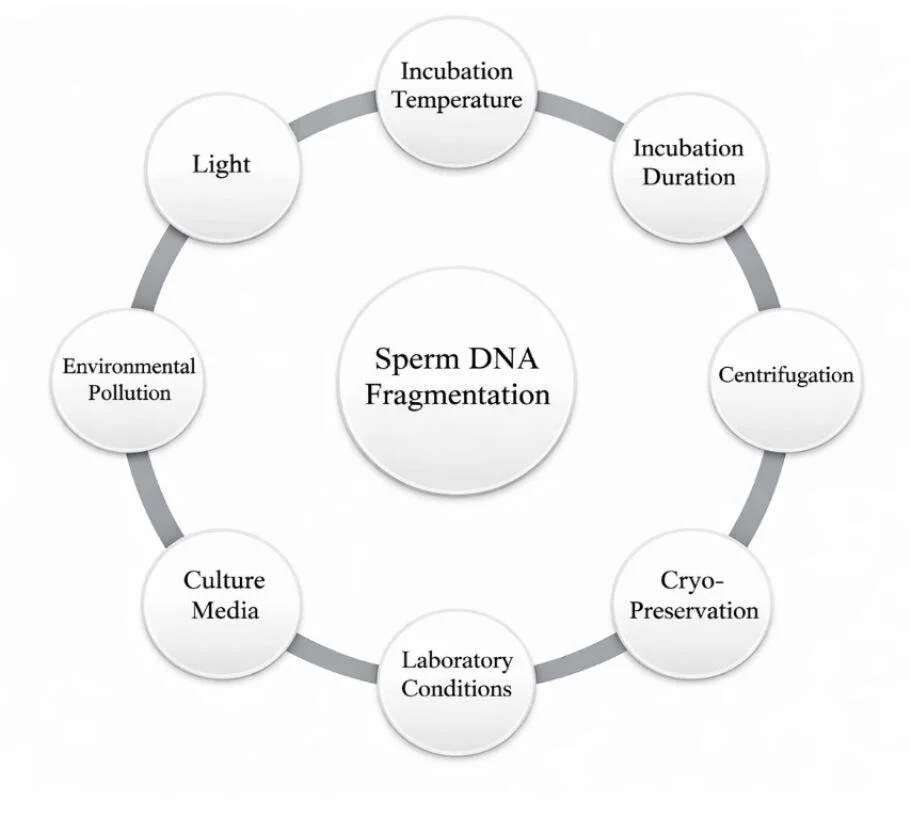
A recent review published in the International Journal of Reproductive BioMedicine highlights several laboratory-related factors that can negatively impact sperm DNA integrity:
- Temperature and incubation time
Even a few hours of incubation may increase DNA fragmentation, particularly when sperm are maintained at 37°C for prolonged periods.
- Centrifugation
Conventional sperm preparation methods expose sperm to mechanical stress and increased reactive oxygen species (ROS), both of which can contribute to DNA damage.
- Cryopreservation
Freezing and thawing cycles may induce oxidative stress, osmotic shock, and apoptotic pathways that compromise sperm genomic integrity.
- Culture media, additives, and consumables
The quality of media, cryoprotectants, plastics, gloves, and other laboratory materials can influence sperm DNA stability and overall sperm quality.
- Laboratory environment
Air quality and exposure to volatile organic compounds (VOCs) can affect sperm quality and ultimately reproductive outcomes, highlighting the importance of strict laboratory quality control.
Sperm quality does not depend solely on the patient. Every step between semen collection and fertilization has the potential to influence DNA integrity and, ultimately, IVF success.
The review also points to the growing promise of microfluidic technologies, which can reduce centrifugation and mechanical stress while selecting higher-quality sperm populations.
At MovaLife microrobotics, this concept is at the heart of our mission. By combining microfluidics and microrobotics, we aim to minimize the mechanical and oxidative stress imposed on sperm during preparation. Preserving sperm DNA integrity should not simply be a consequence of the process; it should be one of its primary objectives.”
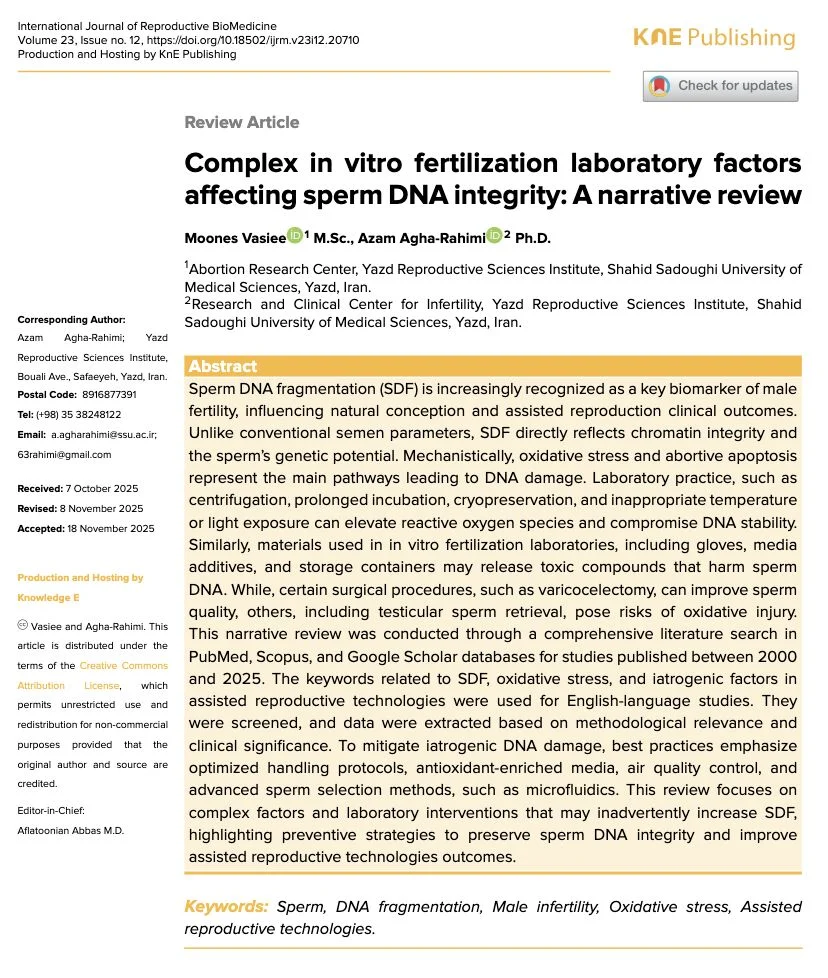
Title: Complex in vitro fertilization laboratory factors affecting sperm DNA integrity: A narrative review
Authors: Moones Vasiee, Azam Agha-Rahimi
You can read the Full Article in the International Journal of Reproductive BioMedicine.
Other articles featuring Eric Lameignere on Fertility News.
-
Sep 21, 2026, 18:01Mostafa Maghraby: What Makes a Good Embryologist?
-
Sep 21, 2026, 17:57Paweł Radwan: Meeting Fertility Leaders at the European Executive and Investors Fertility Meeting
-
Sep 21, 2026, 17:49Anna David: Can You Predict Pregnancy Outcome at Diagnosis of Early-Onset FGR?
-
Sep 21, 2026, 17:44Caspian Ostadian: Oocyte Abnormalities and Blastocyst Formation
-
Sep 21, 2026, 17:29Angelo Tocci: Paying More Without Improving Assisted Reproduction Outcomes
-
Sep 21, 2026, 17:22Santiago Munne: The Latest Bpisode of The Baby Blueprint, About the Worldwide Decline in Birth Rates
-
Sep 21, 2026, 17:12Zeinab Kazemianpour: 1 Embryo, 2 Different Biopsy Strategies
-
Sep 21, 2026, 17:10Diksha Kanekar: A Day in the Life of an Embryologist
-
Sep 21, 2026, 17:06Elias Tsakos: IVF Does Not Increase the Risk of Breast Cancer