

Mazen Al-Obaidi: GLP-1 Receptor Agonists, the Brain, and Fertility
“GLP-1 receptor agonists are the weight-loss and diabetes drugs now linked to unexpected changes in fertility. These medicines act on the brain’s appetite centres, on metabolism, and on the reproductive system. Reports of surprise pregnancies during weight-loss treatment, often called (Ozempic babies), have pushed this topic to the front of reproductive medicine. This article explains what GLP-1 receptor agonists are, how they reach the brain and the reproductive organs, and what recent studies show for women and men.
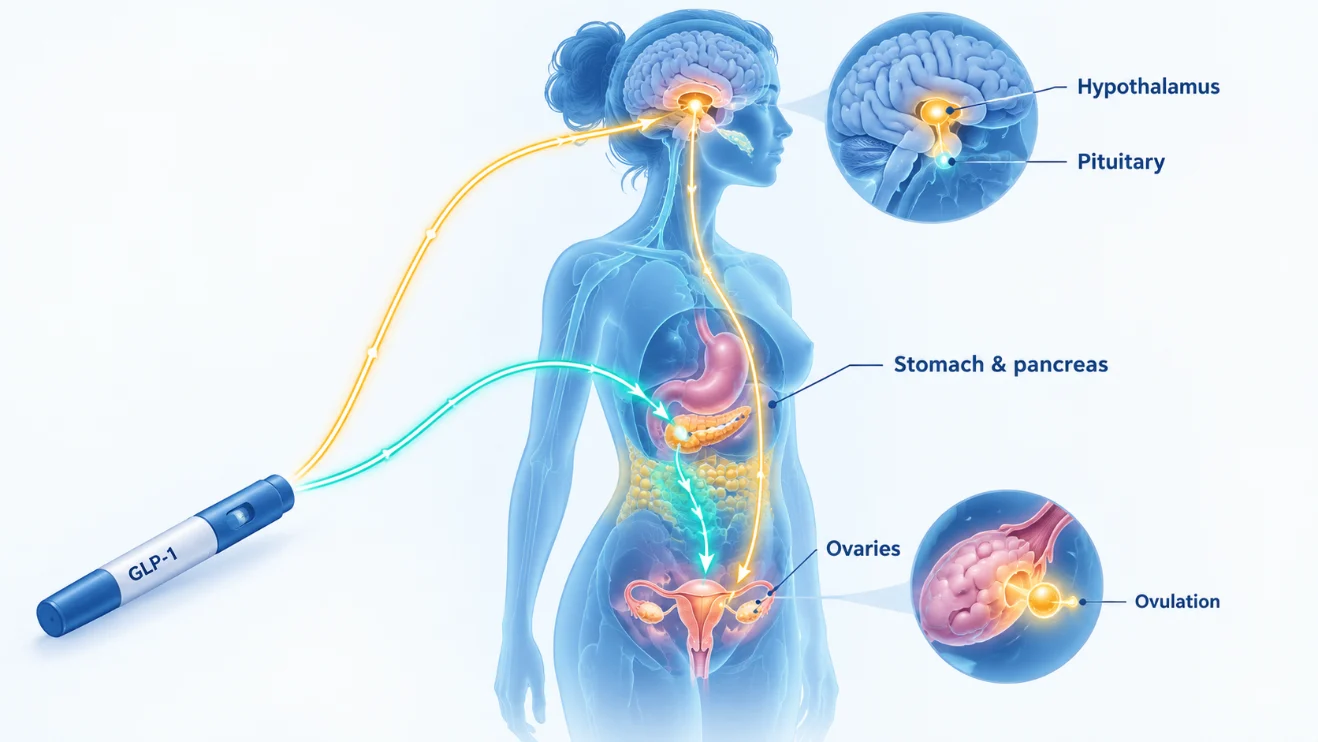
What are GLP-1 receptor agonists?
GLP-1 receptor agonists (GLP-1RAs) mimic glucagon-like peptide-1, a natural hormone that the gut releases after a meal. This hormone helps control blood sugar and appetite. Common examples include semaglutide (Ozempic, Wegovy), liraglutide, and tirzepatide (Mounjaro, Zepbound). Tirzepatide is slightly different because it acts on the receptor of a second gut hormone, GIP, as well as GLP-1.
Their main actions:
- They help the pancreas release more insulin, which lowers blood sugar.
- They make food leave the stomach more slowly, so people feel full for longer.
- They signal the brain’s appetite centres to calm hunger, so people eat less and lose weight.
The drugs were first approved for type 2 diabetes and obesity. Their wide use in people of reproductive age is what raised the fertility questions (Couldwell et al., 2025).
How do GLP-1 receptor agonists reach the reproductive system?
GLP-1RAs affect fertility through two routes, one in the brain and one in the body.
Brain route:
GLP-1 receptors are found along the chain of command that links the brain to the ovaries (Couldwell et al., 2025). Scientists call it the hypothalamic-pituitary-ovarian axis. In this chain, the hypothalamus signals the pituitary gland, and the pituitary then tells the ovaries when to mature and release an egg.
Yang and colleagues studied rats with a condition that mimics polycystic ovary syndrome (PCOS), a common hormone disorder that causes irregular periods. In these rats, liraglutide calmed overactive GnRH neurons, the brain cells that start the reproductive hormone chain. Testosterone and luteinising hormone levels then fell. The drug worked through a signalling pathway inside these cells known as RASA1/Ras/AKT (Yang et al., 2026).
When GLP-1 was delivered straight into the brains of animals, it boosted the luteinising hormone surge that triggers ovulation, along with follicle-stimulating hormone. It also raised levels of the kisspeptin receptor, a key on-switch for reproductive hormones in the hypothalamus (Merhi, 2024).
Body route:
The drugs reduce body weight and fat around the waist. In women with PCOS, they also bring consistent metabolic benefits (Becker et al., 2026).
These changes help ovulation become more regular, especially in women with obesity or PCOS, which is also marked by high androgen levels (Voros et al., 2026).
Excess weight disrupts the signals between the brain and the reproductive organs, and it lowers fertility in both women and men. Losing weight with GLP-1RAs helps restore those signals (Couldwell et al., 2025).
The two routes work together. The brain route resets the hormone signals that start ovulation. The body route clears away the metabolic problems, such as excess fat and poor insulin control, that obesity places on the reproductive system.
What do GLP-1 receptor agonists do to fertility?
In women:
- In PCOS, GLP-1RAs improve menstrual regularity, ovulation, and pregnancy rates (Becker et al., 2026).
- In one randomised trial, the pregnancy rate reached 69.2% with liraglutide plus metformin, compared with 35.4% with metformin alone (Becker et al., 2026). Metformin is an older diabetes drug that doctors often use in PCOS.
- The term (Ozempic babies) describes surprise pregnancies during weight-loss treatment. Two factors lie behind them. Weight loss can bring fertility back, and slower stomach emptying means the body may absorb less of the contraceptive pill (Becker et al., 2026).
In men:
- In men with obesity or metabolic problems, GLP-1RAs raise total testosterone and improve semen quality. Luteinising hormone and follicle-stimulating hormone, the brain signals that drive the testes, stay stable (Deameh et al., 2026).
- So far, these effects have been reported in men with metabolic dysfunction. Healthy-weight men have hardly been studied (Deameh et al., 2026).
What are the risks and cautions?
Because these drugs are not designed as fertility treatments, timing and safety need special care:
- GLP-1RAs should not be used in pregnancy. Animal studies have shown harm to the developing baby (Becker et al., 2026; Couldwell et al., 2025).
- Women are advised to stop the drug some time before trying to conceive, so that it can clear from the body. This (washout) period is 8 to 10 weeks for semaglutide and tirzepatide (Becker et al., 2026).
- Tirzepatide can make the contraceptive pill less effective because it slows how quickly the stomach empties (Becker et al., 2026).
- Animal results are mixed. Some studies found better growth of follicles, the small sacs in the ovary that hold eggs. Others found damage to the ovary or uterus, and this damage became worse at higher doses (Voros et al., 2026; Merhi, 2024).
- Human evidence is still limited. Most studies so far have had important limitations, and many were done in animals rather than people (Merhi, 2024).”
Written by Mazen Al-Obaidi
Assistant Professor, University of Technology and Applied Sciences
References
Title: GLP-1 Receptor Agonists and Fertility: What Is Known So Far?
Authors: Alice Scalzilli Becker, Júlia Prauchner de Castilhos, Sophia Abur Said Shugair, Talita Colombo, Marta Ribeiro Hentschke
You can read the Full Article in JBRA Assisted Reproduction.
Title: Effect of GLP1 Agonists on Reproduction
Authors: Marie Couldwell, Anna Jane Tidwell, Ann E Taylor
You can read the Full Article in The Journal of Clinical Endocrinology and Metabolism.
Title: Effects of glucagon-like peptide-1 receptor agonists on male reproductive hormones, semen parameters, and metabolic outcomes: a systematic review
Authors: Mohammad Ghassab Deameh, Mohamed Ramez, Rashed Rowaiee, Baha’ Aldeen Bani Irshid, Hamza Mohamed, Abdelrahman Abdelshafi, Mohammad Ali Al-osoufi, Tarek Mohamed, Safa Botros Hegazin, Omer Raheem
You can read the Full Article in The Journal of Sexual Medicine.
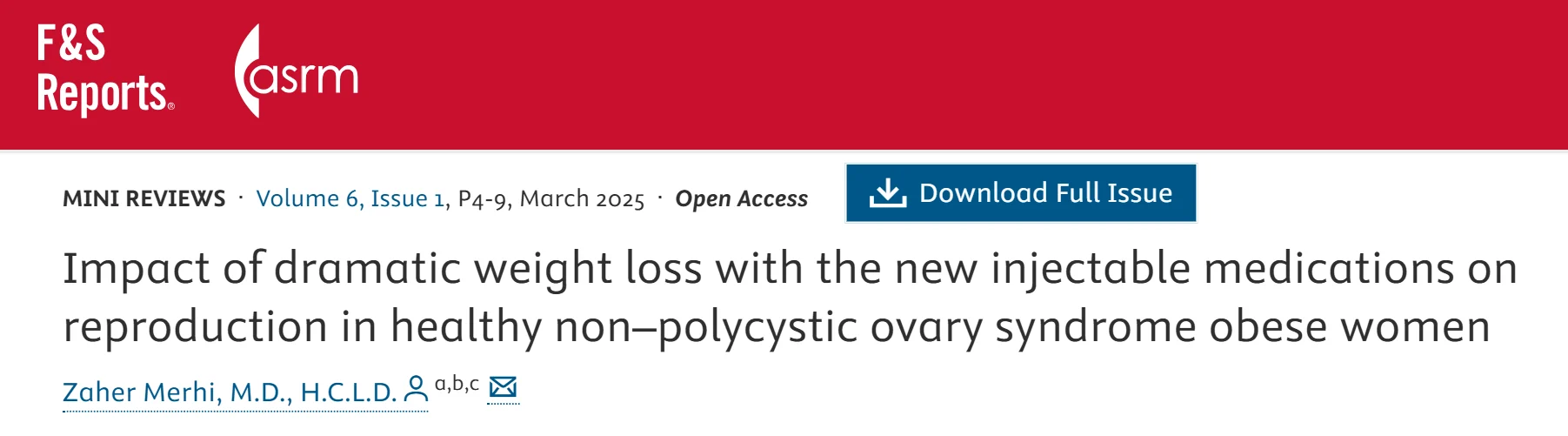
Title: Impact of dramatic weight loss with the new injectable medications on reproduction in healthy non–polycystic ovary syndrome obese women
Author: Zaher Merhi
You can read the Full Article in F and S Reports.
Title: A Systematic Review on GLP-1 Receptor Agonists in Reproductive Health: Integrating IVF Data, Ovarian Physiology and Molecular Mechanisms
Authors: Charalampos Voros, Fotios Chatzinikolaou, Ioannis Papapanagiotou, Spyridon Polykalas, Despoina Mavrogianni, Aristotelis-Marios Koulakmanidis, Diamantis Athanasiou, Vasiliki Kanaka, Kyriakos Bananis, Antonia Athanasiou, Aikaterini Athanasiou, Georgios Papadimas, Charalampos Tsimpoukelis, Dimitrios Vaitsis, Athanasios Karpouzos, Maria Anastasia Daskalaki, Nikolaos Kanakas, Marianna Theodora, Nikolaos Thomakos, Panagiotis Antsaklis, Dimitrios Loutradis, Georgios Daskalakis
You can read the Full Article in the International Journal of Molecular Sciences.

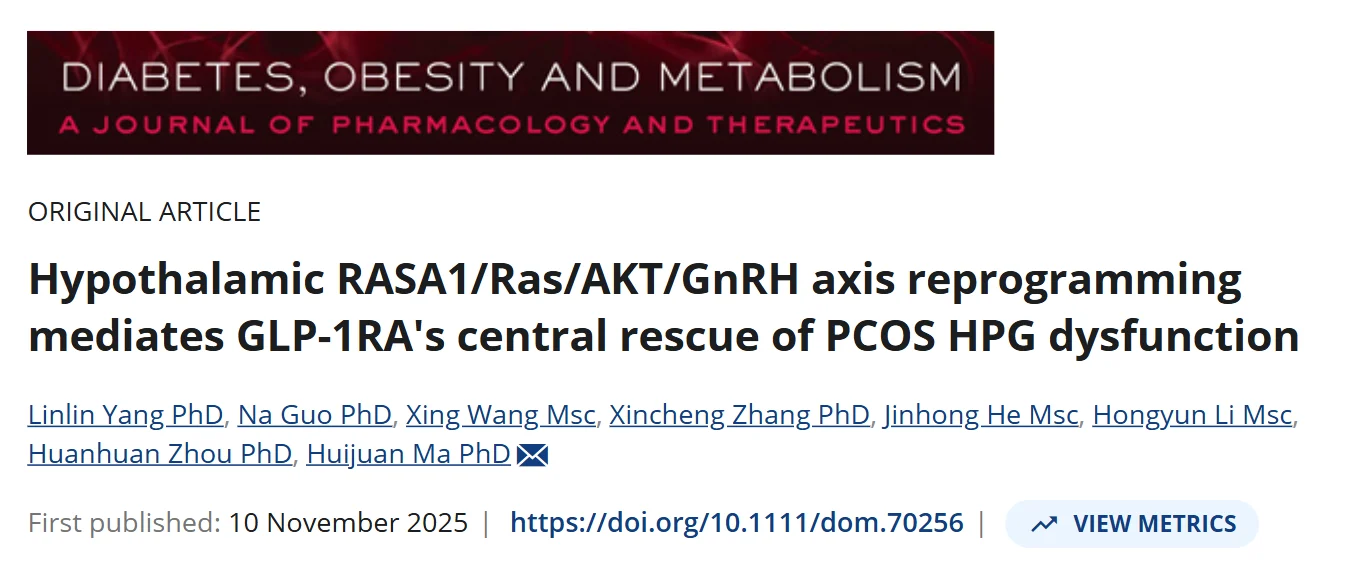
Title: Hypothalamic RASA1/Ras/AKT/GnRH axis reprogramming mediates GLP-1RA’s central rescue of PCOS HPG dysfunction
Authors: Linlin Yang, Na Guo, Xing Wang, Xincheng Zhang, Jinhong He, Hongyun Li, Huanhuan Zhou, Huijuan Ma
You can read the Full Article in Diabetes, Obesity and Metabolism.
Other articles featuring Mazen Al-Obaidi on Fertility News.
FAQ
Do GLP-1 receptor agonists improve fertility?
In women with PCOS or obesity, GLP-1RAs improve ovulation and raise pregnancy rates. The clearest benefit follows weight loss and better insulin control.
What are “Ozempic babies”?
The term describes surprise pregnancies during weight-loss treatment. They follow restored fertility after weight loss and reduced absorption of oral contraceptives.
Do these drugs act on the brain to affect reproduction?
Yes. The hypothalamus, a small region at the base of the brain, carries GLP-1 receptors. Through them, the drugs influence GnRH and kisspeptin neurons, the brain cells that control the release of reproductive hormones.
Are GLP-1 receptor agonists safe during pregnancy?
No. Current guidance is to avoid them in pregnancy and to stop them before conception with a washout period.
Do GLP-1 receptor agonists help male fertility?
In men with obesity or metabolic dysfunction, they raise testosterone and improve semen quality. Little is known about healthy-weight men.
Are these drugs approved as fertility treatments?
No. They are approved for type 2 diabetes and obesity. Using them to treat fertility problems is still new and off-label, which means it falls outside their approved uses.
-
Sep 27, 2026, 11:54Aparna Sridhar and Christina Han: Excited to Announce the UCLA OB/GYN Global Health Fellowship
-
Sep 27, 2026, 11:45Introducing Standing Ovulation: Uncensored, Straight to the Point – Hertility
-
Sep 27, 2026, 11:40Andrea Amaroli: A Step Forward for More Accurate Fertility Preservation Counseling in Oncology Patients
-
Sep 27, 2026, 11:37New FIGO Statement on Emergency Contraception
-
Sep 27, 2026, 11:32Anna Figiel: What Happens in the Gap Between Intent and the Decision to Start Fertility Treatment?
-
Sep 26, 2026, 18:20Rajeev Agarwal: Preconception Care Should Be about More than Preparing the Body for Pregnancy
-
Sep 26, 2026, 18:07Let’s Talk Access This World Contraception Day – FIGO
-
Sep 26, 2026, 17:57Nishad Tasnim and Iftekhar Ahmed Sakib: When Ultrasound and MRI Disagree in Septate Uterus
-
Sep 26, 2026, 17:53The Fertile Window: Why Your Best Days Come Before Ovulation – Fertility Plus