
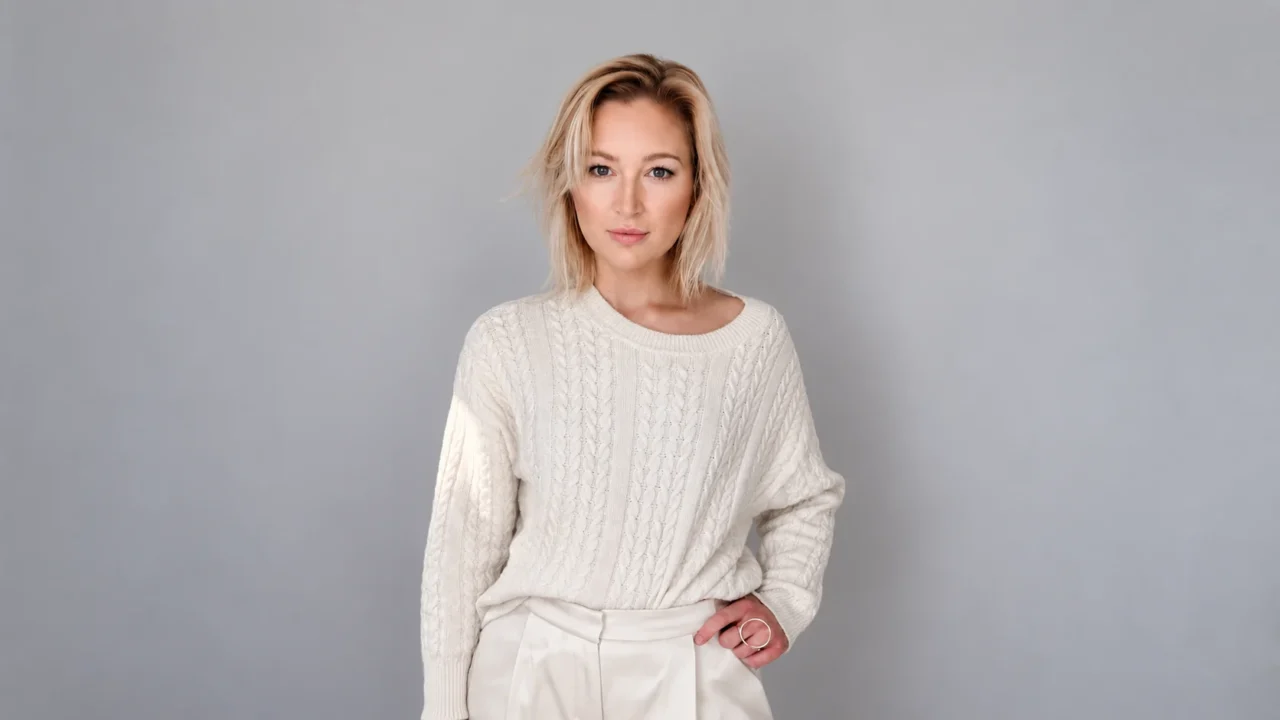
Liz Murray: If You’re in the World of Women’s Health, This One’s for You…
Liz Murray, Medical Professional Expert at Boots UK and Founder and CEO of Mortal and Strong, shared on LinkedIn:
“If you’re in the world of women’s health, this one’s for you:
I’ve spent many years working across a broad scope of women’s health, and it still surprises me when I advise brands and organisations just how little we talk about the reality of health communities.
Because they exist everywhere – not just online.
Social media algorithms make them particularly visible.
- Breast cancer awareness content predominantly reaches women already connected to breast cancer.
- Endometriosis awareness reaches women already engaging with endometriosis.
- Fertility, menopause, menstrual health, maternal health – each develops its own communities, language, advocates and echo chambers.
And that creates a problem.
If our awareness only reaches people who are already aware, is it really awareness?
True health advocacy has to cross those boundaries.
It requires collaboration between communities and, crucially, an understanding of health inequalities – because the women least represented in these conversations are often those we most need to reach.
It’s also why anyone genuinely wanting to make a dent in women’s health needs people around the table who understand the ecosystem they are entering.
I’ve had many early conversations with health-tech startups wanting to contribute to this space, and I find myself sharing the same insight:
Women’s health is not a single market. It is an interconnected ecosystem.
Entering it with a single-condition, single-demographic or technology – first view can create dangerous blind spots.
- A menstrual-health product cannot ignore fertility.
- A fertility platform cannot ignore pregnancy loss.
- A menopause service cannot ignore gynaecological disease.
- A digital solution cannot assume every woman has the same health literacy, cultural experience, financial resources or access to healthcare.
- And none of these areas can be understood purely through clinical science without understanding the lived experience of the people navigating them.
The best innovation I see starts differently.
Not with: ‘We have built something – how do we get women to use it?’
But with: ‘What is actually happening to women here, who are we not hearing from, and what problem genuinely needs solving?’
That distinction matters.
Women’s health does not need more people arriving with a solution and then looking for the problem.
It needs clinicians, patients, researchers, advocates, charities, communities, brands and technology companies willing to work across traditional boundaries – and willing to recognise where their own expertise ends.
Because advancing women’s health isn’t about owning a corner of it.
It’s about understanding how all the corners connect.”
Stay updated on all scientific advances in the field of fertility with Fertility News.
-
Oct 3, 2026, 18:27Non-Invasive Prenatal Testing: Science, Counselling, Global Access and Equity – IJGO
-
Oct 3, 2026, 18:19Erica Marsh: Congratulations to the 4 Doctors Who Were Named 2026 Top Docs by Hour Detroit Magazine
-
Oct 3, 2026, 18:16Shizuko Takahashi: What about the “Biological Clock” in Men?
-
Oct 3, 2026, 18:11Devyanshi Dixit: Call for Speakers for GFWH 2026
-
Oct 3, 2026, 18:06Shaun Greenaway: The More We Understand Male Fertility, the Better Decisions We Can Make
-
Oct 3, 2026, 17:55Reproductive BioMedicine Online’s Latest Issue, 53.4, Is Out
-
Oct 3, 2026, 17:50Ananya Anand Kumar: Excited to Share that My Cryopreservation Abstract Was Accepted for Fertility 2027
-
Oct 3, 2026, 17:48Pregnancy of the Future: Predicting, Preventing, and Treating the Great Obstetric Syndromes – SMFM
-
Oct 3, 2026, 17:46PMOS Was Never Just About the Ovaries… – PCOS Awareness Association