
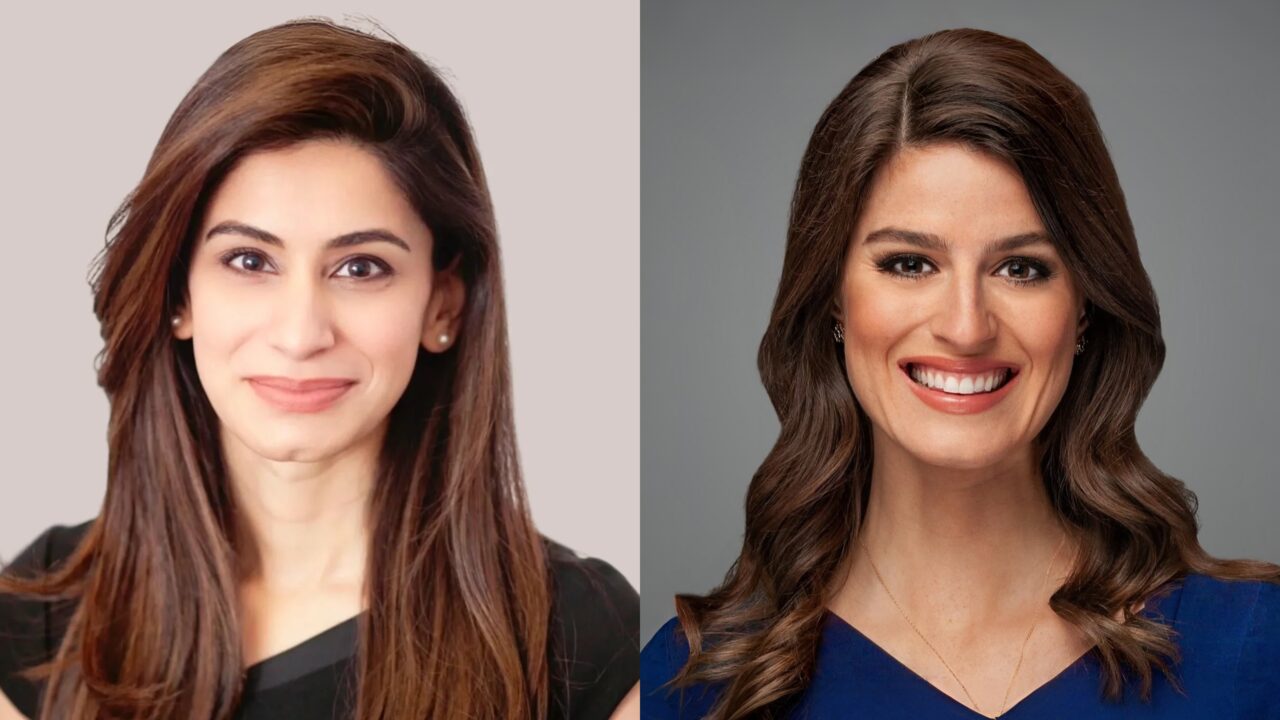
Asima Ahmad: Discussing Fertility Preservation for Cancer Patients with Kate Chappell
Asima Ahmad, Co-Founder and Chief Medical Officer at Carrot and Reproductive Endocrinology and Infertility Specialist at Reproductive Medicine Institute, shared on LinkedIn:
“When someone hears ‘you have cancer,’ future fertility may not be the first thing on their mind.
But it needs to be part of the conversation before treatment begins.
I joined Kate Chappell on NBC Chicago to discuss fertility preservation for patients with cancer – and why a diagnosis doesn’t automatically mean it’s too late.
An egg or embryo freezing cycle can often be completed in about two weeks.
We can usually start ovarian stimulation without waiting for the next period.
Whether it’s appropriate depends on the diagnosis, the patient’s health, and how quickly cancer treatment needs to begin.
Understandably, patients also ask:
Could the fertility medications make my cancer worse?
A Swedish nationwide study of 1,275 women with breast cancer found that fertility preservation at diagnosis was not associated with a statistically significant increase in relapse or breast cancer-specific mortality.
That is reassuring.
We also have evidence from the POSITIVE trial.
In an analysis of women with early hormone receptor-positive breast cancer, the three-year rate of breast cancer events was similar among those who underwent ovarian stimulation for fertility preservation at diagnosis and those who did not: 9.7% versus 8.7%.
These findings add to the reassuring evidence, while longer follow-up remains important.
The 2025 ASCO guidelines recommend discussing reproductive risks at diagnosis and referring patients who are interested in fertility preservation – or unsure – to a reproductive specialist before treatment.
Patients shouldn’t have to know to ask while they’re processing a cancer diagnosis.
And meeting with a fertility specialist doesn’t commit someone to treatment. It gives them information they may need to make a decision.
For employers, this is why fertility coverage matters beyond infertility treatment.
Timely access to a specialist, medications, and storage can make a difference when someone has a limited window to act.
We can’t promise a future baby. But we can make sure patients have a chance to understand their options.”

Other articles featuring Asima Ahmad on Fertility News.
-
Nov 24, 2026, 16:35Pregnancy Loss: An Interview with Henriette Svarre Nielsen – ESHRE
-
Nov 24, 2026, 16:30The Results of the Study on Endometrial Microbiota from Laura Medina-Ruiz and Colleagues – RBMO
-
Nov 24, 2026, 16:24Ashley Evans: Not Everyone Experiencing Infertility Talks About It
-
Nov 24, 2026, 16:20Lucy Froese: So Many Women Are Exhausted From Trying to Get Everything Right
-
Nov 24, 2026, 16:17Lowell Ku: Let’s Talk About Semen Analysis
-
Nov 24, 2026, 16:15Free eBooks Designed to Help Women with PCOS – PCOS Millennials
-
Nov 24, 2026, 16:05Gina Cirimele: Celebrating the 15th Graduating Class at WEST
-
Nov 24, 2026, 15:58Could Giving Aspirin to Everyone at High Risk Help Prevent Severe Preeclampsia? – Preeclampsia Foundation
-
Nov 24, 2026, 15:37The Moments That Made ASRM 2026 Unforgettable