
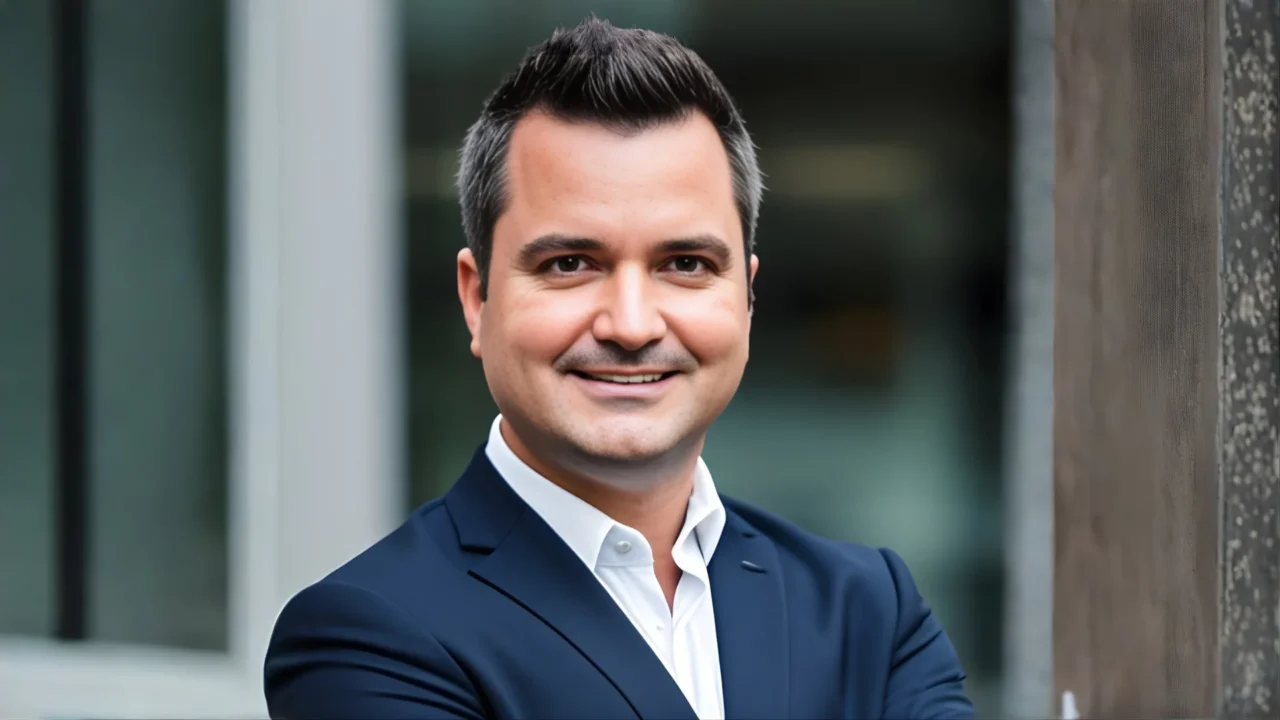
Alex Juusela: Predicting Emergency C-Sections
Alex Juusela, Adjunct Assistant Professor at Rutgers New Jersey Medical School, shared a post on LinkedIn about a paper by Antonio Farina et al. published in AJOG:
“Can we predict which inductions are more likely to end in an emergency C-section?
A new study from King’s College Hospital explores this critical question using the Fetal Medicine Foundation’s 36-week preeclampsia risk model as a novel tool to anticipate intrapartum fetal compromise requiring cesarean delivery.
Study Highlights:
- Over 12,000 women undergoing induction of labor were studied.
- The higher the risk of preeclampsia (assessed by maternal factors, MAP, uterine artery Dopplers, PlGF, and sFlt-1), the greater the risk of fetal compromise.
- The crude risk of C-section for fetal distress was 11.8%, but ranged up to 23.4% in cases with both preeclampsia and fetal growth restriction (FGR).
- Nulliparity, postterm pregnancy, and FGR were key contributors to increased risk.
- Each week increase in gestational age after 35 weeks raised the odds of fetal compromise, especially beyond 41 weeks.
This research suggests we can go beyond indication alone (like preeclampsia or PROM) and stratify risk more precisely using angiogenic biomarkers and Doppler data.
Clinical takeaway: The FMF 36-week PE risk model is more than a predictor of preeclampsia, it may be a powerful tool for optimizing timing and method of induction, reducing the chance of fetal compromise and emergency cesarean delivery.
As we move toward more personalized obstetric care, integrating biomarker-based risk models into induction planning could help us improve outcomes for mothers and babies alike.”
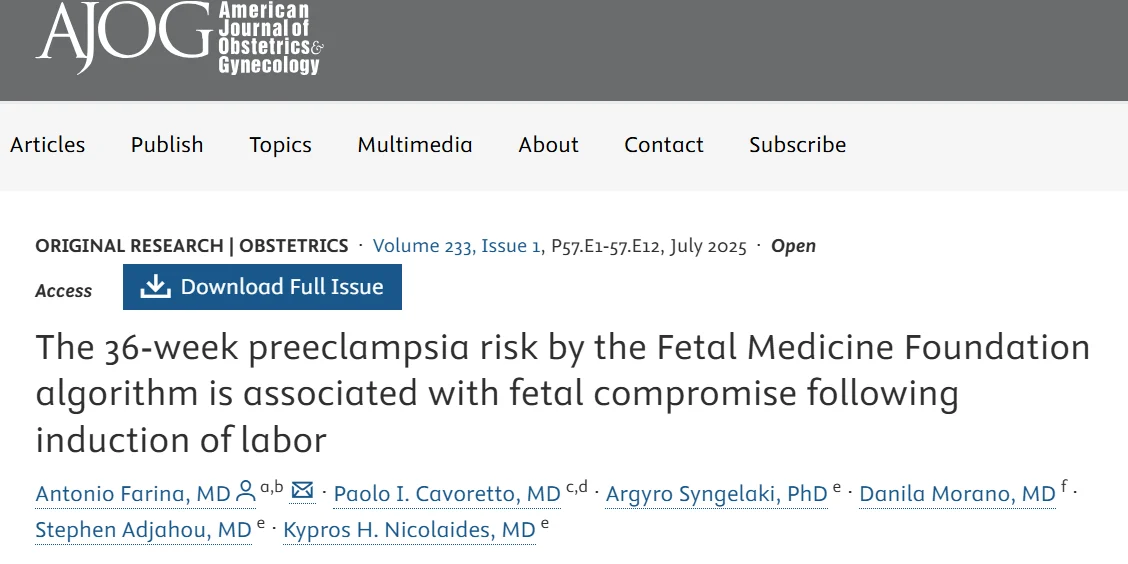
Title: The 36-week preeclampsia risk by the Fetal Medicine Foundation algorithm is associated with fetal compromise following induction of labor
Authors: Antonio Farina, Paolo I. Cavoretto, Argyro Syngelaki, Danila Morano, Stephen Adjahou, Kypros H. Nicolaides
Read the full article.
Stay updated on all scientific advances in the field of fertility with Fertility News.
-
Sep 13, 2026, 15:11Sachintha Alwis: From Impaired Sperm Motility to Microrobotics
-
Sep 13, 2026, 15:08Laurence Orbuch: Before Endometriosis Surgery, Ask…
-
Sep 13, 2026, 15:05Ademola Ayodele: IUI, IVF or Egg Freezing – Which One Is Right for You?
-
Sep 13, 2026, 14:59Fiona Pathiraja-Møller: Tennis Players No Longer Have to Choose Between Career and Family
-
Sep 13, 2026, 14:571-Day Virtual Experience for People Impacted by PMOS – PCOS Awareness Association
-
Sep 13, 2026, 14:53Ozor Victor: Behind Every Embryo Is a Story of Science, Precision, and Hope
-
Sep 13, 2026, 14:50Diana Kayal: What They Don’t Tell You About IVF
-
Sep 13, 2026, 14:44Vikram Sinai Talaulikar: A Heartfelt Thank You to All Who Donated and Supported “Menopause and Cancer”
-
Sep 13, 2026, 14:41Nicole McPherson: Changing IVF Practices Is Hard – Integration Needs to Be Easy