

Esther Eleboh: AMH Is Not An Egg Quality Score
Esther Eleboh, Reproductive Health Nurse (Head of Nursing Department) at Viva Fertility Clinic, shared a post on LinkedIn:
“AMH Is Not An Egg Quality Score.
One common misconception in fertility care is that a high AMH means better egg quality, while a low AMH means poor-quality eggs. This is not how it works.
Let’s clarify something important about AMH, ovarian reserve, and embryo genetics.
1. A high AMH does not guarantee more euploid embryos.
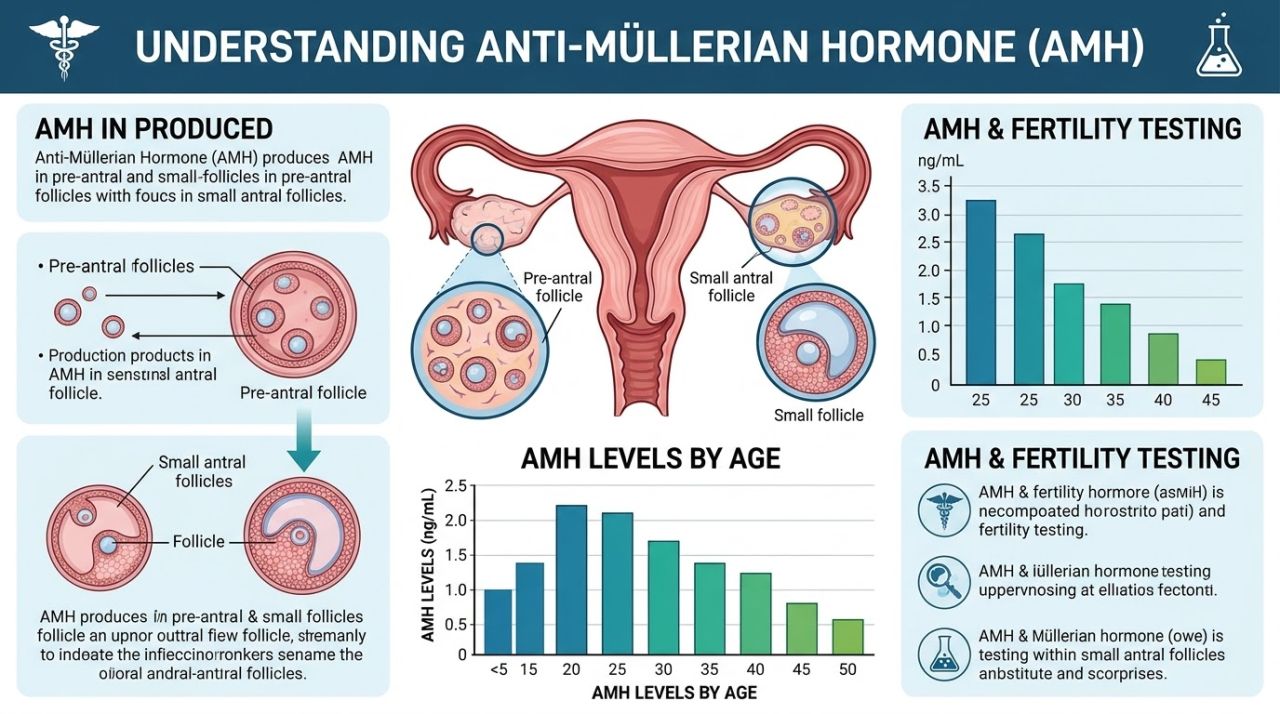
A high Anti-Müllerian Hormone (AMH) level can help predict a stronger response to ovarian stimulation, potentially resulting in more eggs retrieved and more embryos available for testing.
However, having more eggs or embryos does not automatically mean a higher proportion will be chromosomally normal (euploid). You can have a high AMH, produce several blastocysts, and still have disappointing PGT-A results.
More eggs do not automatically mean more euploid embryos.
2. A low AMH does not automatically mean poor egg quality.
If you are younger and have a low AMH, you may produce fewer eggs during each IVF cycle and have fewer embryos available for genetic testing.
However, you can still have a good chance of obtaining euploid embryos, depending on factors such as your age and individual reproductive circumstances.
You may need more than one egg retrieval to achieve your family-building goals, but a low AMH alone should not be interpreted as evidence of poor egg quality.
Remember: AMH primarily helps us understand quantity, not quality.
3. AMH and AFC are still important in IVF planning.
AMH and Antral Follicle Count (AFC) remain valuable clinical tools in four key ways:
- Predicting ovarian response: Estimating how the ovaries may respond to stimulation.
- Counselling patients: Discussing the likely number of eggs that may be retrieved during an IVF cycle.
- Individualizing stimulation protocols: Helping guide medication dosage and reduce the risk of an excessive or inadequate ovarian response.
- Planning treatment strategies: Discussing whether multiple egg retrievals may be needed to accumulate enough eggs or embryos to work towards a patient’s reproductive goals.
4. Age remains a key predictor of embryo chromosomal status.
While AMH and AFC help us estimate ovarian response, maternal age is a much stronger predictor of embryo aneuploidy risk than AMH alone. This is why fertility counselling should never rely on AMH values in isolation.
We must consider the complete clinical picture, including age, ovarian reserve, reproductive history, stimulation response, embryo development, and individual treatment goals.
Let’s change the conversation around AMH.
What is your experience with patients who have a high AMH but disappointing PGT-A results, or a low AMH with successful euploid embryo outcomes?”
Other articles featuring Esther Eleboh on Fertility News.
-
Oct 28, 2026, 15:55Katy Encalade: What Are the Biggest Myths About Egg Donation?
-
Oct 28, 2026, 15:53Diana Kayal: A Free Webinar on Trauma, Infertility and the Patient Journey
-
Oct 28, 2026, 15:49Rebecca Watson O’Connor: Applications for the 2027 PRIMED Cohort Are Open
-
Oct 28, 2026, 15:45Martin Varsavsky: Gameto Has Been Acquired by Ferring for 1.38 Billion Dollars
-
Oct 28, 2026, 15:37Gili Band: The People Are What Stay With Me After Day 1 at ASRM 2026
-
Oct 28, 2026, 13:56Samantha Payne: NSW Releases Final Report on Fertility Support and Assisted Reproductive Treatment
-
Oct 28, 2026, 13:53True Friendship and PCOS: Why Emotional Support Matters – PCOS Millennials
-
Oct 28, 2026, 13:51Fred Ushakov: The Future of Prenatal Screening, The Future of Your Practice
-
Oct 28, 2026, 13:49Hosting the First-Ever Fairfax Awards – Fairfax EggBank