
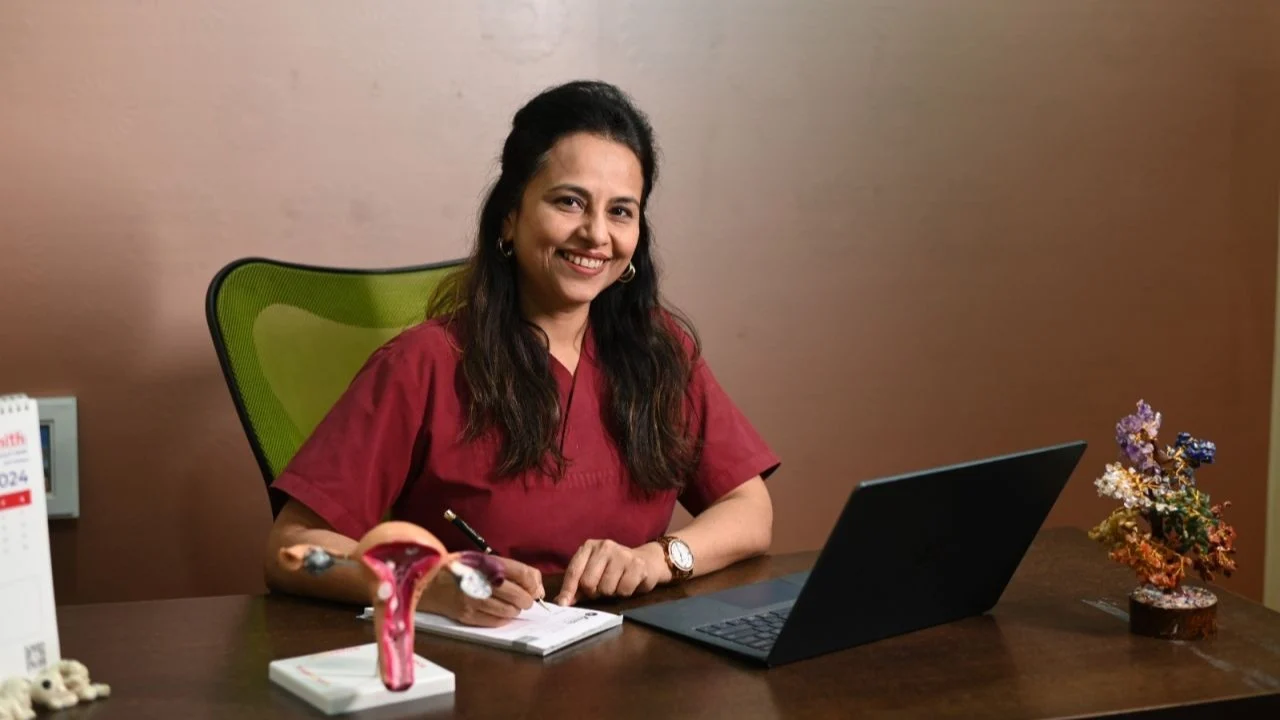
Mamta Vernekar Dighe: Natural FET vs. Programmed FET
Mamta Vernekar Dighe, Founder and Director at Xenith Advanced Fertility Centre, shared on LinkedIn:
”Natural FET vs Programmed FET: Does the Uterus Perform Better When We Let Biology Lead?
A study published in The BMJ this January gave us something IVF specialists rarely get – a large, well-powered answer to a question we’ve debated for years.
4,376 ovulatory women, aged 20–40, undergoing frozen single-blastocyst transfer. Randomised into two groups: one following a natural ovulation cycle, the other on a programmed hormone-replacement protocol.
The live birth rates? Nearly identical – around 42% in the natural group versus 41% in the programmed group. So on the headline number, neither approach ‘wins.’
But look a layer deeper, and the story gets more interesting.
Women in the natural cycle group had meaningfully lower rates of pre-eclampsia, early pregnancy loss, postpartum haemorrhage, and placental complications.
That’s not a small footnote – that’s the corpus luteum doing what it was designed to do. It doesn’t just support pregnancy; it appears to prepare the maternal system for one.
This is where I think our field needs a mindset shift. For years, we’ve measured IVF success almost entirely through one lens – did she get pregnant, did she deliver a live baby.
But a ‘successful’ cycle that comes with a higher maternal risk profile isn’t the full picture of success. Maternal safety deserves equal weight in how we define a good outcome.
That said, I won’t pretend programmed FET doesn’t have its place. For women with irregular cycles, for clinics juggling scheduling logistics, for patients who need predictability – it remains a valid, often necessary choice. This isn’t about declaring one protocol universally superior.
What this data really tells me is that we should stop treating FET protocol as a one-size-fits-all decision. If a woman is ovulating regularly and her cycle allows it, natural FET deserves to be the first conversation, not the alternative one.
Individualising care isn’t a buzzword. It’s what evidence like this is quietly asking us to do.
What’s your experience been – do you lean natural, programmed, or fully individualised in your protocol selection?”
Other articles featuring Mamta Vernekar Dighe on Fertility News.
-
Oct 8, 2026, 17:18Khalil Faaed: Vitrification Prevents Ice, but Does It Prevent Oocyte Damage?
-
Oct 8, 2026, 17:16Ritu Anand: Better Conversations Ultimately Lead to Better Care in Fertility
-
Oct 8, 2026, 17:14Mark Trolice: Excited to Speak at Women’s HealthX
-
Oct 8, 2026, 17:12Delighted to Welcome Dr. Róisín Mortimer – Waterstone Clinic-IVF and Fertility
-
Oct 8, 2026, 17:09Deirdre Zander-Fox: Pleased to Be an Invited Speaker at ESHRE Precision ART
-
Oct 8, 2026, 17:06Roohi Jeelani: Is Modern Life Actually Making It Harder to Get Pregnant?
-
Oct 8, 2026, 17:04Robert Borowczyk: We Judge the Newest IVF Consultation Group Too Quickly…
-
Oct 8, 2026, 17:01Carlos Guerrero: Great Couple of Days Visiting the Team at New Leaders in Fertility and Endocrinology
-
Oct 8, 2026, 17:00Sarah Banks: Improving Patient Experience Isn’t Always About Making Huge Changes…