
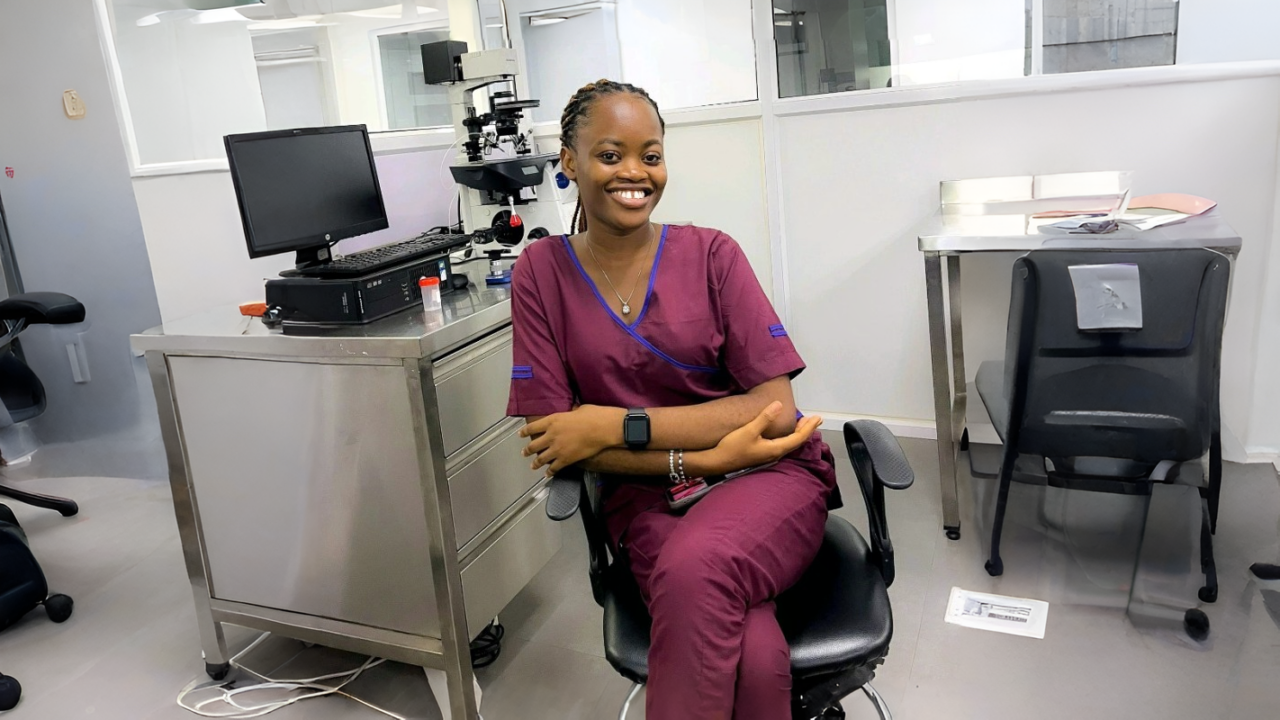
Precious Chukwuemeka: IVF Improves the Chances of Pregnancy, but It Doesn’t Guarantee a Baby
Precious Chukwuemeka, Trainee Embryologist at Harmony Clinic and Fertility Center, shared on LinkedIn:
“Not too long ago, I overheard a conversation that made me stop and listen.
Someone said,
‘Why are they worried? They’re doing IVF now. They’ll definitely have a baby.’
I understood where that confidence came from.
After all, IVF is one of the greatest achievements in reproductive medicine.
It has helped millions of families around the world welcome children they once thought they’d never have.
But that statement also reminded me of one of the biggest misconceptions about fertility treatment.
IVF improves the chances of pregnancy, but it doesn’t guarantee getting a positive pregnancy test result.
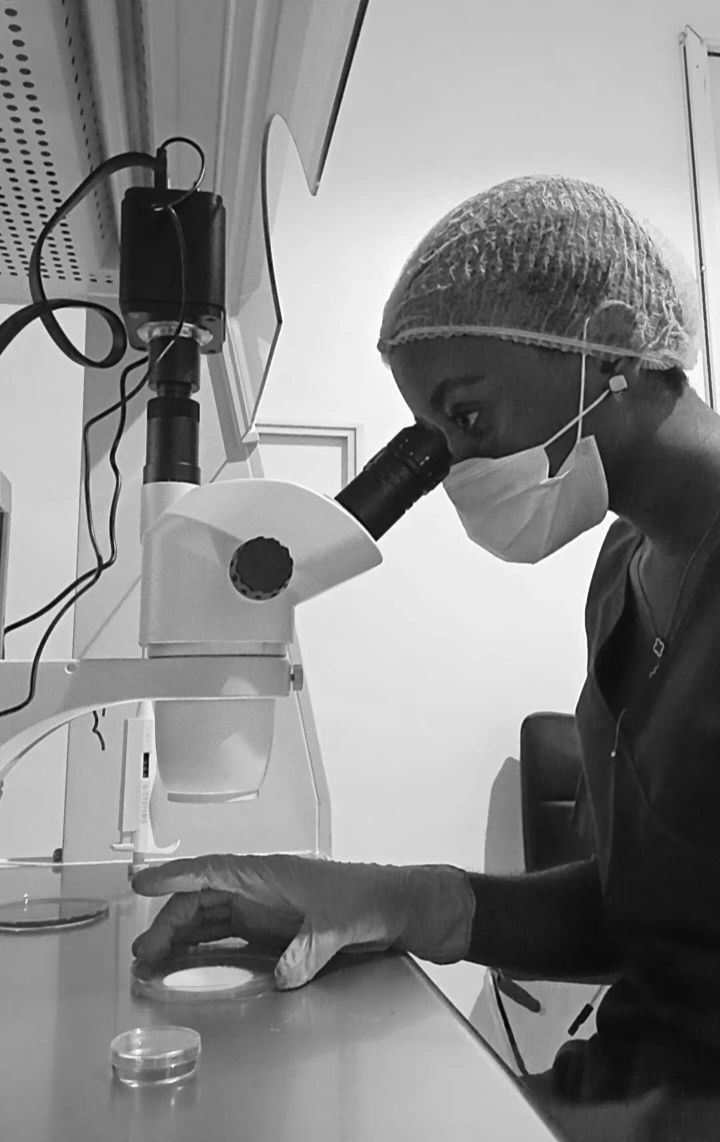
As an embryologist, I’ve come to appreciate just how much happens behind the scenes.
- An egg has to be mature.
- A sperm has to fertilize it successfully.
- The embryo has to continue developing.
- It has to be healthy enough to implant.
- The uterus has to be receptive.
- And even then, nature still has a say.
That’s why every positive pregnancy test after IVF represents the coming together of medicine, biology, and hope.
While we’re here, let’s clear up a few other myths I hear quite often:
- IVF always results in twins.
Not necessarily. Single embryo transfer has become increasingly common and is often recommended to reduce the risks associated with multiple pregnancies.
- Infertility is mostly a woman’s problem.
Infertility affects both men and women. In many couples, male-factor infertility contributes to the difficulty in conceiving, which is why evaluating both partners is so important.
- Once you start IVF, stress doesn’t matter anymore.
IVF can be emotionally demanding. While stress isn’t considered a direct cause of infertility, emotional support and mental wellbeing remain important throughout treatment.
- IVF babies are different from other babies.
Children conceived through IVF grow, laugh, learn, and thrive just like children conceived naturally. The method of conception doesn’t define who they become.
The more I learn about reproductive medicine, the more I realize that fertility is rarely black and white.
It’s a journey filled with science, uncertainty, resilience, and hope.
And perhaps that’s why every successful pregnancy feels so extraordinary.
Let’s discuss.
What’s one myth about IVF or infertility that you’ve heard people repeat over and over again?
I’d love to hear it, and maybe we’ll bust it together in a future post.”
Stay informed with the latest updates in fertility and reproductive medicine on Fertility News.
-
Oct 5, 2026, 18:07Laura Rienzi: Enjoyed Attending the First Standalone Gedeon Richter Meeting on Fertility
-
Oct 5, 2026, 18:05Ying Cheong: Delighted to Join the Institute of Obstetricians and Gynaecologists Webinar on RIF
-
Oct 5, 2026, 18:02Wendaline VanBuren: Bringing Patients and Experts Together to Explore Unanswered Questions About Women’s Health
-
Oct 5, 2026, 17:59Laura Rienzi: What Happens When You Bring Together the Best Minds in Reproductive Medicine?
-
Oct 5, 2026, 17:51Registration Is Open for the Procreation Symposium Naples 2026 by IVIRMA Italia
-
Oct 5, 2026, 17:42Margaret Cali: You’re Allowed to Rest Without Having Earned It First…
-
Oct 5, 2026, 17:39Chadi Yazbeck: Fibroids and Infertility – Do You Really Need Surgery?
-
Oct 5, 2026, 17:33Nina Brown: Until a Few Weeks Ago, I Didn’t Even Know Silent Endometriosis Existed…
-
Oct 5, 2026, 17:27Theofano Bounartzi: Professional Growth in Embryology Comes from Continuously Investing in Learning