

Kim Bruno: Why Sex-Specific Science Is Reshaping Neurology and Alzheimer’s Risk?
Kim Bruno, Associate Director Medical Science Liaison at Sera Prognostics, shared a post on LinkedIn:
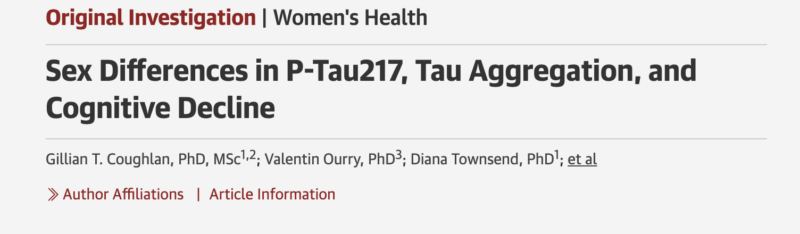
“A recent study in JAMA Neurology reinforces something medicine is only beginning to fully appreciate: sex-specific biology profoundly shapes disease risk, progression, and outcomes.
The research highlights how hormonal and reproductive factors influence neurological disease pathways, particularly those related to Alzheimer’s disease and neurodegeneration. For example, prior findings show that female sex, earlier menopause, and hormone therapy timing are associated with differences in tau deposition in the brain, a key pathological marker of Alzheimer’s disease.
This helps explain why women represent nearly two-thirds of Alzheimer’s disease cases worldwide, suggesting that hormonal transitions—especially menopause—may play a critical role in brain vulnerability later in life.
The implications are significant:
- Sex hormones influence brain biology—affecting inflammation, neuronal growth, and neurodegenerative processes across the lifespan.
- Reproductive history matters: factors like age at menopause and hormone therapy timing may modify neurological disease risk.
- Sex differences in disease biology are measurable, including differences in tau deposition and other neurodegenerative markers.
But perhaps the most important message is broader.
As you have all heard me say before, and I will continue to bring up – For decades, women were underrepresented in biomedical research, and even when included, results were rarely analyzed by sex. Studies show that fewer than 15% of clinical trials report sex-specific outcomes, despite known biological differences.
We are only now beginning to understand how deeply hormones, chromosomes, and sex-specific physiology influence disease across nearly every field of medicine—from neurology to immunology to cardiometabolic health.
This is why sex-specific research is fundamental to precision medicine.
If we want better diagnostics, more effective treatments, and truly equitable care, research must move beyond treating women as a subgroup analysis and instead design studies that start with sex differences in mind.
When we study women’s biology seriously, we don’t just improve women’s health, we improve medicine for everyone.
Stay updated on all scientific advances in the field of fertility with Fertility News.
-
Sep 13, 2026, 15:11Sachintha Alwis: From Impaired Sperm Motility to Microrobotics
-
Sep 13, 2026, 15:08Laurence Orbuch: Before Endometriosis Surgery, Ask…
-
Sep 13, 2026, 15:05Ademola Ayodele: IUI, IVF or Egg Freezing – Which One Is Right for You?
-
Sep 13, 2026, 14:59Fiona Pathiraja-Møller: Tennis Players No Longer Have to Choose Between Career and Family
-
Sep 13, 2026, 14:571-Day Virtual Experience for People Impacted by PMOS – PCOS Awareness Association
-
Sep 13, 2026, 14:53Ozor Victor: Behind Every Embryo Is a Story of Science, Precision, and Hope
-
Sep 13, 2026, 14:50Diana Kayal: What They Don’t Tell You About IVF
-
Sep 13, 2026, 14:44Vikram Sinai Talaulikar: A Heartfelt Thank You to All Who Donated and Supported “Menopause and Cancer”
-
Sep 13, 2026, 14:41Nicole McPherson: Changing IVF Practices Is Hard – Integration Needs to Be Easy