
Vinoad Bharrati: Men and Women Don’t Experience Hormones the Same Way…
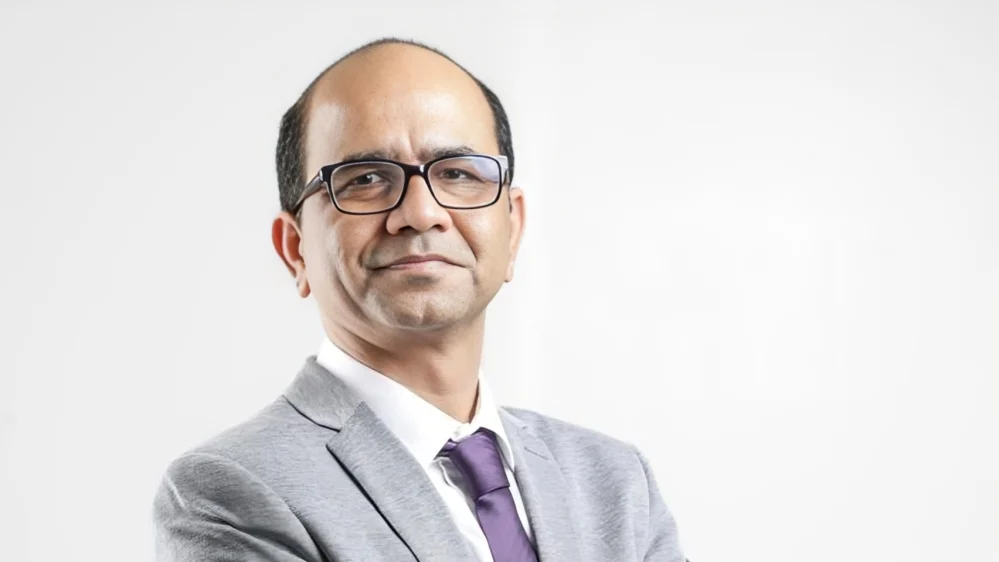
Vinoad Bharrati, Director, Gynaecologist and Infertility Specialist at Rising Medicare Hospital, Director and Co-Founder, Head of Clinical Research and Formulations at Cureado, shared on LinkedIn:
“Men and women don’t experience hormones the same way. And understanding that difference can help you make better health decisions.
One of the biggest misconceptions is that our hormones work on the same schedule.
They don’t.
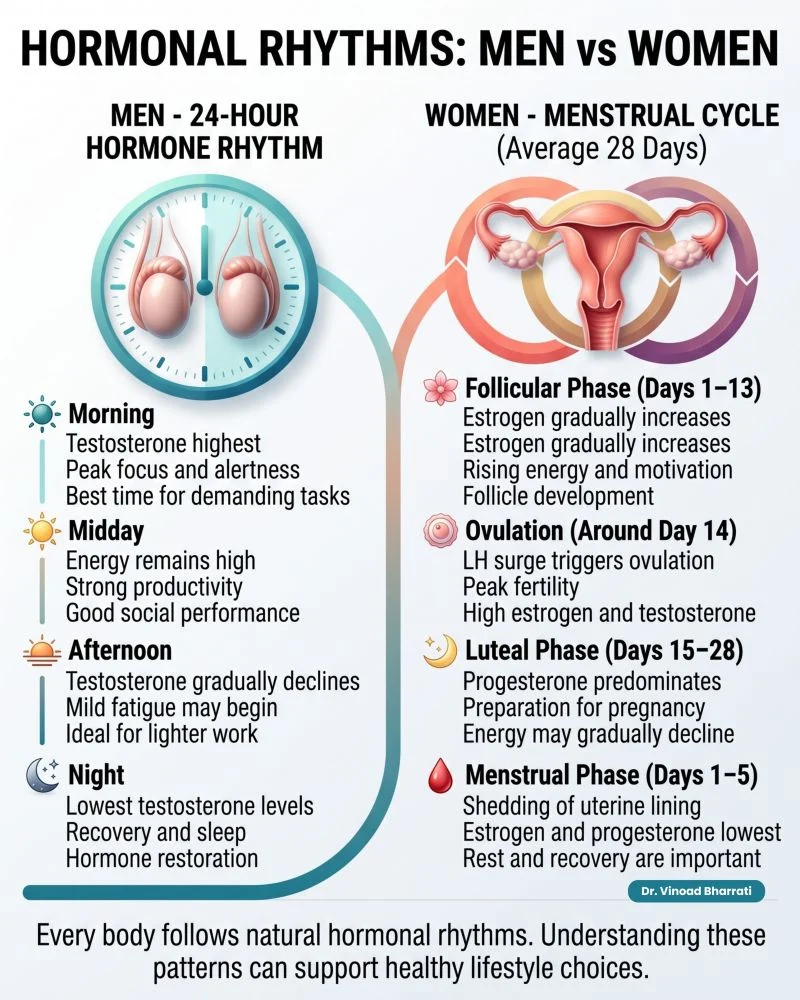
In men, testosterone follows a 24-hour rhythm. Levels are typically highest in the morning, gradually decline throughout the day, and recover during sleep.
In women, hormones follow a menstrual cycle, not a daily cycle.
Throughout the month, estrogen, progesterone, LH, and FSH rise and fall in a coordinated pattern that influences:
- Energy levels
- Mood and emotions
- Fertility and ovulation
- Sleep quality
- Exercise performance
- Appetite and metabolism
This is why many women notice changes in their physical and emotional well-being during different phases of their cycle. These changes are a normal part of reproductive physiology, not a sign that something is ‘wrong.’
Understanding your body’s natural hormonal rhythm can help you:
- Recognize normal changes versus symptoms that need medical attention
- Plan pregnancy more effectively
- Manage menstrual symptoms better
- Improve lifestyle choices related to sleep, nutrition, and exercise
Every individual is unique. Hormonal patterns can vary based on age, pregnancy, menopause, medical conditions, and certain medications.
If you’re experiencing irregular periods, severe PMS, difficulty conceiving, or symptoms that interfere with your daily life, don’t ignore them. A timely evaluation can identify underlying causes and guide appropriate treatment.
What surprised you most about the difference between male and female hormonal rhythms?”
Stay informed with the latest updates in fertility and reproductive medicine on Fertility News.
-
Sep 20, 2026, 09:49Tommaso Simoncini: Support Not Stigma – 8th World Gynecologic Oncology Day
-
Sep 19, 2026, 17:48Gaurav Gangwani: 40% of Infertile Men Have Varicocele, but Some Fertility Doctors Don’t Screen for It Routinely
-
Sep 19, 2026, 17:45Steven Leist: No One Should Have to Navigate the Path to Parenthood Alone
-
Sep 19, 2026, 17:43Gautam Allahbadia: An Embryo’s Journey Doesn’t Always Follow a Perfectly Predictable Path
-
Sep 19, 2026, 17:41Aumatma Simmons: Fertility Progress Isn’t Always All-or-Nothing
-
Sep 19, 2026, 17:37Emre Seli: Useful Information for Counseling Patients After an IVF Cycle with Complete Embryo Developmental Arrest
-
Sep 19, 2026, 17:34Lucas Almoño: When a Team Is Built with Outstanding People, the Impact Is Even Greater
-
Sep 19, 2026, 17:31MEFS 2026 Is Where Knowledge Moves Forward
-
Sep 19, 2026, 17:30Baroness Geeta Nargund: Speaking About the Urgent Need for Fertility Education in the UK House of Lords