

Vikram Sinai Talaulikar: A New Era in Understanding and Managing Polycystic Ovary Syndrome!
Vikram Sinai Talaulikar, Associate Specialist in Reproductive Medicine at UCLH and Hon, shared a post on LinkedIn:
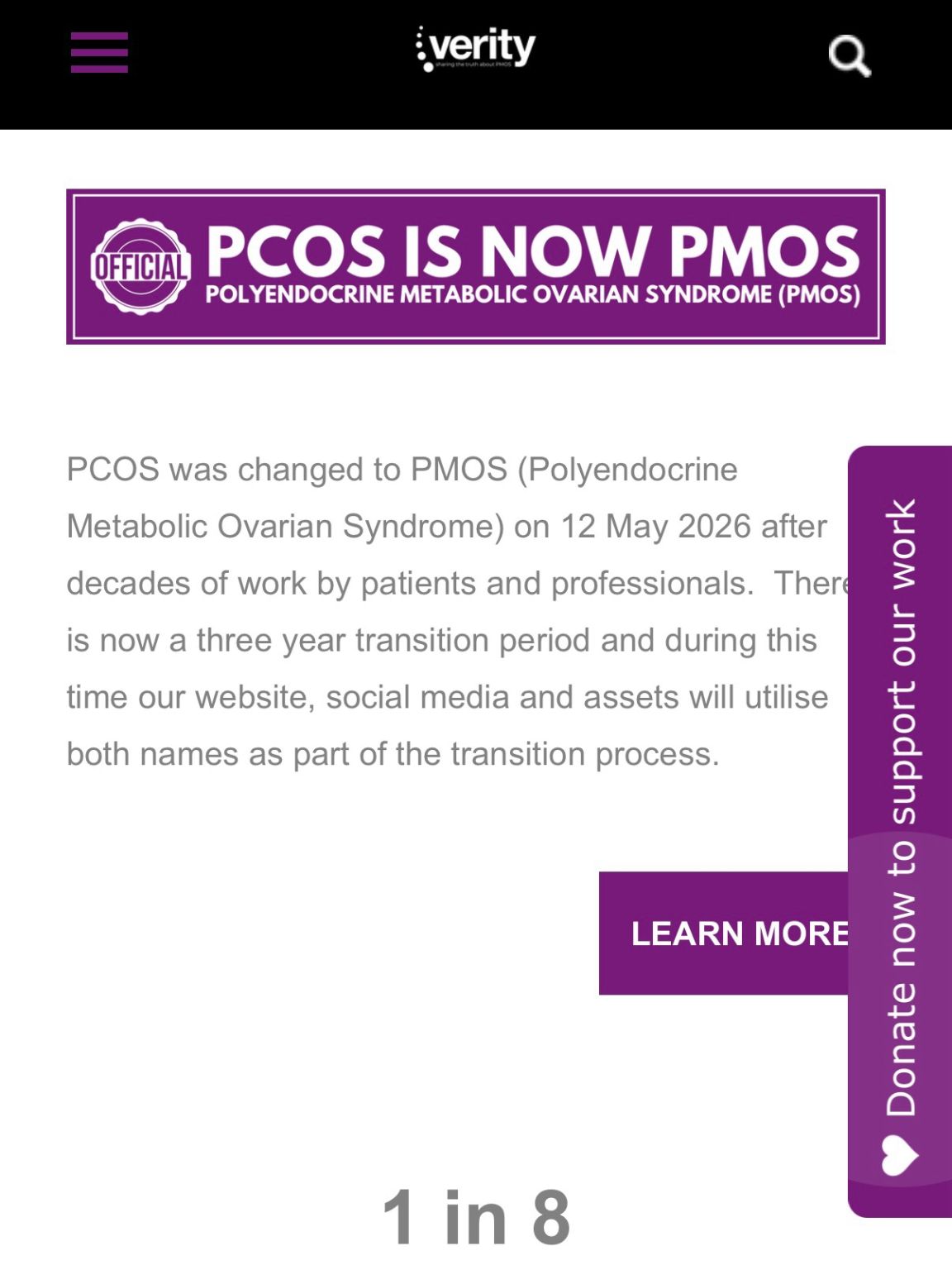
“PMOS – Polyendocrine Metabolic Ovarian Syndrome
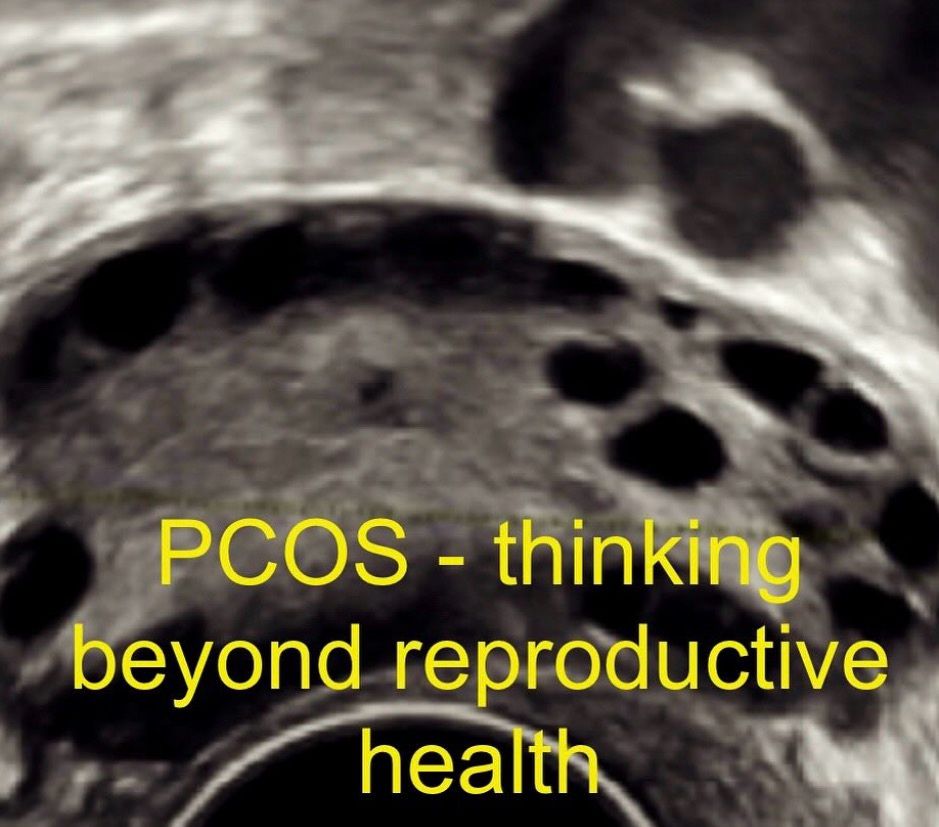
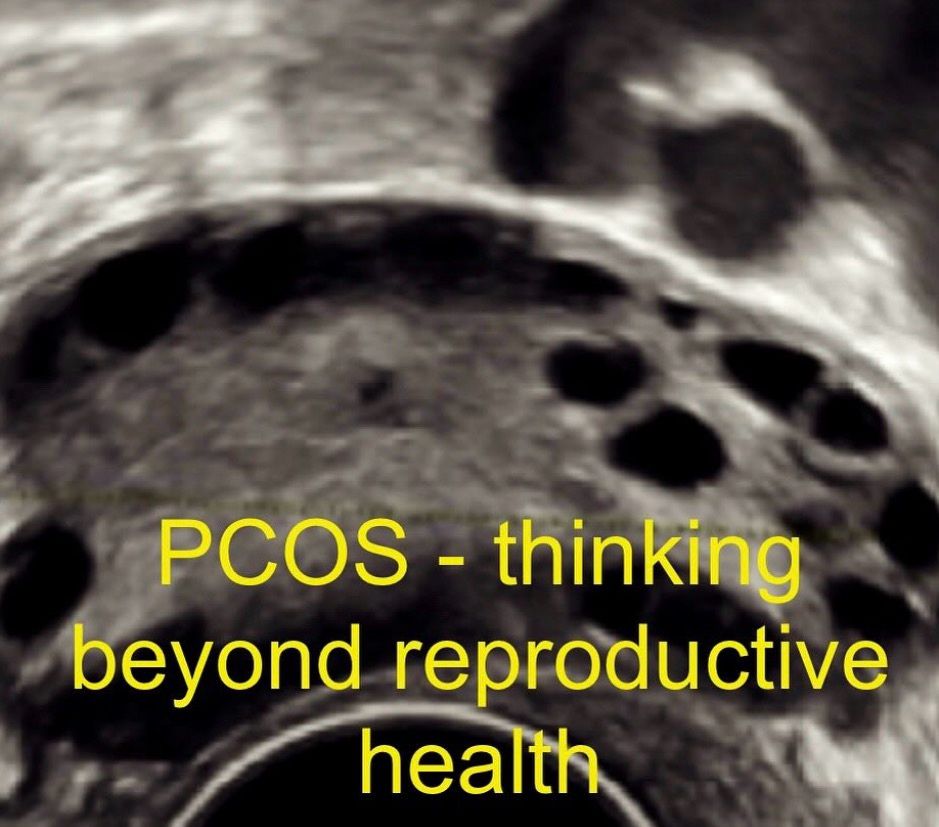
The recent name change from PCOS to PMOS has received considerable media and healthcare professional’s attention. There have been calls for such a change in name for a while because the term polycystic ovary implies the presence of pathological ovarian cysts, which are not a feature of the condition. The misnomer has contributed to misunderstandings among patients, clinicians, policy makers, and the public.
We know that PMOS encompasses diverse endocrine, metabolic, reproductive, psychological, and dermatological features and it is important to capture the disorder’s multisystem nature from puberty to menopause.
Reliable scientific evidence suggests that PMOS can be associated with –
Hyperandrogenism – hirsutism, acne, alopecia
Metabolic problems – insulin resistance, weight gain/obesity, impaired glucose tolerance, gestational diabetes, metabolic dysfunction-associated steatotic liver disease, type 2 diabetes, dyslipidaemia, hypertension, vascular dysfunction, cardiovascular disease and sleep apnoea
Reproductive issues – ovulatory dysfunction, menstrual irregularity, subfertility, increased risk of endometrial cancer and pregnancy complications including gestational diabetes
Psychological impact – depression, anxiety, poor quality of life and eating disorders
Dermatological – acne, alopecia, and hirsutism
Not everyone is affected in the same way and one size fits all management does not work. Every individual journey is unique.
It is encouraging to see that the new NICE draft guidance is recommending annual checks for PMOS. If these are implemented with the right training and resources to back them up – these will be a golden opportunity to take timely action to prevent many of the health problems due to PMOS.
Transition to the new name will occur over the next few years and the key aspects will be creating greater awareness, enhanced diagnosis, improved care quality and patient satisfaction. Health education for public and healthcare professionals will be key! We will all have to work together for this and we owe it to our patients.
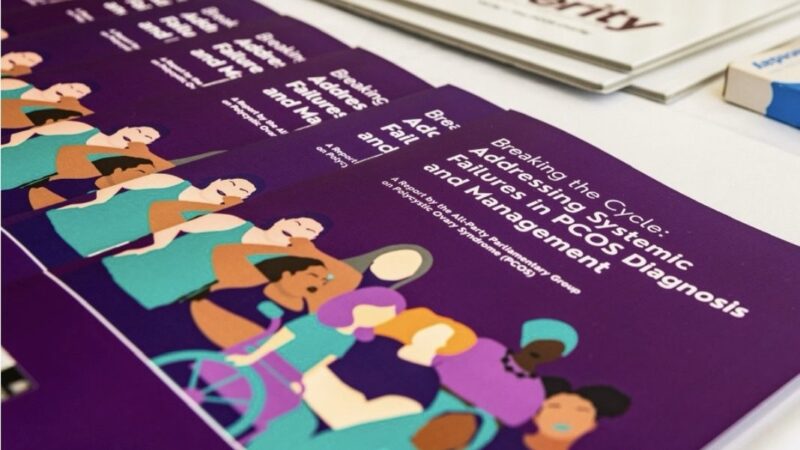
A special mention to Verity (PMOS UK) charity in the UK who have fought hard for greater awareness of PMOS and provision of information and support to public and health professionals over the past few decades.”
Stay updated on all scientific advances in the field of fertility with Fertility News.
-
Oct 22, 2026, 15:22Beth Zoneraich: Pinnacle Fertility Team Is Heading to the ASRM 2026
-
Oct 22, 2026, 15:18Kim Schamroth: Honored to Be Representing EraBorn and EDN at ASRM 2026
-
Oct 22, 2026, 15:13Becca DiCondina Has Been Appointed Clinical Science Specialist at CooperSurgical
-
Oct 22, 2026, 15:11Devyanshi Dixit: Can a Pap Smear Help You Get Pregnant?
-
Oct 22, 2026, 15:08Registration for RISE 2027 Is Open – ASRM
-
Oct 22, 2026, 15:04New RBMO Study Suggests Ethnic and Genetic Differences May Influence Ovarian Stimulation Response
-
Oct 21, 2026, 17:57Ula Sankowska: What I’ll Bring to ASRM INNOVATE in Baltimore
-
Oct 21, 2026, 17:40Robert Borowczyk: The Invisible Waiting Room
-
Oct 21, 2026, 17:35Fereshteh Safian: Behind the Scenes of Reproductive Medicine