
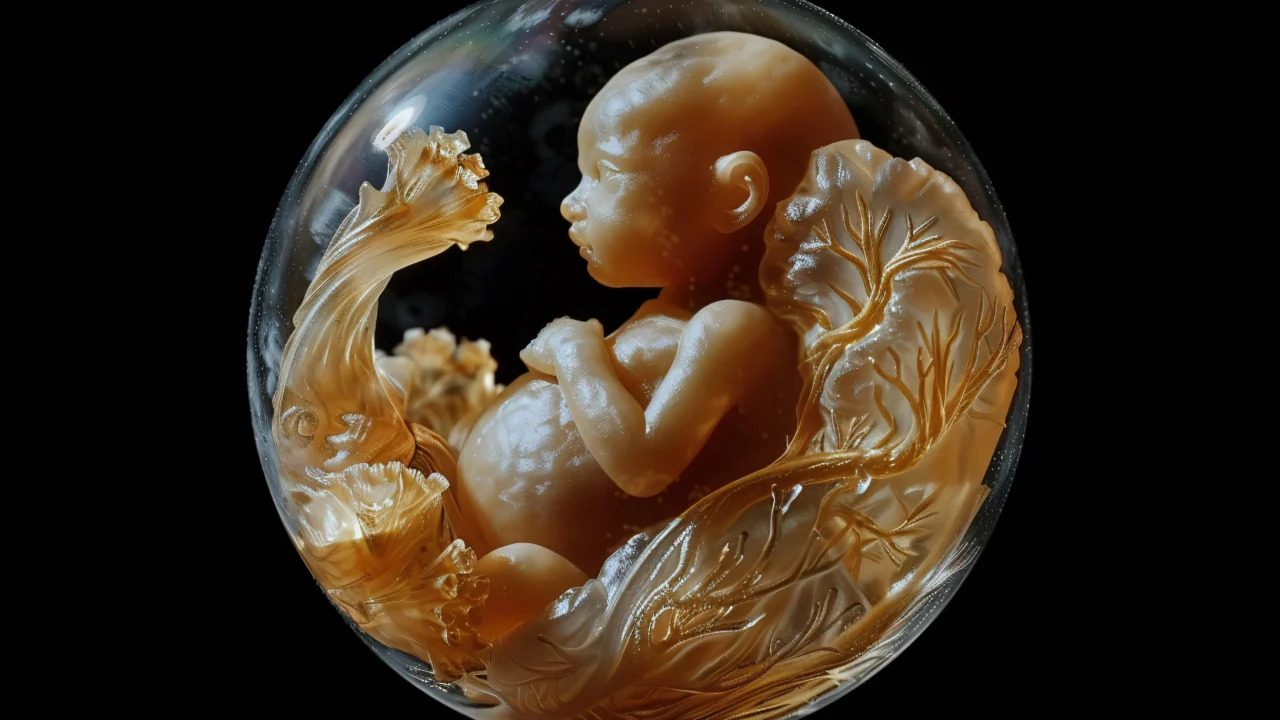
Key Discoveries in Embryo Implantation Mechanisms Unveiled – ICMR NIRRCH
ICMR – National Institute for Research in Reproductive and Child Health (NIRRCH) shared a post on LinkedIn about a paper by Nancy Ashary et al. published in Nature:
“Implantation of the embryo in to the mother’s uterus is key to initiate pregnancy and IVF success.
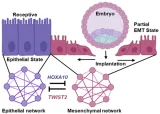
Our scientists determined the mechanism of this process. They discovered that two genes (HOXA1O and TWIST2) work in oposition to control the process called as EMT in the uterus at the site where the embryo attaches. Inhibiting EMT leads to implantation and pregnancy failure.
This study was published in the international journal Cell Death Discovery
It was a collaboration with IISc Banglore and and BHU Varanasi.
Read full text here.”
Title: HOXA10-TWIST2 antagonism drives partial epithelial-to-mesenchymal transition for embryo implantation
Authors: Nancy Ashary, Sanjana Suresh, Anshul Bhide, Sharmishtha Shyamal, Pranya N, Saee Patil, Anuradha Mishra, Anuradha A, Shruti R. Hansda, Harshavardhan BV, Mohit Kumar Jolly, Deepak Modi

Stay updated on all scientific advances in the field of fertility with Fertility News.
-
Sep 18, 2026, 20:27Hrishikesh Pai: Rethinking Male Infertility
-
Sep 18, 2026, 20:25Eric Verdin: Wrapping Up the Reproductive Aging Summit at the Center for Healthy Aging in Women
-
Sep 18, 2026, 20:21Investigating Pregnancy Outcomes in Women with Idiopathic POI – RBMO
-
Sep 18, 2026, 20:18Sue Ritchie: Why Aren’t We Talking About Male Fertility More?
-
Sep 18, 2026, 20:13Salma Yasin: Every Day of BFS Study Week 2026 Has Been an Exceptional Learning Experience
-
Sep 18, 2026, 20:01Qingcai Wang: Over 35 and Torn Between Trying Longer and Starting IVF?
-
Sep 18, 2026, 19:58Bhumika: Can a Woman Become Pregnant Again While Already Pregnant?
-
Sep 18, 2026, 19:5215 More Experts Join the International Fertility Forum Mumbai 2026
-
Sep 18, 2026, 19:50Curious About What Happens Behind the Scenes in the Labs? – Sims IVF