

Hemant Suryawanshi: From Invisible Sperm to Life with the First AI Assisted Clinical Pregnancy
Hemant Suryawanshi, Assistant Professor of Reproductive Sciences at Columbia University Irving Medical Center, shared a post on LinkedIn about a paper published in The Lancet:
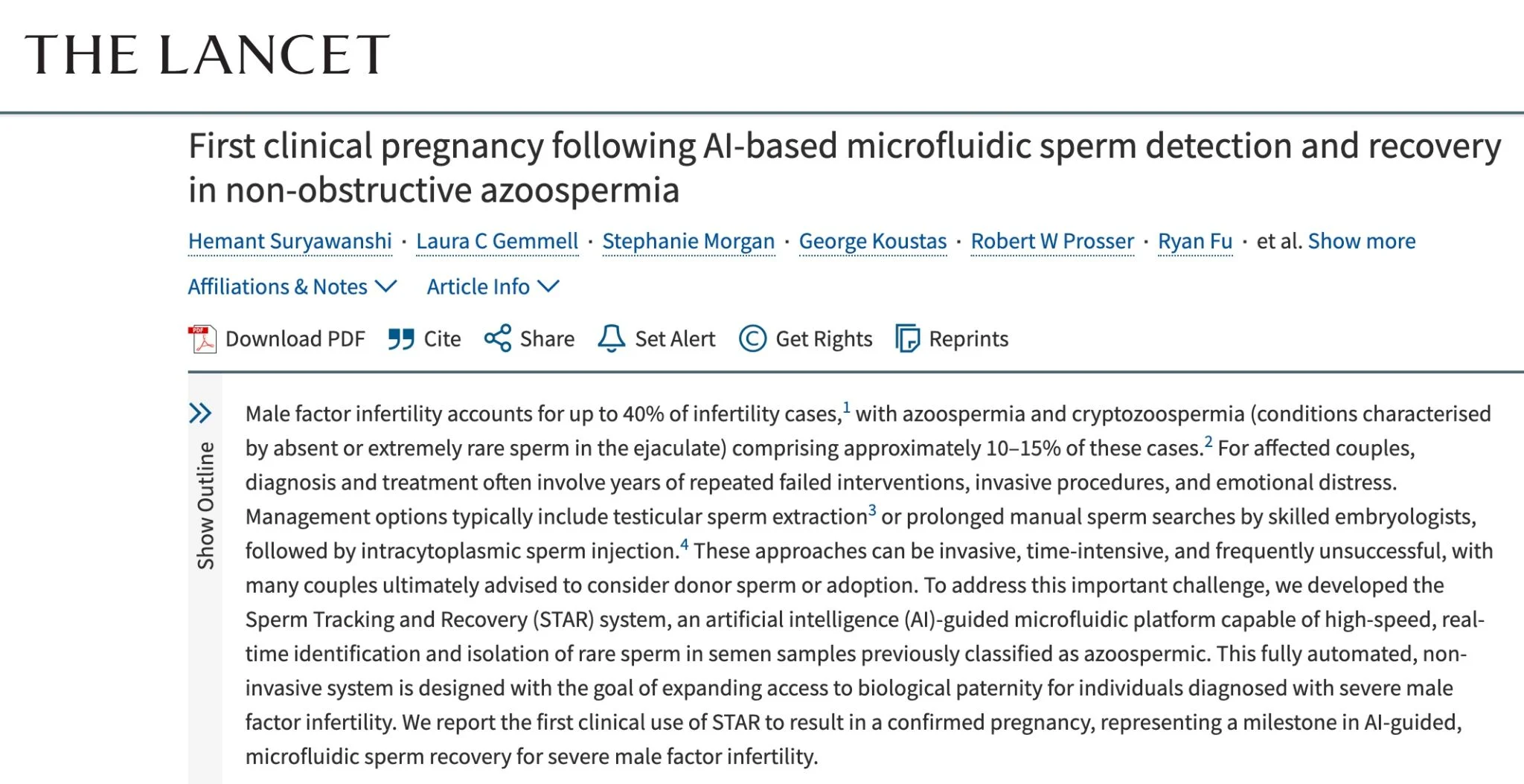
“From ‘invisible’ sperm to the first AI-assisted clinical pregnancy – our work is now published in The Lancet.
Our study reports the first human pregnancy achieved using an AI-assisted sperm detection and recovery system.
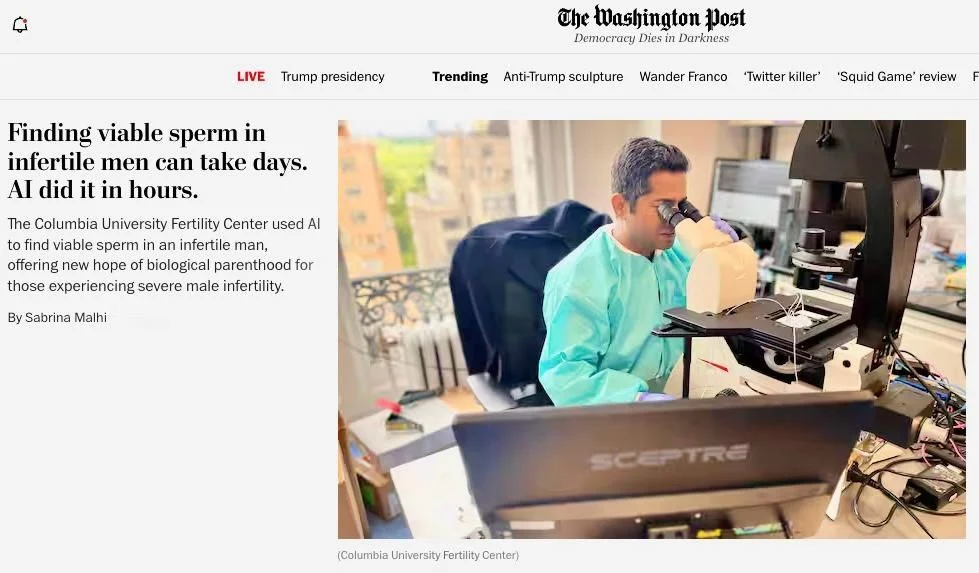
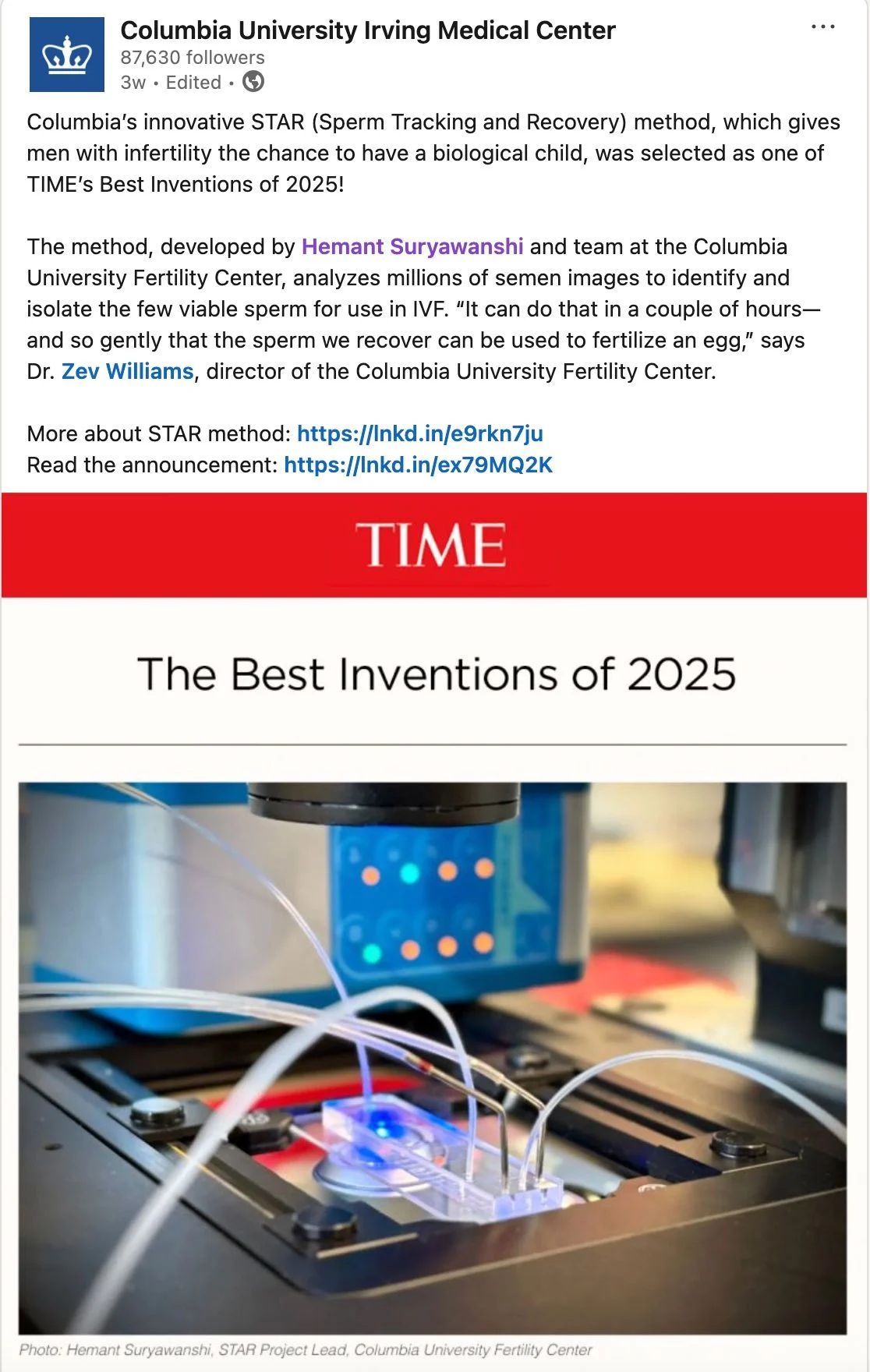
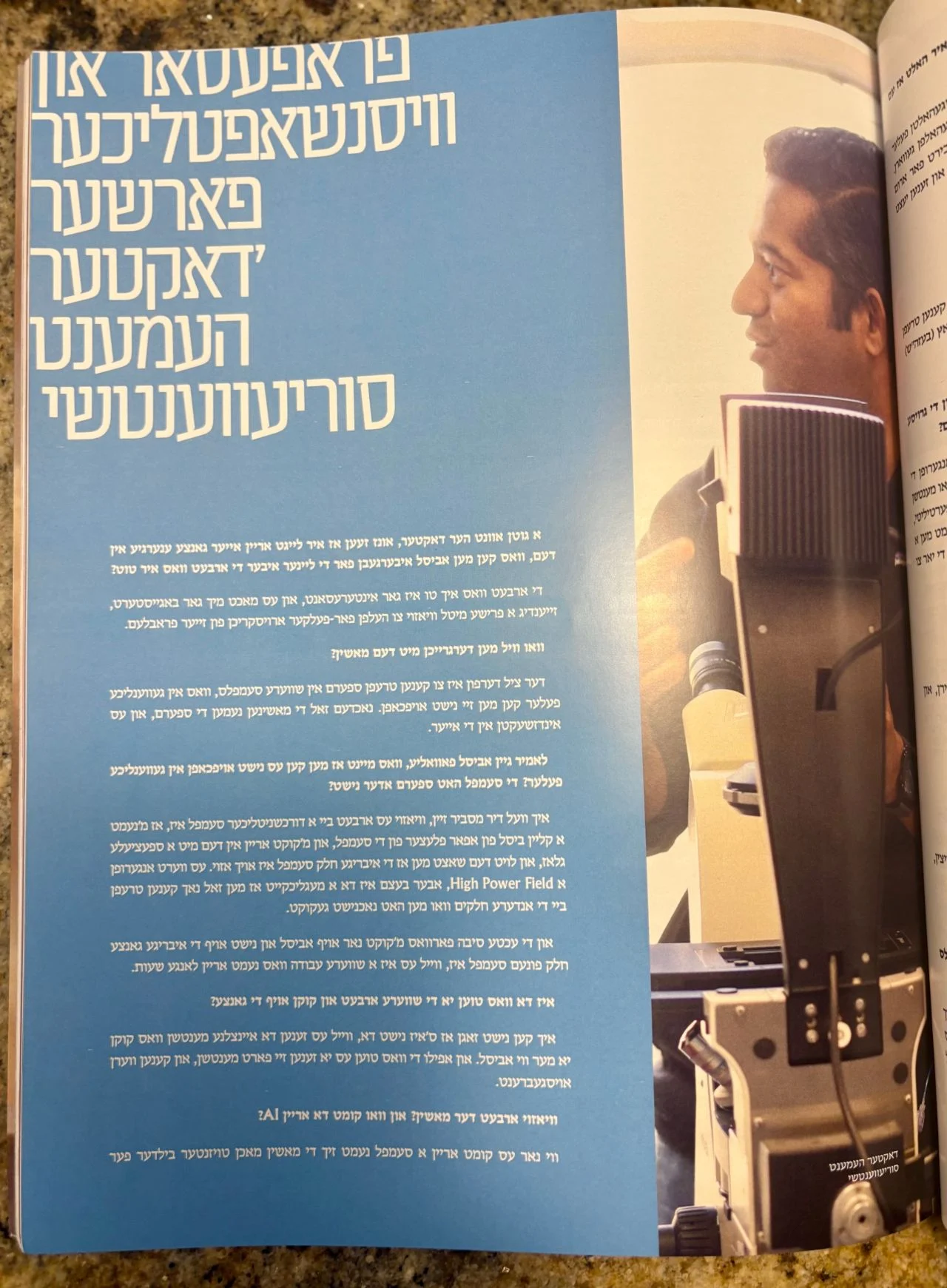
This work has drawn recognition from Time Magazine’s Best Inventions of 2025, BBC, The Washington Post, and regional media, reflecting how new technology can directly change lives.
The STAR (Sperm Tracking and Recovery) system combines artificial intelligence, high-speed imaging, and microfluidics to identify and recover rare viable sperm even when none are visible by conventional methods. Its goal is simple: to give more couples facing severe male-factor infertility the chance to build a family.
In one landmark case, a couple with 19 years of infertility and no prior successful pregnancy used the STAR system for sperm detection and recovery. The platform identified and recovered five viable sperm, two of which fertilized eggs to produce embryos, resulting in an ongoing healthy pregnancy due this December.
This progress became possible only through close collaboration between the RandD, andrology, embryology, and clinical teams at Columbia University Fertility Center and Columbia University Irving Medical Center.
It represents how an idea can move from concept to bench-top prototype to clinical reality, bridging innovation and patient care.
The STAR system is now in active clinical use at Columbia University Fertility Center, with patients traveling from around the world to access this technology – a reminder that every advancement in the lab matters most when it reaches those who need it.”
Title: First clinical pregnancy following AI-based microfluidic sperm detection and recovery in non-obstructive azoospermia
Authors: Hemant Suryawanshi, Laura C Gemmell, Stephanie Morgan, George Koustas, Robert W Prosser, Ryan Fu
Read the full article.
Read Columbia University Irving Medical Center’s post about the article.
Stay updated on all scientific advances in the field of fertility with Fertility News.

-
Sep 18, 2026, 20:27Hrishikesh Pai: Rethinking Male Infertility
-
Sep 18, 2026, 20:25Eric Verdin: Wrapping Up the Reproductive Aging Summit at the Center for Healthy Aging in Women
-
Sep 18, 2026, 20:21Investigating Pregnancy Outcomes in Women with Idiopathic POI – RBMO
-
Sep 18, 2026, 20:18Sue Ritchie: Why Aren’t We Talking About Male Fertility More?
-
Sep 18, 2026, 20:13Salma Yasin: Every Day of BFS Study Week 2026 Has Been an Exceptional Learning Experience
-
Sep 18, 2026, 20:01Qingcai Wang: Over 35 and Torn Between Trying Longer and Starting IVF?
-
Sep 18, 2026, 19:58Bhumika: Can a Woman Become Pregnant Again While Already Pregnant?
-
Sep 18, 2026, 19:5215 More Experts Join the International Fertility Forum Mumbai 2026
-
Sep 18, 2026, 19:50Curious About What Happens Behind the Scenes in the Labs? – Sims IVF