
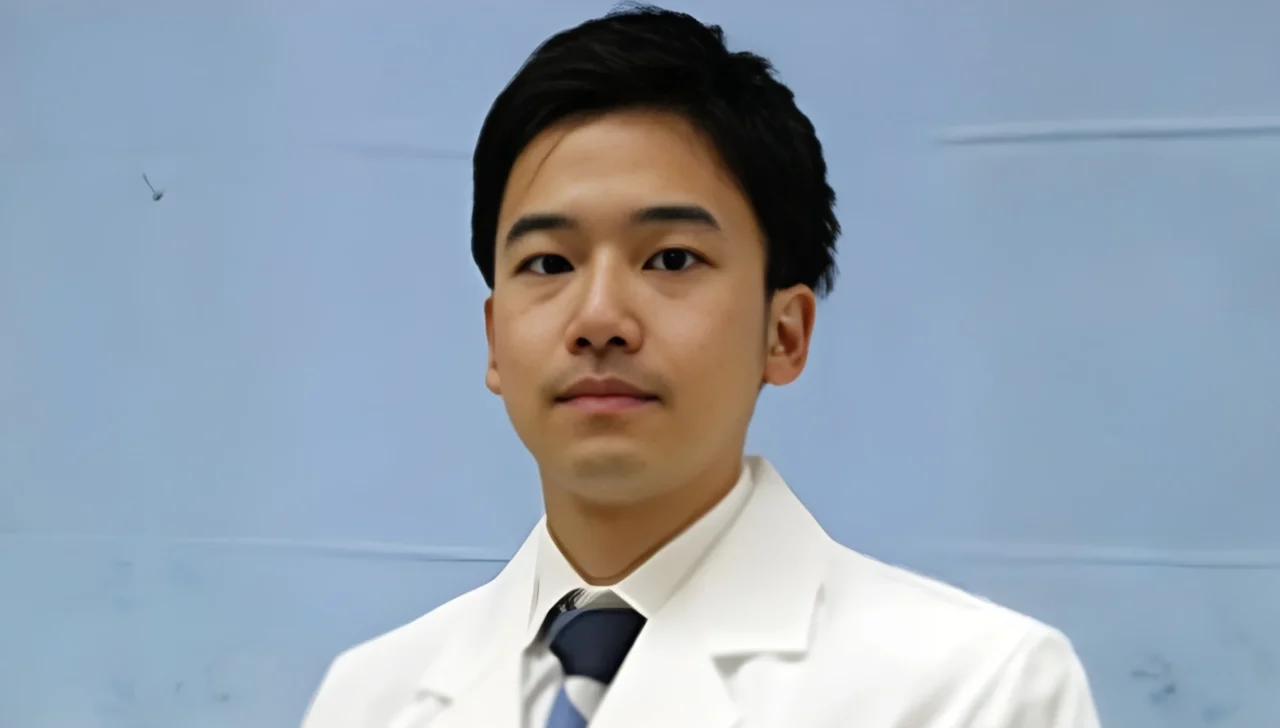
Hiroki Ozawa: New Guideline Updates on Pregnancy in Rheumatic Diseases
Hiroki Ozawa, Medical Doctor at St. Luke’s International Hospital, shared a post on LinkedIn:
“JCR 2026 Conference Report — Part 3 (Final): Pregnancy in RMD
Day 3 at JCR 2026 in Fukuoka brought an outstanding session on pregnancy complicated by rheumatic diseases. Here are the highlights.
Pregnancy in Rheumatic Diseases – Guideline Updates
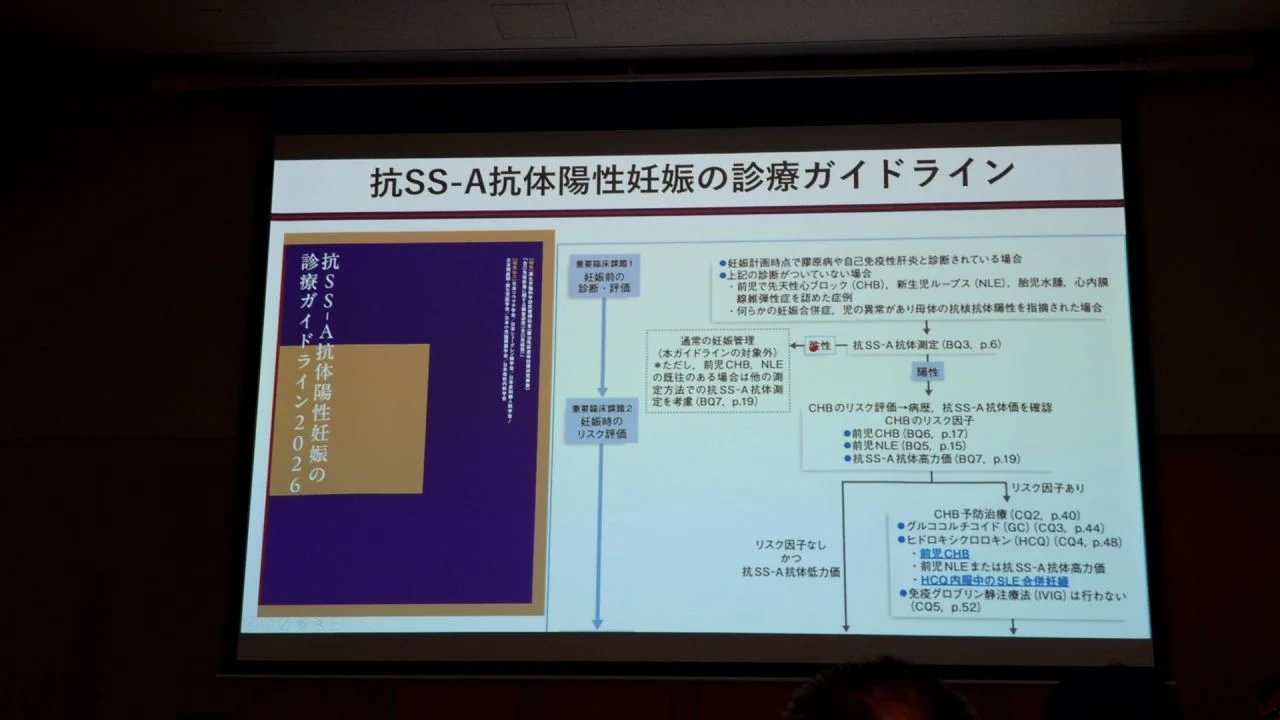
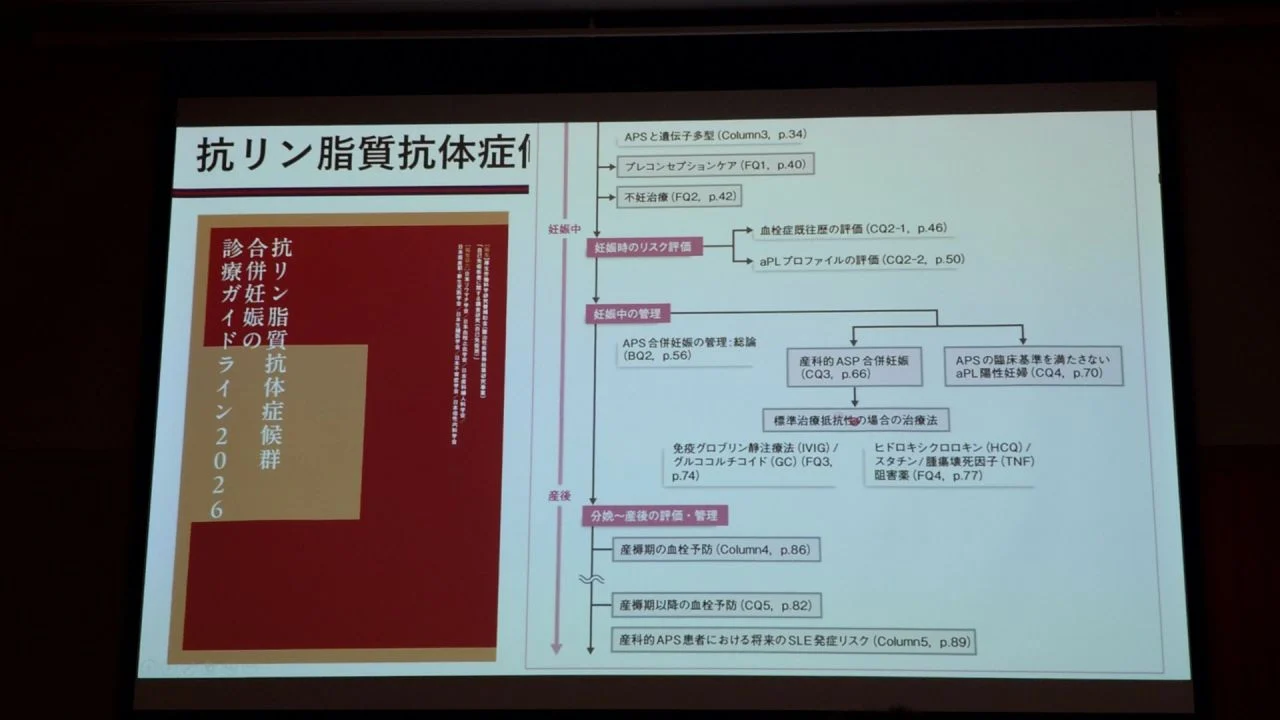
This year saw the simultaneous revision of two Japanese clinical practice guidelines: one for anti-SS-A antibody-positive pregnancies and one for pregnancies complicated by antiphospholipid syndrome (APS). Naturally, the session was packed.
The session was chaired by Dr. Yokokawa, who has been doing critically important work – leading an investigator-initiated clinical trial on the use of hydroxychloroquine (HCQ) for the prevention of recurrent congenital heart block (CHB) in anti-SS-A antibody-positive pregnancies with a history of CHB in a prior child, and advocating for the expansion of HCQ’s approved indications to cover this use. CHB, though rare (approximately 1% of anti-SS-A-positive pregnancies), is irreversible and can be life-threatening, making prevention a top priority.
My colleagues Prof. Kishimoto, Dr. Kitada, and Dr. Nakai were also involved in the development of these guidelines – congratulations to them on this tremendous effort!
The anti-SS-A antibody-positive pregnancy guideline is structured around clinical questions (CQs) that follow the actual workflow of clinical care – from preconception assessment through postpartum follow-up of mother and child. This makes it highly practical and applicable at the bedside, bridging rheumatology, obstetrics, and pediatrics.
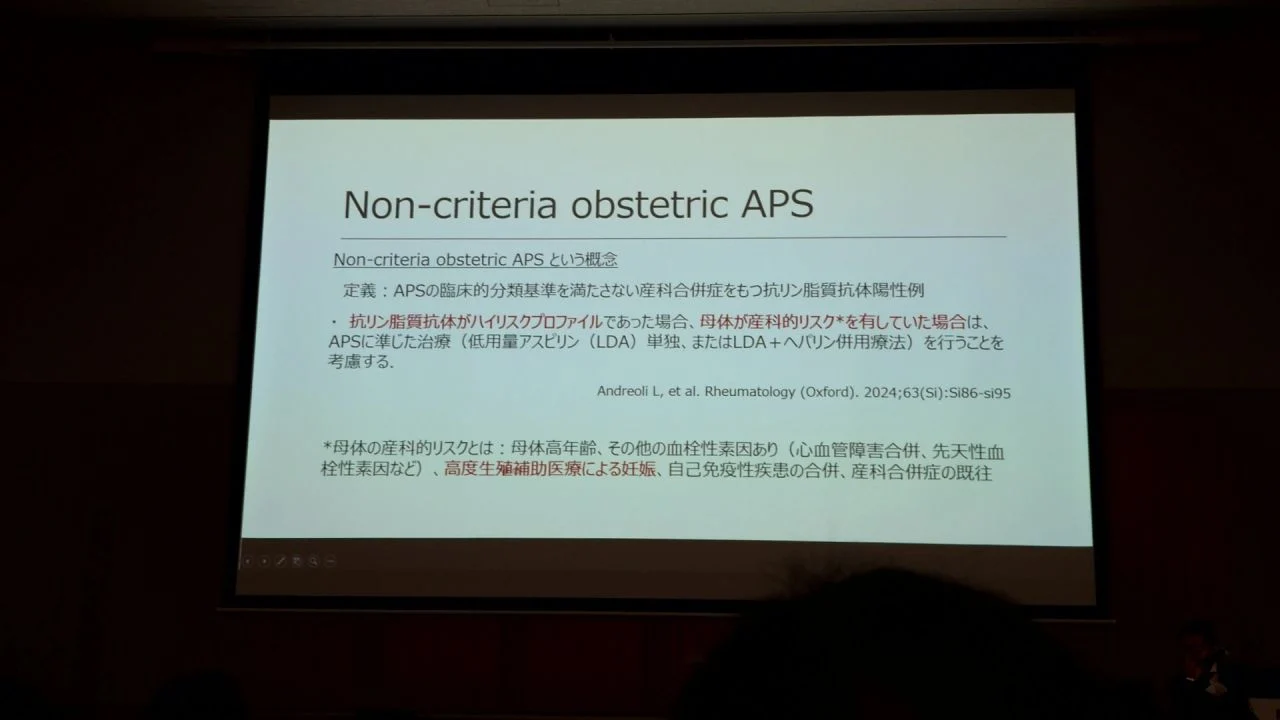
The APS pregnancy guideline is equally noteworthy for its inclusion of guidance on non-criteria APS – patients who are aPL-positive with pregnancy complications but do not fully meet formal classification criteria. This ensures that women who need treatment are not overlooked, reflecting a patient-centered approach to guideline development.
I look forward to the formal publication of both guidelines and to receiving feedback from colleagues around the world.”
Stay updated on all scientific advances in the field of fertility with Fertility News.
-
Sep 13, 2026, 15:11Sachintha Alwis: From Impaired Sperm Motility to Microrobotics
-
Sep 13, 2026, 15:08Laurence Orbuch: Before Endometriosis Surgery, Ask…
-
Sep 13, 2026, 15:05Ademola Ayodele: IUI, IVF or Egg Freezing – Which One Is Right for You?
-
Sep 13, 2026, 14:59Fiona Pathiraja-Møller: Tennis Players No Longer Have to Choose Between Career and Family
-
Sep 13, 2026, 14:571-Day Virtual Experience for People Impacted by PMOS – PCOS Awareness Association
-
Sep 13, 2026, 14:53Ozor Victor: Behind Every Embryo Is a Story of Science, Precision, and Hope
-
Sep 13, 2026, 14:50Diana Kayal: What They Don’t Tell You About IVF
-
Sep 13, 2026, 14:44Vikram Sinai Talaulikar: A Heartfelt Thank You to All Who Donated and Supported “Menopause and Cancer”
-
Sep 13, 2026, 14:41Nicole McPherson: Changing IVF Practices Is Hard – Integration Needs to Be Easy