
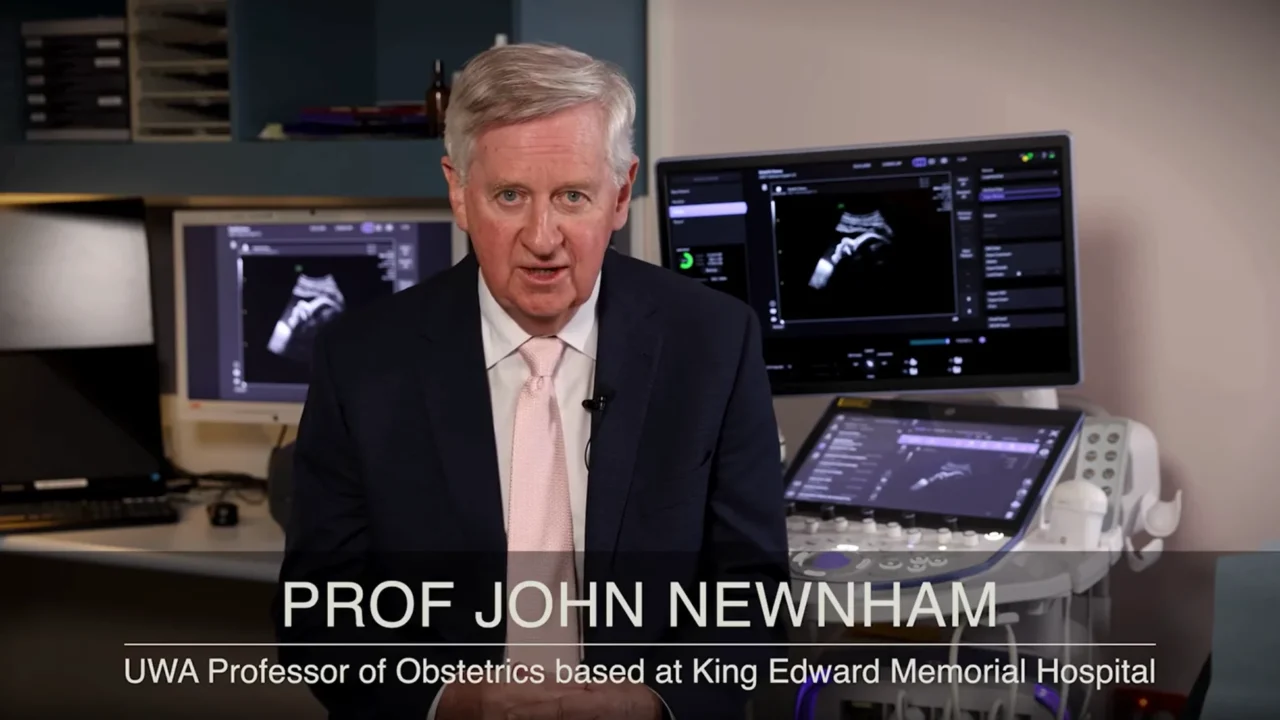
Australia’s National Initiative Cuts Preterm and Early-Term Births by 7–10% – Every Week Counts
Every Week Counts Australian Preterm Birth and Early Term Birth Prevention Program shared a post on LinkedIn:
“New data has shown that Australia’s world-first initiative to reduce preterm and early term births is working — with fewer babies being born too soon and better outcomes for mothers and families across the country.
Published in The Lancet Obstetrics, Gynaecology, and Women’s Health, the study reports on the results of a six-year national preterm birth prevention program launched in mid-2018.
Findings have shown that:
- From 2018-2021, through activities of the Australian Preterm Birth Prevention Alliance, rates of preterm birth (birth before 37 weeks) were reduced by approximately 8%. Preterm birth is the leading cause of death and disability in children under the age of 5 worldwide.
- From 2021-2024, through the expansion of the Every Week Counts National Preterm Birth Prevention Program, a approximate 10% reduction in the early term ages was achieved (37-39 weeks – a period strongly associated with increased risks of learning and behavioural problems).
Overall, the study has shown that by applying current evidence-based strategies, we have reduced the rate harmful early births by around 7-10%.
This translates to approximately 4,000 fewer early births every year across Australia since the program’s launch – giving thousands more babies across Australia the healthiest possible start to life.
‘Reducing rates of preterm and early term singleton births safely in Australia: results of the national prevention program’, manuscript reference number: thelancetobgynwh-D-25-00481R2, can be viewed online at The Lancet Obstetrics, Gynaecology, and Women’s Health here.
For more information about the national Every Week Counts program visit.”
Proceed to the video attached to the post.
Stay updated on all scientific advances in the field of fertility with Fertility News.
-
Sep 18, 2026, 20:27Hrishikesh Pai: Rethinking Male Infertility
-
Sep 18, 2026, 20:25Eric Verdin: Wrapping Up the Reproductive Aging Summit at the Center for Healthy Aging in Women
-
Sep 18, 2026, 20:21Investigating Pregnancy Outcomes in Women with Idiopathic POI – RBMO
-
Sep 18, 2026, 20:18Sue Ritchie: Why Aren’t We Talking About Male Fertility More?
-
Sep 18, 2026, 20:13Salma Yasin: Every Day of BFS Study Week 2026 Has Been an Exceptional Learning Experience
-
Sep 18, 2026, 20:01Qingcai Wang: Over 35 and Torn Between Trying Longer and Starting IVF?
-
Sep 18, 2026, 19:58Bhumika: Can a Woman Become Pregnant Again While Already Pregnant?
-
Sep 18, 2026, 19:5215 More Experts Join the International Fertility Forum Mumbai 2026
-
Sep 18, 2026, 19:50Curious About What Happens Behind the Scenes in the Labs? – Sims IVF