
Endometrial Microbiome and Miscarriage – Fertility Plus
Fertility Plus shared a post on LinkedIn:
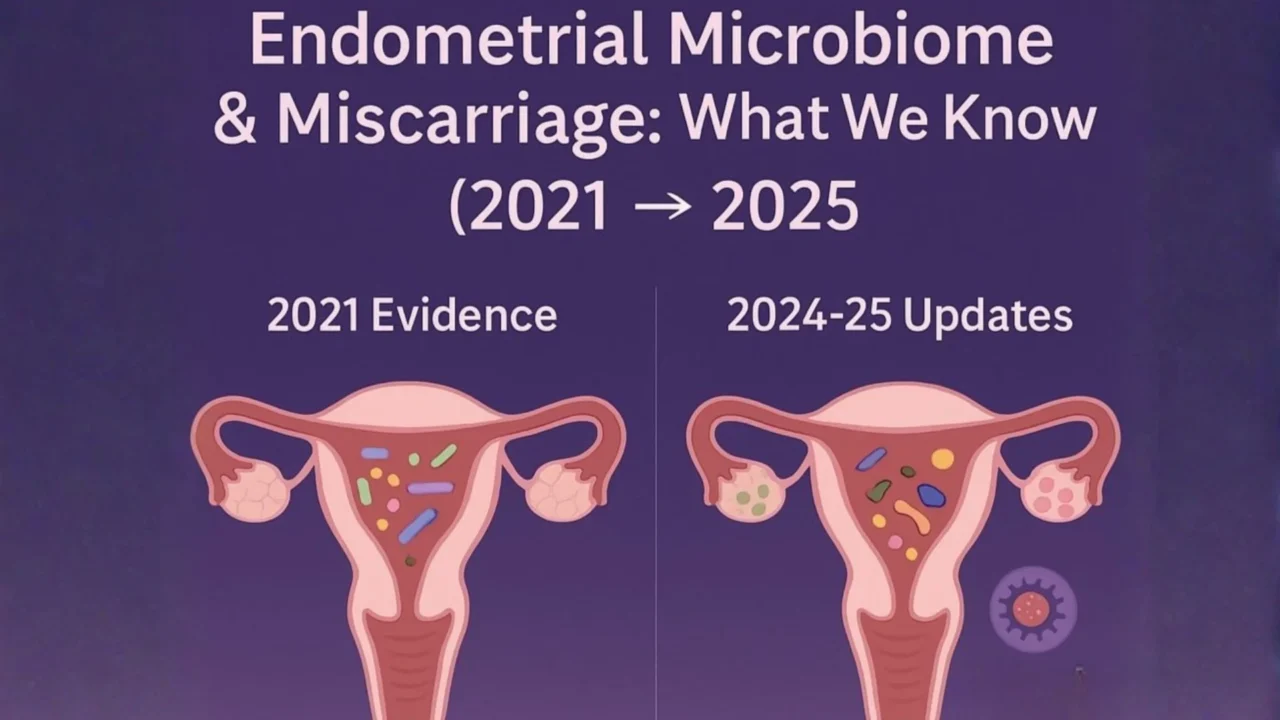
“Endometrial Microbiome and Miscarriage: Coincidence or Cause?
Back in 2021, a major review (Odendaal et al., Hum Reprod Update) asked:
Does endometrial dysbiosis cause early pregnancy loss?
At the time, the evidence was intriguing but inconclusive:
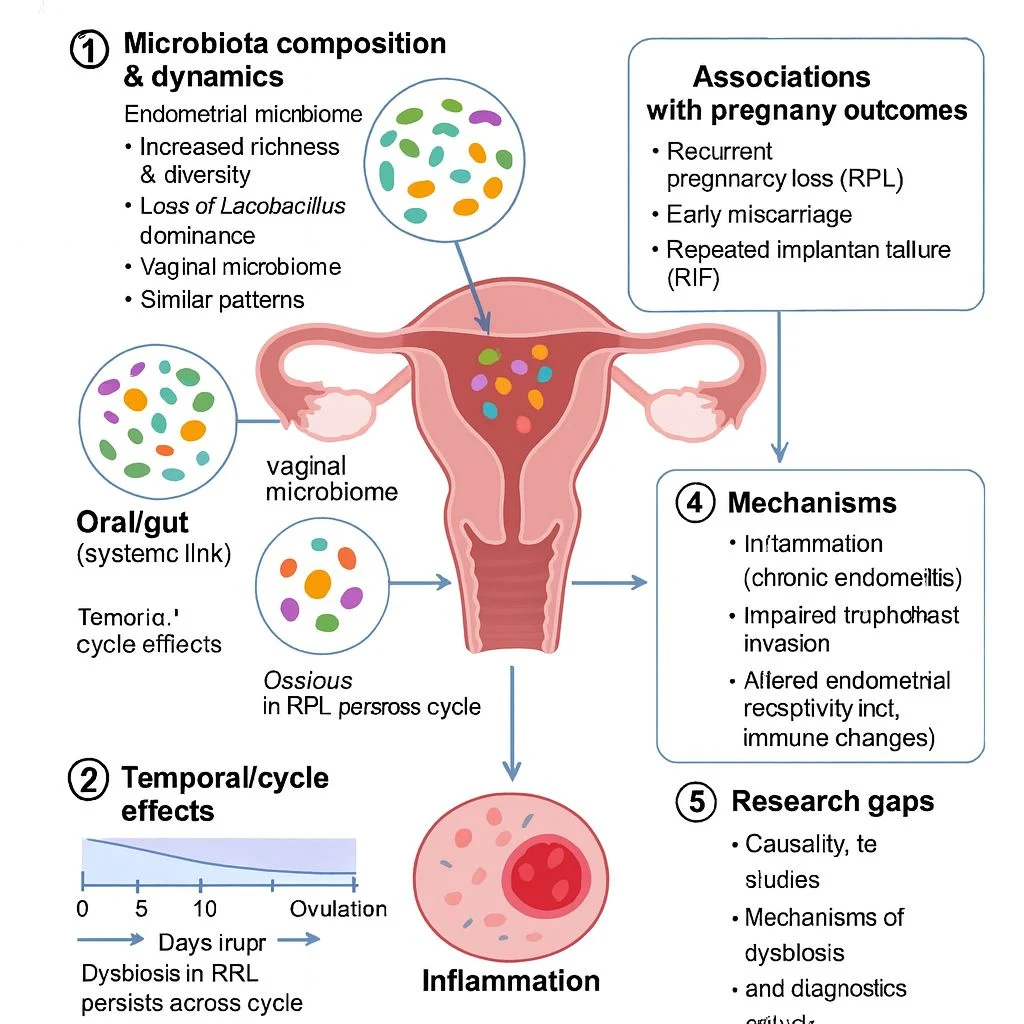
Dysbiosis = reduced Lactobacillus crispatus, rise in anaerobes (Gardnerella, Prevotella, Atopobium).
Associations with miscarriage were noted, but causality remained unproven.
Studies were small, methods variable, contamination a big concern.
Fast forward to 2024–2025…
Newer studies are shifting the conversation:
Endometrial dysbiosis confirmed in women with recurrent pregnancy loss (RPL).
Some data suggests that it could be correctable, potentially leading to treatment.
Vaginal and even oral microbiota have been linked to miscarriage risk.
Mechanistic insights: inflammation, impaired implantation, altered immune tolerance.
But the big question remains:
Are these microbiome changes the cause of pregnancy loss, or just a consequence?
Should we start screening for endometrial/vaginal microbiome in RPL?
Or do we risk chasing associations without proof?”
-
Sep 18, 2026, 20:27Hrishikesh Pai: Rethinking Male Infertility
-
Sep 18, 2026, 20:25Eric Verdin: Wrapping Up the Reproductive Aging Summit at the Center for Healthy Aging in Women
-
Sep 18, 2026, 20:21Investigating Pregnancy Outcomes in Women with Idiopathic POI – RBMO
-
Sep 18, 2026, 20:18Sue Ritchie: Why Aren’t We Talking About Male Fertility More?
-
Sep 18, 2026, 20:13Salma Yasin: Every Day of BFS Study Week 2026 Has Been an Exceptional Learning Experience
-
Sep 18, 2026, 20:01Qingcai Wang: Over 35 and Torn Between Trying Longer and Starting IVF?
-
Sep 18, 2026, 19:58Bhumika: Can a Woman Become Pregnant Again While Already Pregnant?
-
Sep 18, 2026, 19:5215 More Experts Join the International Fertility Forum Mumbai 2026
-
Sep 18, 2026, 19:50Curious About What Happens Behind the Scenes in the Labs? – Sims IVF