
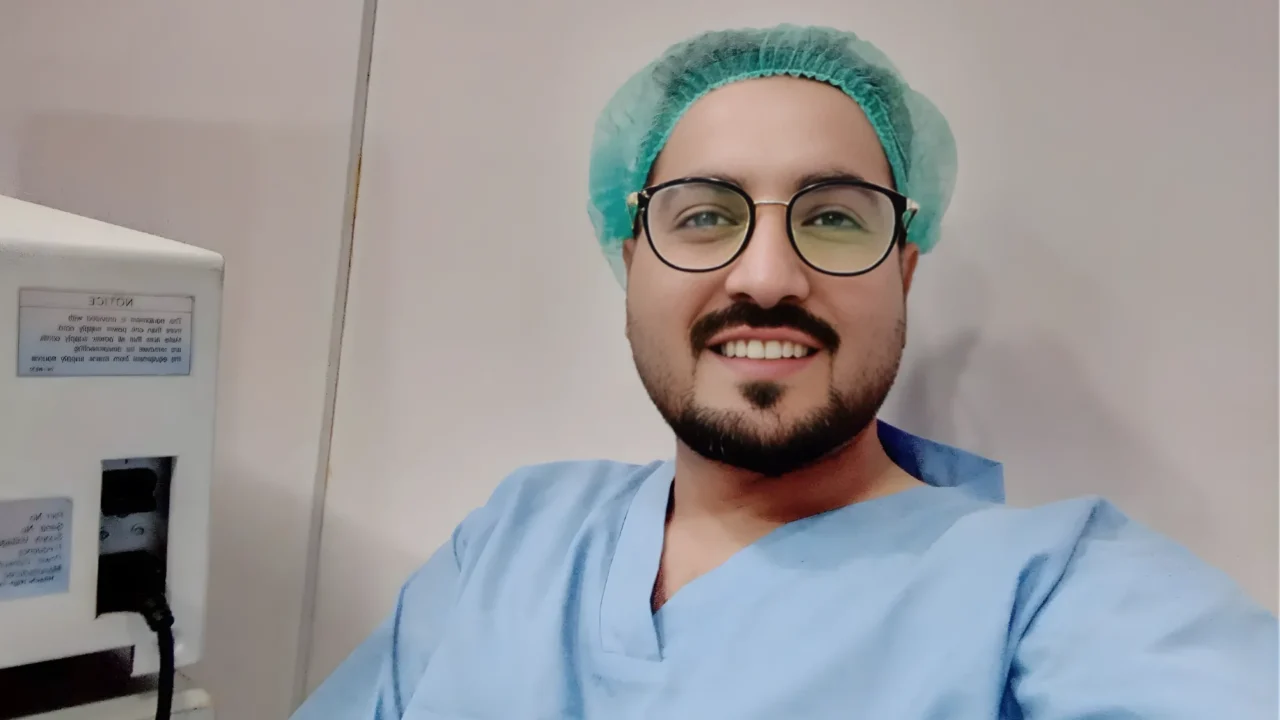
Azeem Shah: Why Sperm Selection Is Key in ICSI Success Rates
Azeem Shah, Medical Laboratory Technologist at Australian Concept Infertility Medical Centre, shared a post on LinkedIn։
“Why Sperm Selection During ICSI Matters So Much?
The importance of sperm selection during ICSI cannot be overstated. Although ICSI involves injecting a sperm directly into the egg, the crucial first step is choosing the most suitable sperm. While this procedure bypasses many natural barriers, the biological quality of the sperm still significantly influences fertilization, early embryo development, and implantation success.
Here are key points every embryologist should understand:
Sperm with poor chromatin condensation, incomplete decondensation, or diploidy can cause chromosomal abnormalities, leading to issues like aneuploidy, fertilization failure, inadequate genome activation, and early embryonic arrest.
- Beyond ICSI, the embryo’s development heavily depends on the paternal genome. Damage caused during spermatogenesis, such as DNA fragmentation or mitochondrial issues, can impair early cell division and overall embryo quality.
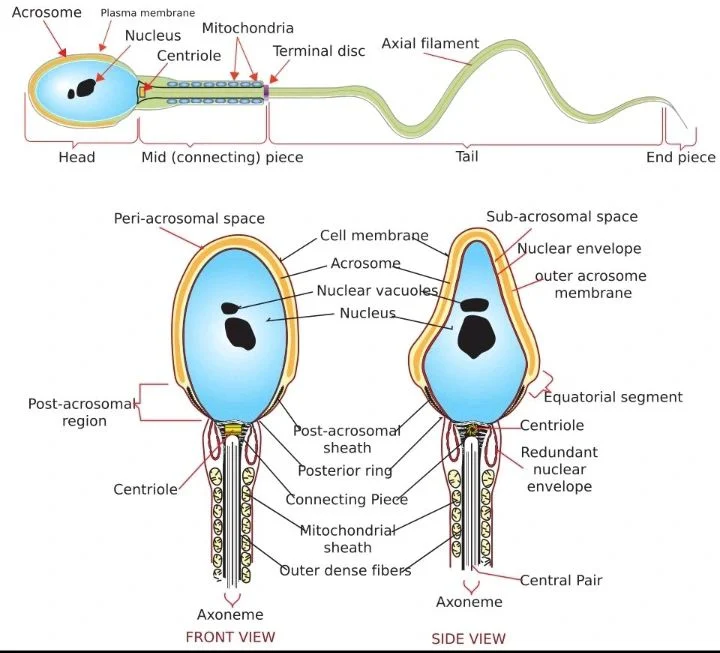
- The sperm’s centrosome is its first epigenetic contribution, crucial for proper microtubule organization. Abnormal centrosomes can disrupt mitosis, causing fragmentation, chromosome misdistribution, and early cleavage arrest.
Some sperm lack or have defective oocyte activation factors, risking partial activation, fertilization failure, or zygotes that cannot develop properly.
Paternal genes, including Y-linked ones, begin transcription early in the zygote. Selecting compromised paternal material can lead to immediate developmental errors, affecting embryo viability from the start.
In summary, ICSI is about selecting the right sperm, not just injecting one. Every sperm influences embryogenesis, implantation, and the overall success of aneuploidy, fertilization failure, inadequate genome activation.
Our role as embryologists begins long before injection. Careful selection today creates healthier embryos tomorrow.”
Stay updated on all scientific advances in the field of fertility with Fertility News.
-
Sep 18, 2026, 20:27Hrishikesh Pai: Rethinking Male Infertility
-
Sep 18, 2026, 20:25Eric Verdin: Wrapping Up the Reproductive Aging Summit at the Center for Healthy Aging in Women
-
Sep 18, 2026, 20:21Investigating Pregnancy Outcomes in Women with Idiopathic POI – RBMO
-
Sep 18, 2026, 20:18Sue Ritchie: Why Aren’t We Talking About Male Fertility More?
-
Sep 18, 2026, 20:13Salma Yasin: Every Day of BFS Study Week 2026 Has Been an Exceptional Learning Experience
-
Sep 18, 2026, 20:01Qingcai Wang: Over 35 and Torn Between Trying Longer and Starting IVF?
-
Sep 18, 2026, 19:58Bhumika: Can a Woman Become Pregnant Again While Already Pregnant?
-
Sep 18, 2026, 19:5215 More Experts Join the International Fertility Forum Mumbai 2026
-
Sep 18, 2026, 19:50Curious About What Happens Behind the Scenes in the Labs? – Sims IVF