
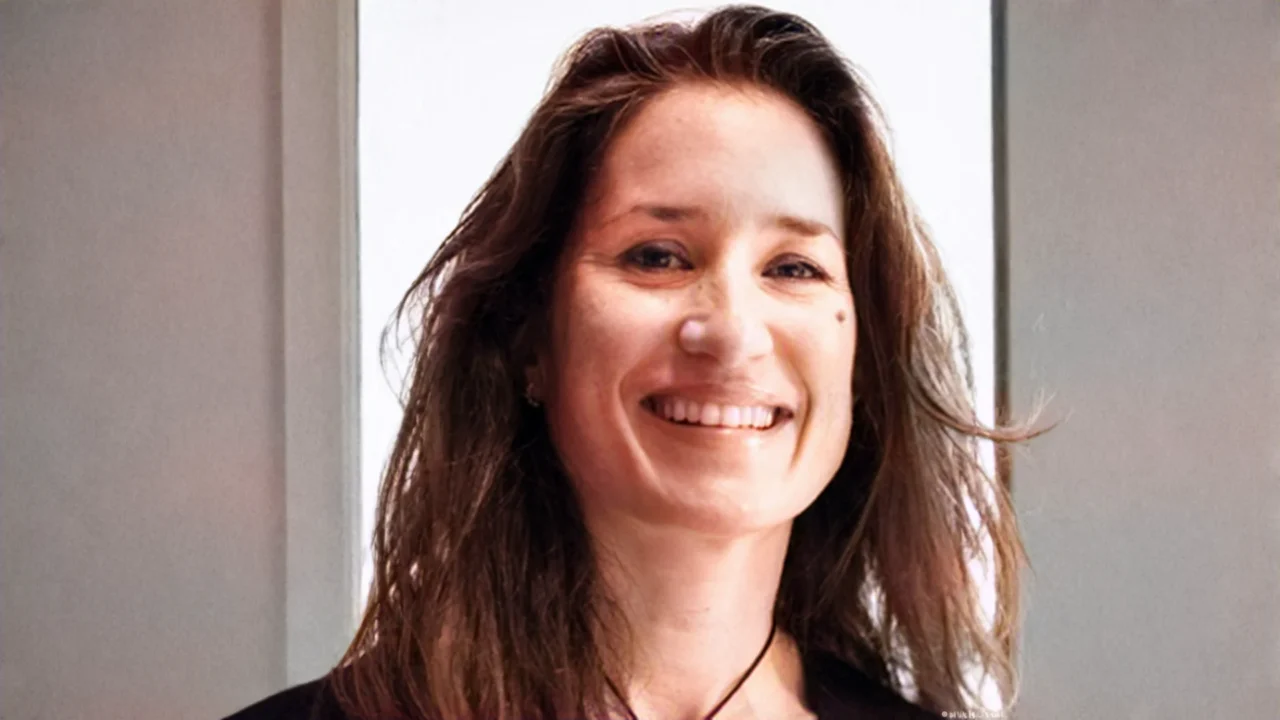
Lori Brumat: Why Women’s Health Should Matter to Everyone Right Now
Lori Brumat, Co-Founder and Strategic Advisor at Advocato, shared a post on LinkedIn:
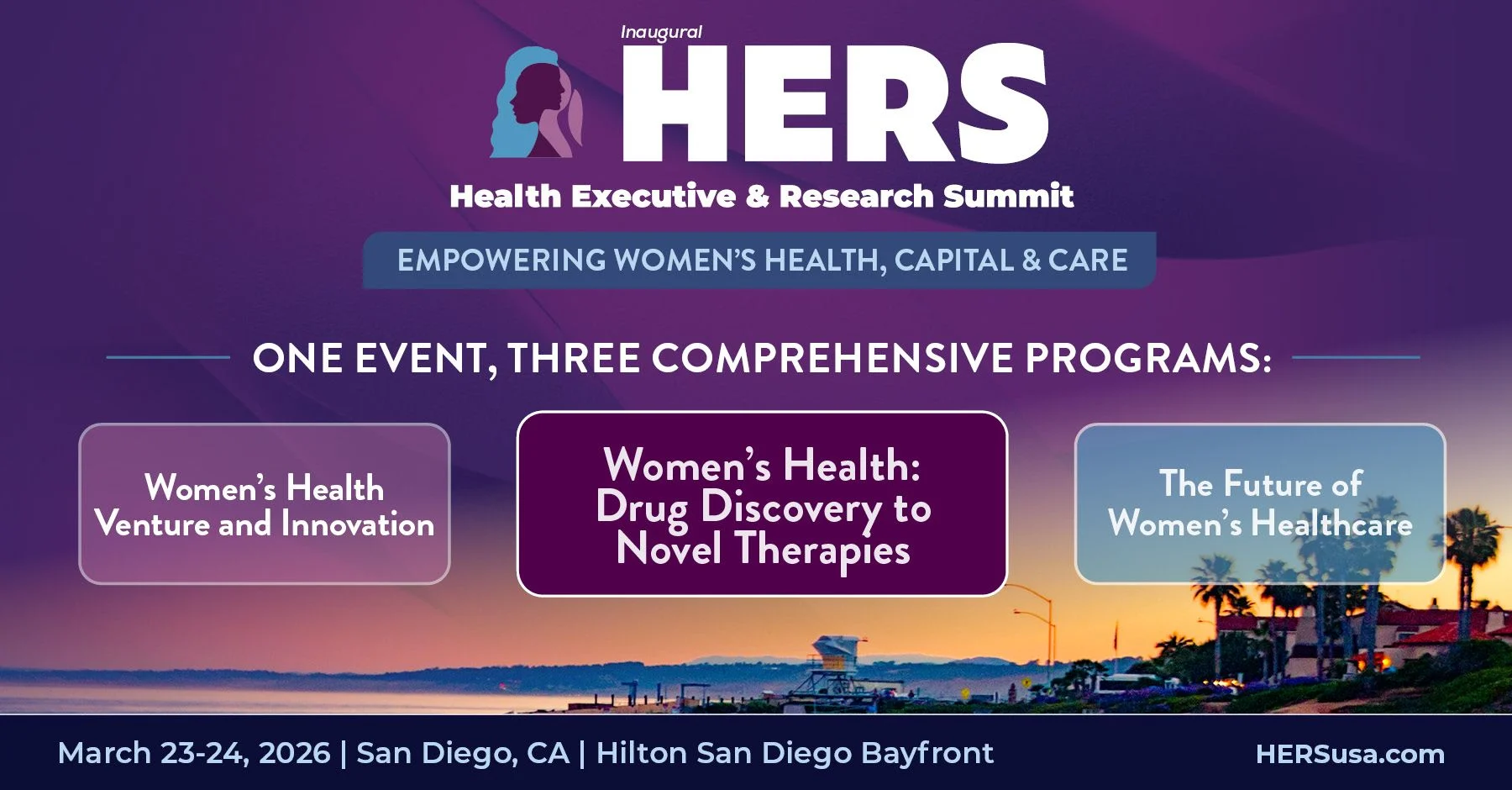
“I am heading to the Women’s Health Executive and Research Summit (HERS) in San Diego next Monday, and I want to tell you why women’s health is one of the issues that should matter most to you right now.
Women are 51% of the population.
They make 80% of healthcare decisions, including for your own kids.
They are your mothers, daughters, partners, and colleagues.
And yet drugs for them are still dosed based on male biology, conditions like endometriosis take seven years to diagnose, and the market serving their health needs remains one of the most underfunded in existence.
This is not new. Women’s health has been chronically neglected for decades.
But in the past three months alone, over $3 billion in federal grants supporting women across health, research, and economic security have been cancelled in the United States, on the grounds that focusing on women is ‘discriminatory.’
That public research is the pipeline that feeds private innovation: the science that becomes the startups, the data that attracts investors, the evidence that gets drugs approved.
When you cut it, the whole ecosystem feels it, years down the line.
Which is exactly why what is happening at HERS next week matters.
And if the moral case does not move you: women’s health is a market worth hundreds of billions, barely touched, with $1 trillion in productivity waiting to be unlocked the minute women get better treatment.
Here are five conversations I will not be missing next week:
- Megan Scheffel from SVB will be making the financial case for why women’s health was never a niche market to begin with.
- Oriana Papin-Zoghbi of AOA Dx has years of exit data to back that up: over $100 billion in realized value that most investors simply were not looking for.
- Sue McKinney of Altin Biosciences will be telling one of the most original stories around: how you navigate the FDA’s botanical drug pathway to bring a non-hormonal treatment for uterine fibroids to market. A condition affecting 26 million women in the US, whose current treatments are hormonal, invasive, and often fertility-ending.
- Nisha Perez from HotSpot Therapeutics, Inc. will be presenting cautionary tales of what actually happens to women when drugs are developed without adequately studying female biology.
- Sophie Zaaijer from University of California, Riverside will be challenging something most people assumed was progress: why simply counting women in clinical trials was never remotely enough.
I listen to founders, investors, and the people help them tell the stories that move the needle.
I will be posting from the summit. Follow along if this issue matters to you.”
Stay updated on all scientific advances in the field of fertility with Fertility News.
-
Sep 18, 2026, 20:27Hrishikesh Pai: Rethinking Male Infertility
-
Sep 18, 2026, 20:25Eric Verdin: Wrapping Up the Reproductive Aging Summit at the Center for Healthy Aging in Women
-
Sep 18, 2026, 20:21Investigating Pregnancy Outcomes in Women with Idiopathic POI – RBMO
-
Sep 18, 2026, 20:18Sue Ritchie: Why Aren’t We Talking About Male Fertility More?
-
Sep 18, 2026, 20:13Salma Yasin: Every Day of BFS Study Week 2026 Has Been an Exceptional Learning Experience
-
Sep 18, 2026, 20:01Qingcai Wang: Over 35 and Torn Between Trying Longer and Starting IVF?
-
Sep 18, 2026, 19:58Bhumika: Can a Woman Become Pregnant Again While Already Pregnant?
-
Sep 18, 2026, 19:5215 More Experts Join the International Fertility Forum Mumbai 2026
-
Sep 18, 2026, 19:50Curious About What Happens Behind the Scenes in the Labs? – Sims IVF