
Apr 4, 2026, 05:52
Basheer Saeed: How the Immune System Influences Pregnancy Success and Risk
Basheer Saeed, Lab Specialist at Naif Medical Complex, shared a post on LinkedIn:
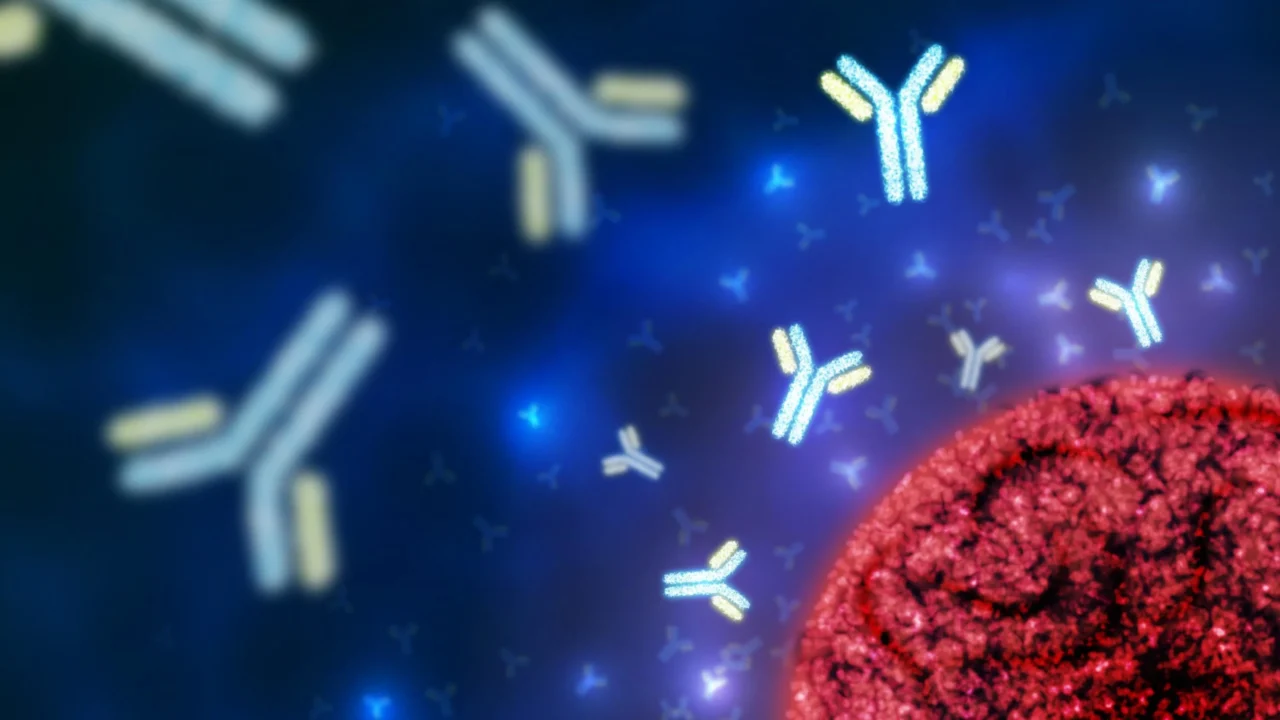
“How the immunoglobulins of female is affect or prevent pregnant?
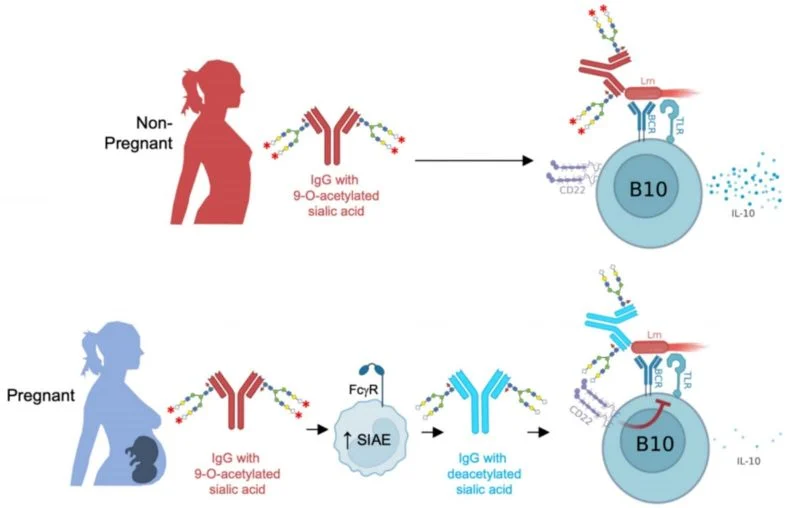
The antibodies (immunoglobulins) in a female affect pregnancy in dual ways; while some are essential for protecting the fetus and stabilizing pregnancy, others can prevent pregnancy or cause serious complications if the immune system attacks the body’s cells or the fetus.
- How do antibodies help in successful pregnancy?
- Provide passive immunity to the fetus: IgG is the only type that crosses the placenta from mother to fetus, protecting the newborn against infections in the first months.
- Create immune tolerance: In normal pregnancy, the mother’s immune system modifies its response to accept the fetus (which contains foreign genes from the father).
- Regulate inflammation: Some antibodies reduce harmful inflammation in the uterus, supporting embryo implantation and placental growth.
- How do antibodies prevent or harm pregnancy?
- Problems occur when the female produces antibodies that attack reproductive cells or the fetus, known as immune infertility:
- Anti-sperm antibodies (ASA): May be produced in cervical mucus, attacking sperm and preventing fertilization.
- Antiphospholipid syndrome (APS): Causes clots in placental vessels, leading to implantation failure or recurrent miscarriage.
- Rh incompatibility: If the mother is Rh-negative and the fetus is Rh-positive, she may produce antibodies attacking the fetus’s red blood cells.
- Attacking egg or embryo cells: The immune system may mistakenly target embryos, preventing pregnancy.
- Using immunoglobulin as treatment:
- Intravenous immunoglobulin (IVIG) is used to:
- Modify immune balance and reduce natural killer cell activity that may attack the fetus.
- Increase live birth rates in women with cellular immune disorders.”
Stay updated on all scientific advances in the field of fertility with Fertility News.
-
Oct 21, 2026, 17:57Ula Sankowska: What I’ll Bring to ASRM INNOVATE in Baltimore
-
Oct 21, 2026, 17:40Robert Borowczyk: The Invisible Waiting Room
-
Oct 21, 2026, 17:35Fereshteh Safian: Behind the Scenes of Reproductive Medicine
-
Oct 21, 2026, 17:20The Relationship Between Trophectoderm Biopsy and Early Pregnancy Outcomes – RBMO
-
Oct 21, 2026, 17:09Jules McDonald: The Future of Fertility Is Happening in Abu Dhabi
-
Oct 21, 2026, 16:53Ashley Evans: I Never Imagined I’d Be a Fertility Story with a Group of People Whom I Have Never Met…
-
Oct 21, 2026, 16:41Karthik Raj: Asherman’s Syndrome – When the Endometrium Cannot Regenerate Normally
-
Oct 21, 2026, 16:36Katy Encalade: A Few Misconceptions I Think Every Woman Considering Egg Donation Deserves to Understand
-
Oct 21, 2026, 16:21The FeRGI Working Group 2026-2027 – ESHRE SIG Reproductive Genetics