
The Microbiome’s Role in Shaping Fertility Outcomes – Kernel Science
Kernel Science SRL shared a post on LinkedIn:
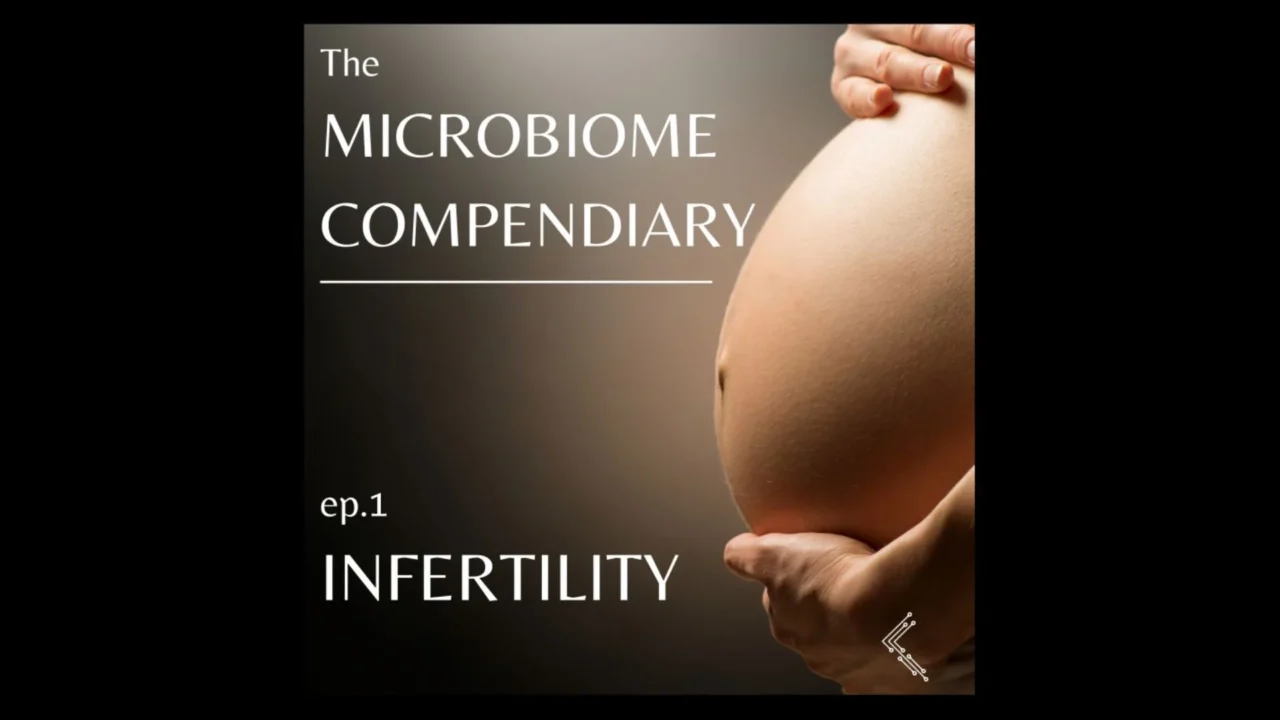
“The Microbiome Compendiary
Ep. 1 Infertility
When the tiniest organisms determine your biggest dreams.
Infertility affects 17.5% of couples worldwide, and while assisted reproductive technologies (ART) offer hope, success rates remain frustratingly variable.
Emerging research reveals a hidden player in this equation: the microbiome.
- When balance breaks: Dysbiosis, particularly a shift from Lactobacillus-dominant communities to non-Lactobacillus profiles in the cervix and endometrium, is associated with adverse reproductive outcomes. Increased abundance of bacteria such as Gardnerella is linked to chronic local inflammation, altered immune signaling, implantation failure, and lower live birth rates in IVF cycles. Multiple studies demonstrate that women with disrupted endometrial microbiota show significantly reduced pregnancy, ongoing pregnancy, and live birth rates compared to those with Lactobacillus dominance.
- The gut–reproductive axis: Fertility is not influenced by vaginal health alone. Alterations in gut microbiota associated with conditions such as PCOS and endometriosis promote insulin resistance, systemic inflammation, and hormonal imbalance. These mechanisms negatively affect ovulation, endometrial receptivity, and embryo viability, highlighting the interconnected role of gut and reproductive microbiomes.
- The metabolic connection: Beneficial gut bacteria produce short-chain fatty acids (SCFAs), including butyrate, propionate, and acetate, which modulate immune tolerance, reduce inflammatory pathways, and support metabolic homeostasis. These processes are essential for successful implantation and early pregnancy maintenance. Disruption of SCFA production contributes to a pro-inflammatory environment that increases the risk of implantation failure and early pregnancy loss.
- The Lactobacillus advantage: A vaginal microbiota dominated by Lactobacillus crispatus, classified as community state type I (CST I), is consistently associated with improved conception, implantation, and live birth rates. L. crispatus maintains a low vaginal pH through lactic acid production, inhibits pathogenic bacterial growth, strengthens epithelial barrier function, and promotes an anti-inflammatory immune profile. This stable and protective environment appears particularly favorable for embryo transfer and early embryonic development during ART cycles.
What’s next?
The real challenge lies in directing infertility research and treatment strategies toward modifiable biological factors. The microbiome represents a dynamic ecosystem that can potentially be influenced and optimized. Integrating microbiome assessment into preconception and fertility screening may allow targeted interventions to improve reproductive outcomes and create a healthier environment for embryo development. Vaginal microbiota transplantation is emerging as a promising approach, although further research is required, particularly with broader and more diverse population representation.”
Title: Microbiota and infertility: a translational review of mechanisms and clinical applications in assisted reproduction
Authors: Bixiu Dua, Yaru Yanga, Lang Hea, Ying Tang
Read the full article.
Title: Microbiome in Female Reproductive Health: Implications for Fertility and Assisted Reproductive Technologies
Authors: Liwen Xiao, Zhenqiang Zuo, Fangqing Zhao
Read the full article.
Stay updated on all scientific advances in the field of fertility with Fertility News.
-
Oct 11, 2025, 06:44The Global IVF Market Is Set to Reach $65B by 2032 – Meddilink
-
Jan 28, 2026, 16:59Unlocking the Potential of Menstrual Blood in Health Testing – Global Women’s Health Innovation Conclave
-
Jan 28, 2026, 16:57New Insights on Oocyte Yield in Endometriosis and PCOM – RBMO
-
Jan 28, 2026, 16:51Transform Your Expertise with ESHRE eCampus Learning – ESHRE
-
Jan 28, 2026, 16:46Accelerate Your Growth at the AP3G National Meeting – ASRM
-
Jan 28, 2026, 16:43Debojit Saha: Unraveling Chromosomal Errors in Aging Human Eggs
-
Jan 28, 2026, 16:38Silvia Vannuccini: RBMO Highlights Key Insights on Adenomyosis Awareness
-
Jan 28, 2026, 16:32Maximilian Attwood: Challenging Medical Misogyny in Endometriosis Research
-
Jan 28, 2026, 16:29Ioakeim Sapantzoglou: New Perspectives on Fetal Growth Restriction and Genetic Testing
-
Jan 28, 2026, 16:26Enhancing Pre-Eclampsia Prediction with Doppler Indices – ISUOG