
Advancing Male Fertility Care with Sperm DNA Fragmentation Testing – LensHooke
LensHooke shared a post on LinkedIn:
“Expert Insights
From Evidence to Implantation: Sperm DNA Fragmentation
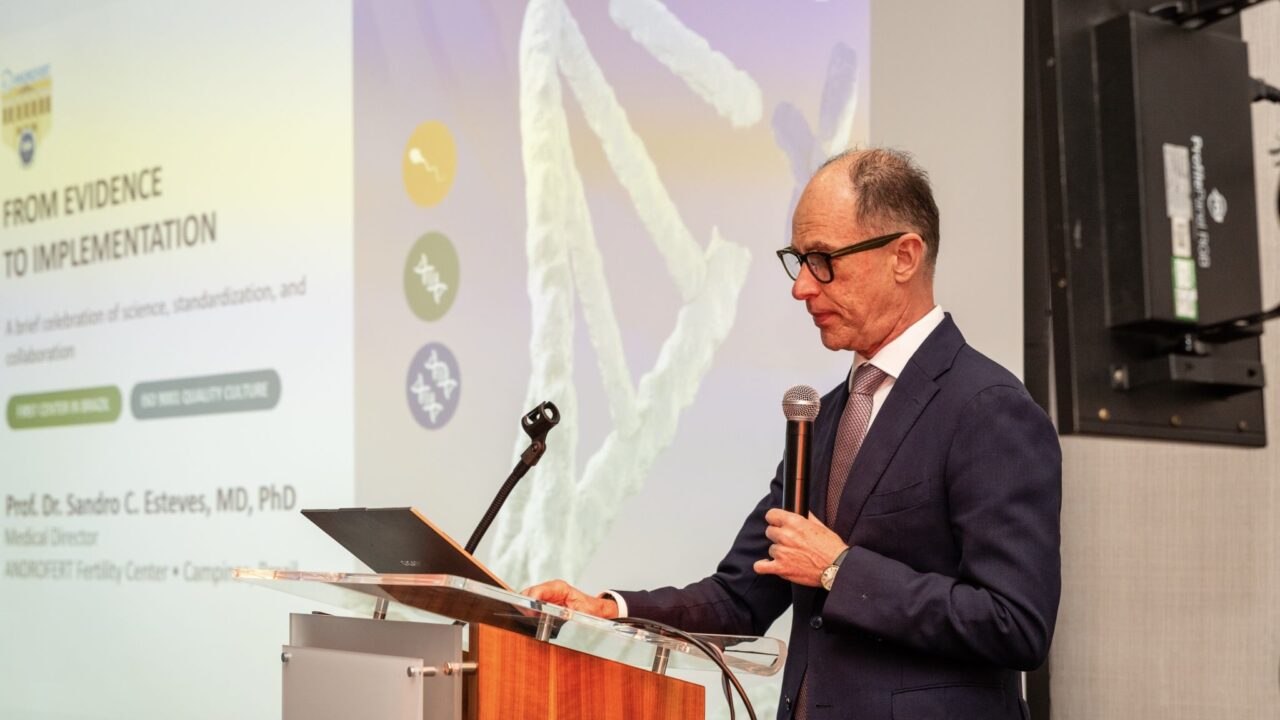
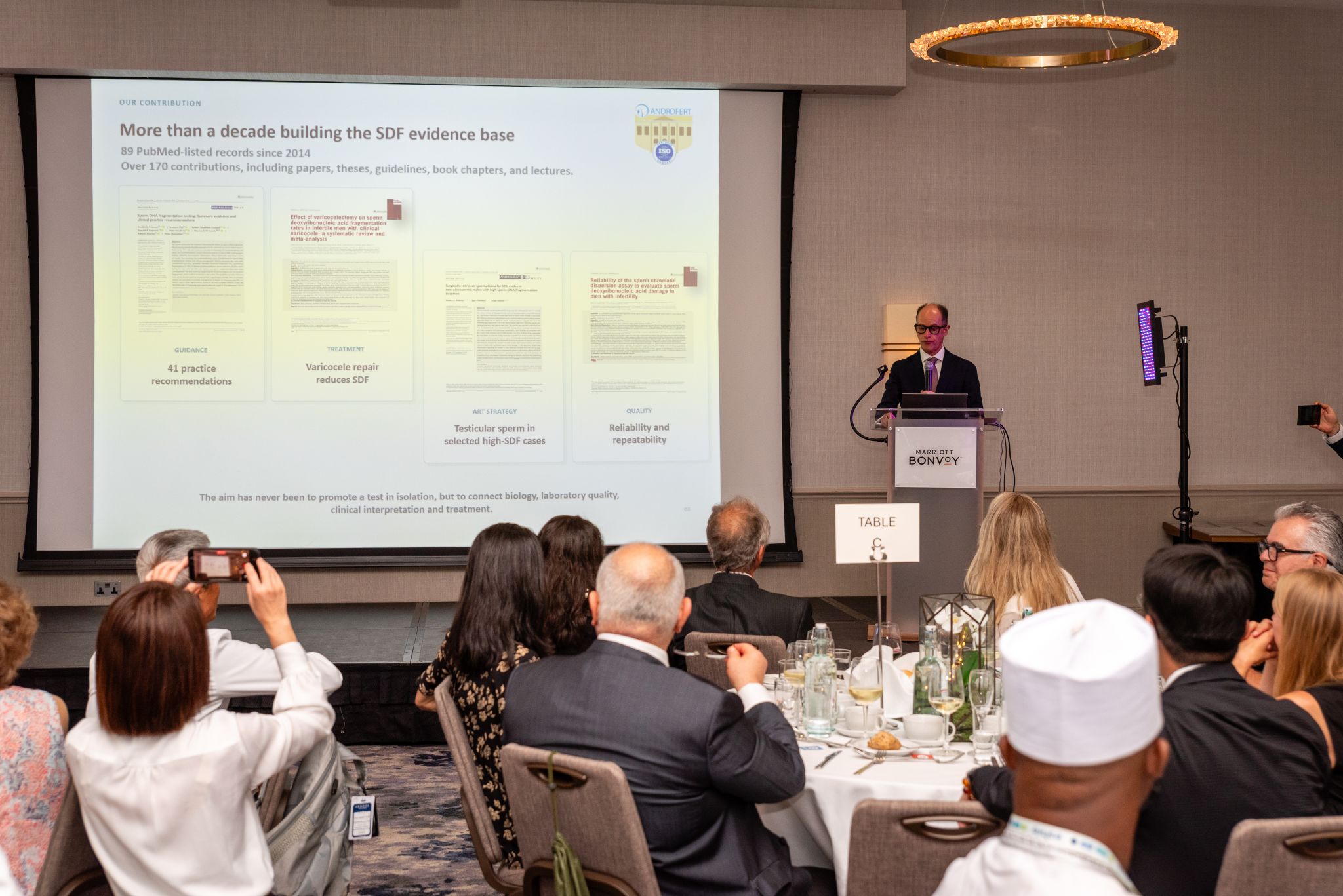
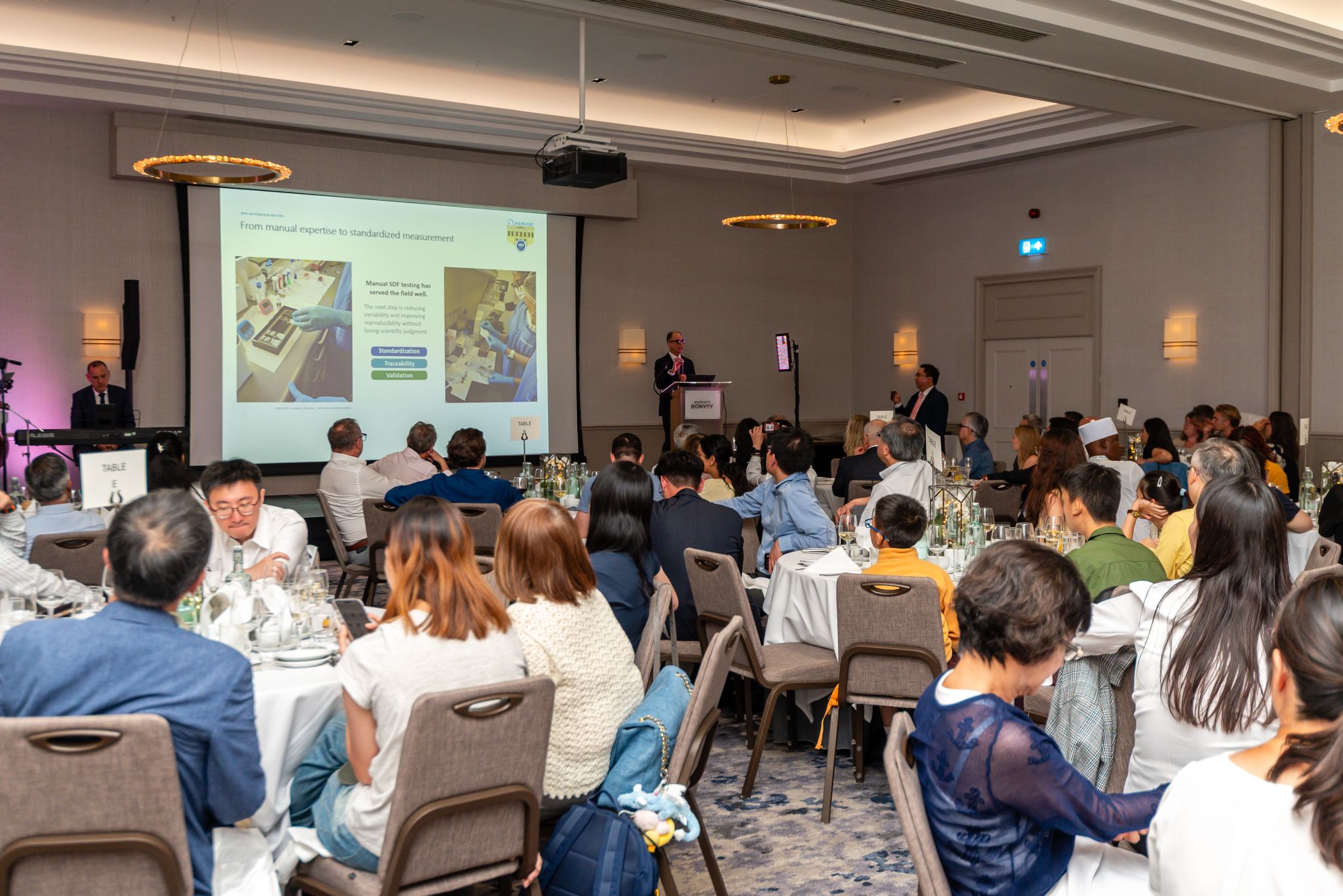
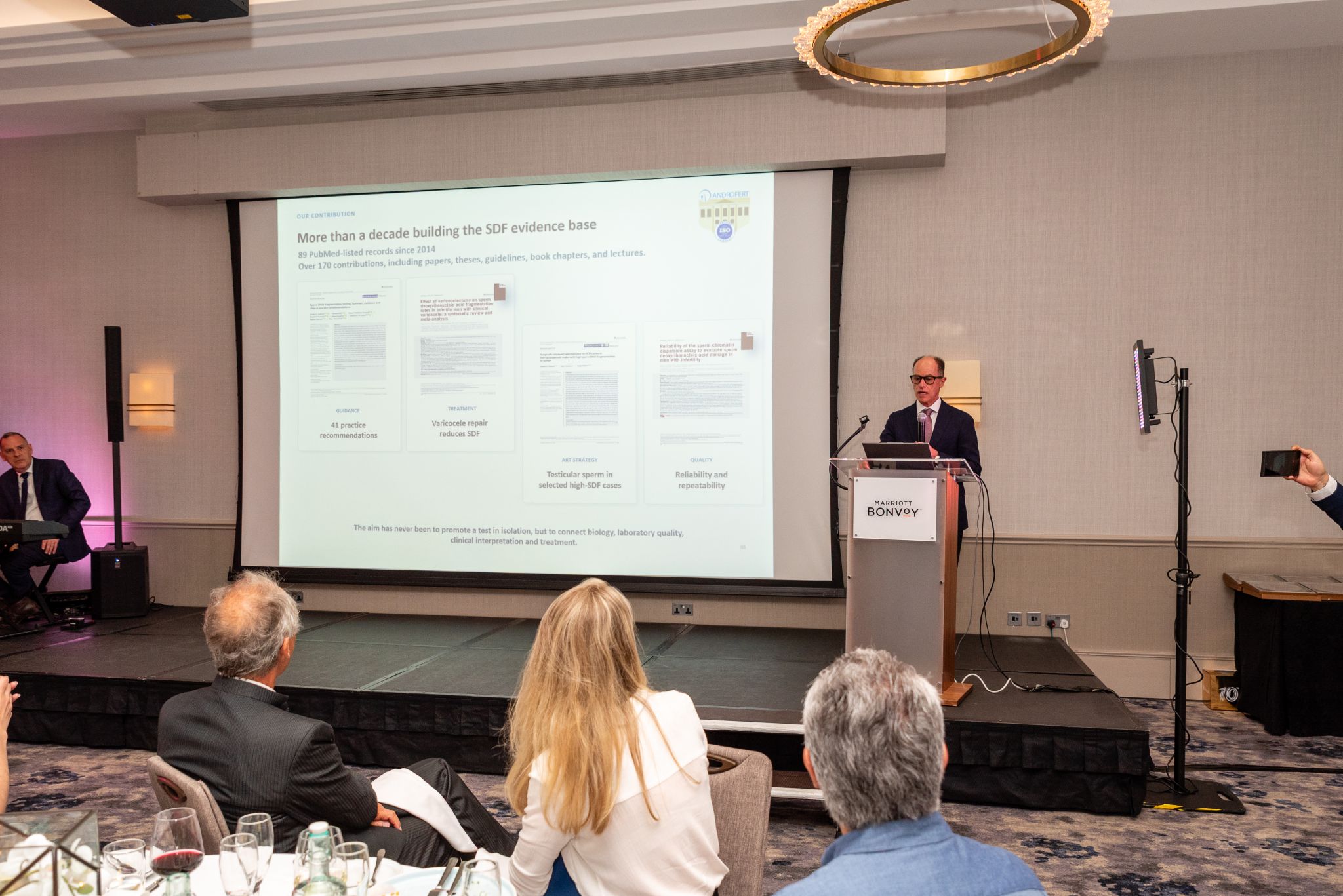
During European Society of Human Reproduction and Embryology (ESHRE), we were honored to welcome Prof. Dr. Sandro Esteves, MD, PhD, Founder and Medical Director of ANDROFERT, as a speaker at the LensHooke 10th Anniversary Dinner.
His presentation addressed three key questions:
Why does sperm DNA fragmentation matter?
Semen analysis remains essential but may not provide the complete picture of male fertility. SDF testing adds another dimension by assessing sperm DNA integrity.
Drawing on more than a decade of evidence and 41 clinical recommendations, Prof. Esteves explained that SDF testing can improve patient characterization and support individualized clinical decisions. In his practice, 53% of tested patients showed SDF >20%.
Why does double-strand sperm DNA fragmentation (dsSDF) matter?
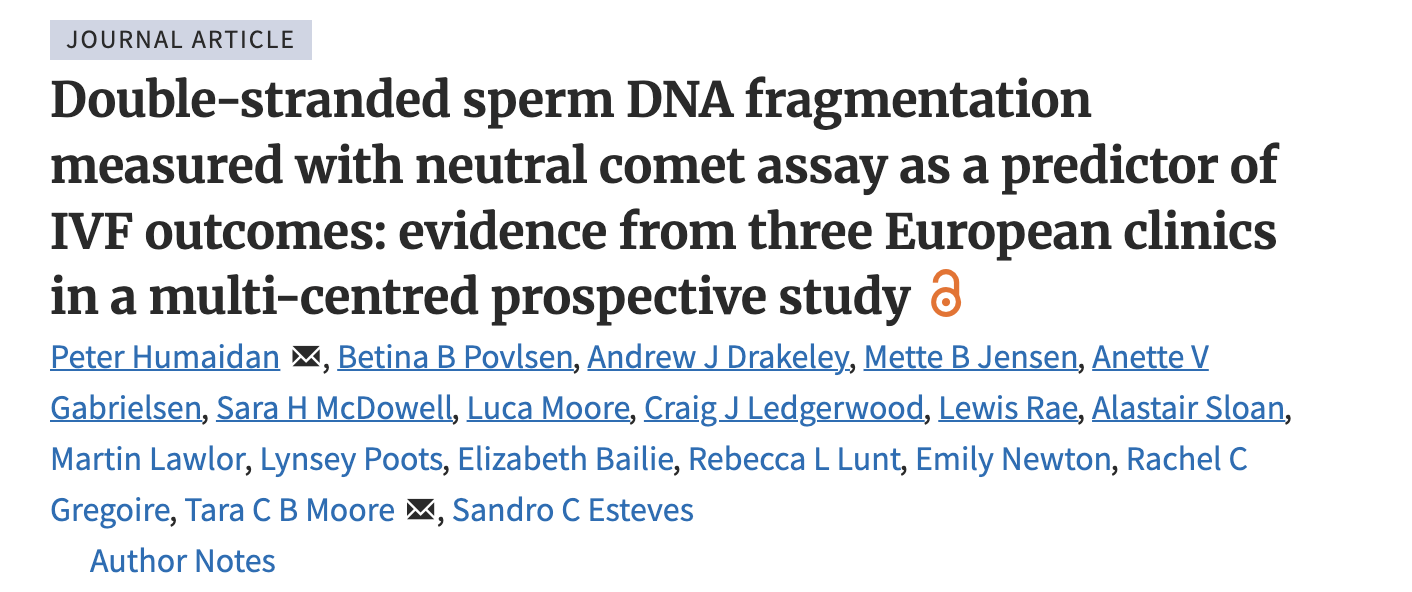
A 2026 prospective multicenter study across three European IVF clinics found that higher dsSDF was independently associated with lower live birth rates after IVF.
Other studies have linked dsSDF with delayed embryo development and impaired implantation.
How should clinicians act on an elevated SDF result?
The key message was clear: Test with a purpose—and act in proportion.
The recommended approach is to identify potential causes, optimize male reproductive health, retest when appropriate, and individualize the ART strategy.
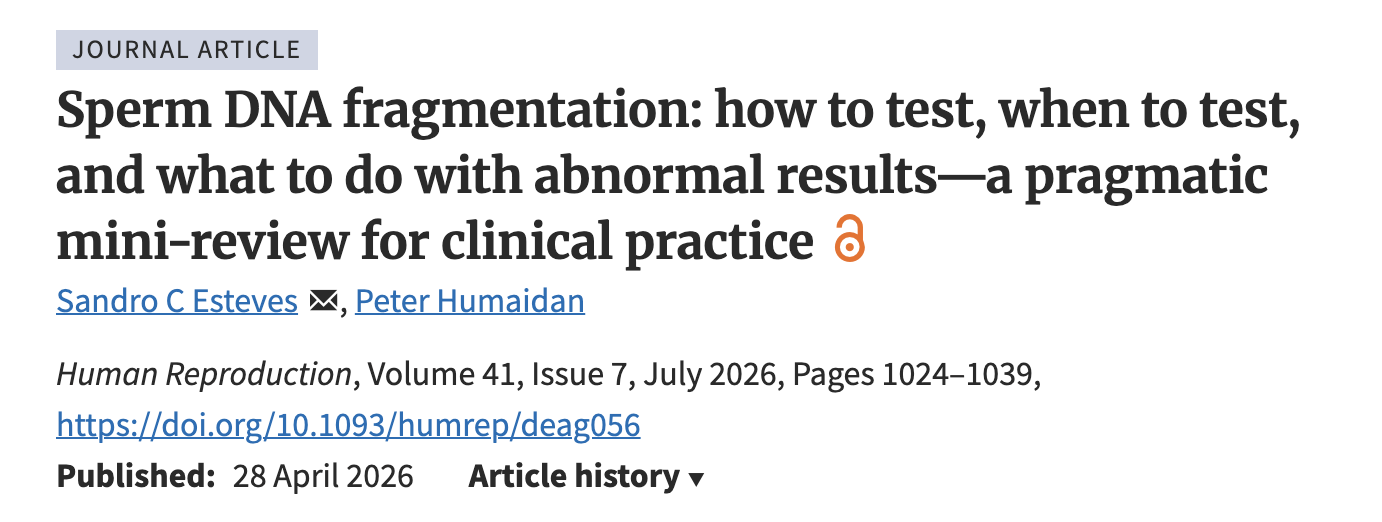
Prof. Esteves and Prof Peter Humaidan also recently published a pragmatic review on how to test, when to test, and how to manage abnormal SDF results.
He also shared how LensHooke solutions can support SDF assessment and sperm selection in ART laboratories:
- LensHooke R10 Plus with X12 PRO enables automated global SDF analysis and has shown strong agreement with manual sperm chromatin dispersion assessment, particularly when more sperm cells are manually evaluated.
- LensHooke R11 Plus provides a simple, automated approach to assessing double-strand sperm DNA fragmentation.
- LensHooke CA0 provides centrifugation-free sperm selection that may reduce processing stress, enrich motile sperm, and lower SDF in the processed fraction.
Recommended clinical review
Esteves SC, Humaidan P. Sperm DNA fragmentation: how to test, when to test, and what to do with abnormal results. Human Reproduction. 2026;41(7):1024–1039.
Read the full article.
Title: Sperm DNA fragmentation: how to test, when to test, and what to do with abnormal results—a pragmatic mini-review for clinical practice
Authors: Sandro Esteves, Peter Humaidan
Key dsSDF studies
Humaidan P, et al. Double-stranded sperm DNA fragmentation measured with neutral comet assay as a predictor of IVF outcomes. Human Reproduction. 2026;41(5):677–688.
Read the full article.
Title: Double-stranded sperm DNA fragmentation measured with neutral comet assay as a predictor of IVF outcomes: evidence from three European clinics in a multi-centred prospective study
Authors: Peter Humaidan, Betina B Povlsen, Andrew J Drakeley, Mette B Jensen, Anette V Gabrielsen, Sara H McDowell, Luca Moore, Craig J Ledgerwood, Lewis Rae, Alastair Sloan, Martin Lawlor, Lynsey Poots, Elizabeth Bailie, Rebecca L Lunt, Emily Newton, Rachel C Gregoire, Tara C B Moore, Sandro C Esteves
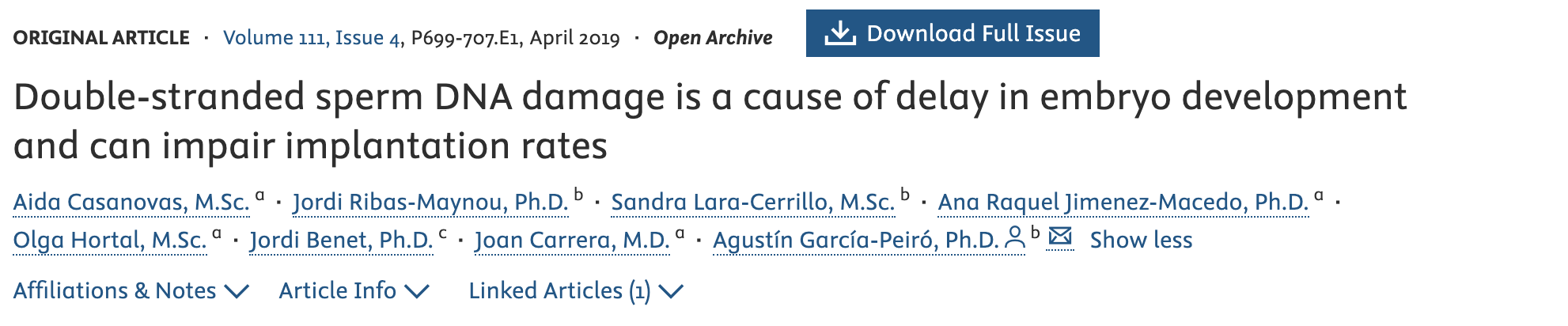
Casanovas A, et al. Double-stranded sperm DNA damage is a cause of delay in embryo development and can impair implantation rates. Fertility and Sterility. 2019;111(4):699–707.e1.
Read the full article.
Title: Double-stranded sperm DNA damage is a cause of delay in embryo development and can impair implantation rates
Authors: Aida Casanovas, Jordi Ribas-Maynou, Sandra Lara-Cerrillo, Ana Raquel Jimenez-Macedo, Olga Hortal, Jordi Benet, Joan Carrera, Agustín García-Peiró.
Sandro Esteves, Collaborating Professor at State University of Campinas, shared LensHooke’s post, adding:
“Sperm DNA fragmentation is increasingly moving from a research concept to a clinically actionable biomarker.
It was a pleasure to discuss this topic during the LensHooke 10th Anniversary Dinner at ESHRE 2026. My central message was simple: test with a purpose—and act in proportion to the result.
SDF testing should not replace conventional semen analysis. Rather, it adds information about paternal genome integrity that may help us better characterize male infertility, identify potentially modifiable factors, and individualize reproductive treatment.
Reliable laboratory assessment is therefore essential. At ANDROFERT, we recently completed validation studies of the LensHooke X12 PRO platform using the R10 Plus and R11 Plus tests. The findings were reassuring, showing overall excellent agreement with our established manual sperm chromatin dispersion methodology and robust analytical repeatability.
These results support the practical use of automated testing for both global SDF and double-strand SDF, while reinforcing the importance of appropriate laboratory validation, quality control, and clinical interpretation. Automation may improve standardization and efficiency, but technology remains most valuable when it helps answer a meaningful clinical question.
I am grateful to the LensHooke team for the invitation and for supporting continued innovation in the assessment of male reproductive health. We look forward to sharing the complete results of our validation work and continuing our research in this rapidly evolving field.
Measure carefully. Interpret cautiously. Act selectively.”
Stay updated on all scientific advances in the field of fertility with Fertility News.
-
Sep 13, 2026, 15:11Sachintha Alwis: From Impaired Sperm Motility to Microrobotics
-
Sep 13, 2026, 15:08Laurence Orbuch: Before Endometriosis Surgery, Ask…
-
Sep 13, 2026, 15:05Ademola Ayodele: IUI, IVF or Egg Freezing – Which One Is Right for You?
-
Sep 13, 2026, 14:59Fiona Pathiraja-Møller: Tennis Players No Longer Have to Choose Between Career and Family
-
Sep 13, 2026, 14:571-Day Virtual Experience for People Impacted by PMOS – PCOS Awareness Association
-
Sep 13, 2026, 14:53Ozor Victor: Behind Every Embryo Is a Story of Science, Precision, and Hope
-
Sep 13, 2026, 14:50Diana Kayal: What They Don’t Tell You About IVF
-
Sep 13, 2026, 14:44Vikram Sinai Talaulikar: A Heartfelt Thank You to All Who Donated and Supported “Menopause and Cancer”
-
Sep 13, 2026, 14:41Nicole McPherson: Changing IVF Practices Is Hard – Integration Needs to Be Easy