
Somil Singhal: Modern ICSI Protocols
Somil Singhal, Medical Doctor at AIIMS (All India Institute of Medical Sciences, New Delhi), shared on LinkedIn:
”Modern ICSI protocols:
- Ovarian Stimulation: Controlled hormonal stimulation to produce multiple mature eggs
- Monitoring: Regular ultrasound and hormonal assessments to track follicle development
- Egg Retrieval: Minimally invasive procedure to collect mature eggs
- Sperm Selection: Advanced techniques to identify the healthiest sperm
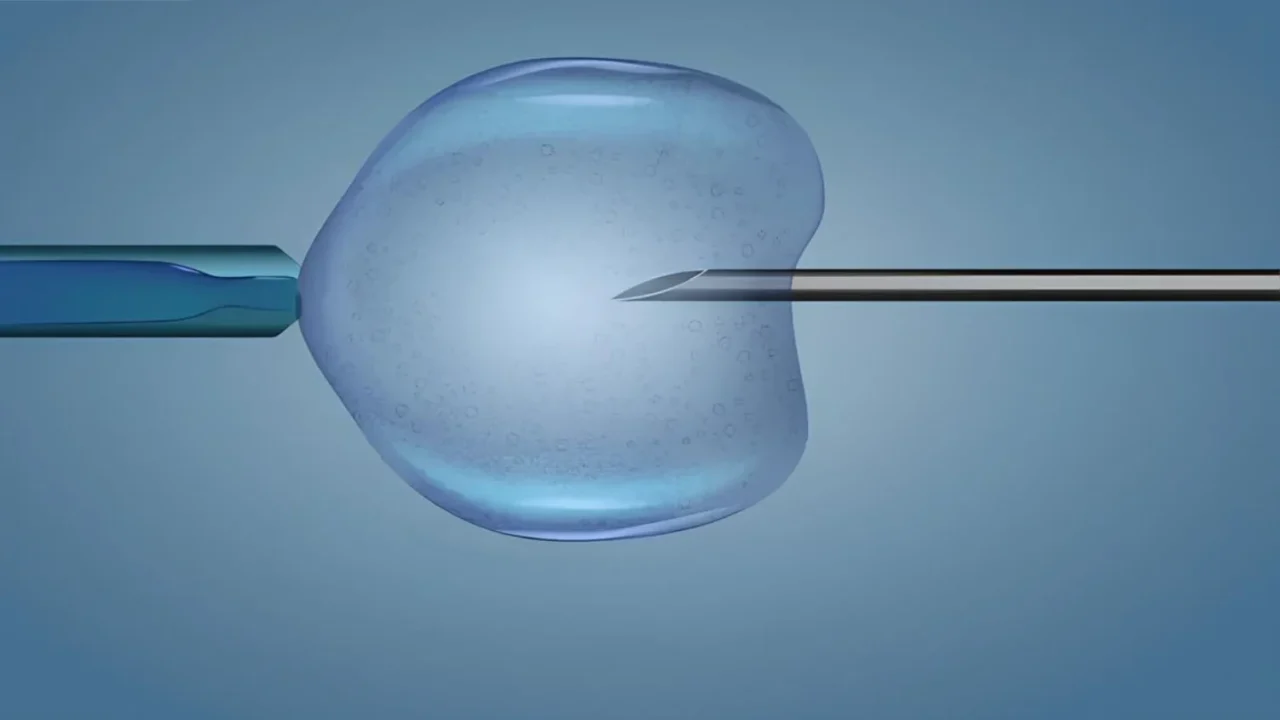
- ICSI Procedure: Microinjection of selected sperm into each mature egg
- Embryo Culture: Cultivation of fertilized eggs in optimal laboratory conditions
- Embryo Transfer: Placement of selected embryos into the uterus
- Luteal Phase Support: Hormonal support to facilitate implantation
ICSI Embryo Transfer Protocols
ICSI embryo transfer protocols have been refined to optimize timing and technique. Timing and techniques for embryo transfer include:
Transfer Timing Options:
Day 3 Transfer (Cleavage Stage): Embryos with 6-8 cells, suitable when few embryos are available
Day 5/6 Transfer (Blastocyst Stage): Preferred option with better implantation rates, allows natural selection of viable embryos
Frozen Embryo Transfer (FET): Often yields higher success rates as endometrium is optimally prepared
ICSI blastocyst culture benefits:
Better embryo selection through extended culture
Higher implantation rates (40-50% vs. 25-35% for Day 3)
Reduced multiple pregnancy risk with single embryo transfer
Better synchronization with endometrial receptivity
Opportunity for genetic testing without compromising embryo viability.
ICSI Luteal Phase Support
ICSI luteal phase support is essential for maintaining early pregnancy and facilitating embryo implantation. Importance of luteal phase support stems from the fact that ovarian stimulation and egg retrieval disrupt normal hormonal patterns, requiring supplementation.
Common medications used in luteal phase support include:
- Progesterone: Available as vaginal suppositories, injections, or oral capsules – maintains endometrial receptivity
- Estrogen: Sometimes added to support endometrial thickness and quality
- hCG injections: Occasionally used to stimulate corpus luteum function
- Low-dose aspirin: May improve uterine blood flow in selected cases
- Corticosteroids: Used in cases of immune factors or repeated implantation failure
Monitoring and adjusting stimulation protocols involves:
- Baseline assessment: Day 2-3 ultrasound and hormonal evaluation (FSH, LH, E2, AMH)
- Regular monitoring: Ultrasound every 2-3 days to measure follicle size and count
- Hormonal tracking: Estradiol levels to assess ovarian response
- Dose adjustments: Modifying medication based on individual response
- Trigger timing: Administering hCG or GnRH agonist when follicles reach 18-20mm
Egg Retrieval, Embryo Freezing, and Special Considerations
ICSI Egg Retrieval Techniques
ICSI egg retrieval techniques have been refined to maximize egg yield while minimizing patient discomfort and complications. Methods of egg retrieval involve:
Standard Procedure:
- Mild sedation or light anesthesia administered; transvaginal ultrasound probe with needle guide positioned
- Fine needle inserted through vaginal wall into each follicle
- Follicular fluid containing egg aspirated
- Eggs immediately identified and assessed by embryologist
- Procedure typically takes 20-30 minutes
- Recovery period of 1-2 hours before discharge
- Optimizing egg retrieval for ICSI includes:
- Precise trigger timing (36 hours before retrieval)
- Gentle aspiration pressure to avoid egg damage
- Flushing follicles when necessary to retrieve eggs
- Immediate egg assessment and preparation for ICSI
- Optimal laboratory conditions (temperature, pH, light exposure)
ICSI Embryo Freezing and Special Considerations
ICSI embryo freezing has become an integral component of modern protocols, offering multiple benefits:
- Preservation of surplus high-quality embryos for future attempts
- Avoiding fresh transfer when endometrium is suboptimal
- Reducing ovarian hyperstimulation syndrome risk
- Allowing time for genetic testing results
- Banking embryos before medical treatments affecting fertility
- Potentially higher pregnancy rates with frozen embryo transfer.
Modern ICSI protocols offer tremendous hope for couples facing infertility challenges, with ICSI success rates continuously improving through advanced techniques and personalized approaches.
ICSI fertilization techniques have evolved to address various infertility causes, particularly male factor infertility, through sophisticated ICSI sperm selection methods and optimized protocols.
ICSI ovarian stimulation, when properly tailored to individual patients, produces optimal egg numbers and quality, while ICSI luteal phase support ensures the best environment for embryo implantation.
ICSI blastocyst culture and ICSI-assisted hatching further enhance pregnancy rates, and ICSI embryo freezing provides flexibility and additional opportunities for success.”
Proceed to the video attached to the post.
Stay informed with the latest updates in fertility and reproductive medicine on Fertility News.
-
Sep 1, 2026, 17:07Devyanshi Dixit: Could a Simple Blood Test Transform Gynecologic Cancer Detection?
-
Sep 1, 2026, 17:04Marco Zaccaria: Catherine Whittington Is Launching a New Project to Develop Uterine Fibroid Models
-
Sep 1, 2026, 17:02Vida Shafti: Why Does Women’s Infertility Require a 360° Perspective?
-
Sep 1, 2026, 16:59Brian A. Levine: 18 Months Just to Match with a Surrogate, Not to Start the Journey
-
Sep 1, 2026, 16:57Amos Grünebaum: The Riskiest Day of Pregnancy Is the Day Everyone Stops Watching
-
Sep 1, 2026, 16:55Natasha Mamdani: Pregnancy Provides a Unique Window into a Woman’s Future Cardiovascular Health
-
Sep 1, 2026, 16:51Devyanshi Dixit: Is Hormonal Aging Modifiable?
-
Sep 1, 2026, 16:44Updated Patient Safety Guidelines on Infection Prevention in Ultrasound Examinations – SMFM
-
Sep 1, 2026, 16:32Nitiz Murdia: A Junior Embryologist Who Stays Quiet Is a Bigger Risk, Than One Who Flags Uncertainty