
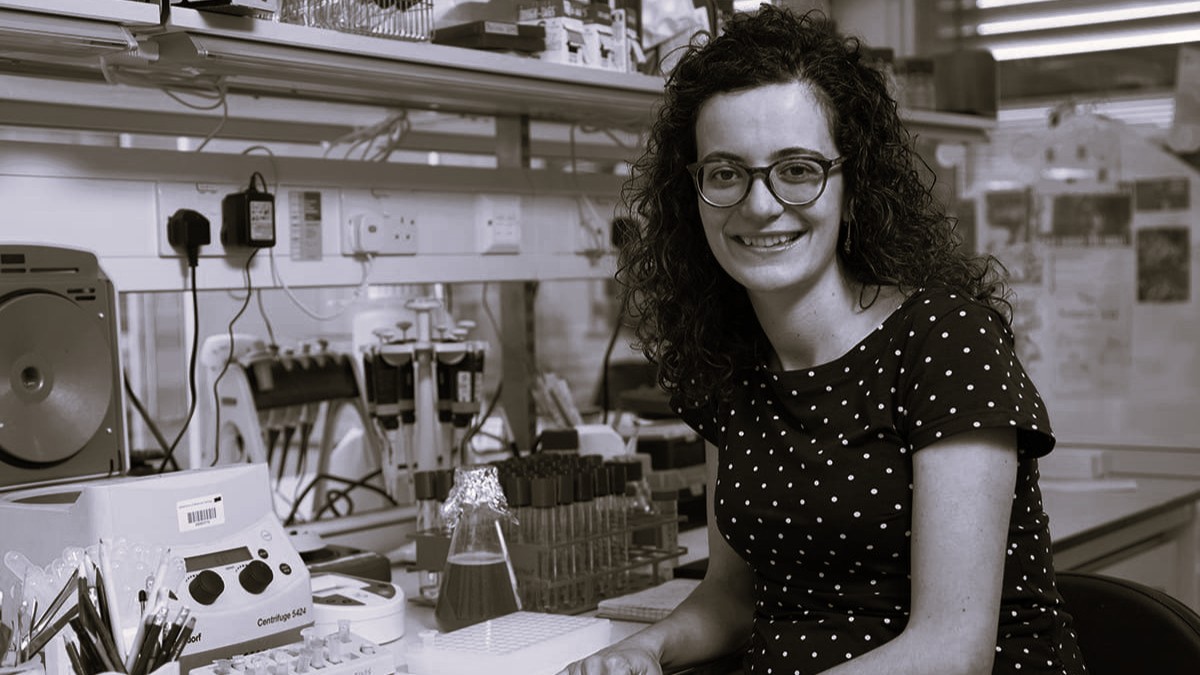
Cambridge Developmental Biologist Marta Shahbazi Dies in Spanish Train Crash
Dr. Marta Shahbazi, a developmental biologist, embryologist and Group Leader at the MRC Laboratory of Molecular Biology at the University of Cambridge, died at the age of 41 in the tragic high-speed train collision in Spain on October 28, 2026.
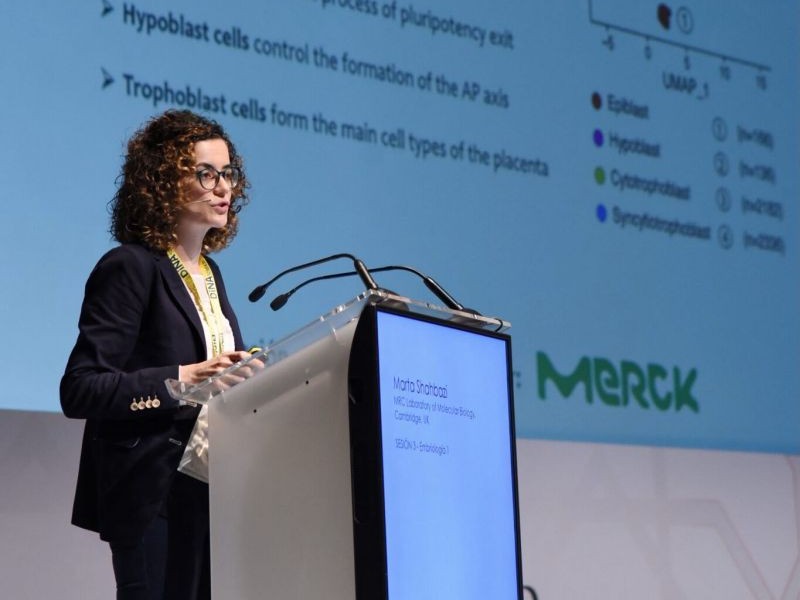
She was travelling to attend the Spanish Society of Developmental Biology Congress, where she was due to receive the 2026 José Luis Gómez-Skarmeta Award for her contributions to the study of early human development.
Much of Shahbazi’s work centred on the earliest stages of life. She studied how an embryo develops, how its cells begin to take on different roles, and what happens during the critical stages leading up to implantation.
Her research also explored how embryos respond to chromosomal abnormalities (aneuploidy), including how some are able to overcome these errors and continue developing.
Using human embryo models and stem-cell research, she helped shed light on processes that remain among the most complex and fascinating areas of reproductive and developmental biology.
While her scientific contributions will continue to shape the field, those who worked with her remember much more than her research. They describe a generous colleague, an inspiring mentor, a treasured friend and a devoted mother:
Max Ezzati, Medical Director at Sutter Health, Palo Alto Medical Foundation Fertility Services:
“I woke up this morning to the devastating news that Dr. Marta Shahbazi was among the victims of the recent tragic train crash in Spain.
Marta was an incredible scientist and, more importantly, an amazing human being – this is a tremendous, heartbreaking loss to our field. Her original work in early embryonic development was flawless, pioneering, and deeply inspiring. She was traveling to receive well-deserved recognition for her scientific excellence, a testament to the impact she made.
My sincere condolences go out to her family, friends, and all of her colleagues at Cambridge and beyond. Rest in peace, Marta.”
Roger Highfield, Science Director at Science Museum Group:
“Marta Shahbazi spent her career discovering how the very first steps of life are taken and it is unbearable that she will not be here to see where they lead next.
Today we learned that the brilliant Cambridge developmental biologist was killed in Spain’s rail disaster while travelling to collect an award for her work on the earliest stages of human development.
There’s a tribute in my Substack.”
Thorsten Boroviak, Principal Investigator at University of Cambridge:
“Following the tragic news of Marta Shahbazi’s passing in the train collision south of Madrid, I wanted to share a few personal thoughts about a wonderful colleague.
Marta was part of our PDN community at the University of Cambridge for many years, working in Magdalena Zernicka-Goetz’s lab before establishing her own research group at the LMB. She was an exceptionally dedicated, hard-working and collaborative scientist – full of enthusiasm for embryology. Her work was highly regarded internationally and her scientific contributions were groundbreaking: from pioneering human embryo post-implantation culture to more recent work on extraembryonic mesoderm and in vitro models of the human chorion.
What I particularly admired about Marta was her openness and her direct, no-nonsense approach. She would always be happy to talk science with you and she would always say what she thought, a character trait that is as rare as it is valuable.
It was a real pleasure and privilege to work with Marta and she will be deeply missed. My thoughts are with her family, friends and colleagues at the LMB during this incredibly difficult time.”
Ángel Martín Bastida, Medical Science Liaison in Oncohematology and Rare Diseases at Icon Group.
“Rest in peace, Marta. Great scientists leave a mark not only through their work, but also through the people they inspire and support along the way. Marta was a wonderful example of both. An exceptional scientist and a truly kind, humble, and generous person. Thank you for opening the doors of your lab to me and for always making me feel so welcome. My heartfelt condolences to your family and loved ones. You will be deeply missed.”
Association for the Study of Reproductive Biology (Asociación para el Estudio de la Biología de la Reproducción):
“From ASEBIR, we want to say goodbye with great affection to Marta Shahbazi, one of the great scientists of our country, who died in the Urda train accident.
Many of us remembered her at our XI Congress, in Toledo, in November 2021. She opened her speech with a phrase that stuck with us: ‘humans reproduce very inefficiently’. From there she led us, with rigor and with a closeness that made it easy to understand the most complex, to think about why such a large part of human embryos are lost and how to continue studying their development beyond the blastocyst.
Her work helped us to peek into a stage of human development that for a long time was almost invisible to science: implantation and the days that follow it. She was part of the team that managed to keep human embryos in culture for 13 days, an advance that opened new questions for human biology and also for those of us who work every day in the reproduction laboratory.
Our most sincere hug to her family, to her colleagues at the MRC Laboratory of Molecular Biology in Cambridge and to all the people who loved her. And our remembrance to all the victims of the accident and their loved ones.
Thank you, Marta. Your legacy will continue to be present in each new question we ask ourselves about the origin of life.”
Stay informed with the latest updates in fertility and reproductive medicine on Fertility News.
-
Nov 3, 2026, 17:37Michael Chapman: Having Played a Part in the Evolution of IVF Has Been an Extraordinary Chapter of My Career
-
Nov 3, 2026, 17:36Sara Shikhman: Infertility Doesn’t Care How Hard You Work
-
Nov 3, 2026, 17:32Kathiuska Kriedt: What the National Fertility Awareness Week Means to Me
-
Nov 3, 2026, 17:31Saff Mitten: Grieving the Person You Were Before Infertility and IVF
-
Nov 3, 2026, 17:29Rajeev Agarwal: All Reports Normal, Still Not Pregnant?
-
Nov 3, 2026, 17:27When It Comes to RPL, More Treatment Does Not Always Mean Better Care – ESHRE SIG Reproductive Genetics
-
Nov 3, 2026, 17:24Eva van Rooijen: As A Mother Thanks to IVF, I Used to Think I Understood the Struggle…
-
Nov 3, 2026, 17:22What Would Work Look Like If People Didn’t Have to Choose Between Their Fertility Journey and Their Job? – ESHRE
-
Nov 3, 2026, 17:19Expert Fertility Care, Closer to Home in Salisbury – Complete Fertility