
Impact of Bushfire Exposure on ART Outcomes Explored – RBMO
Reproductive BioMedicine Online (RBMO) shared a post on LinkedIn:
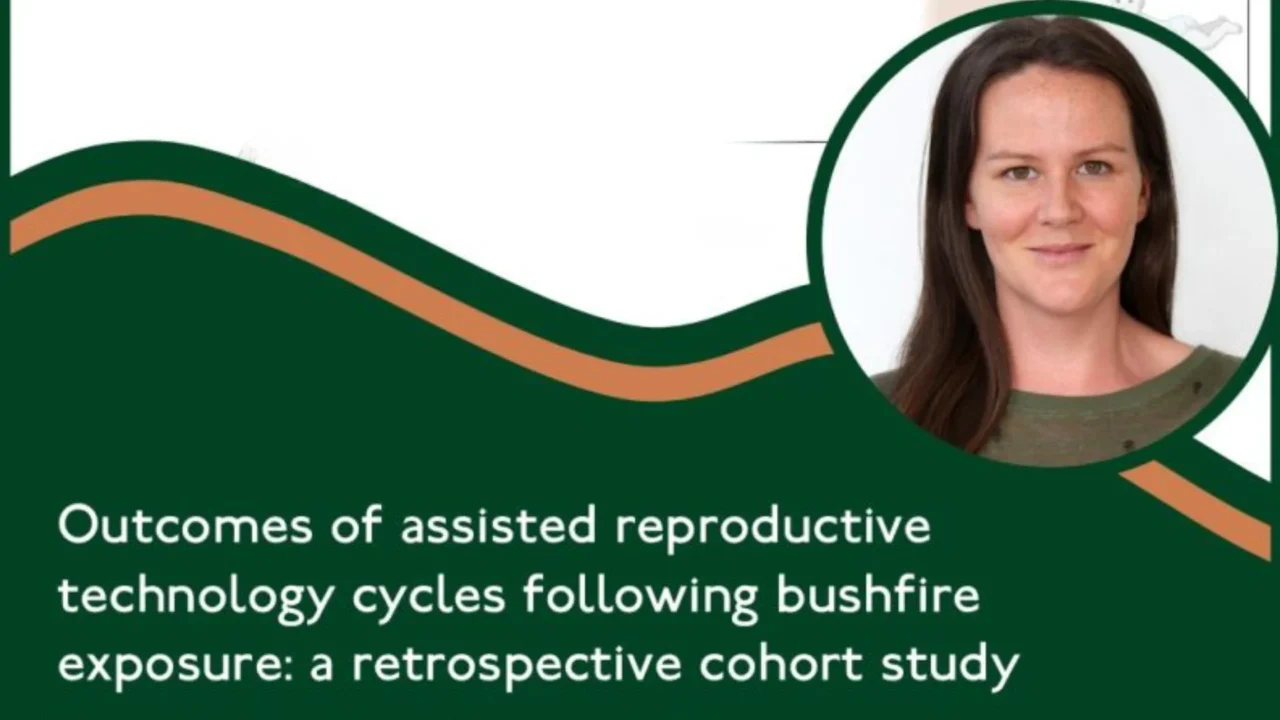
“Amy Winship and colleagues from institutes in South Australia present the results of a unique study assessing the relationship between exposure to severe prolonged bushfires and clinical ART outcomes.
Overall, their data show no significant effect of residential proximity to bushfire events on ART success; however, the findings highlight the need for further research in human populations and discovery-based studies, including controlled in-vivo and in-vitro models of bushfire-smoke exposure on reproduction, to guide decisions on health advice and policy during major fire events and in their aftermath.
Published open access, the paper can be read in full for free from our December issue.”
Title: Outcomes of assisted reproductive technology cycles following bushfire exposure: a retrospective cohort study
Authors: Yujie Cao, Ryan Rose, Meaghan J Griffithsa, Lauren R Alesia, Karla J Hutta, Jessica Stringera, Fabienne Reisen, Deirdre Zander-Fox, Mark P Green, Amy L Winship

Stay updated on all scientific advances in the field of fertility with Fertility News.
-
Oct 21, 2026, 17:57Ula Sankowska: What I’ll Bring to ASRM INNOVATE in Baltimore
-
Oct 21, 2026, 17:40Robert Borowczyk: The Invisible Waiting Room
-
Oct 21, 2026, 17:35Fereshteh Safian: Behind the Scenes of Reproductive Medicine
-
Oct 21, 2026, 17:20The Relationship Between Trophectoderm Biopsy and Early Pregnancy Outcomes – RBMO
-
Oct 21, 2026, 17:09Jules McDonald: The Future of Fertility Is Happening in Abu Dhabi
-
Oct 21, 2026, 16:53Ashley Evans: I Never Imagined I’d Be a Fertility Story with a Group of People Whom I Have Never Met…
-
Oct 21, 2026, 16:41Karthik Raj: Asherman’s Syndrome – When the Endometrium Cannot Regenerate Normally
-
Oct 21, 2026, 16:36Katy Encalade: A Few Misconceptions I Think Every Woman Considering Egg Donation Deserves to Understand
-
Oct 21, 2026, 16:21The FeRGI Working Group 2026-2027 – ESHRE SIG Reproductive Genetics