

Placenta-Targeted Nanoparticles: A New Frontier in Recurrent Pregnancy Loss – Reproduction and Fertility
Reproduction and Fertility shared a post on LinkedIn:
“Day 4 of RaFJC – Placenta-Targeted Nanoparticles: A New Frontier in Recurrent Pregnancy Loss (RPL)
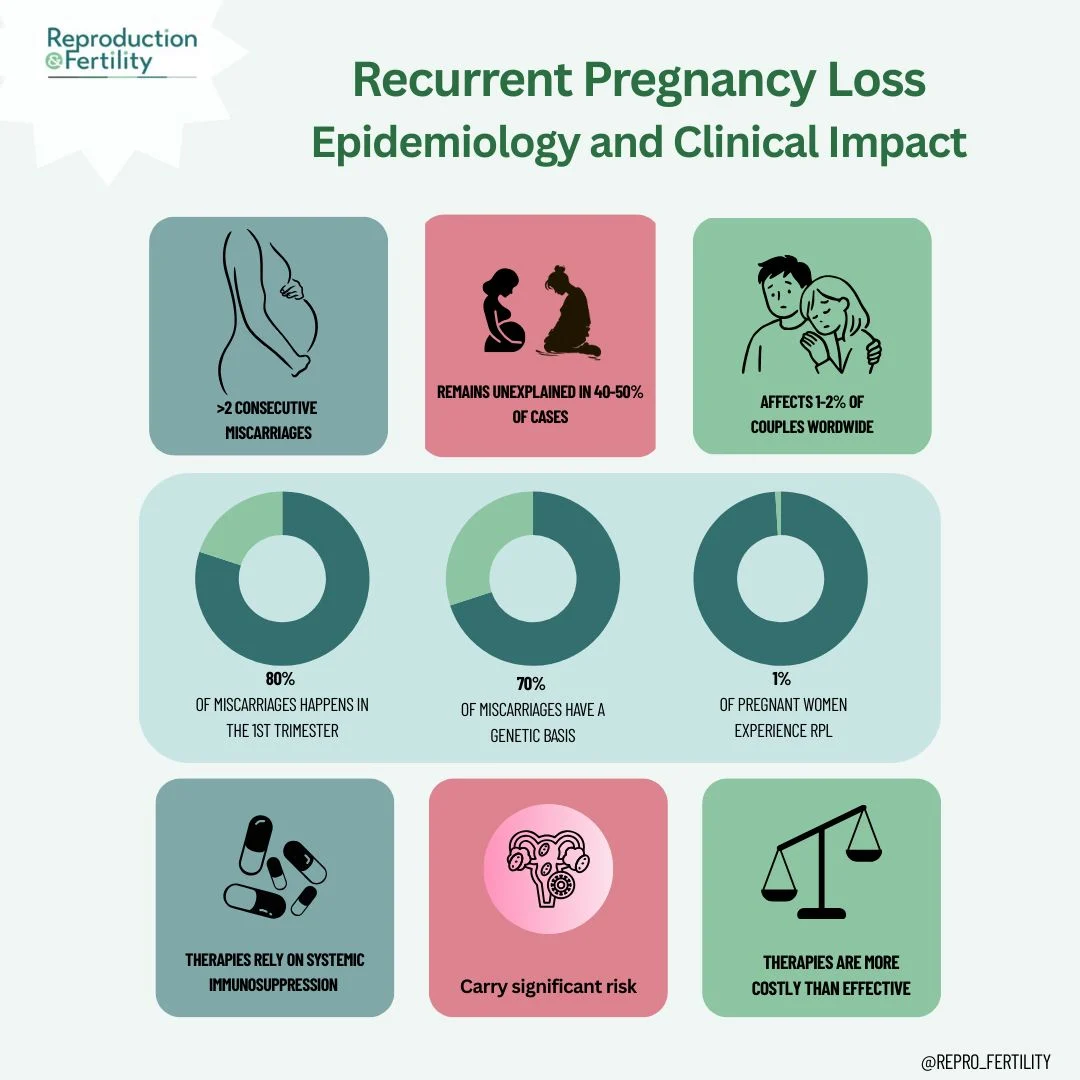
Recurrent pregnancy loss (RPL) (two or more consecutive miscarriages) affects 1–2% of couples worldwide. Up to 50% of cases remain unexplained, with immune maladaptation at the maternal–fetal interface increasingly recognised as a key driver.
Current therapies rely on systemic immunosuppression (corticosteroids, IVIG, TNF inhibitors), which:
- Show inconsistent efficacy
- Carry significant risks
- Are costly and not always accessible
This highlights the urgent need for localised, safer, and cost‑effective therapies.
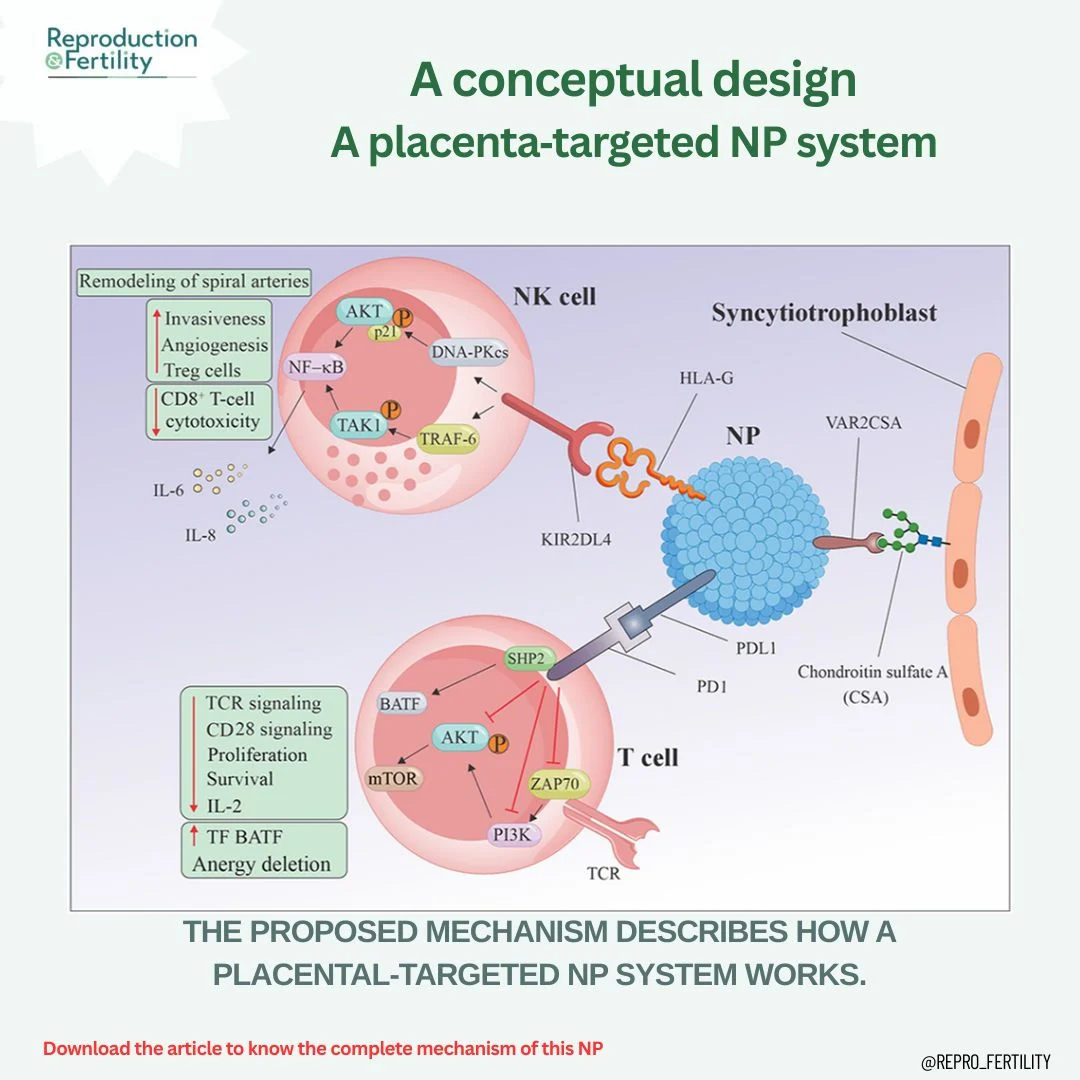
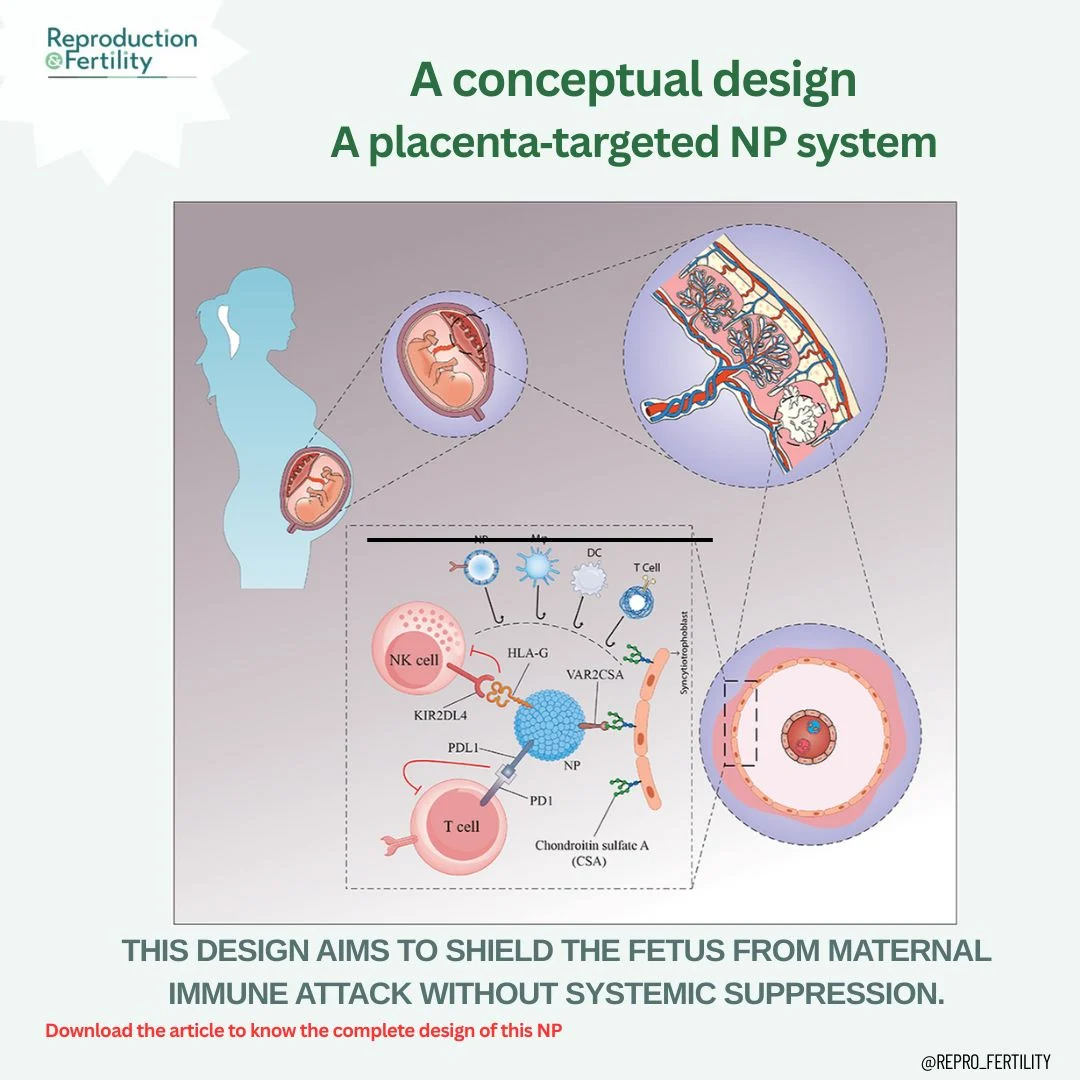
Mohsen Dashti, Vinnie A., and Mehdi Yousefi propose a placenta‑targeted nanoparticle (NP) system for localized immune cloaking.
Core design:
- PLGA biodegradable matrix
- Lipid‑PEG stealth layer to prolong circulation
- SPIONs for imaging and tracking
- Placental‑homing peptides for site‑specific delivery
Evidence so far:
- Rodent and primate models show placenta‑specific NP delivery is feasible
- NPs can induce anti‑inflammatory cytokines, suppress cytotoxic NK/T cells, and remodel spiral arteries
- Ex vivo human placenta models confirm uptake with minimal fetal exposure
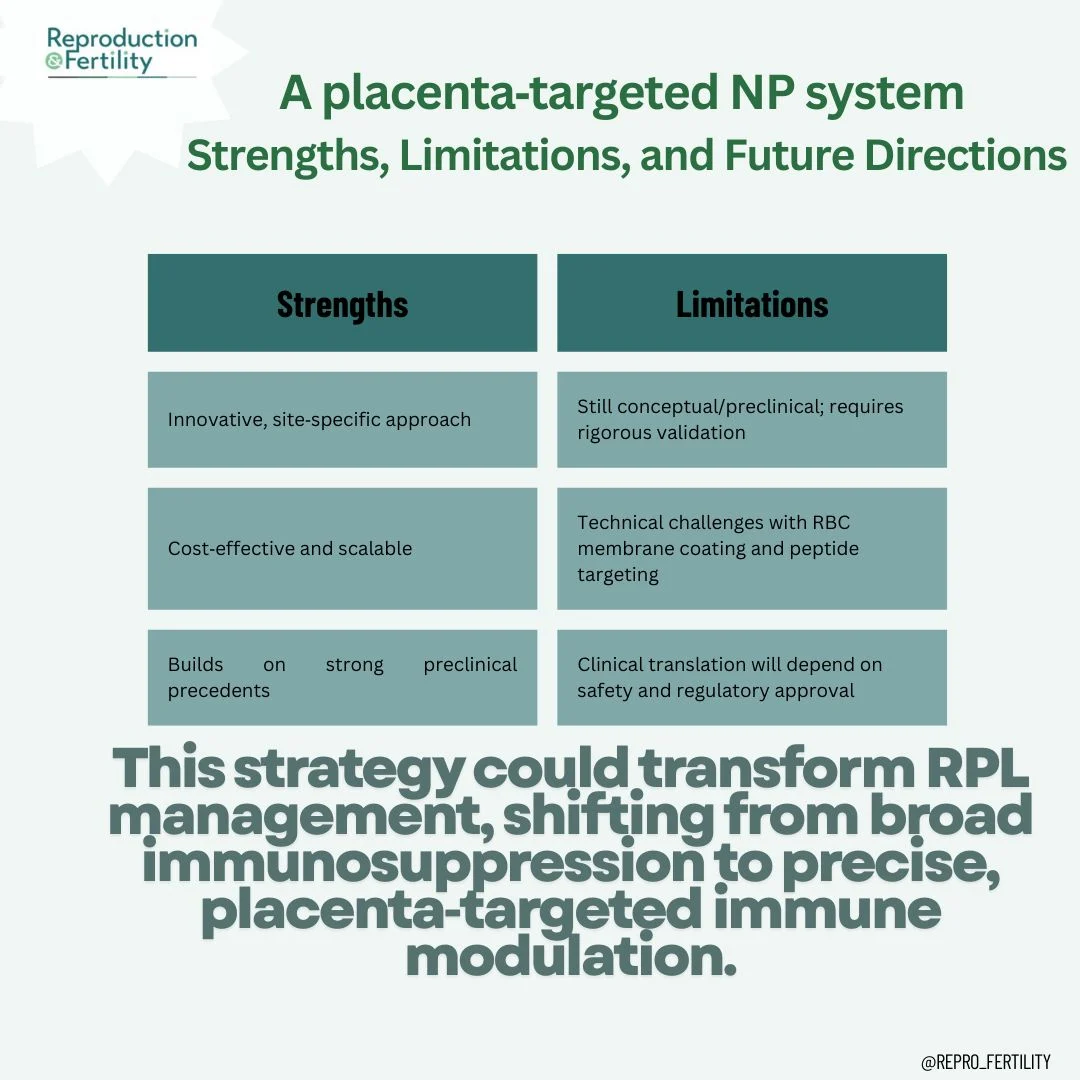
Estimated cost: $0.56–$5.58 per dose, far cheaper than IVIG or biologics. Production is scalable.
In conclusion, placenta‑targeted nanoparticles represent a promising therapy for unexplained RPL, offering localized immune tolerance while avoiding systemic risks.
Read the full article.
Join the discussion in the comments:
- What challenges must be overcome for clinical translation?
- How might localised immune cloaking reshape patient care?
- Which biomarkers should guide future trials?
Explore the Special Collection: Immune Regulation and Inflammatory Mechanisms in Reproductive Health and Disease.”
Stay updated on all scientific advances in the field of fertility with Fertility News.
-
Oct 11, 2025, 06:44The Global IVF Market Is Set to Reach $65B by 2032 – Meddilink
-
Mar 16, 2026, 13:30Simon Meagher and Rabih Chaoui Discuss Fetal Heart Scanning in the Latest ISUOG Podcast – ISUOG
-
Mar 16, 2026, 12:58Exploring the Link Between Adenomyosis and Proliferative Endometrial Disorders – Fertility and Sterility
-
Mar 16, 2026, 12:55Nicola Pozzi: A New Mechanism to Reduce Thrombus Formation Without Increasing Bleeding Risk
-
Mar 16, 2026, 12:44Endometriosis Awareness Month Virtual Issue! – ISUOG
-
Mar 16, 2026, 12:30Jeanne Conry: When the Government Intervenes, Women Die
-
Mar 16, 2026, 12:23Magdalena Simonis Highlights the Need to Change the Rhetoric on Endometriosis
-
Mar 16, 2026, 12:00Julia Chain Highlights Fertility Preservation as Part of Women’s Health Campaign – HFEA
-
Mar 15, 2026, 15:26Watching Life Begin: Scientists Track Embryo Implantation in Real Time! – Science Magazine
-
Mar 15, 2026, 15:03Reem Abu-Rustum Spotlights Fetal Situs in New ISUOG Quiz – ISUOG