

Sonia Muliyil: Advancing Endometriosis Diagnosis Through Targeted Imaging
Sonia Muliyil, Editor in Chief at The Lancet Obstetrics, Gynaecology and Women’s Health, shared a post by Nuffield Dept of Women’s and Reproductive Health, University of Oxford on LinkedIn about a paper by Tatjana Gibbons et al. published in The Lancet Obstetrics, Gynaecology and Women’s Health:
“With invasive surgery remaining the most definitive method of diagnosis for Endometriosis, there’s a dire need for good non-invasive tests. The DETECT study suggests that imaging with 99mTc-maraciclatide may help identify endometriosis, particularly superficial peritoneal disease. If validated in larger studies, this technique could serve as a novel diagnostic tool for endometriosis.
Assessment of endometriosis angiogenesis using 99mTc-maraciclatide imaging (DETECT): a single-centre, exploratory, open-label, non-randomised, phase 2 study
Huge congratulations to Krina Zondervan, Tatjana Gibbons and colleagues from Nuffield Dept of Women’s and Reproductive Health, University of Oxford
Media coverage: Endometriosis: New scan technique shows promise for earlier detection
Trial of non-invasive endometriosis scan boosts hopes for quicker diagnosis | Endometriosis | The Guardian.”
Quoting Nuffield Dept of Women’s and Reproductive Health, University of Oxford’s post:
“Could an innovative non-invasive scan reduce diagnostic delays for Endometriosis?
Endometriosis affects millions of women of reproductive age worldwide, yet diagnosis still involves years of uncertainty, frustration and pain, with surgery remaining the most reliable diagnosis tool.
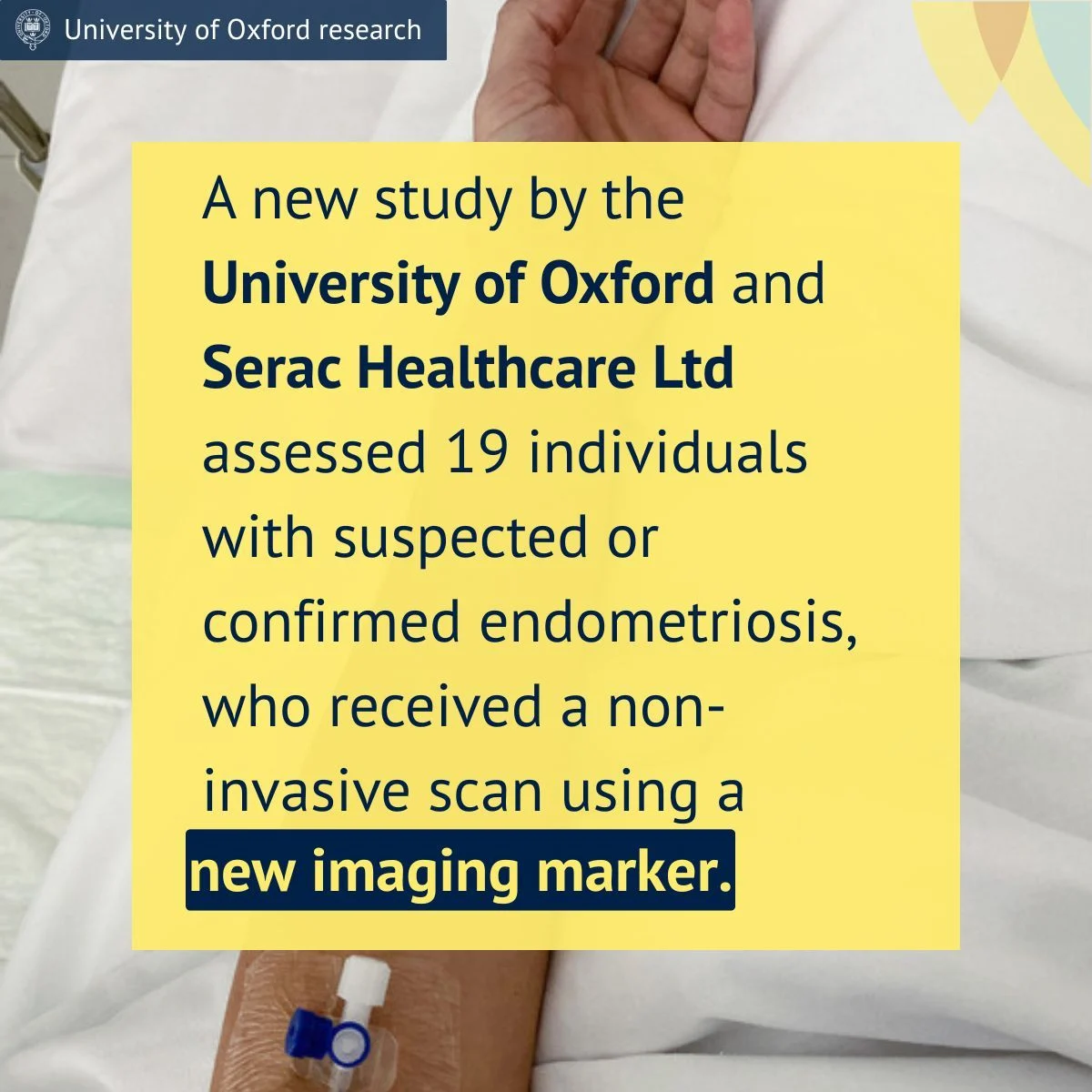
New research from the University of Oxford, in collaboration with Serac Healthcare, is exploring a faster, non-surgical approach to diagnosis, with findings now published in The Lancet Obstetrics, Gynaecology, and Women’s Health.
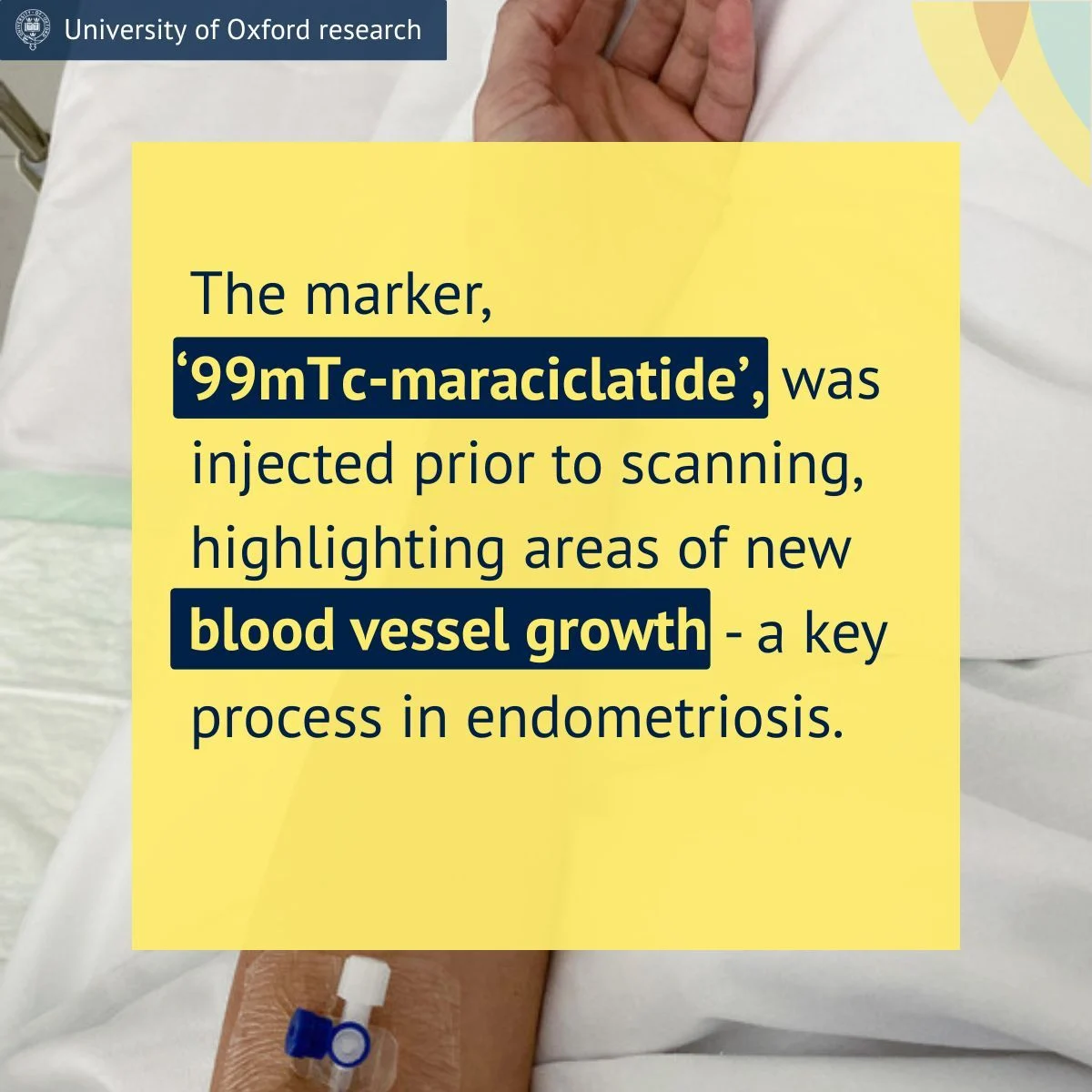
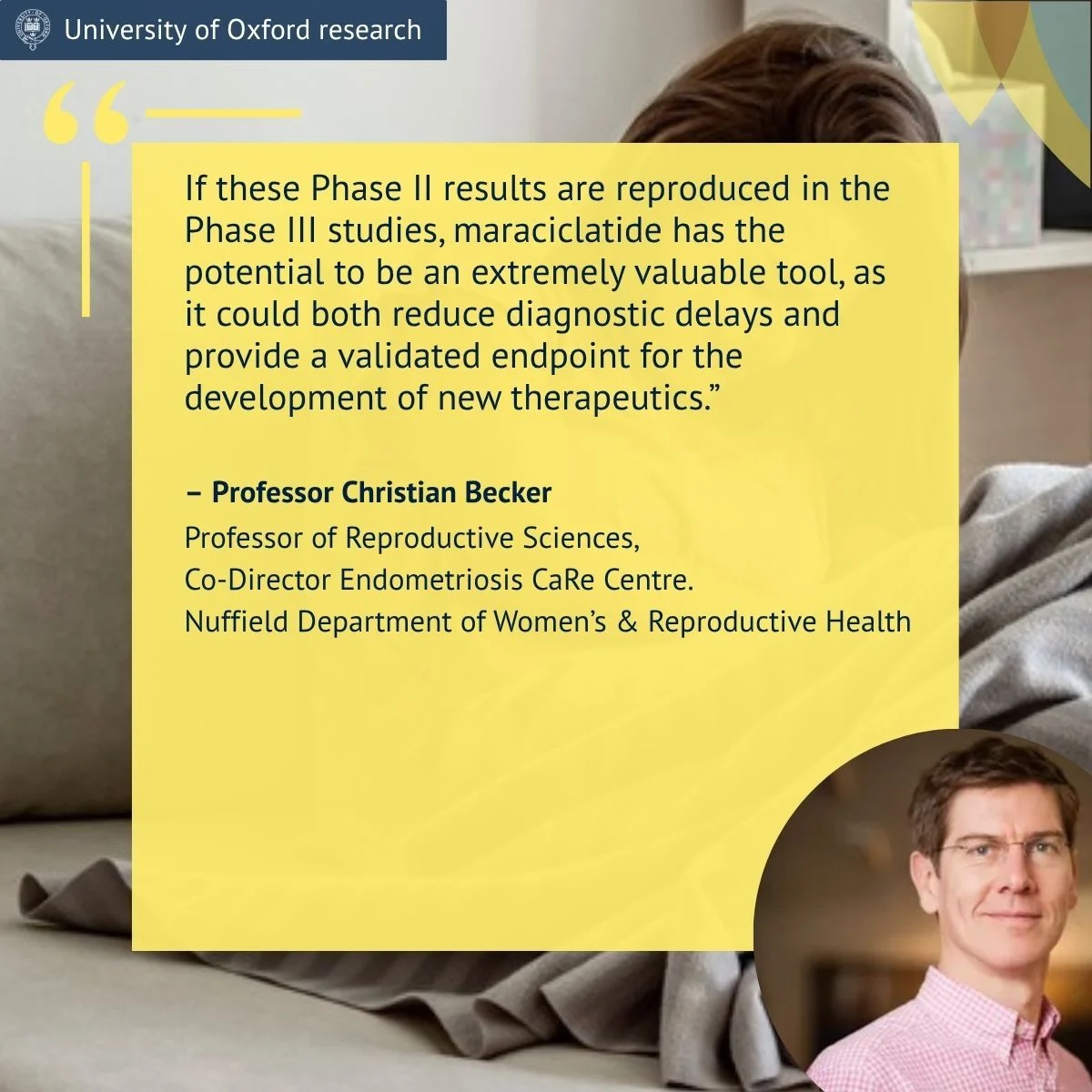
Using a targeted imaging marker (99mTc-maraciclatide), researchers were able to visualise new blood vessel growth, a key process in Endometriosis, enabling detection of potential disease sites without surgery.
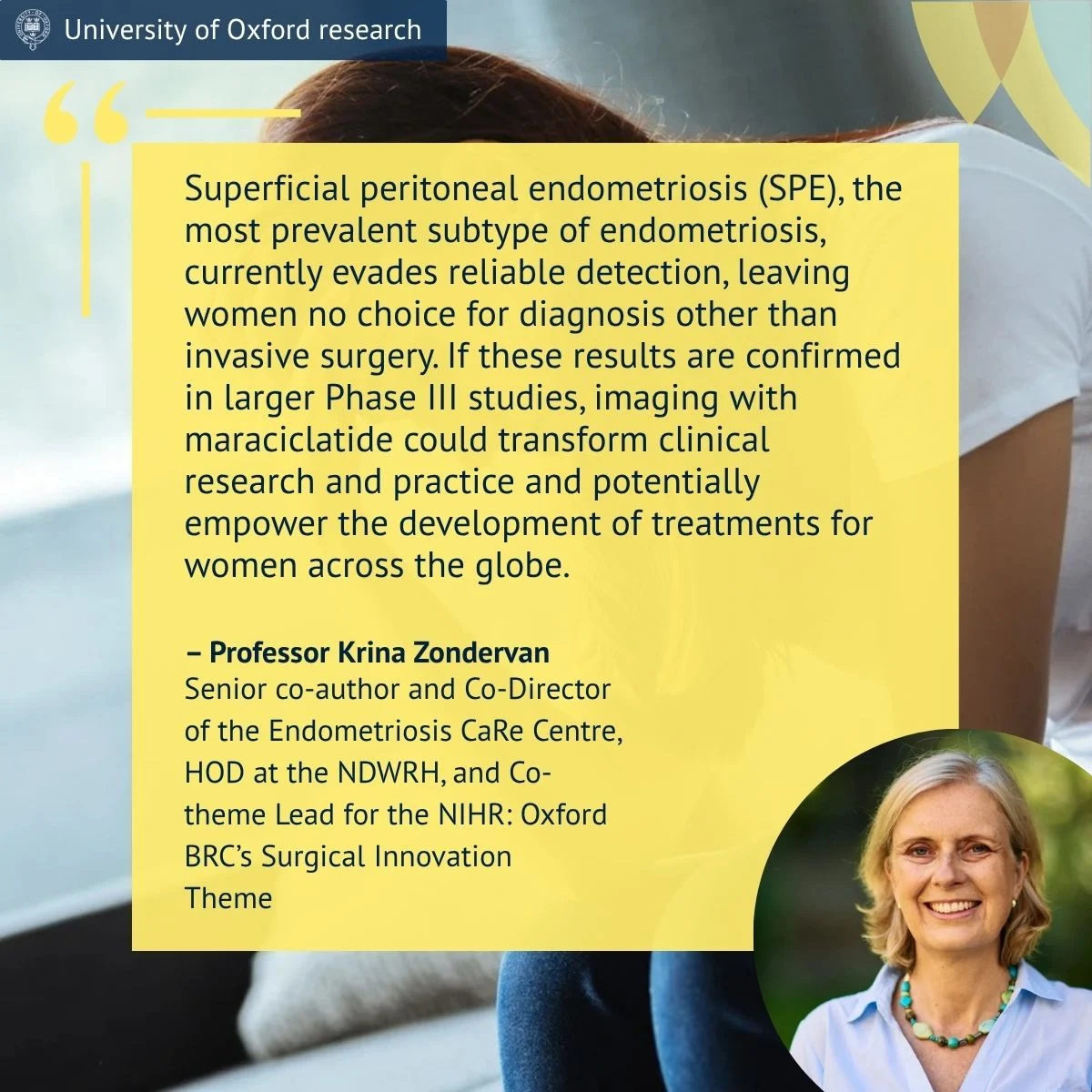
The scan performs on par with surgery, even detecting superficial peritoneal endometriosis (SPE), the most common form of the condition. Until now, SPE has only been detectable through surgical procedures.
These findings represent an important step toward reducing diagnostic delays while improving how endometriosis is detected and monitored.
Larger Phase III trials are now needed to validate these results.
We are grateful to the participants who made this study possible, to the NIHR Biomedical Research Centre: Oxford for funding, and to the researchers and collaborators working to transform endometriosis diagnosis.
For more information and to access the publication, please visit the link here.”
Title: Assessment of endometriosis angiogenesis using 99mTc-maraciclatide imaging (DETECT): a single-centre, exploratory, open-label, non-randomised, phase 2 study
Authors: Tatjana Gibbons, Munir Ghesani, Druin Burch, Sarah Cade, Richard Graham, Francesco Di Chiara, Neel Patel, Jon Barnett, Krina Zondervan, Christian Becker
Stay updated on all scientific advances in the field of fertility with Fertility News.





-
Sep 18, 2026, 20:27Hrishikesh Pai: Rethinking Male Infertility
-
Sep 18, 2026, 20:25Eric Verdin: Wrapping Up the Reproductive Aging Summit at the Center for Healthy Aging in Women
-
Sep 18, 2026, 20:21Investigating Pregnancy Outcomes in Women with Idiopathic POI – RBMO
-
Sep 18, 2026, 20:18Sue Ritchie: Why Aren’t We Talking About Male Fertility More?
-
Sep 18, 2026, 20:13Salma Yasin: Every Day of BFS Study Week 2026 Has Been an Exceptional Learning Experience
-
Sep 18, 2026, 20:01Qingcai Wang: Over 35 and Torn Between Trying Longer and Starting IVF?
-
Sep 18, 2026, 19:58Bhumika: Can a Woman Become Pregnant Again While Already Pregnant?
-
Sep 18, 2026, 19:5215 More Experts Join the International Fertility Forum Mumbai 2026
-
Sep 18, 2026, 19:50Curious About What Happens Behind the Scenes in the Labs? – Sims IVF