

Marco Zaccaria: The Role of the Junctional Zone in the Management of Adenomyosis With Infertility
Marco Zaccaria, Global Product Manager at ESGE European Society Gynecology Endoscopy, shared a post on LinkedIn:
“How important is it to identify and evaluate the endometrium-myometrium interface (JZ) via ultrasound in a women with adenomyosis?
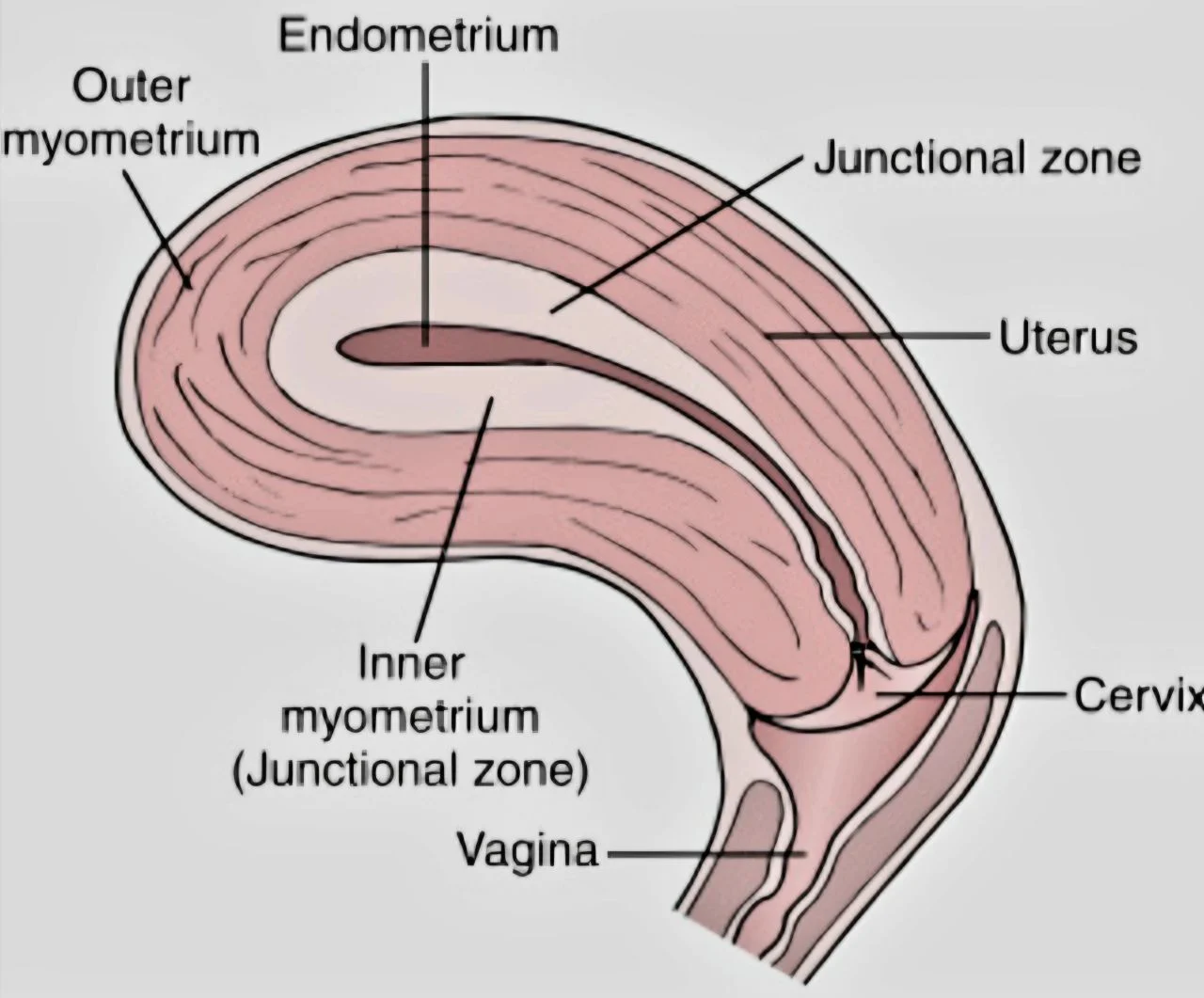
On an ultrasound, the thickness of the junctionalzone (the inner layer of the myometrium, in direct contact with the endometrium) is considered normal when it measures between 5 and 8 mm
In diagnostic imaging for adenomyosis, a junctional zone (JZ) thickness of more than 12 mm is the most widely accepted indicator for a likely diagnosis
Look also for specific qualitative and quantitative markers:
JZ Ratio: A ratio of the maximum JZ thickness to the total myometrial thickness of >40% is often used as a diagnostic parameter
JZ Difference: A difference between the maximum and minimum thickness of the JZ (JZmax − JZmin) exceeding 5 mm
Morphological Changes: an irregular, ill-defined, or ‘hazy’ appearance of the junctional zone on ultrasound, often accompanied by small myometrial cysts or asymmetric thickening of the uterine walls
As clinical impact, increased JZ thickness is significantly linked to reproductive issues, including a higher risk of embryo implantation failure during IVF treatments
Enjoy reading and studying.”
Title: The role of the junctional zone in the management of adenomyosis with infertility
Authors: Sha Wang, Hua Duan
Stay updated on all scientific advances in the field of fertility with Fertility News.
-
Oct 16, 2026, 19:56Dina Ibrahem: Poor ICM vs. Poor TE
-
Oct 16, 2026, 19:47Sean Lauber: NIPT and Amniocentesis after PGT-A Reveal Few Abnormalities
-
Oct 16, 2026, 19:42Devyanshi Dixit: C-Section vs. Vaginal Birth – 2 Birth Paths, 2 Very Different Recoveries
-
Oct 16, 2026, 19:32Pawel Kordowitzki: Maternal Vitamin D Homeostasis, Pregnancy Outcomes and Offspring Health
-
Oct 16, 2026, 19:13Shizuko Takahashi: Our Study on Women’s Experiences of Assisted Reproductive Care in China Has Been Accepted by RBMO
-
Oct 16, 2026, 19:09ESHRE Announces ECRES-GESEA Reproductive Surgery Training and Certification in Slovenia
-
Oct 16, 2026, 18:20Kabita KB: What Happens if PLCZ1 Is Defective?
-
Oct 16, 2026, 18:12Partha Sarathi Das: From Reproductive Lifespan to Reproductive Healthspan
-
Oct 16, 2026, 18:05Joyce Harper: It Was a Pleasure to Give 2 Talks Celebrating World Menopause Day