
Understanding HELLP Syndrome: A Life-Threatening Pregnancy Complication – Preeclampsia Foundation
Preeclampsia Foundation shared a post on LinkedIn:
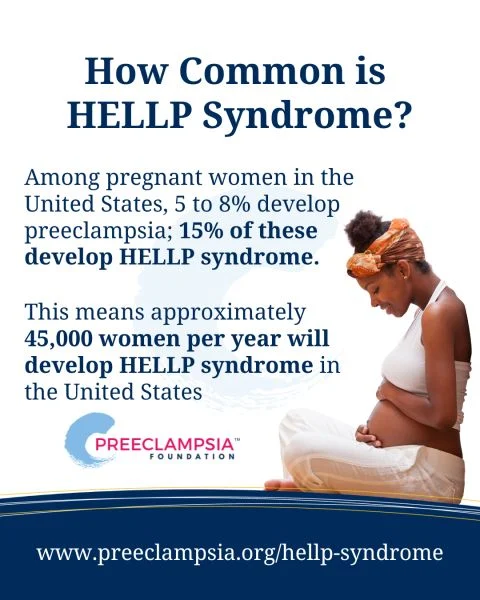
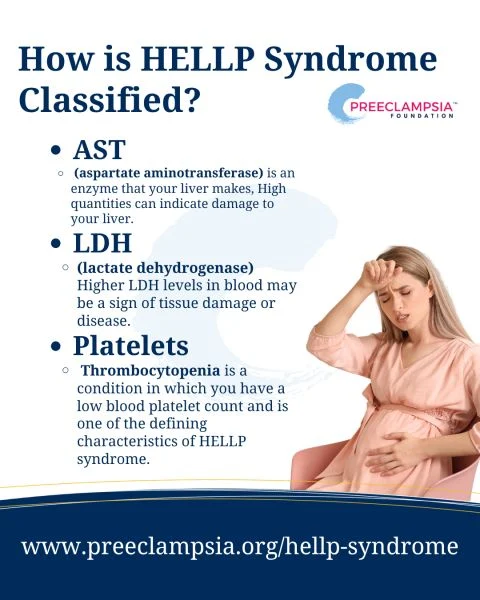
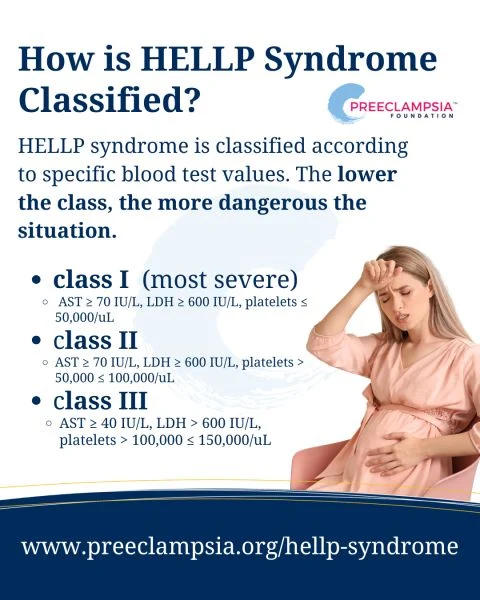
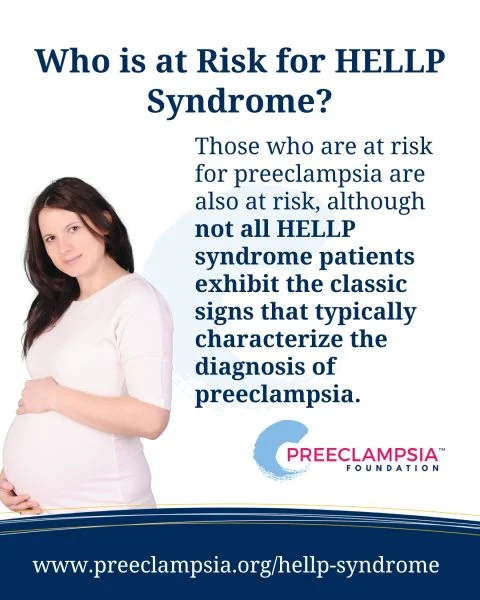
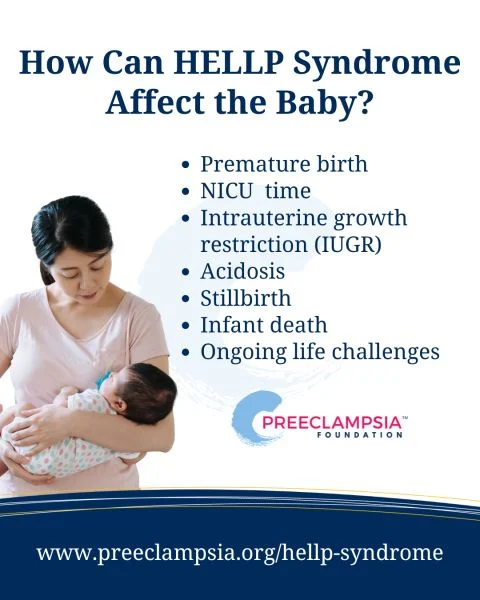
“HELLP (Hemolysis, Elevated Liver enzymes and Low Platelets) syndrome is a life-threatening pregnancy complication usually considered to be a variant of preeclampsia. Both conditions usually occur during the later stages of pregnancy, or soon after childbirth.
HELLP syndrome was named by Dr. Louis Weinstein in 1982 after its characteristics:
H (hemolysis, which is the breaking down of red blood cells)
EL (elevated liver enzymes)
LP (low platelet count)
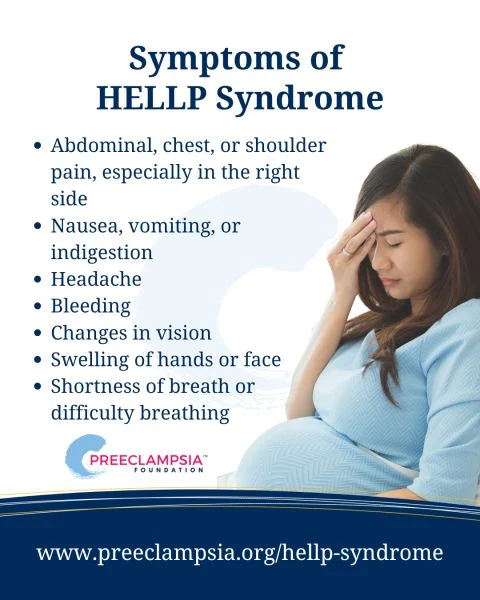
HELLP syndrome can be difficult to diagnose because all of the typical signs of preeclampsia may not be apparent, such as high blood pressure and protein in the urine. Its symptoms are sometimes mistaken for gastritis, flu, acute hepatitis, acute fatty liver disease, gall bladder disease, or other conditions. While some of these conditions may also be present, there is no evidence that they are related.
Early diagnosis is critical because serious illness and even death can occur in about 25% of cases.
Stay updated on all scientific advances in the field of fertility with Fertility News.
-
Oct 20, 2026, 17:03Bhargavi K.: Sometimes, the Most Interesting Part of Embryology Isn’t Finding an Answer
-
Oct 20, 2026, 17:00Jennifer Straub: Excited to Officially Join Pozitivf Fertility as Chief Operating Officer
-
Oct 20, 2026, 16:57Jordan Abdi: Looking Forward to Co-Hosting the “Rules of Reproduction”
-
Oct 20, 2026, 16:51Andria Besser: Hard to Believe This Is My Last Week at NYU Fertility Center
-
Oct 20, 2026, 16:48Michael Alper: Continuing to Care for Our Patients as Everleap Fertility
-
Oct 20, 2026, 16:43Ankita Sethi: An Insightful Afternoon at First IVF, Abu Dhabi
-
Oct 20, 2026, 16:41Michael Schindler: Our Answer at MedITEX IVF – The Patient and Lab System Is the Integration Layer
-
Oct 20, 2026, 16:35Marcos Meseguer Escrivá: What Happens When We Shorten the Blastocyst Warming Protocol?
-
Oct 20, 2026, 16:30Proud to Be Part of ASRM 2026 Scientific Congress and Expo – MEFS