

Valérie Namer: Key Recommendations for Women with PMOS and the Healthcare Professionals Who Support Them
Valérie Namer, Postgraduate Expert Teacher at Ostéonex Barcelona, shared on LinkedIn:
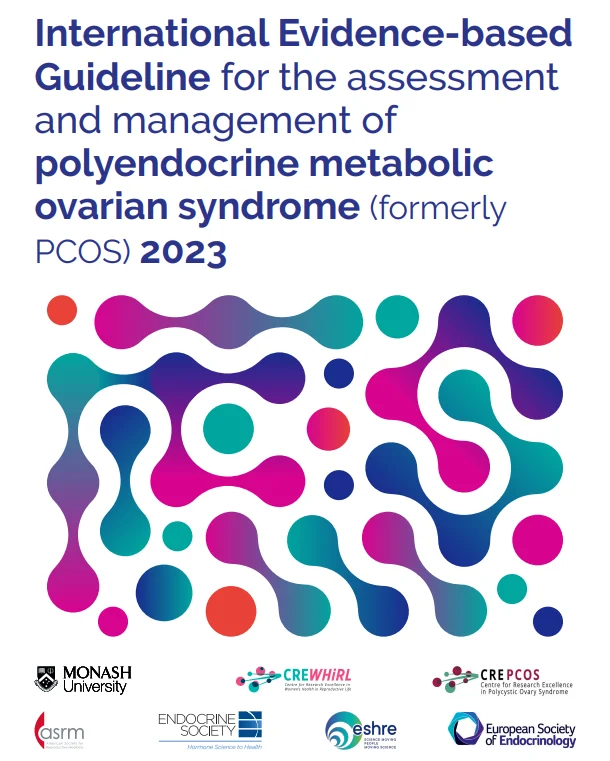
“Evidence-Based PMOS Guideline (2023)
Key recommendations for women with PMOS and the healthcare professionals who support them.
The 2023 international evidence-based guideline provides updated recommendations to improve the diagnosis, assessment, and management of polyendocrine metabolic ovarian syndrome (PMOS).
Diagnosis
PMOS is diagnosed in adults when 2 of 3 criteria are present (after excluding other causes):
- Hyperandrogenism (clinical or biochemical)
- Ovulatory dysfunction (irregular or absent periods)
- Polycystic ovaries on ultrasound or elevated AMH
If irregular periods and hyperandrogenism are both present, ultrasound or AMH are not required.
In adolescents, both hyperandrogenism and ovulatory dysfunction are required; ultrasound and AMH are not recommended.
Comprehensive care
Assessment should include reproductive, metabolic, cardiovascular, dermatologic, sleep, and mental health, with regular screening for diabetes, cardiovascular risk, pregnancy complications, and endometrial cancer risk.
Mental health matters
Anxiety, depression, eating disorders, body image concerns, and reduced quality of life are common. Routine screening and appropriate psychological support are recommended.
Lifestyle remains first-line
Healthy eating, regular physical activity, prevention of weight gain, and sustainable weight management are the foundation of lifelong PMOS care. No single diet or exercise approach has proven superior.
Treatment options
- Combined oral contraceptives: first-line for menstrual irregularity and hyperandrogenism.
- Metformin: primarily for metabolic health; generally more effective than inositol and not routinely recommended during pregnancy.
- Laser therapy may help reduce excess hair growth.
- Anti-obesity medications and bariatric surgery may be considered when appropriate.
Fertility
Letrozole is the preferred first-line treatment for ovulation-related infertility. Other treatments, including IVF, may be considered if initial therapies are unsuccessful.
Patient-centred care
Shared decision-making, evidence-based education, and coordinated multidisciplinary care are essential throughout life.
Looking ahead
More high-quality research and investment are needed to improve outcomes and strengthen future PMOS care worldwide.”
Stay informed with the latest updates in fertility and reproductive medicine on Fertility News.
-
Sep 18, 2026, 20:27Hrishikesh Pai: Rethinking Male Infertility
-
Sep 18, 2026, 20:25Eric Verdin: Wrapping Up the Reproductive Aging Summit at the Center for Healthy Aging in Women
-
Sep 18, 2026, 20:21Investigating Pregnancy Outcomes in Women with Idiopathic POI – RBMO
-
Sep 18, 2026, 20:18Sue Ritchie: Why Aren’t We Talking About Male Fertility More?
-
Sep 18, 2026, 20:13Salma Yasin: Every Day of BFS Study Week 2026 Has Been an Exceptional Learning Experience
-
Sep 18, 2026, 20:01Qingcai Wang: Over 35 and Torn Between Trying Longer and Starting IVF?
-
Sep 18, 2026, 19:58Bhumika: Can a Woman Become Pregnant Again While Already Pregnant?
-
Sep 18, 2026, 19:5215 More Experts Join the International Fertility Forum Mumbai 2026
-
Sep 18, 2026, 19:50Curious About What Happens Behind the Scenes in the Labs? – Sims IVF