
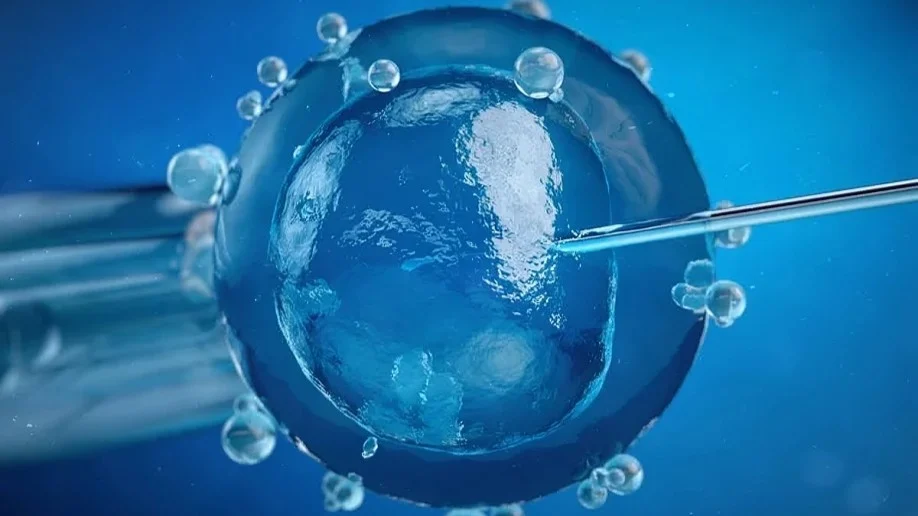
Somil Singhal: ICSI Procedure Step-by-Step
Somil Singhal, Medical Doctor at AIIMS (All India Institute of Medical Sciences, New Delhi), shared on LinkedIn:
“ICSI Procedure Step by Step
The ICSI procedure usually takes place as part of in vitro fertilization
Here’s how it typically works:
- Ovarian Stimulation: The woman undergoes hormonal treatment to stimulate her ovaries to produce multiple eggs.
- Egg Retrieval: Once the eggs are mature, retrieves them from the woman’s ovaries using a minor surgical procedure.
- Sperm Collection: On the same day as egg retrieval, the man provides a sperm sample. If there are issues with sperm quality or quantity, it is better to obtain a sperm sample through other methods, such as a testicular biopsy.
- ICSI: Under a microscope, select a healthy-looking sperm and inject it directly into an egg using a fine needle.
- Fertilization: After the sperm injection, it is necessary to monitor the eggs to see if fertilization occurs. If fertilization is successful, then transfer the embryos into the uterus.
- Embryo Transfer: A few days after fertilization, transfer one or more embryos into the uterus.
The goal is for the embryos to implant and lead to a successful pregnancy.”
ICSI Success Rates and Risks
ICSI can significantly improve the chances of fertilization, even in cases of severe male infertility. However, like any medical procedure, it’s important to understand both the benefits and risks.
ICSI Success Rates: The success of ICSI varies depending on several factors, including the age of the woman, the quality of the eggs and sperm, and the expertise of the medical team. On average, the success rate of ICSI ranges from 40% to 50% per cycle.
ICSI Risks: While ICSI is generally safe, there are some risks involved. These may include the possibility of genetic abnormalities in offspring, although the risk is very low. Additionally, there’s a small chance of damage to the eggs or embryos during the injection process.
Risks associated with ICSI
- Excessive response to fertility drugs (ovarian hyperstimulation syndrome)
- Multiple birth (twins and triplets)
- Premature labour and low birth weight
- A small increased risk of birth defects compared with spontaneously conceived babies
What to do with unused embryos
Sometimes people have embryos in storage that they don’t intend to use. Most commonly this is because they have completed their family, but for some people, health reasons prevent them from using their stored embryos. At the end of the storage time limit, which is 5 years, it is necessary to decide what to do with unused embryos.
There are 4 options available:
- Apply for an extension of storage time.
- Dispose of the embryos.
- Let the embryos be used for research.
- Donate the embryos to an infertile person or couple.
Couples who have frozen embryos that they are not intending to use often find it difficult to decide what to do with them.”
Proceed to the video attached to the post.
Other articles featuring Somil Singhal on Fertility News.
-
Sep 9, 2026, 15:23Tobacco’s Harmful Impact on the Reproductive Health of Both Women and Men – United Nations Office at Geneva
-
Sep 9, 2026, 13:21Tim Child: Child Fertility Is Looking for an Experienced IVF Consultant to Join the Team in Riyadh
-
Sep 9, 2026, 13:03The IVF Laboratory Environment: Which Factors Actually Influence Embryo Development?
-
Sep 9, 2026, 10:41Margaret Cali: Sometimes Preparation for IVF Becomes Another Layer of Pressure…
-
Sep 9, 2026, 10:36Carmen Mair։ A “Normal” Semen Analysis Does Not Tell You the Whole Fertility Story…
-
Sep 9, 2026, 10:15Lucy Froese։ The Longer It Doesn’t Happen, the More You Start to Believe It’s Never Going To…
-
Sep 9, 2026, 10:07Clare Mansfield։ Welcome to Flowering Fertility
-
Sep 9, 2026, 09:58Diana Kayal։ Oncofertility Is Not One Decision – It Is a Series of Carefully Considered Ones
-
Sep 9, 2026, 09:23Jordan Abdi: Evaluating Outcomes in Transferring Aneuploid Embryos