

Beyond the Progesterone Number: Rethinking Embryo-Endometrial Synchrony in Frozen Embryo Transfer
“Frozen embryo transfer (FET) has transformed from a secondary component of IVF into a central part of modern assisted reproduction. Improvements in vitrification, embryo culture, and blastocyst selection have strengthened the laboratory side of FET. Yet implantation still depends on a fundamental biological requirement: the embryo must encounter an endometrium that has undergone the appropriate progesterone-driven transformation at the appropriate time.
As a result, progesterone in frozen embryo transfer sits at the centre of an increasingly important question.
Is the goal simply to achieve a particular serum progesterone concentration – or is the more meaningful goal to establish appropriate progesterone exposure, endometrial transformation, and embryo developmental timing?
The distinction matters because serum progesterone is a measurement. It is not the endometrium itself.
Why should progesterone be viewed as more than a number?
Progesterone is a key regulator of the transition from an oestrogen-primed endometrium toward the secretory state required for implantation. In programmed or artificial FET cycles, where ovulation and corpus luteum function are absent, exogenous progesterone provides the principal luteal signal.
Observational studies have repeatedly associated low circulating progesterone around embryo transfer with poorer reproductive outcomes, particularly in artificial FET cycles using vaginal progesterone. This has made serum progesterone an attractive clinical biomarker.
But association should not automatically be interpreted as proof that a specific serum concentration is a universal therapeutic target.
This distinction becomes especially important because progesterone pharmacokinetics depend on formulation and route. Vaginal progesterone can produce substantial local endometrial exposure without producing serum concentrations that necessarily mirror tissue exposure.
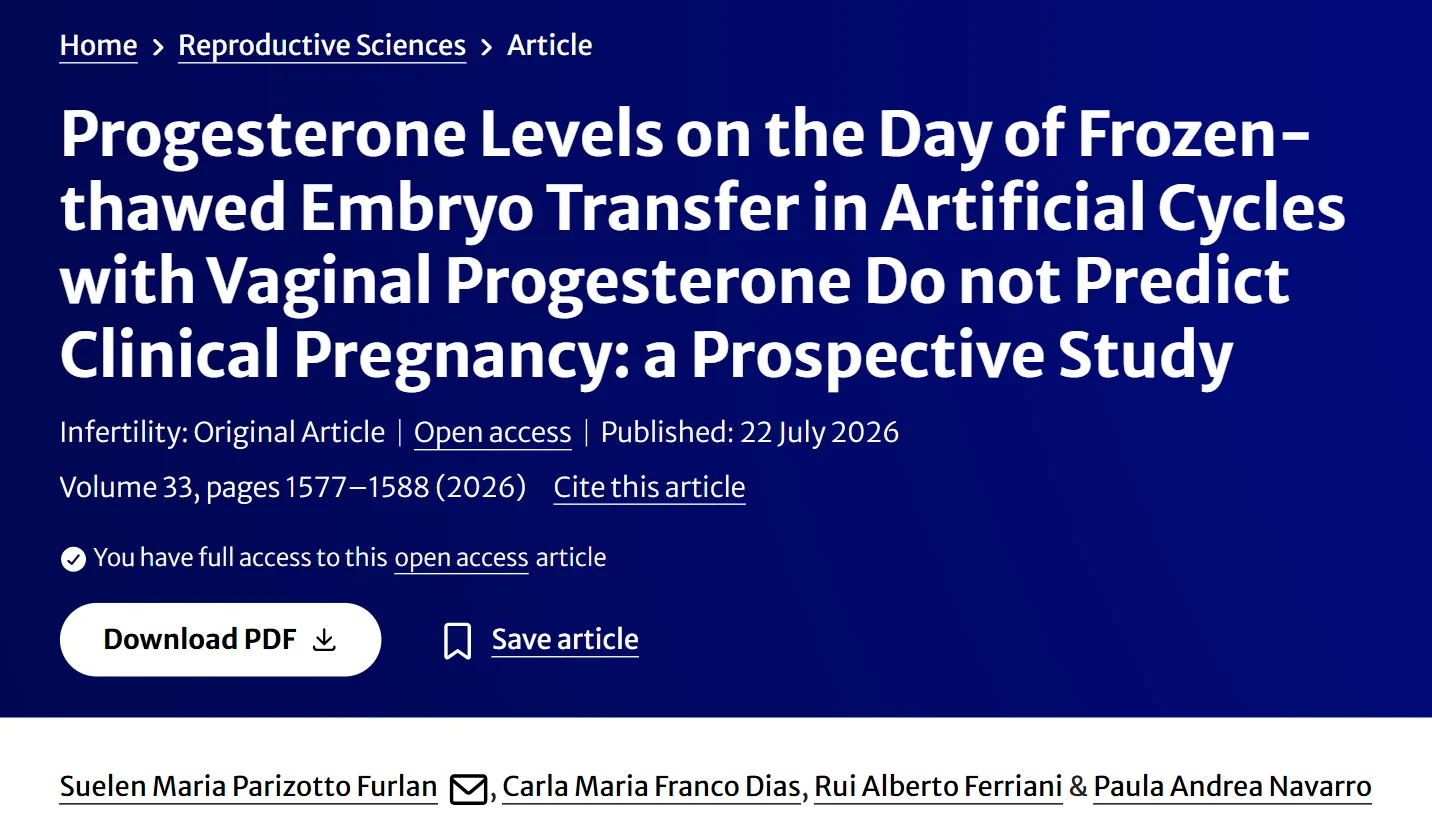
A 2026 prospective study of 235 patients undergoing artificial FET with vaginal micronized progesterone found that progesterone measured on the day of embryo transfer did not predict clinical pregnancy in that population. The finding does not eliminate the possibility that inadequate progesterone exposure can impair outcomes; rather, it demonstrates the limitations of treating a single serum measurement as a complete representation of endometrial biology.
Is there a universal progesterone threshold for FET?
The literature contains several proposed serum progesterone thresholds, with values around 10 ng/mL frequently appearing in studies of artificial FET. However, the apparent threshold varies according to progesterone formulation, route, timing of blood sampling, laboratory assay, patient population, and study design.
That makes a universal cutoff difficult to defend.
A particularly important distinction is between prognostic association and treatment effect.
If women with lower progesterone have lower live-birth rates, this establishes a clinically relevant association. It does not by itself prove that increasing progesterone in every woman below a particular threshold will restore the outcome.
This is why the growing literature on rescue progesterone should be interpreted carefully.
A 2026 controlled trial evaluating women with low progesterone found no statistically significant difference in pregnancy outcomes between standard support, additional rescue progesterone and women with higher progesterone concentrations. The study was small, and the authors emphasized the need for larger trials.
The implication is not that progesterone monitoring has no clinical value. It is that the meaning of a progesterone result depends on context.
Does progesterone exposure need to match embryo development?
This is where the concept of embryo-endometrial synchrony becomes particularly important.
In an artificial FET cycle, progesterone exposure determines the timing of endometrial transformation. At the same time, the embryo continues along its own developmental trajectory.
The clinical objective is therefore not simply to expose an endometrium to progesterone. It is to coordinate:
progesterone exposure – endometrial transformation – embryo developmental stage – implantation.
The biological concept is compelling, but clinical practice must still be guided by outcome data.
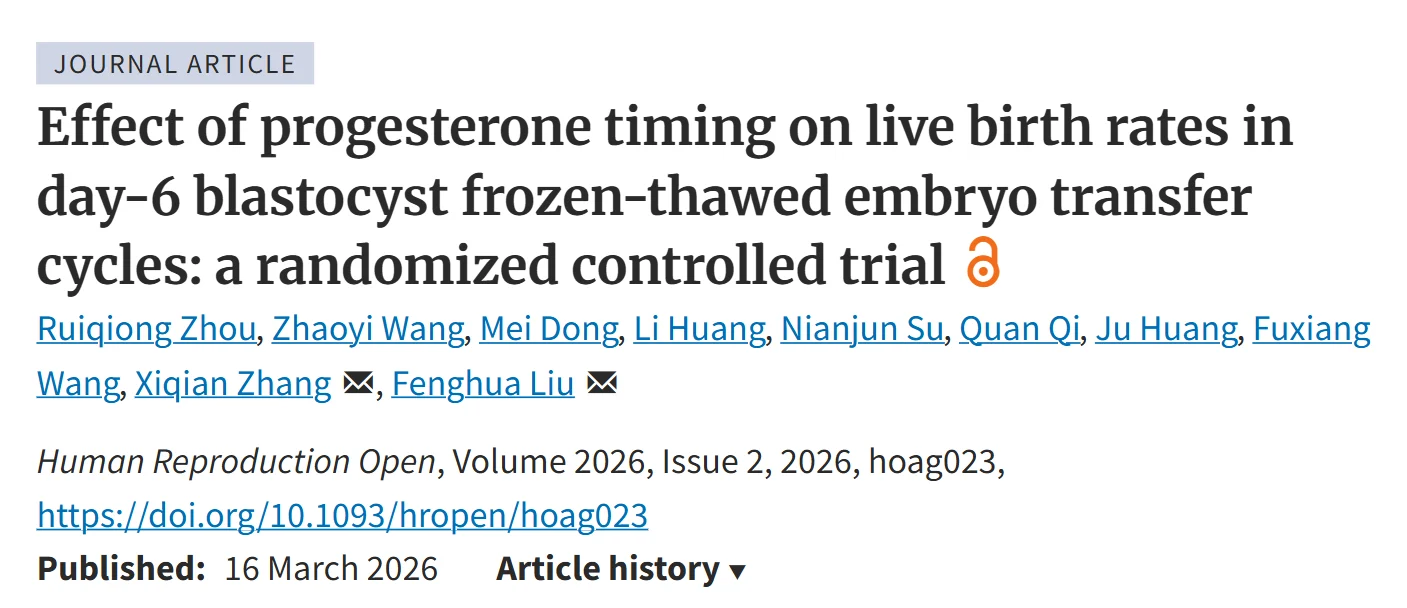
A 2026 randomized controlled trial directly addressed this question in 338 women undergoing artificial FET with Day-6 blastocysts. Participants were randomized to transfer after six or seven days of progesterone exposure.
Live-birth rates were comparable: 45.0% after six days versus 40.2% after seven days. The adjusted relative risk was 0.90 (95% CI 0.70–1.14; P=0.367).
Exploratory post-hoc analyses suggested that blastocyst expansion stage might modify the relationship between progesterone exposure and outcome. However, these analyses were not the primary endpoint and were not powered to establish a definitive subgroup treatment effect.
The study supports flexibility in progesterone timing; it does not establish a universal P+6 or P+7 rule.
What should happen when progesterone is low?
The practical question is often what to do when a low serum progesterone value is detected.
Possible approaches include increasing the dose, adding another route of administration or introducing rescue progesterone. These strategies are biologically plausible and increasingly studied.
However, the evidence remains heterogeneous.
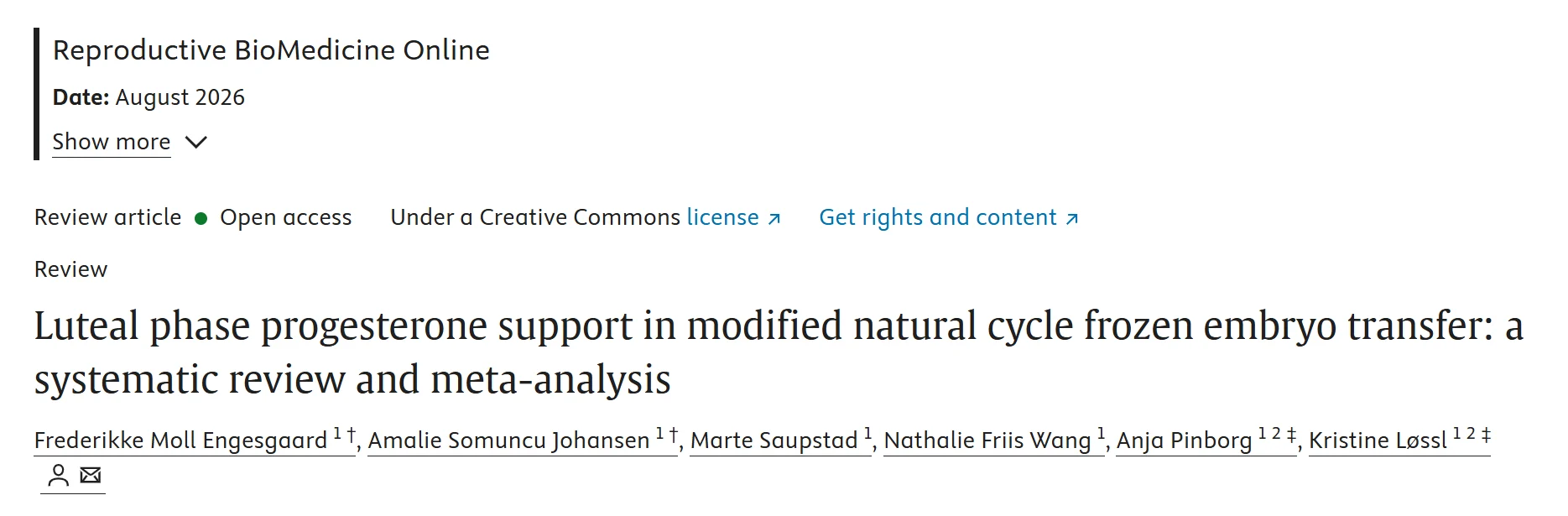
A 2026 systematic review and meta-analysis of luteal progesterone support in modified-natural FET included 3,896 cycles. Across the available evidence, including three randomized controlled trials, progesterone luteal support did not produce a significant improvement in live-birth rate. The authors concluded that the evidence does not support a general benefit, while leaving open the possibility that specific subgroups may benefit from an individualized approach.
This illustrates a broader principle in reproductive medicine: a treatment should not become routine simply because its biological rationale is attractive.
Does the same progesterone strategy apply to every FET cycle?
No – and this may be one of the most important distinctions in contemporary FET practice.
A programmed FET cycle is endocrinologically different from a natural or modified-natural cycle.
In an ovulatory cycle, the corpus luteum contributes endogenous progesterone and other hormonal signals. In an artificial cycle, those physiological signals are absent and must be replaced pharmacologically.
Therefore, progesterone cannot be interpreted independently of the cycle in which it is being used.
Recent evidence reinforces this point.
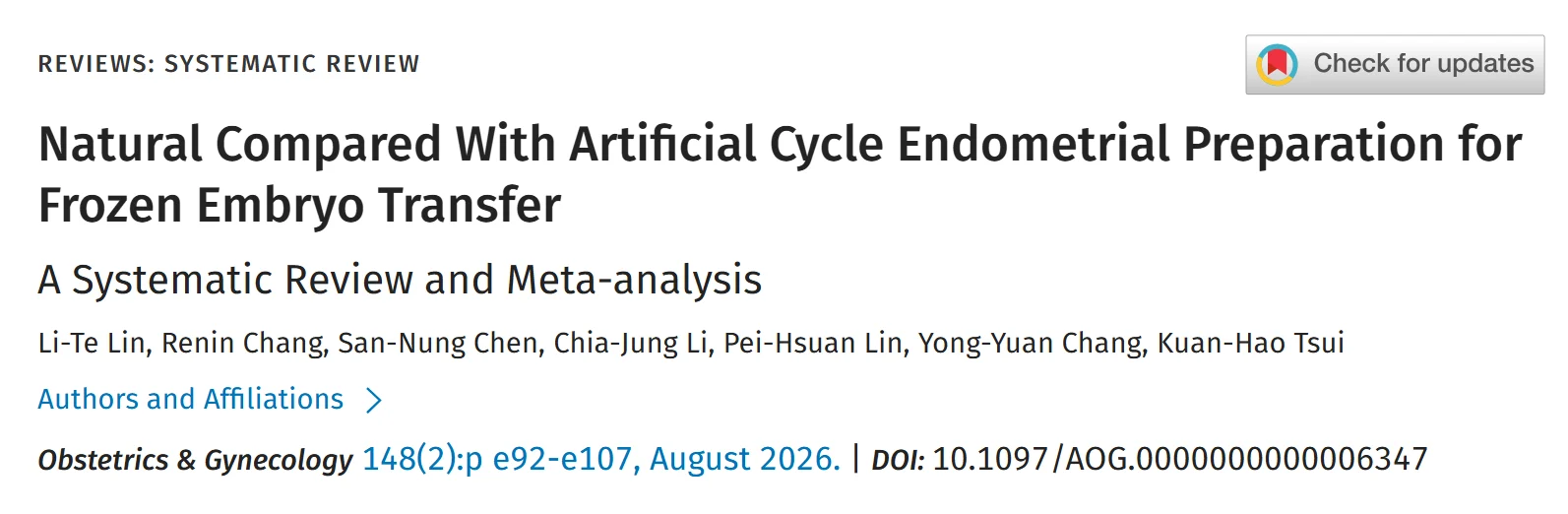
A 2026 systematic review and meta-analysis of 11 randomized trials involving 9,955 women found a higher live-birth rate with natural-cycle endometrial preparation than artificial preparation overall, although the benefit was driven particularly by modified-natural cycles and was not demonstrated in true natural cycles.
At the same time, a 2026 randomized trial found similar clinical pregnancy outcomes between natural and artificial FET approaches in ovulatory women.
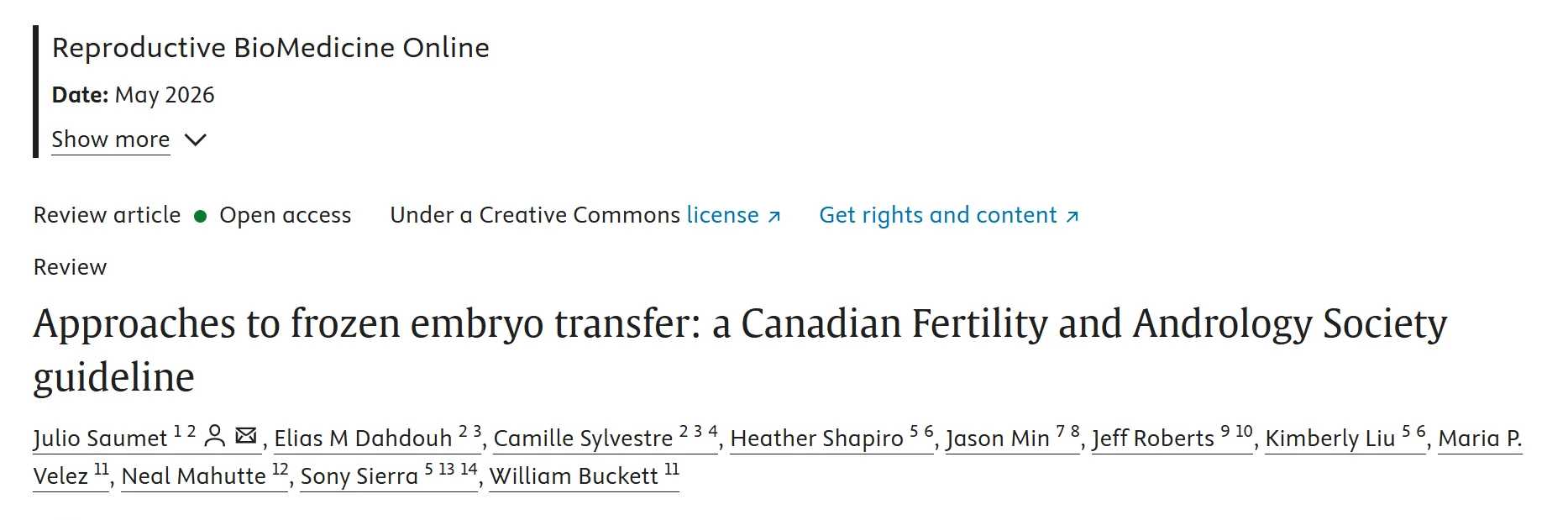
And the Canadian Fertility and Andrology Society guideline, based on recent randomized evidence, concluded that FET approaches should be individualized according to patient characteristics and clinical context. It also found no significant effect of progesterone route on live birth or pregnancy loss in artificial FET cycles.
These findings should not be reduced to ‘natural is better’ or ‘artificial is better.’ They point toward a more nuanced conclusion: different FET pathways can produce similar reproductive outcomes while creating different biological and clinical environments.
What does this mean for the IVF laboratory?
The laboratory does not prescribe progesterone, but it sits at the interface between embryo biology and the clinical transfer strategy.
Embryologists document blastocyst development, expansion, and morphology. These observations describe embryo developmental characteristics, but they do not independently define endometrial receptivity.
The more useful role is collaborative.
A Day-6 blastocyst has reached the blastocyst stage later than a Day-5 blastocyst. That difference may be biologically relevant, but current randomized evidence does not justify automatically assigning a different progesterone exposure solely because an embryo is Day 6.
The embryologist therefore contributes developmental information, while the reproductive clinician integrates that information with endocrine, uterine, and patient-specific factors.
This is where clinical embryology and reproductive endocrinology intersect.
Is FET moving from standardization toward precision?
The direction of current evidence increasingly points toward individualized decision-making.
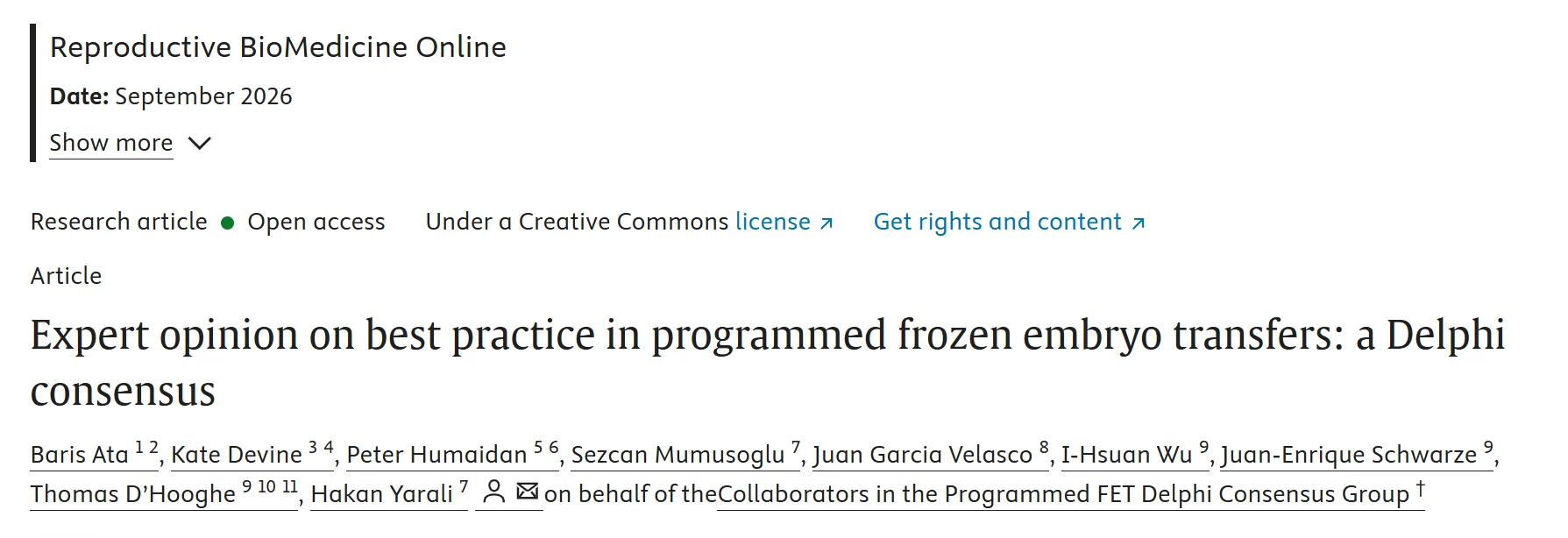
A September 2026 international Delphi consensus developed 17 expert statements covering programmed FET, including progesterone route, dose, duration, monitoring, and luteal support. The consensus concluded that the decision to use a programmed FET cycle should be individualized according to its documented advantages and disadvantages and made jointly between patient and physician.
This is an important distinction between precision and simply more testing.
Precision does not necessarily mean measuring more hormones, ordering more investigations, or reacting to every numerical variation.
It means interpreting the right information in the right biological context.
For FET, that context may include: cycle physiology + progesterone exposure + route + duration + embryo developmental stage + patient characteristics + quality of evidence.
The challenge for the field is to determine which of these variables genuinely improve outcomes and which merely create an appearance of precision.
The future of FET may be synchronization, not standardization
The 2026 evidence does not support replacing one universal FET rule with another.
It does, however, support a more sophisticated understanding of progesterone.
Low progesterone has been associated with poorer outcomes in several FET settings, but serum concentration is not a direct measurement of endometrial exposure.
The optimal duration of progesterone exposure for different embryo developmental stages remains an active research question, with randomized evidence showing comparable overall outcomes for six versus seven days in Day-6 blastocyst transfer.
Routine progesterone supplementation in modified-natural FET has not demonstrated a general live-birth benefit, while the value of rescue treatment for low progesterone remains incompletely defined.
And the choice between natural, modified-natural and programmed FET should increasingly be understood as a clinical decision rather than a one-size-fits-all protocol.
The next step in FET may therefore be less about finding the perfect progesterone number and more about understanding the relationship between progesterone exposure, endometrial transformation, embryo development and timing.
A frozen embryo transfer is not simply the placement of a thawed embryo into a prepared uterus.
It is the meeting of two biological timelines.
The embryo has its developmental clock.
The endometrium has its biological clock.
Progesterone helps establish when those clocks meet.
Perhaps the more useful question for the next generation of FET practice is therefore not: ‘What is the progesterone number?’
‘Are we providing this embryo with an appropriately prepared endometrium at the appropriate biological time?’
That is where evidence-based precision in frozen embryo transfer may truly begin.”
Written by Saadat Hassan
Senior Clinical Embryologist/IVF and Embryology
BSc (Hons) Medical Laboratory Technology
King Edward Medical University, Lahore, Pakistan
References
Title: Effect of progesterone timing on live birth rates in day-6 blastocyst frozen-thawed embryo transfer cycles: a randomized controlled trial
Authors: Ruiqiong Zhou, Zhaoyi Wang, Mei Dong, Li Huang, Nianjun Su, Quan Qi, Ju Huang, Fuxiang Wang, Xiqian Zhang, Fenghua Liu
You can read the Full Article in Human Reproduction Open.
Title: Progesterone Levels on the Day of Frozen-thawed Embryo Transfer in Artificial Cycles with Vaginal Progesterone Do not Predict Clinical Pregnancy: a Prospective Study
Authors: Suelen Maria Parizotto Furlan, Carla Maria Franco Dias, Rui Alberto Ferriani, Paula Andrea Navarro
You can read the Full Article in Reproductive Sciences.
Title: Luteal phase progesterone support in modified natural cycle frozen embryo transfer: a systematic review and meta-analysis
Authors: Frederikke Moll Engesgaard, Amalie Somuncu Johansen, Marte Saupstad, Nathalie Friis Wang, Anja Pinborg, Kristine Løssl
You can read the Full Article in Reproductive BioMedicine Online.
Title: Natural Compared With Artificial Cycle Endometrial Preparation for Frozen Embryo Transfer
Authors: Li-Te Lin, Renin Chang, San-Nung Chen, Chia-Jung Li, Pei-Hsuan Lin, Yong-Yuan Chang, Kuan-Hao Tsui
You can read the Full Article in Obstetrics and Gynecology.
Title: Approaches to frozen embryo transfer: a Canadian Fertility and Andrology Society guideline
Authors: Julio Saumet, Elias M Dahdouh, Camille Sylvestre, Heather Shapiro, Jason Min, Jeff Roberts, Kimberly Liu, Maria P. Velez, Neal Mahutte, Sony Sierra, William Buckett
You can read the Full Article in Reproductive BioMedicine Online.
Title: Expert opinion on best practice in programmed frozen embryo transfers: a Delphi consensus
Authors: Baris Ata, Kate Devine, Peter Humaidan, Sezcan Mumusoglu, Juan Garcia Velasco, I-Hsuan Wu, Juan-Enrique Schwarze, Thomas D’Hooghe, Hakan Yarali, on behalf of the Collaborators in the Programmed FET Delphi Consensus Group
You can read the Full Article in Reproductive BioMedicine Online.
Other articles featuring Saadat Hassan on Fertility News.
-
Sep 20, 2026, 12:44Justin Houman: Honored to Be Selected for Inclusion in 2027 Southern California Super Doctors Rising Stars
-
Sep 20, 2026, 12:41Lorene Lteif: Honored to Have Been a Speaker at the 2nd Trust Fertility and Gynecology Conference 2026
-
Sep 20, 2026, 12:39Maria Satchi: Presenting 2 Topics at BFS Study Week on Male Fertility
-
Sep 20, 2026, 12:36The Most Important Name Tag in Your IVF Journey – Indira IVF Group
-
Sep 20, 2026, 12:34Andris Ābele: Privileged to Participate in the 14th European Congress of Andrology
-
Sep 20, 2026, 12:31Ghyass Jutt: Can You Identify a Euploid Blastocyst Under the Inverted Microscope?
-
Sep 20, 2026, 12:29The FIGO 2027 Submission Platform Is Open
-
Sep 20, 2026, 11:59Managing Thrombotic Risk in Pregnancy: How the Lab May Help Perspective
-
Sep 20, 2026, 09:49Tommaso Simoncini: Support Not Stigma – 8th World Gynecologic Oncology Day