

Devyanshi Dixit: Exploring Key Women’s Health Topics Ahead of GFWH 2026
Devyanshi Dixit, Program Manager at CLS Event and Publication and Conference Manager at the 12th Global Summit on Gynecology, Fertility and Women’s Health, shared posts on LinkedIn ahead of GFWH 2026:
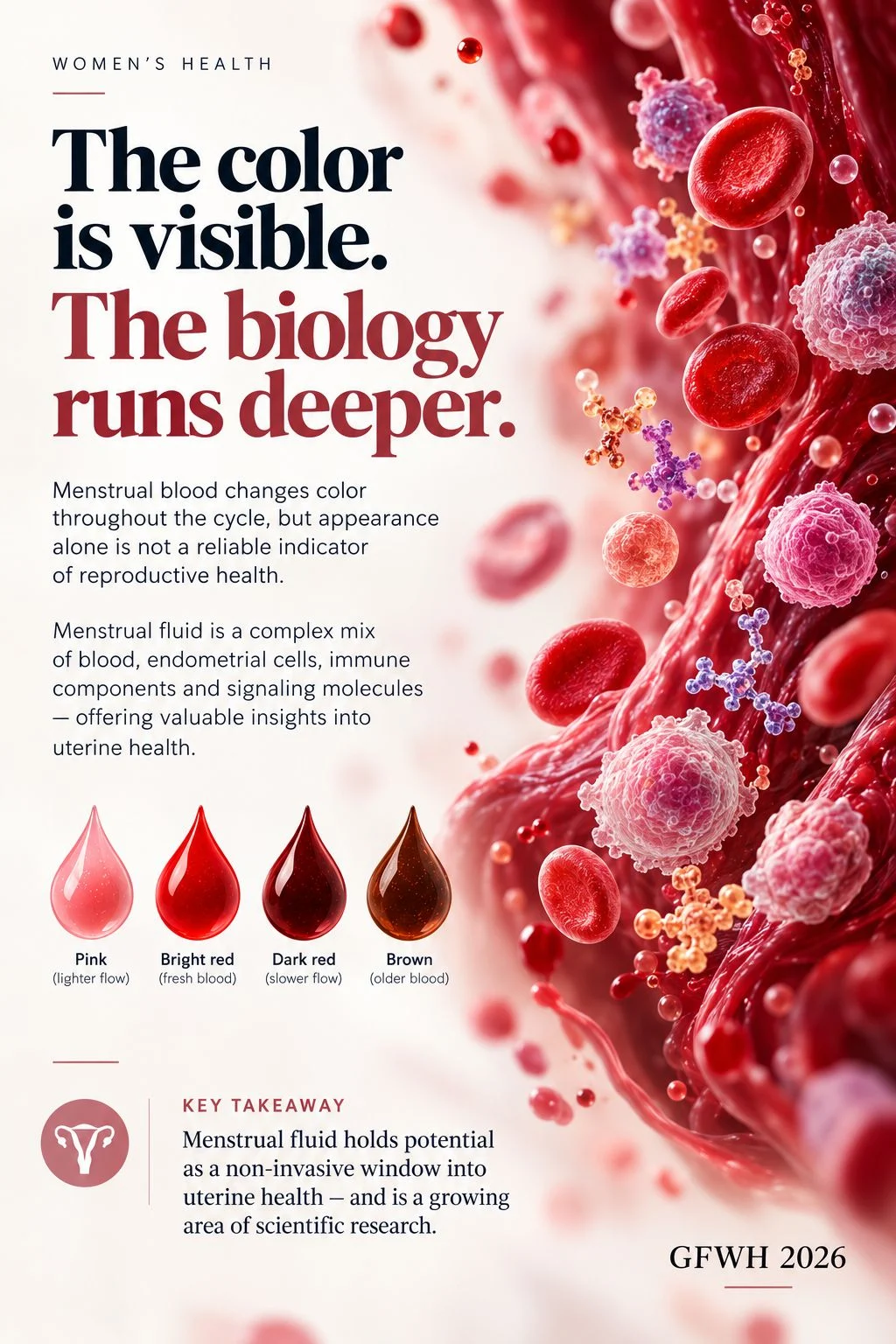
“Your period’s color may reveal less than you think.
The biology inside it could reveal much more.
- Bright red.
- Dark brown.
- Almost black.
Menstrual blood can change color throughout a cycle – and these variations often reflect how long blood has been exposed to oxygen, how quickly it leaves the uterus, and how it mixes with other vaginal fluids.
But color is only the visible surface of a much more complex biological process.
Menstrual fluid contains more than blood.
It can contain:
- endometrial tissue,
- immune cells,
- inflammatory signals,
- proteins,
- and other biological molecules involved in the shedding and renewal of the uterine lining.
And this raises a fascinating research question:
Could menstrual fluid become a window into uterine and reproductive health?
Researchers are exploring whether menstrual fluid may help reveal information about endometriosis, endometrial biology, inflammation, and other reproductive conditions.
The potential is exciting – but these approaches are still being investigated.
Menstrual blood color alone cannot diagnose a condition, and menstrual fluid testing is not yet a routine diagnostic tool for most gynecological disorders.
What matters more than color?
- Changes that are unusual for you (especially persistent changes in bleeding patterns),
- very heavy bleeding,
- severe pain,
- or bleeding between periods,
deserve medical attention.
Because the future of menstrual health research may depend less on what we can see – and more on what science can measure.
At the 12th Global Summit on Gynecology, Fertility and Women’s Health (GFWH 2026), researchers and healthcare professionals will come together to exchange ideas and explore emerging directions in women’s health.”
“Your hormone test can look normal. Your emotional distress can still be real.
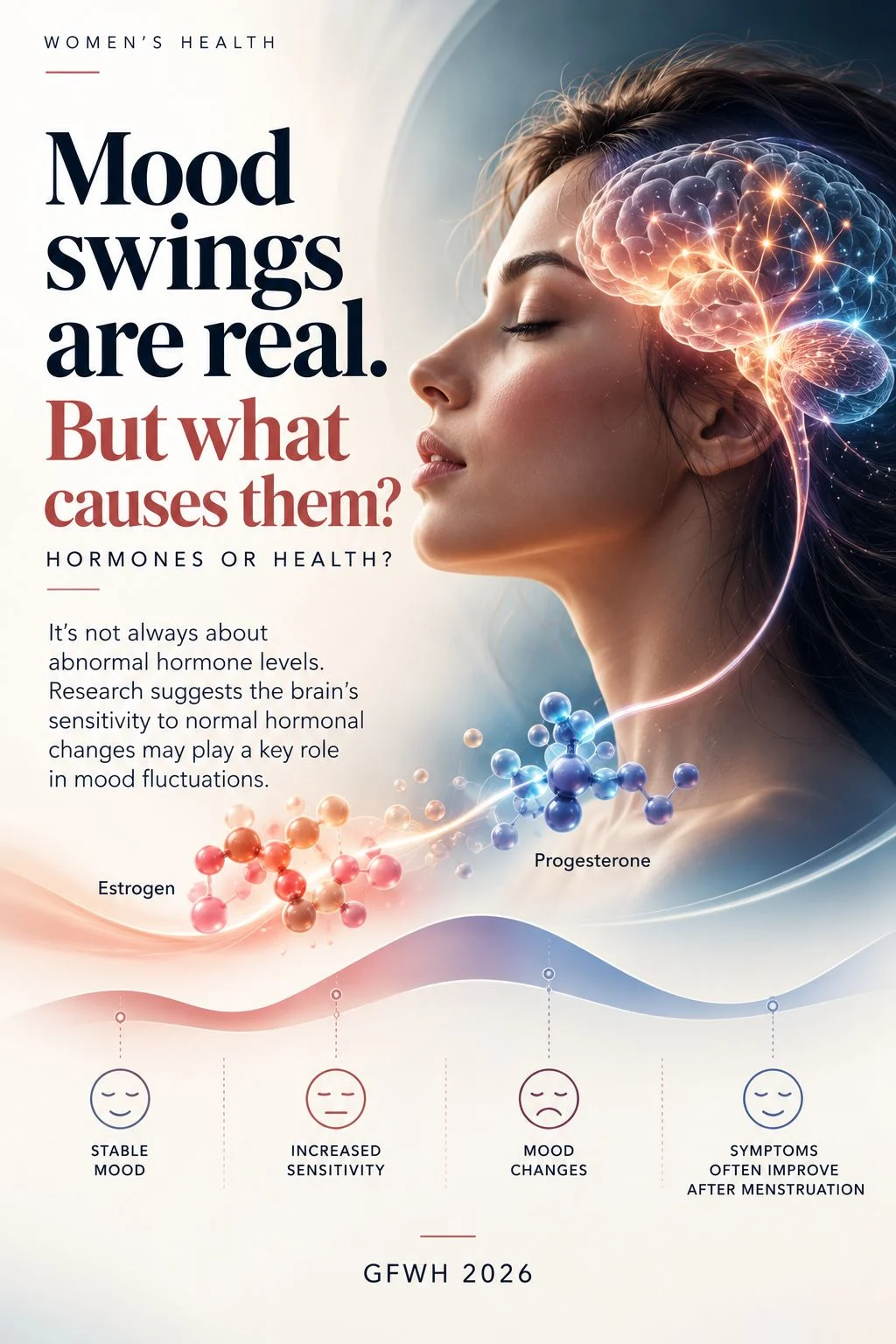
What if premenstrual mood changes are not simply about how much hormone the body produces – but how the brain responds to hormonal change?
This is one of the important questions emerging in research on PMS and premenstrual dysphoric disorder (PMDD).
Estrogen and progesterone naturally fluctuate throughout the menstrual cycle.
In some individuals, the nervous system may be particularly sensitive to these changes, even when hormone levels fall within expected ranges.
One molecule researchers are investigating: allopregnanolone.
Derived from progesterone, this neurosteroid interacts with GABA-A receptors, which help regulate brain activity and emotional responses. Researchers are exploring how sensitivity to this pathway may contribute to PMDD symptoms.
But there is no single mechanism that explains every case.
Why does this distinction matter?
Mood symptoms that consistently emerge before menstruation and ease afterward may indicate a premenstrual disorder. Symptoms that persist throughout the month may require a broader mental-health assessment.
One useful step is to track mood and physical symptoms daily for at least two menstrual cycles. Patterns over time can provide information that a single hormone test cannot.
Women’s emotional health deserves neither automatic hormonal explanations nor dismissal as ‘just mood swings.’
The goal is to understand the pattern, investigate the cause, and provide appropriate support.
Should menstrual-cycle patterns be considered more routinely in mental-health assessments?
This intersection of gynecology, neuroscience, and mental health is an important area of discussion at the 12th Global Summit on Gynecology, Fertility and Women’s Health (GFWH 2026).”
- A gynecologist sees the clinical picture.
- An embryologist notices a laboratory pattern.
- A fertility researcher questions an unexplained outcome.
- A FemTech innovator sees an opportunity to connect the dots.
Different expertise. Different questions. One shared goal: better outcomes in women’s health.
Progress doesn’t always begin with a discovery.
Sometimes, it begins when the right people come together to challenge assumptions, exchange evidence, and ask better questions.
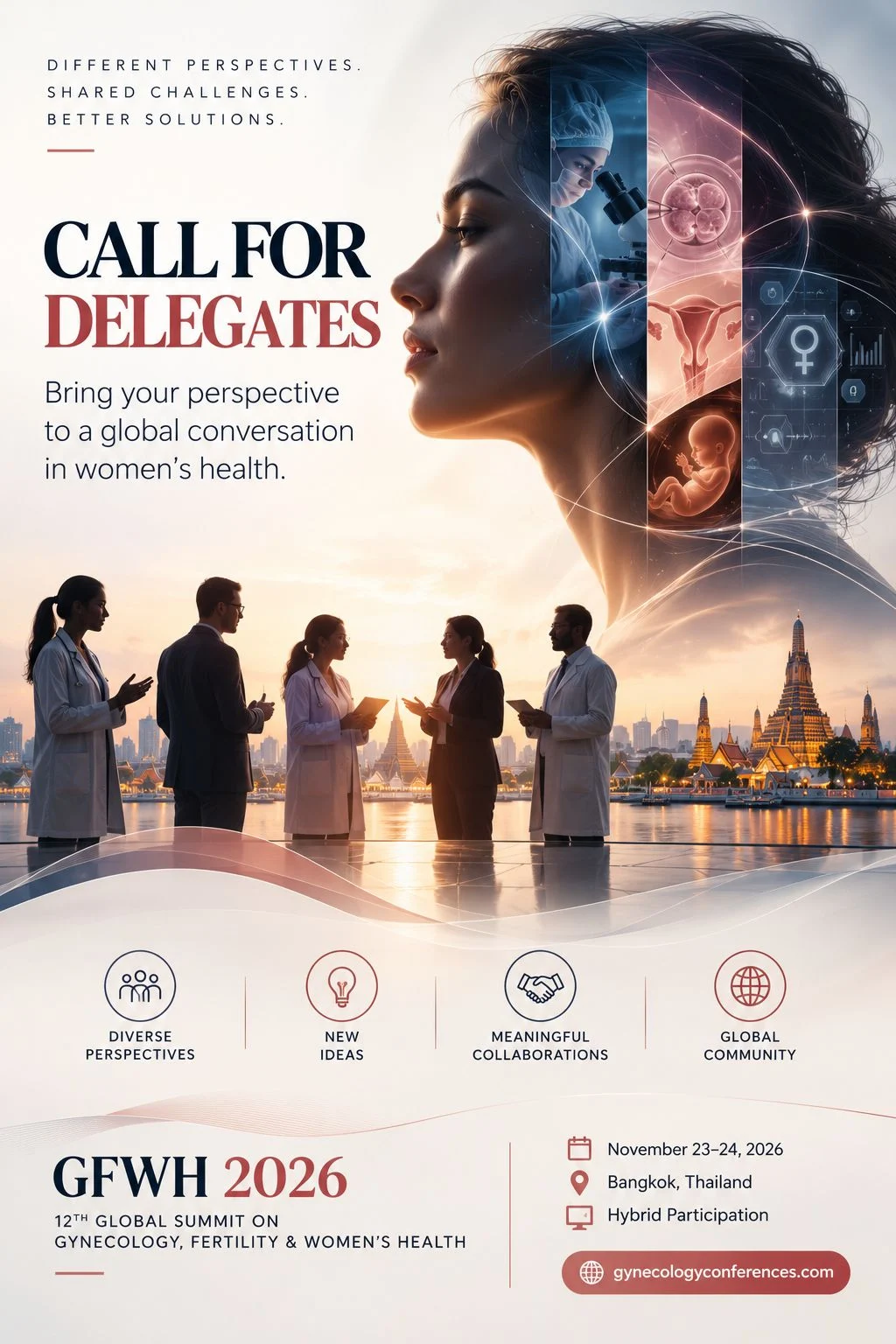
That’s the idea behind the Call for Delegates at GFWH 2026.
We welcome gynecologists, OB/GYNs, fertility specialists, embryologists, researchers, academics, healthcare professionals, and FemTech innovators for two days of scientific exchange and cross-disciplinary perspectives.
Come to share what you know.
Leave with new questions, connections, and possibilities to explore.”
“In a twin pregnancy, one ultrasound detail can change the entire surveillance plan.
Two pregnancies. Four babies.
Yet the risks may be very different – not because of the number of babies alone, but because of how their placentas are arranged.
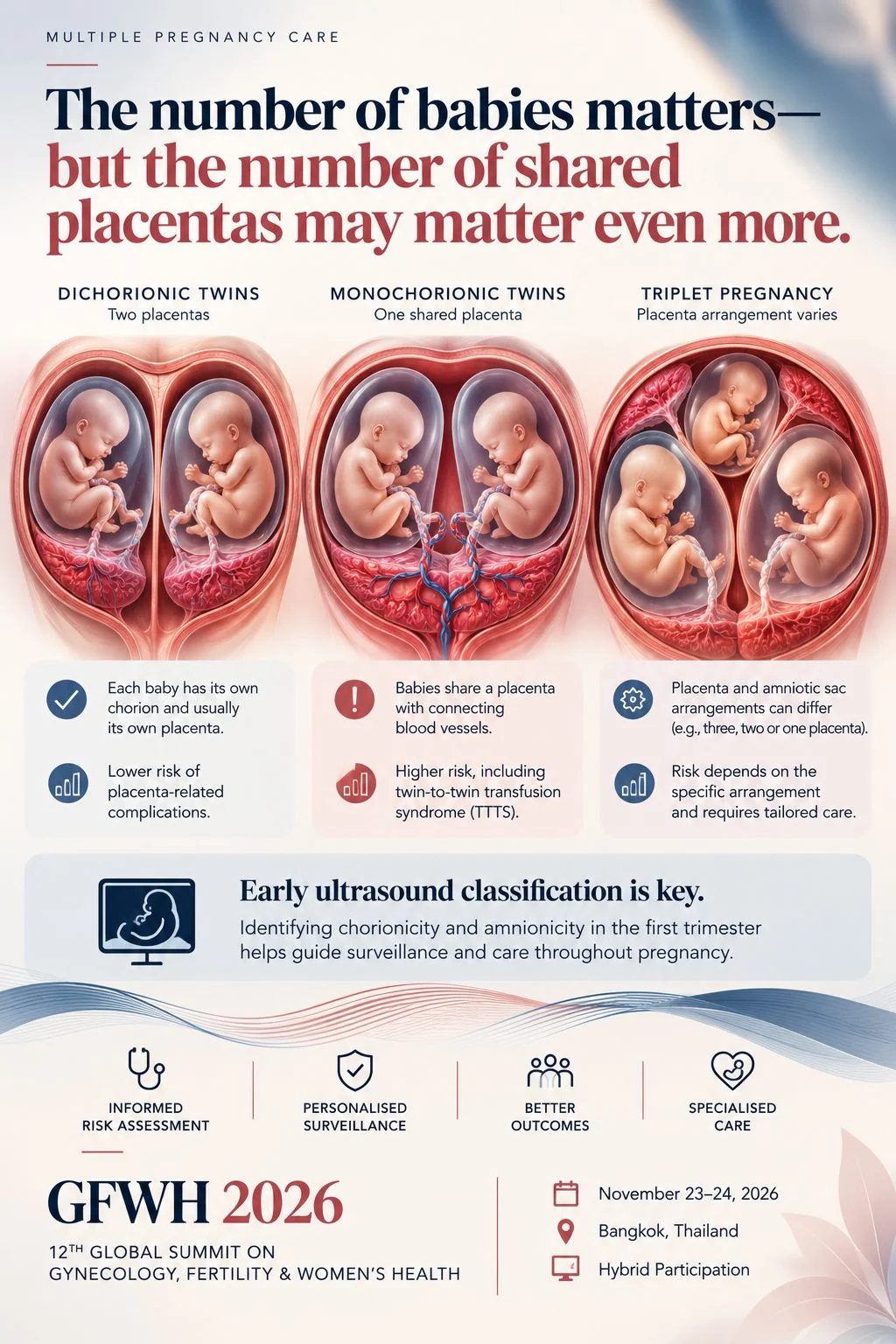
The critical question is: Do the babies share a placenta?
This is the importance of chorionicity – and why it should be established early.
- When twins have separate placentas (dichorionic twins), they generally have a different risk profile from twins who share a placenta.
- When twins share one placenta (monochorionic twins), connecting blood vessels can allow unequal blood flow between them. This can lead to complications such as twin-to-twin transfusion syndrome (TTTS), making specialized surveillance essential.
The timing of surveillance matters.
ISUOG guidance recommends ultrasound assessment every two weeks from 16 weeks in uncomplicated monochorionic twin pregnancies to screen for TTTS.
And there’s an important diagnostic nuance: one visible placental mass does not necessarily mean one shared placenta.
Two separate placentas may lie closely together and appear fused.
The dividing membrane, placental features and early ultrasound findings help establish the correct classification.
Triplet pregnancies add another layer of complexity, because the number and arrangement of placentas and amniotic sacs influence how each pregnancy should be monitored.
The clinical lesson?
Chorionicity is not merely a line in an ultrasound report. Along with amnionicity, it helps guide risk assessment, surveillance frequency and decisions about specialist care.
At the 12th Global Summit on Gynecology, Fertility and Women’s Health (GFWH 2026), these connections between ultrasound, maternal-fetal medicine and evidence-based obstetric care are part of the wider scientific conversation.”
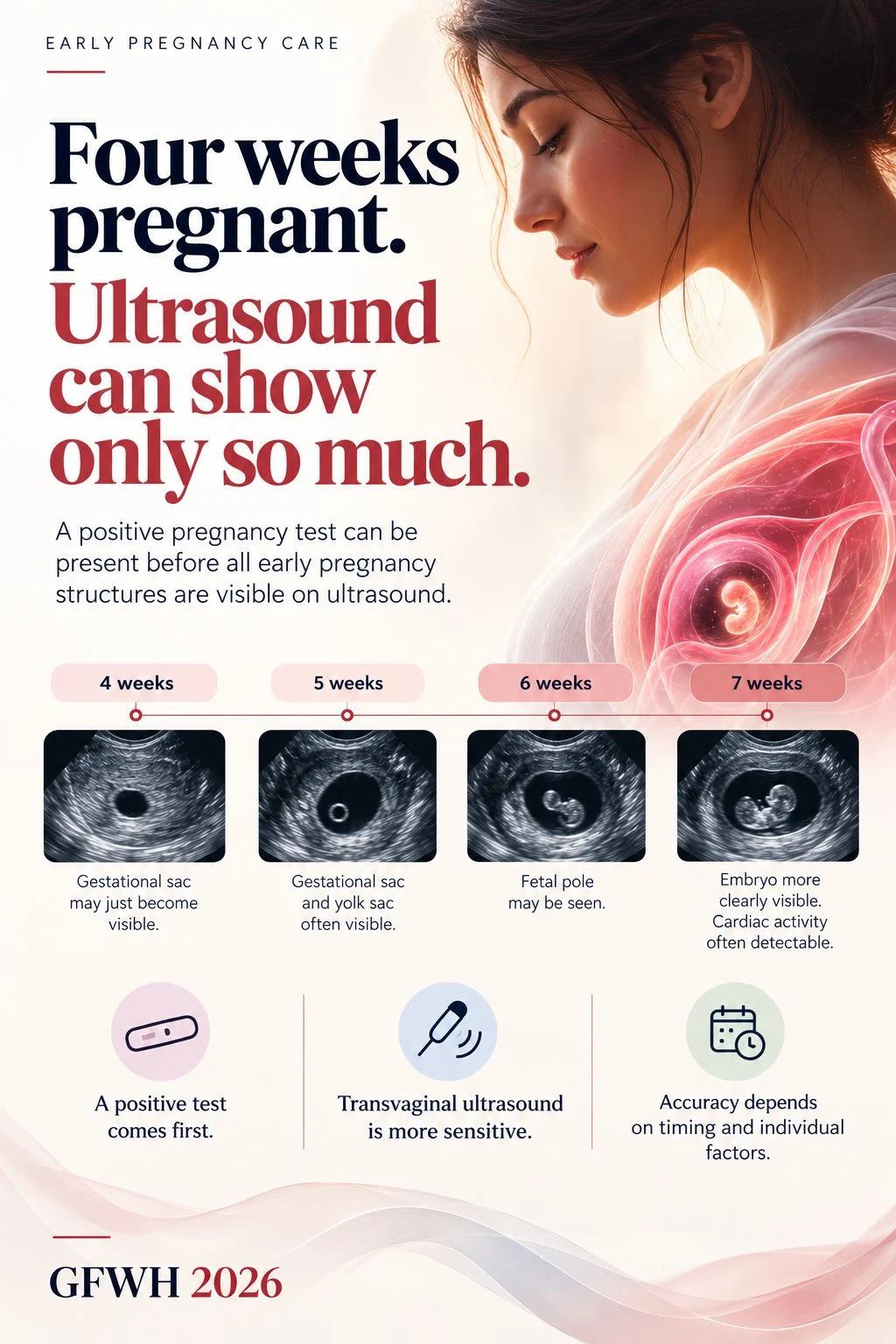
“Positive pregnancy test. Empty ultrasound. What happens next?
A positive pregnancy test with no pregnancy visible on ultrasound can be unsettling – but at around four weeks, it may simply be too early to see the expected structures.
Yet this is where careful clinical interpretation matters.
Three things clinicians need to remember:
- Timing matters. Ovulation and implantation don’t happen on an identical schedule in every pregnancy.
- One scan may not provide the answer. Transvaginal ultrasound can detect an early pregnancy sooner than an abdominal scan, but visibility varies.
- Location matters. If a pregnancy cannot yet be located on ultrasound, it may be classified as a pregnancy of unknown location – a temporary finding that requires appropriate follow-up, not a final diagnosis.
Repeat ultrasound and serial β-hCG measurements may help clarify what is happening.
The aim is to avoid premature conclusions while ensuring an ectopic pregnancy is not missed.
- Severe or worsening abdominal pain,
- shoulder-tip pain,
- dizziness,
- fainting or heavy bleeding
require urgent medical assessment.
The real skill isn’t just knowing what an early scan shows. It’s knowing what it cannot yet tell us – and what to do next.
At GFWH 2026, evidence-based ultrasound practice and early pregnancy assessment are part of the wider scientific conversation.
- November 23-24, 2026
- Bangkok, Thailand
- Hybrid participation”
Other articles featuring Devyanshi Dixit on Fertility News.
-
Oct 27, 2026, 17:04Reconnecting with Colleagues and Making New Connections at ASRM 2026 – The Association of Reproductive Managers
-
Oct 27, 2026, 17:02Excited to Kick Off the First Day of ASRM 2026 – Fertility Consultancy
-
Oct 27, 2026, 17:00Oluyemisi Famuyiwa: An Evening of Connection, Collaboration, and Celebration at ASRM 2026
-
Oct 27, 2026, 16:53Ashley Wong: Hello from Baltimore and ASRM 2026
-
Oct 27, 2026, 16:48Anastasia Herman: Proud to Be Part of One of the Most Important International Events in Reproductive Medicine
-
Oct 27, 2026, 16:45Team LifeAire Is Excited to Be Back at ASRM 2026
-
Oct 27, 2026, 16:43Holly Sheffield: Looking Forward to Connecting With Customers, Colleagues, and Partners at ASRM 2026
-
Oct 27, 2026, 16:39Stephen Parker Ellington: Novara Team Is in Baltimore and Ready to Help Shape the Future of Fertility Care at ASRM 2026
-
Oct 27, 2026, 16:36Lenka Vodstrcil: 2 Distinct, Yet Overlapping, Pathways Leading to a Repeat BV Diagnosis After Therapy