
Day 2 of the “Comprehensive Approaches to Pregnancy Loss” in Budapest
ESHRE SIG Implantation and Early Pregnancy and ESHRE SIG Reproductive Genetics shared some insights on LinkedIn from day 2 of the ESHRE Campus course “Comprehensive approaches to pregnancy loss” in Budapest:
“Welcome to our second day!
Session 4 of our ESHRE Campus course ‘Comprehensive approaches to pregnancy loss’ in Budapest: Immunological and Thrombophilic Mechanisms, co-organised together with ESHRE SIG Implantation and Early Pregnancy
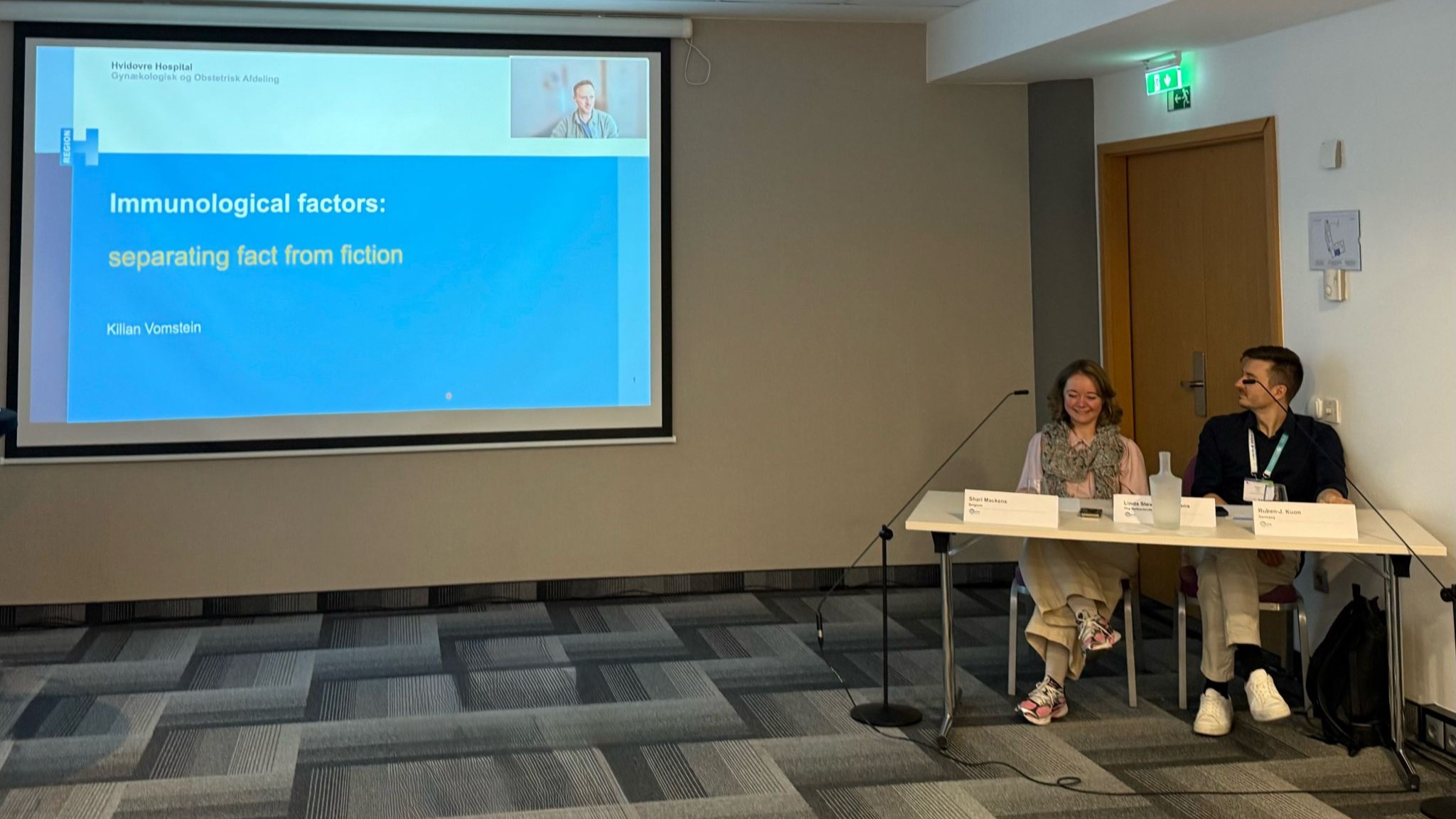
How much of what we believe about immunity and pregnancy loss is actually supported by evidence?
Dr. Kilian Vomstein challenged common assumptions about immunological factors, separating fact from fiction.
Immune changes exist in RPL.
The immune system matters for implantation and early pregnancy. But current immune testing and immune-directed treatment are not ready for routine care outside studies.
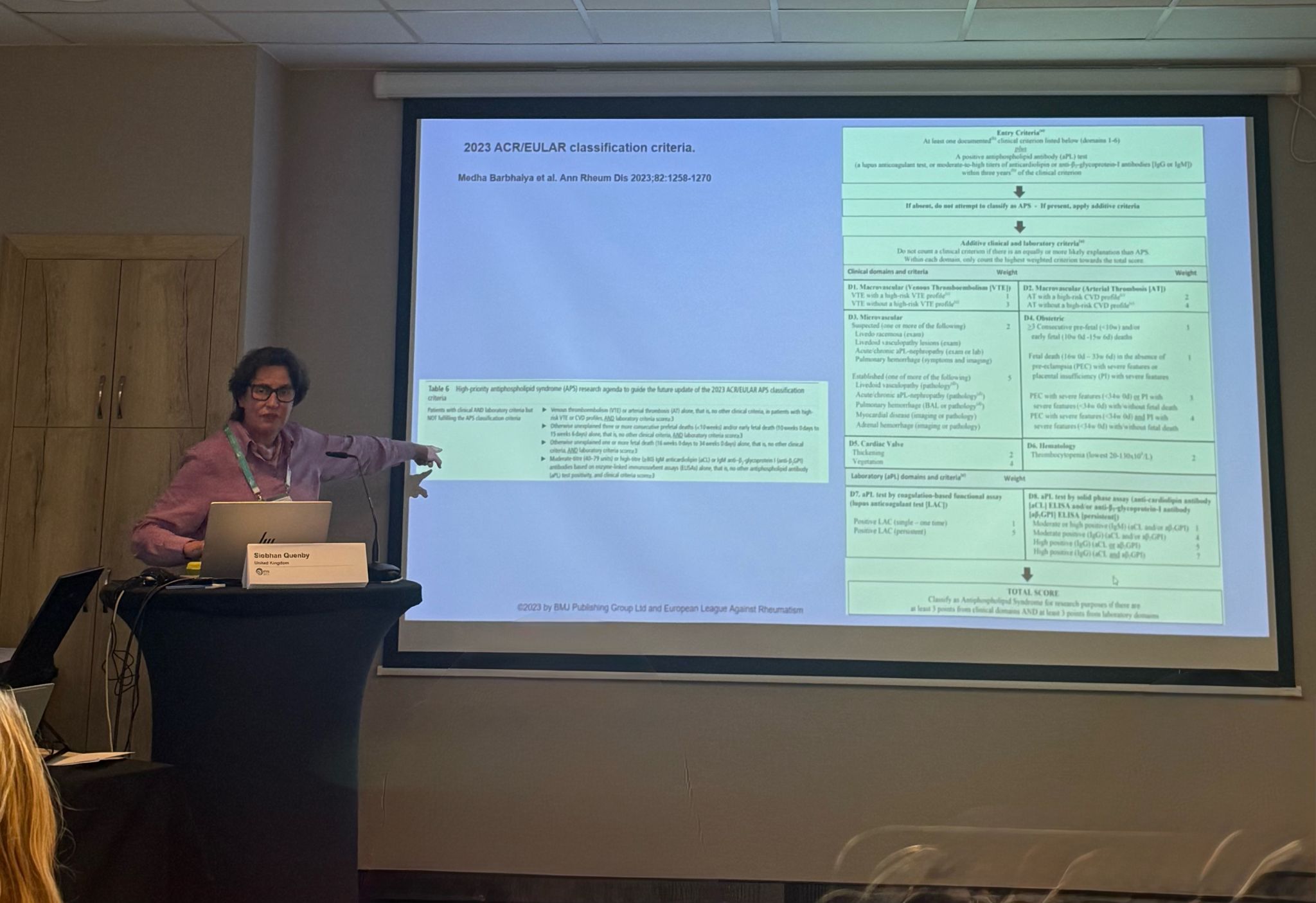
Prof. Siobhan Quenby addressed thrombophilias and antiphospholipid syndrome, discussing when testing is justified and how results should guide clinical management. Maybe we need to look for new perspectives?
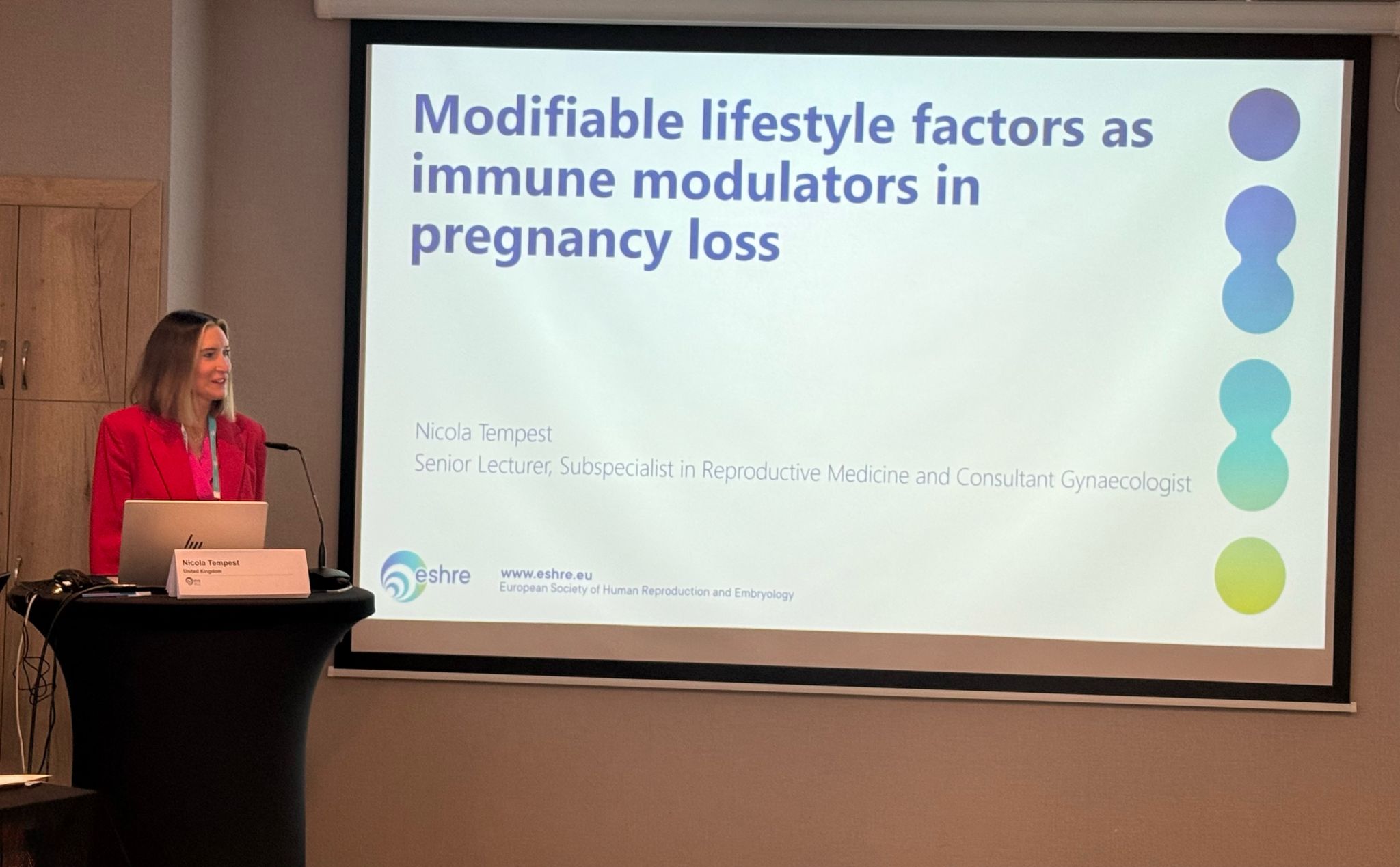
Dr. Nicola Tempest explored how modifiable lifestyle factors (BMI, tobacco, alcohol, caffeine, diet…) may influence immune responses and pregnancy outcomes. Lifestyle affects immune and metabolic pathways, but its role in pregnancy loss remains uncertain.
Evidence for prevention is limited; care should be supportive and blame-free.
An important discussion on distinguishing established evidence from promising but unproven interventions!”
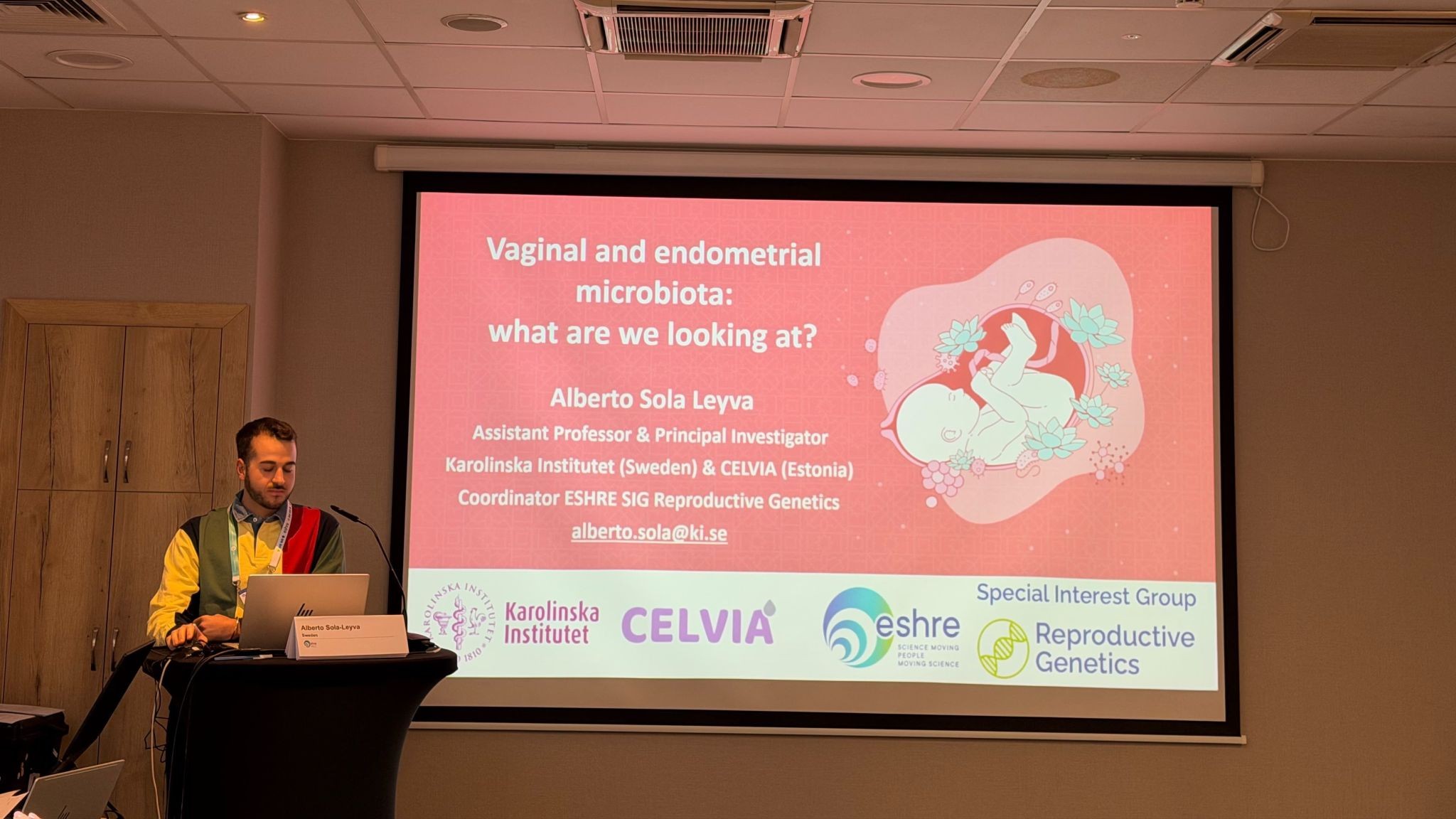
“Session 5 of our ESHRE Campus course ‘Comprehensive approaches to pregnancy loss’ in Budapest: The Microbiome Revolution?
Is the reproductive microbiome a missing piece in understanding pregnancy loss, or are we moving faster than the evidence?
Dr. Alberto Sola Leyva explored the vaginal and endometrial microbiota, highlighting what we know, what remains controversial and the challenges of studying low-biomass environments.
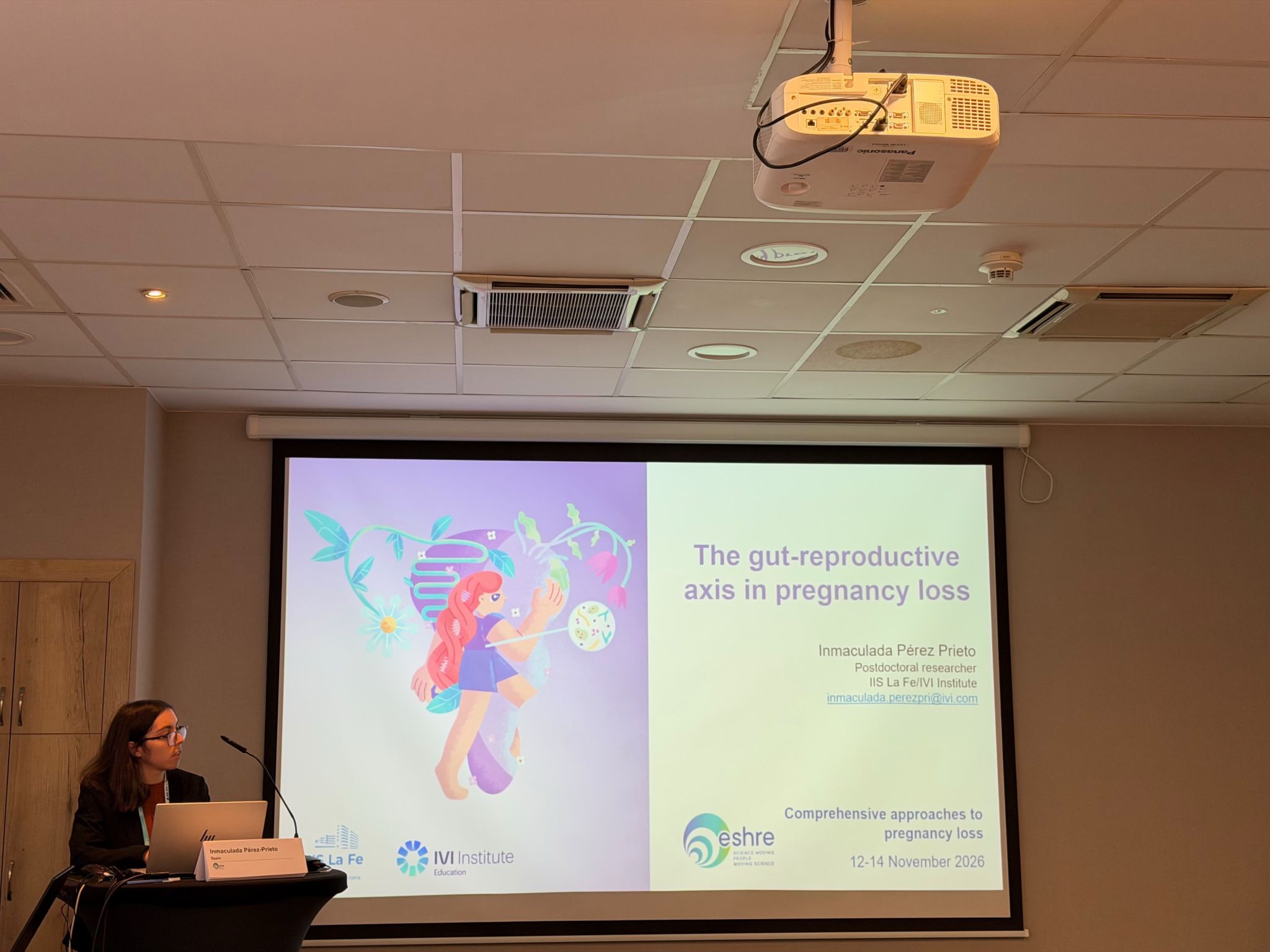
Dr. Inmaculada Pérez Prieto discussed the gut-reproductive axis and its potential implications for pregnancy loss.
Dr. Linda Stevens Brentjens addressed the methodological challenges of microbiome analysis and the barriers to translating research findings into clinical practice.
A fascinating debate about the potential of microbiome research and the need for robust evidence before introducing new clinical interventions!”
“Session 6 of our ESHRE Campus course ‘Comprehensive approaches to pregnancy loss’ in Budapest: Recurrent Pregnancy Loss – Systematic Approach
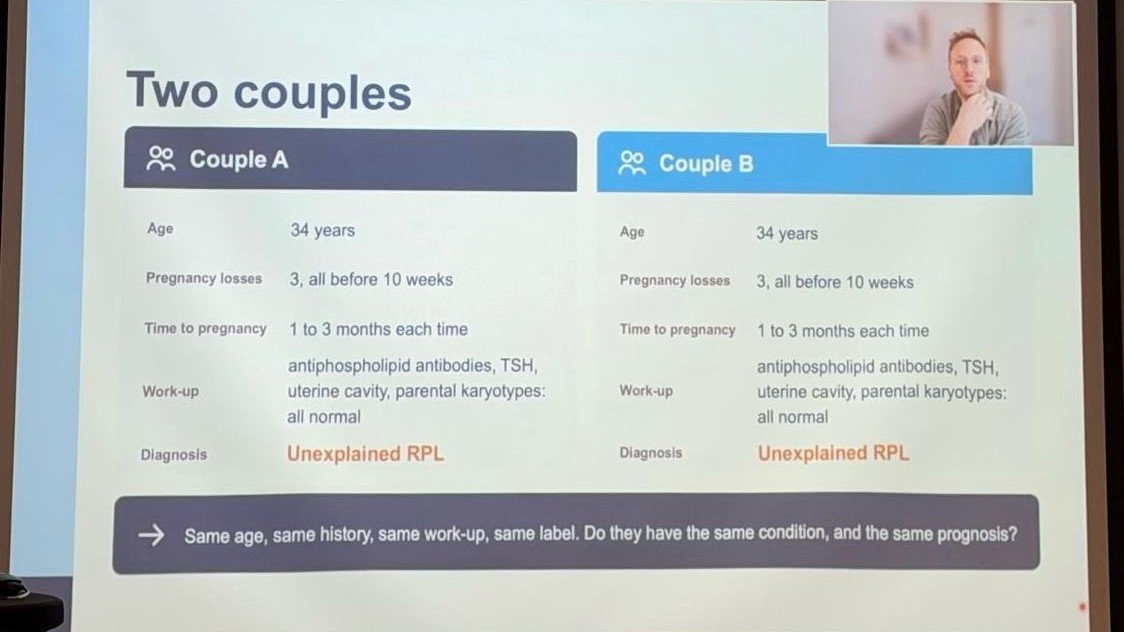
What can we offer patients when recurrent pregnancy loss remains unexplained?
Dr. Kilian Vomstein addressed prognosis, counselling and management, highlighting the importance of supporting patients even when no clear cause is identified.
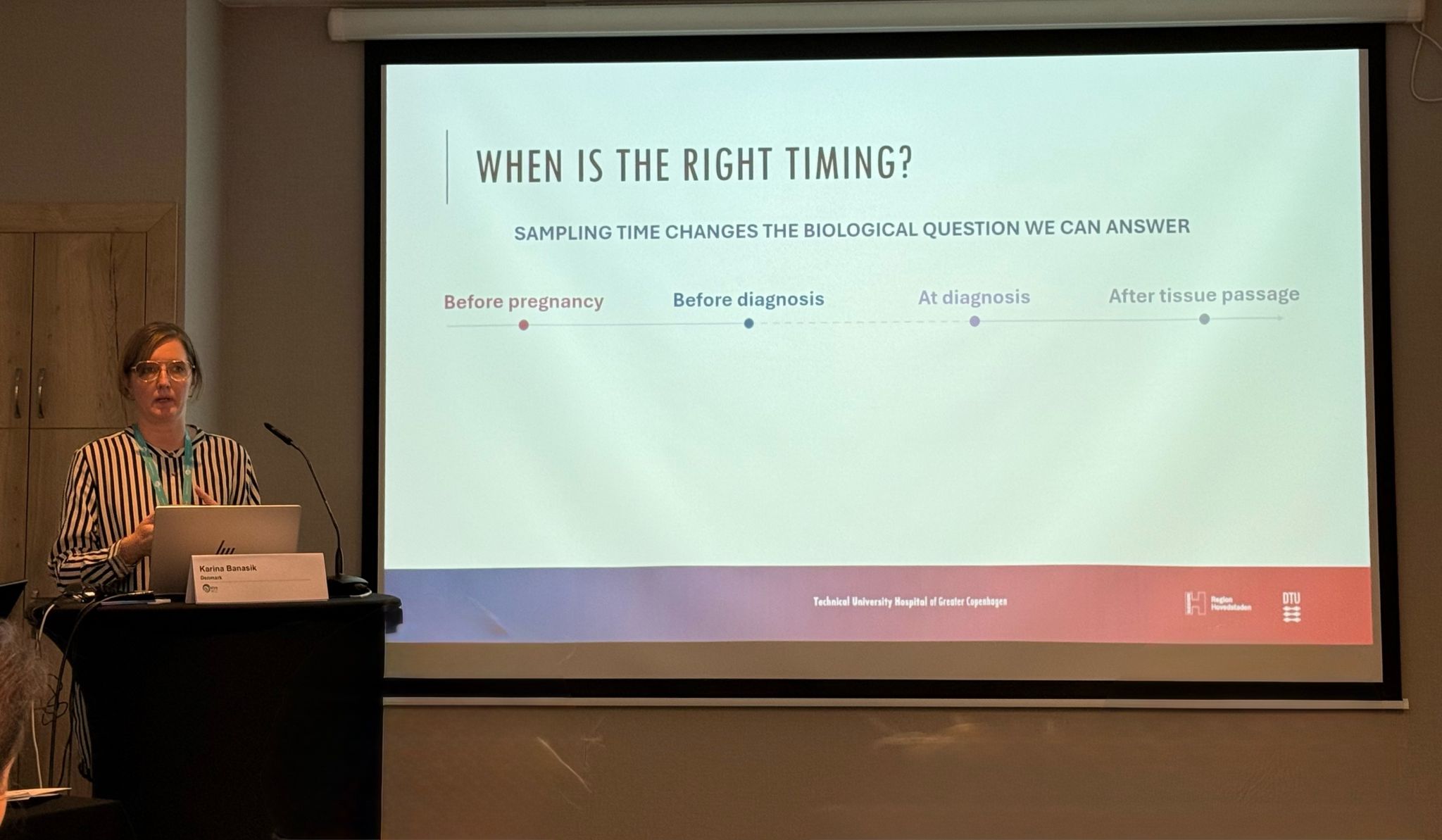
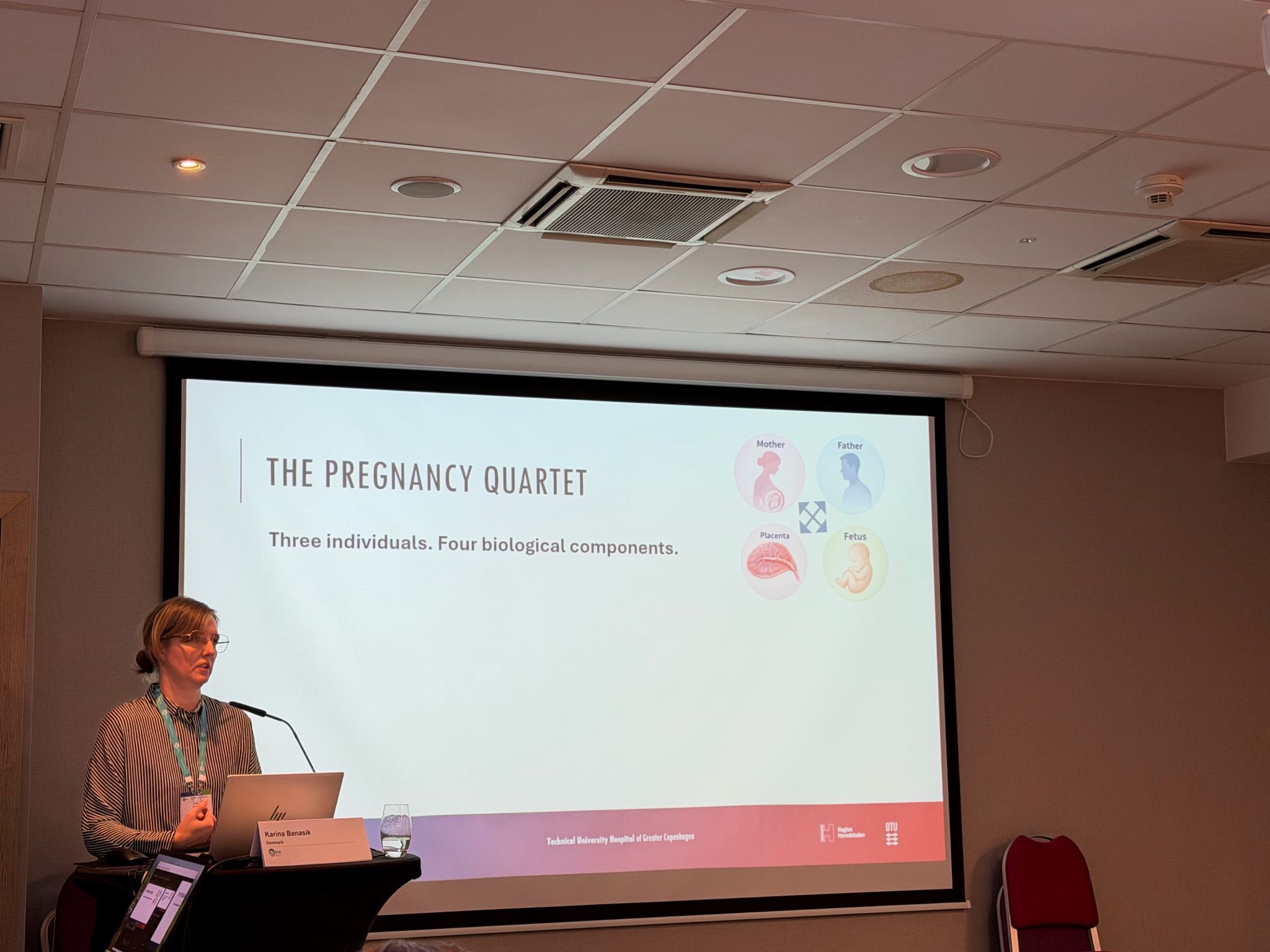
Dr. Karina Banasik introduced emerging diagnostic approaches, including cell-free DNA and proteomics, and their potential to uncover mechanisms currently missed by conventional testing.
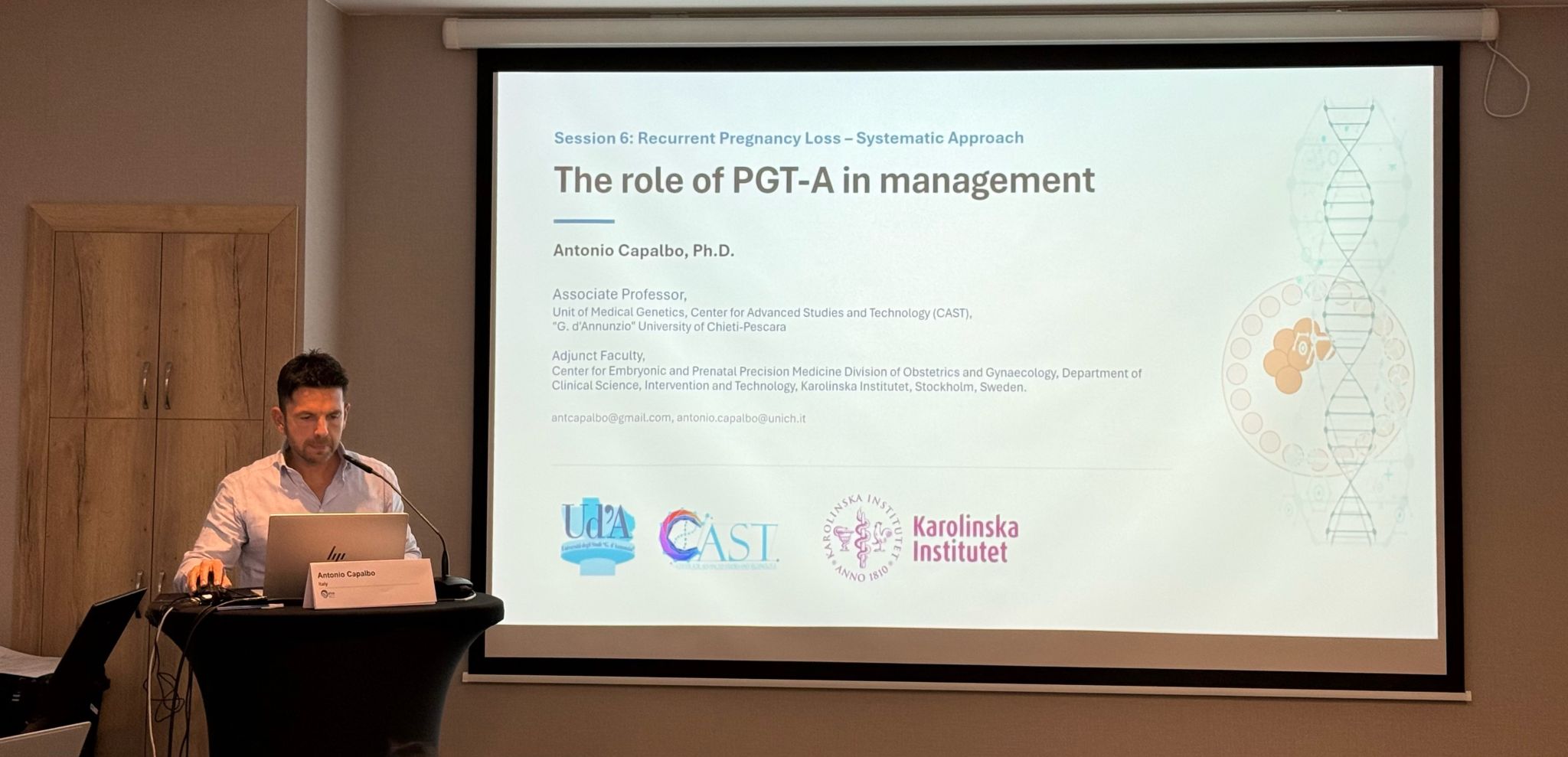
Dr. Antonio Capalbo discussed the controversial role of preimplantation genetic testing for aneuploidy (PGT-A) in recurrent pregnancy loss management.
From established clinical approaches to emerging molecular technologies, an important discussion on how to move towards more personalised care without overpromising what current diagnostics can deliver!”
“Session 7 of our ESHRE Campus course ‘Comprehensive approaches to pregnancy loss’ in Budapest: Evidence-Based Treatments
With so many treatments proposed for pregnancy loss, which ones actually work?
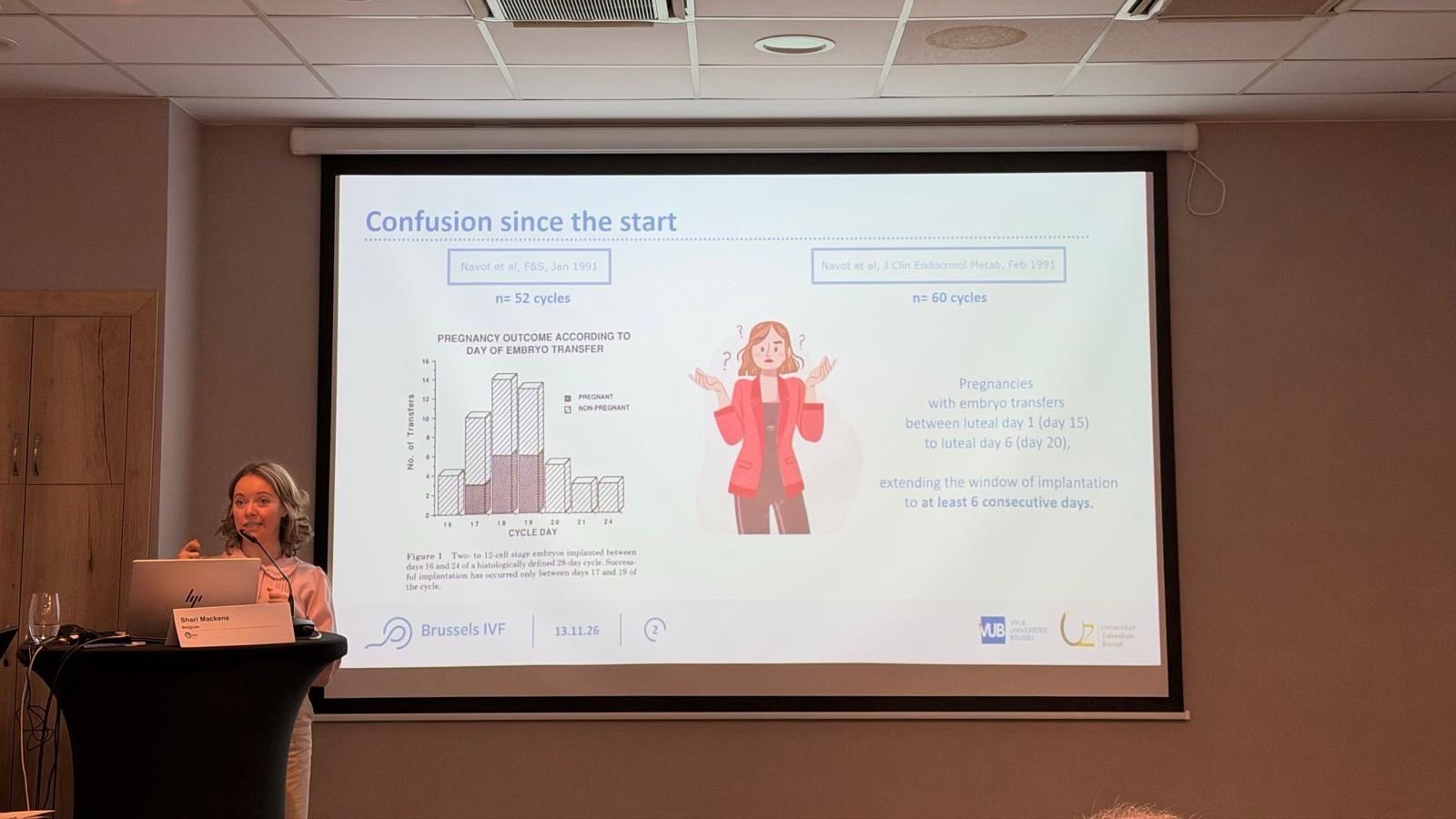
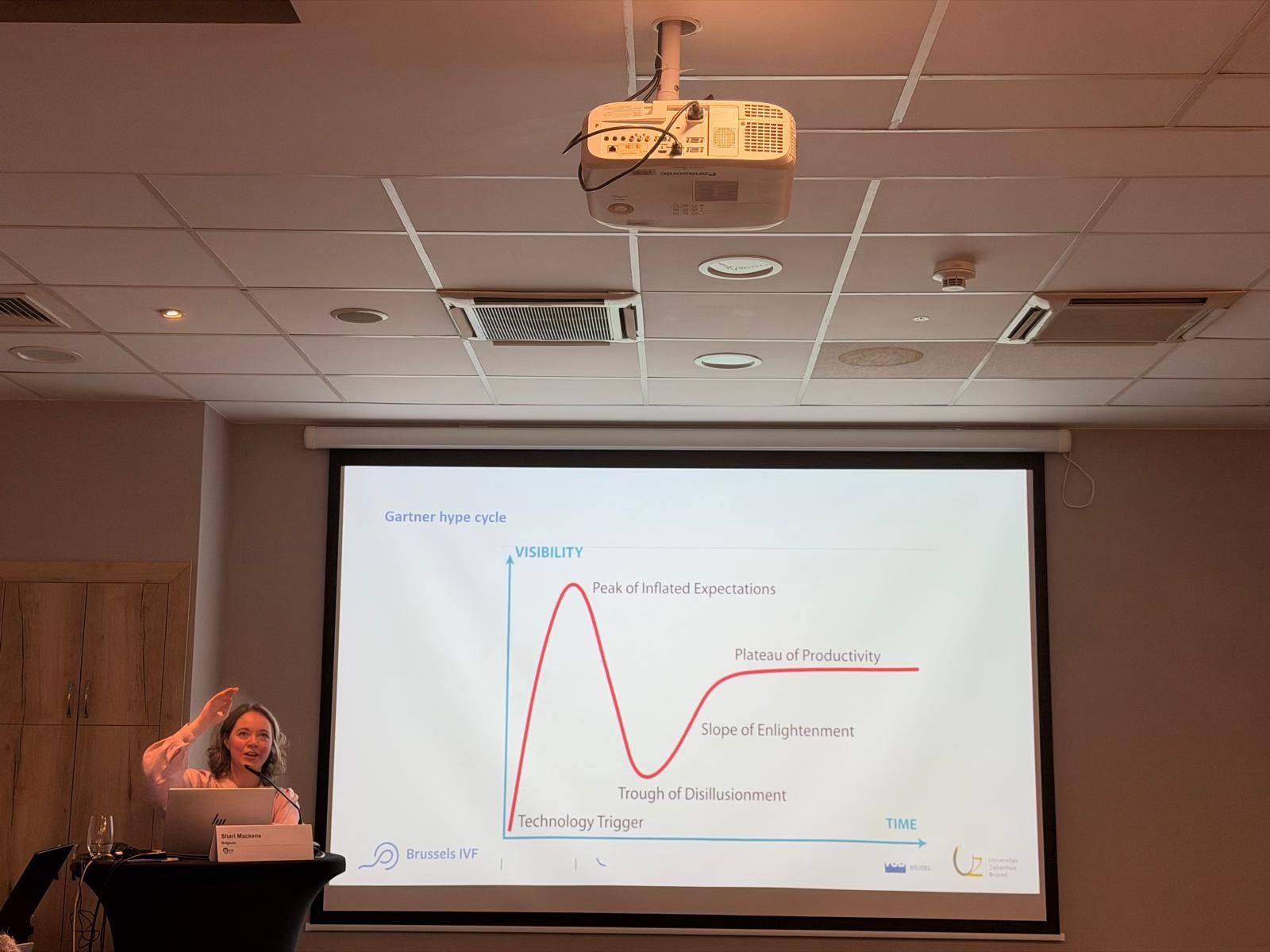
Dr. Shari Mackens delivered two talks, exploring precision timing of implantation, luteal phase optimisation and emerging approaches to improve reproductive outcomes, while also challenging commonly prescribed treatments that lack convincing scientific evidence.
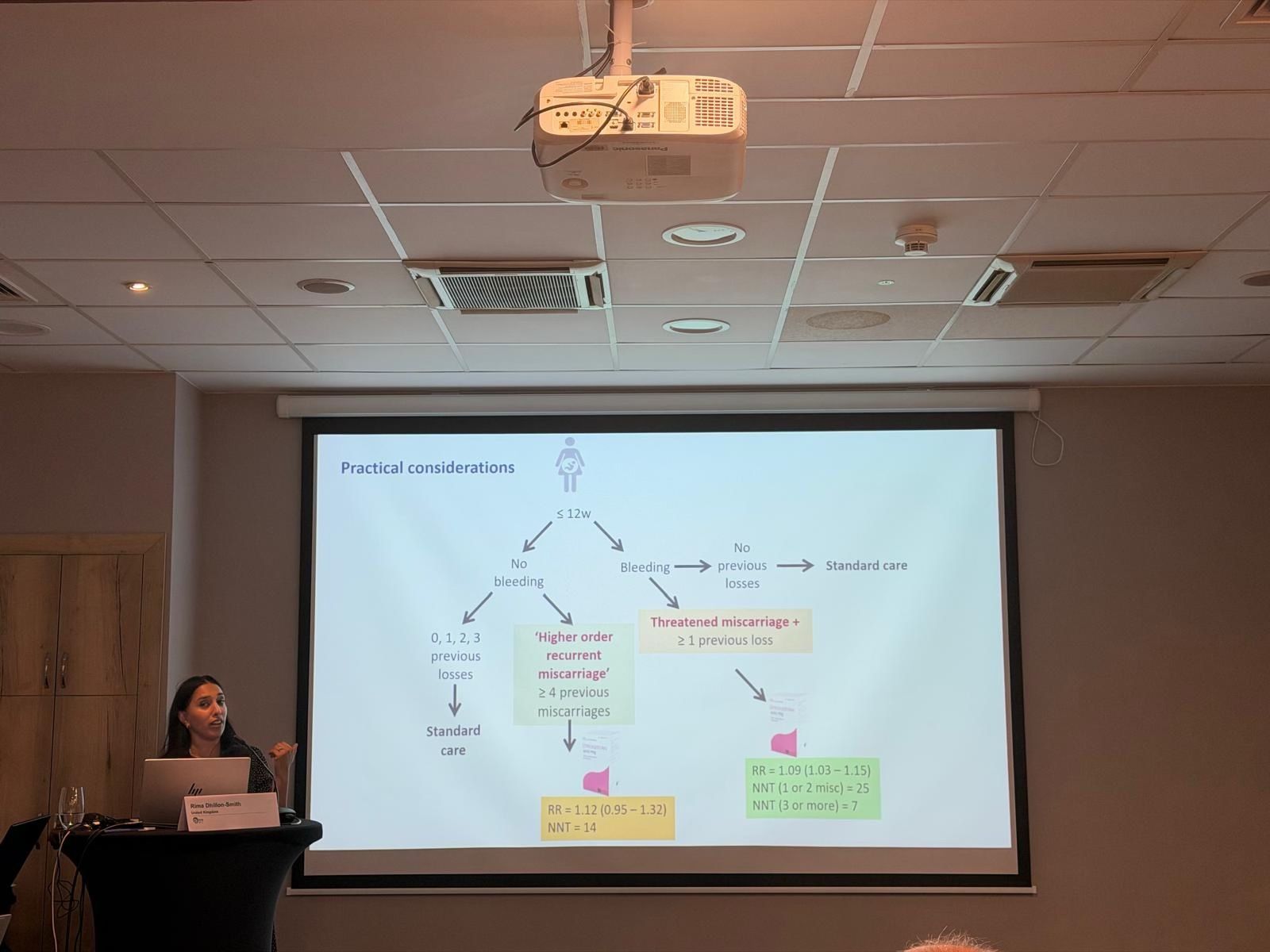
Dr. Rima Dhillon-Smith reviewed the evidence on progesterone support, from the PRISM trial to its implications for clinical practice.
A timely reminder that innovation in reproductive medicine is not only about introducing new treatments, but also knowing when not to prescribe them!”
“Session 8 of our ESHRE Campus course ‘Comprehensive approaches to pregnancy loss’ in Budapest: Pregnancy Loss Care and Support Systems
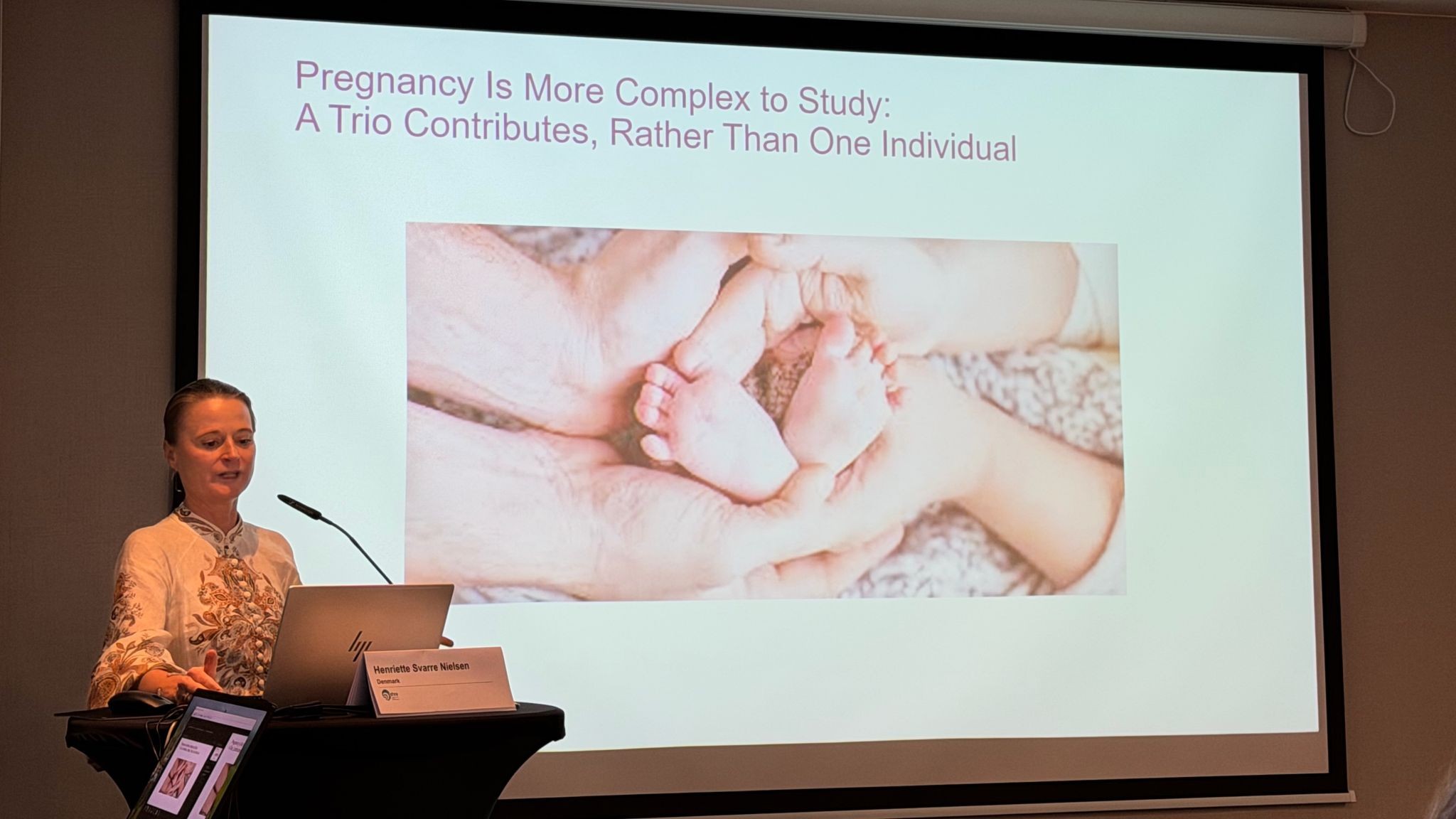
Prof. Henriette Svarre Nielsen opened with a keynote on the landscape of pregnancy loss in 2026: where we stand today and where care needs to go.
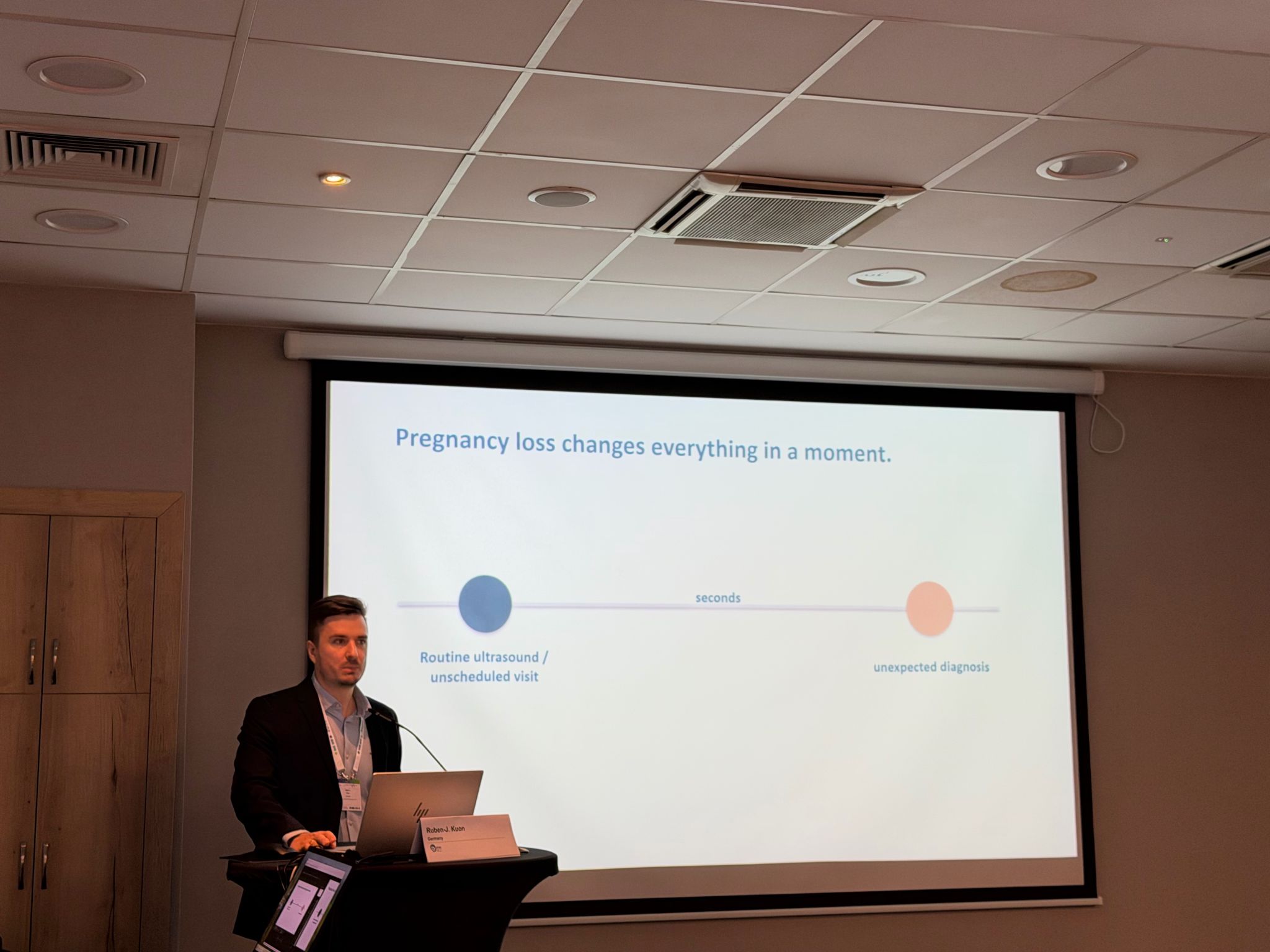
Prof. Dr. Ruben Kuon looked at how to build effective RPL care, and whether new care models can add to what we already offer.
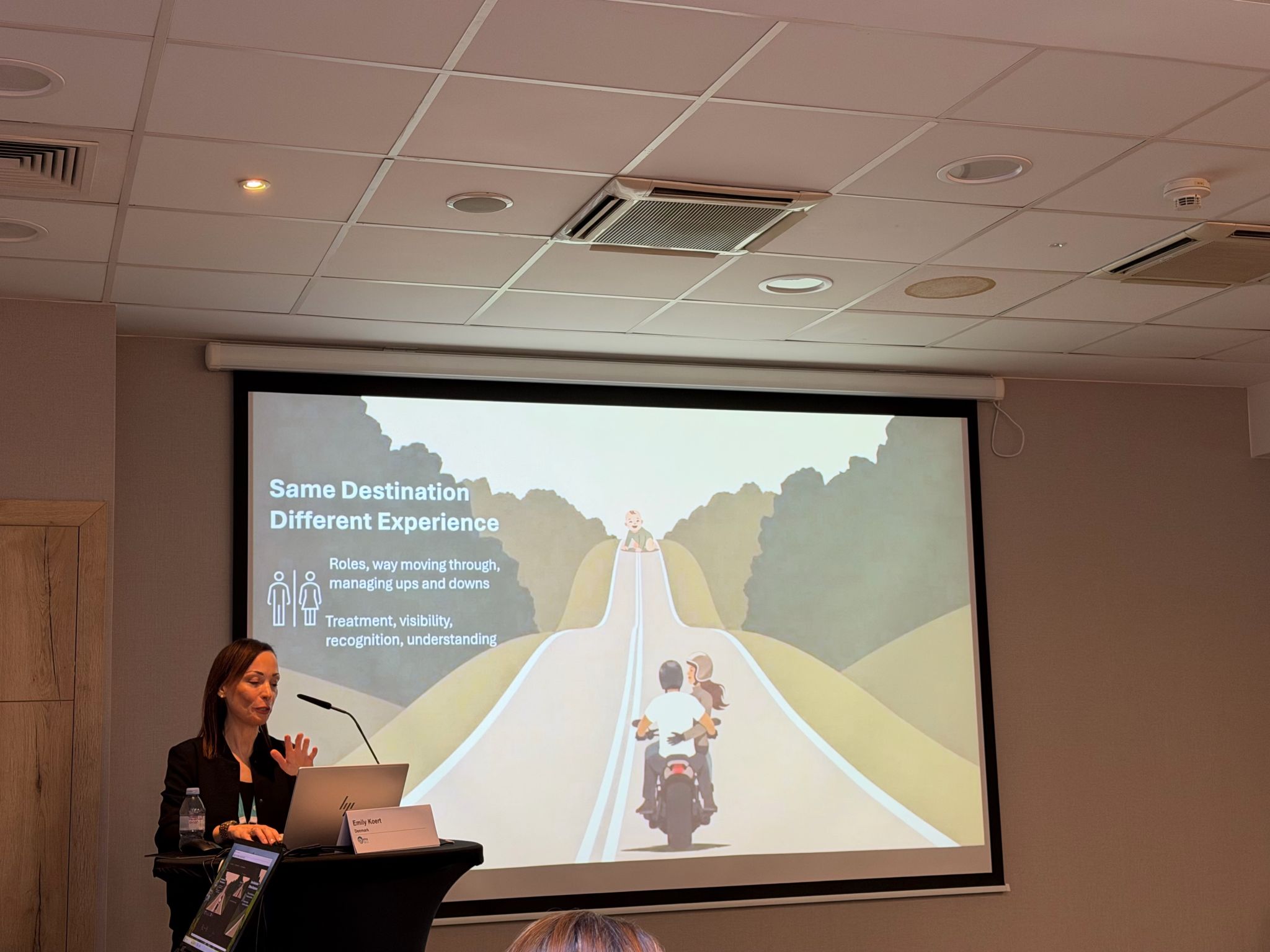
Dr. Emily Koert brought in a perspective we often forget: the partner’s journey through pregnancy loss.”
“Session 9 of our ESHRE Campus course ‘Comprehensive approaches to pregnancy loss’ in Budapest: Future Horizons
Dr. Karina Banasik showed how multi-omics integration can move RPL research forward by bringing different layers of data together to understand pregnancy loss better.
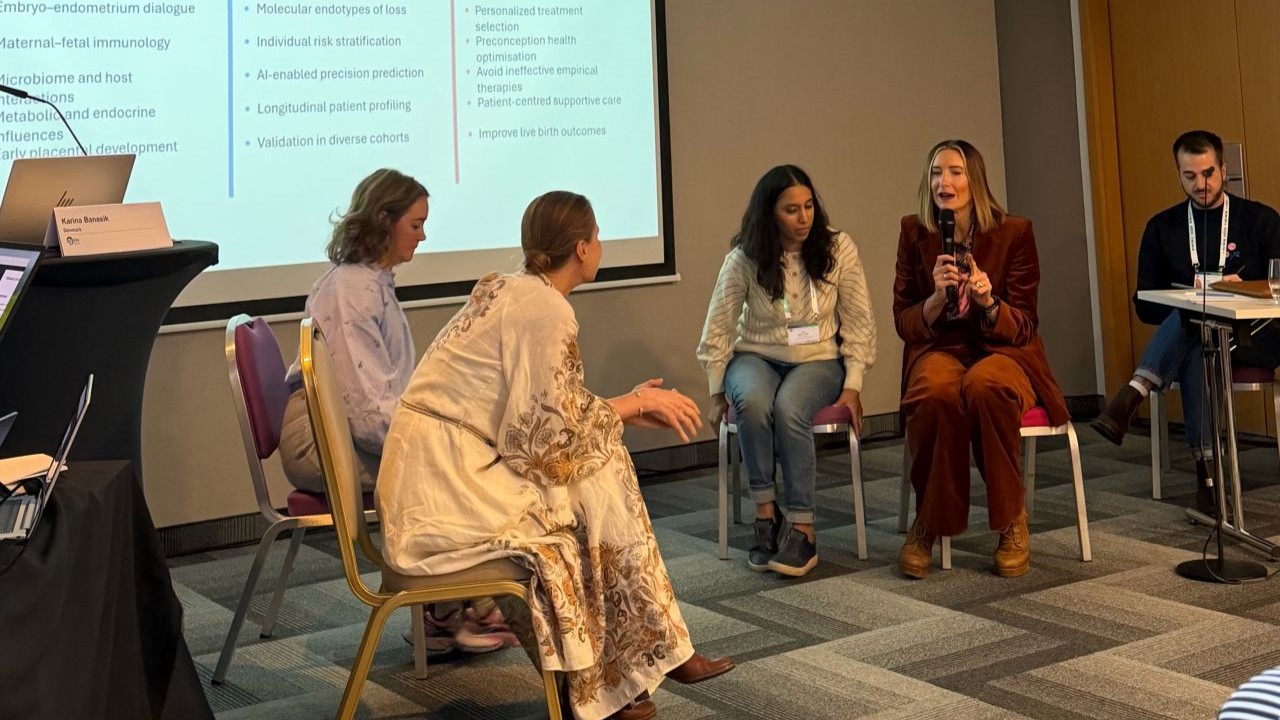
Then came a panel on research priorities for the next decade with Prof. Henriette Svarre Nielsen, Dr. Rima Dhillon-Smith, Prof. Shari Mackens and Dr. Nicola Tempest. It was an open, honest conversation about the questions that still need answers, and a discussion on how pregnancy loss is managed in different countries.”
You can also read about the “Day 1 of the ‘Comprehensive Approaches to Pregnancy Loss’ in Budapest” on Fertility News.

-
Nov 14, 2026, 19:27Katy Encalade: Coaching as an Investment in Ethical Leadership
-
Nov 14, 2026, 19:20Jeyarani Kamaraj: 9 Years of Waiting, 2 Heartbreaking Losses, And Today, 2 Tiny Hands to Hold
-
Nov 14, 2026, 19:12Lynn Burmeister: Why Doctor-Owned Fertility Clinics Matter
-
Nov 14, 2026, 18:36Alejandro González: Positive Test 4 Days After Blastocyst Transfer?
-
Nov 14, 2026, 18:29Danilo Cimadomo: Embryo Transfer Is a Means, Not the Objective Itself
-
Nov 14, 2026, 18:15Ryan Flynn: The Role of Psychosexual Medicine in Fertility Care
-
Nov 14, 2026, 18:04Khalil Faaed: Beyond the PB1 – Post-Denudation Oocyte Morphological Assessment in IVF and ICSI
-
Nov 14, 2026, 17:52Christopher Robinson: A Combined Treatment Strategy for Cesarean Scar Ectopic Pregnancy
-
Nov 14, 2026, 17:40Paul Pirtea: Does the Current Evidence Justify Routine Diagnosis and Treatment of Chronic Endometritis?