
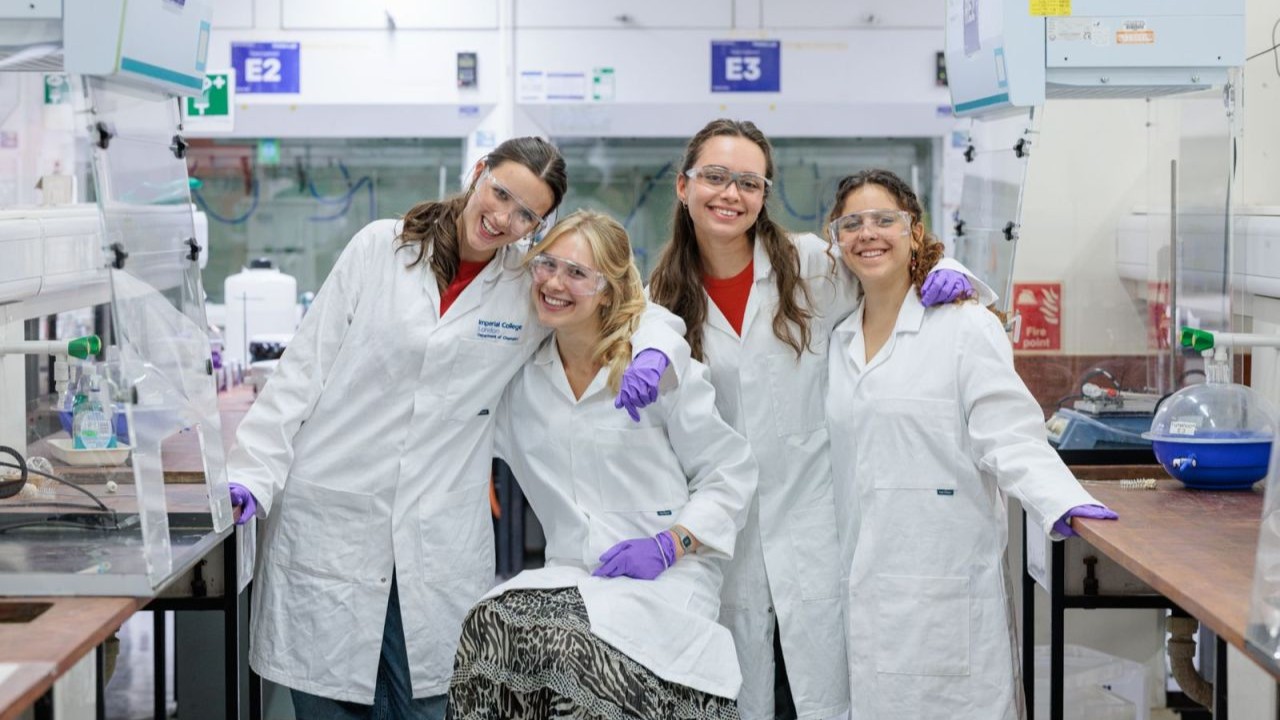
Buse Liv: From a Lab Bench at Imperial to the House of Lords
Buse Liv, Projects Coordinator at Imperial College Neurotech Society, shared on LinkedIn:
“From a lab bench at Imperial to the House of Lords.
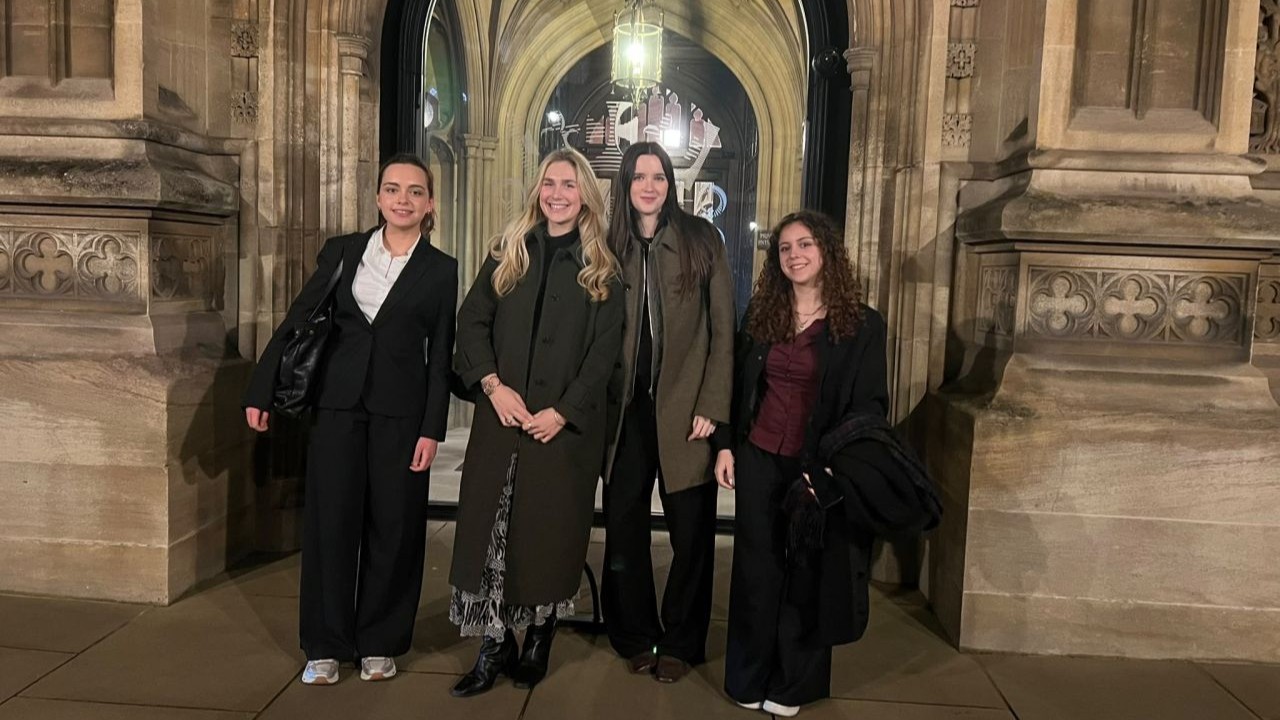
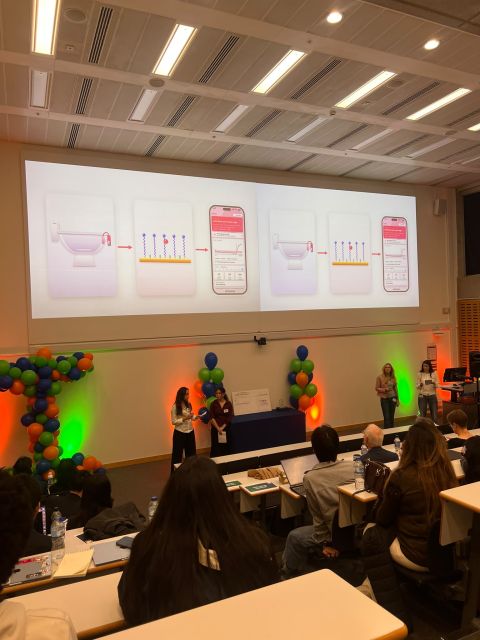
This summer, Eve Sharma(Physics), Isla Binks (Maths), Öykü Erciyes and I (Biology) built Eviso as part of the FoNSMAD (MakeADifference) competition. We were the first all-women team and the first FemTech project in its history.
Women’s hormones change throughout the cycle, but healthcare still measures them in snapshots, usually one blood test and a list of symptoms. As someone with PMOS, I’ve seen this firsthand.
Ovulation tests have the same problem. They look for a surge in luteinising hormone (LH) that can be over within a day, so if you test on the wrong day, you miss it.
With PMOS, LH can rise and fall several times without ovulation, so a single strip often misses the real surge or picks up a false one. And every option on the market still depends on her remembering to test, at the right time, every day.
Eviso replaces snapshots with continuous data. It’s a toilet-mounted system that measures LH in urine passively. You press one button and the device does the rest, so women have real data from their own bodies long before fertility becomes a question.
With eight weeks and £1,500, we:
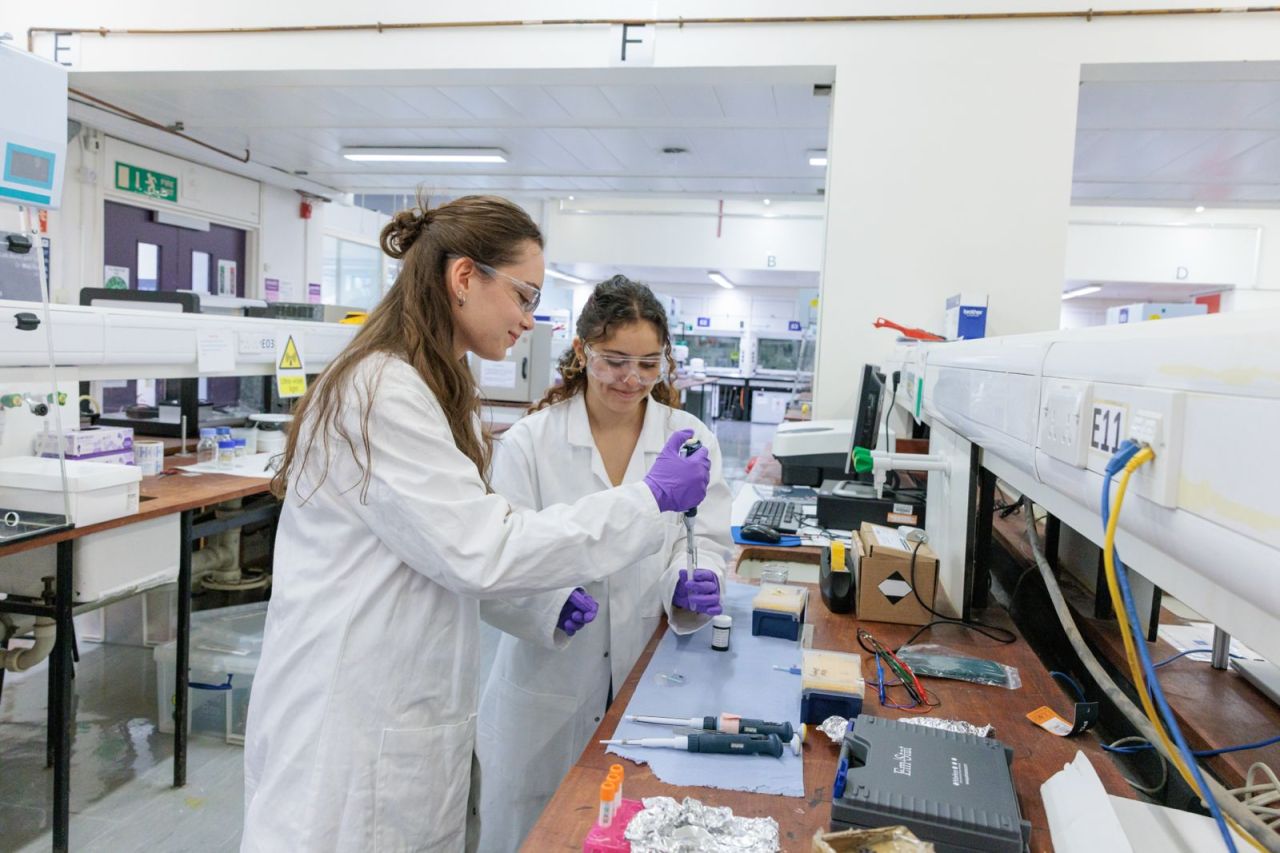
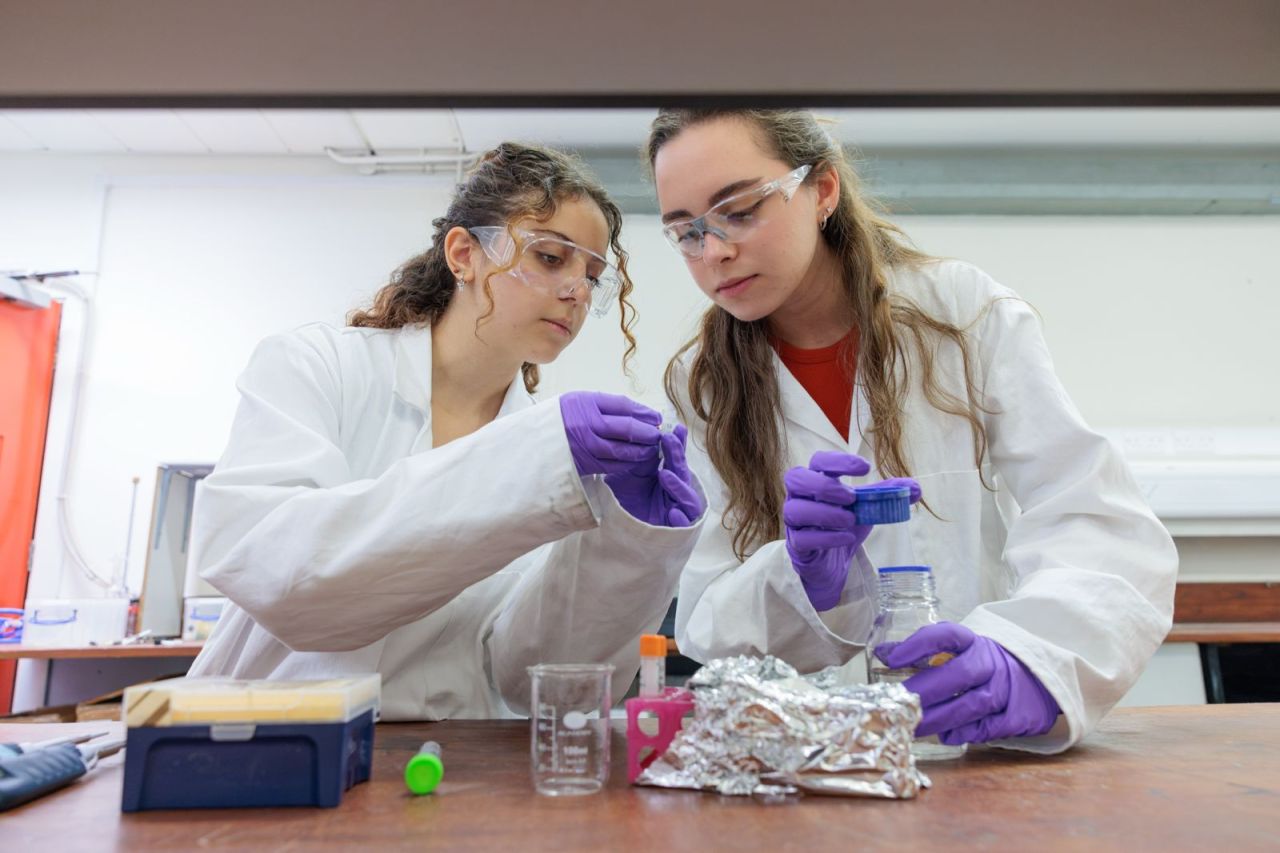
- Manufactured an aptamer-based electrochemical biosensor for LH
- Built a working prototype that mixes the sample with buffer, runs the analysis, sends the data to a phone and cleans itself, all from one button press
- Designed an app that gives plain-language guidance instead of raw numbers, and keeps all data on the user’s phone
- Saw our first LH response, which gives us something to build the full validation on
We also received £600 in funding and IP support from Imperial FoNS.
In October 28th, we pitched in the FoNSMAD final and came away as runners-up, along with more connections and encouragement than we expected.
Yesterday, all four of us were invited to the House of Lords by Lord Robert Winston, one of our judges, to talk about Eviso and the future of women’s health.
He spoke about how much of the fertility market isn’t backed by science, and how often it makes money from women rather than helping them. What stayed with us was how much it mattered to him that we’re approaching this as scientists, putting evidence before profit and building something that genuinely helps women.
It was a real privilege, and a reminder of why this problem matters beyond the lab.
Thank you to our supervisors Ravi Singh, Benji Fenech Salerno, Isabel R., Jose Jimenez, and Carla Gilabert Carbajo and to Emma Mattin and Thibault Bertrand for organising FoNSMAD and supporting us throughout. A special thank you to Prof. Aylin Hanyaloglu, Dr. Ali Abbara and Prof. Stephen Franks for their support and advice.”
Stay informed with the latest updates in fertility and reproductive medicine on Fertility News.
-
Nov 14, 2026, 19:27Katy Encalade: Coaching as an Investment in Ethical Leadership
-
Nov 14, 2026, 19:20Jeyarani Kamaraj: 9 Years of Waiting, 2 Heartbreaking Losses, And Today, 2 Tiny Hands to Hold
-
Nov 14, 2026, 19:12Lynn Burmeister: Why Doctor-Owned Fertility Clinics Matter
-
Nov 14, 2026, 18:36Alejandro González: Positive Test 4 Days After Blastocyst Transfer?
-
Nov 14, 2026, 18:29Danilo Cimadomo: Embryo Transfer Is a Means, Not the Objective Itself
-
Nov 14, 2026, 18:15Ryan Flynn: The Role of Psychosexual Medicine in Fertility Care
-
Nov 14, 2026, 18:04Khalil Faaed: Beyond the PB1 – Post-Denudation Oocyte Morphological Assessment in IVF and ICSI
-
Nov 14, 2026, 17:52Christopher Robinson: A Combined Treatment Strategy for Cesarean Scar Ectopic Pregnancy
-
Nov 14, 2026, 17:40Paul Pirtea: Does the Current Evidence Justify Routine Diagnosis and Treatment of Chronic Endometritis?