
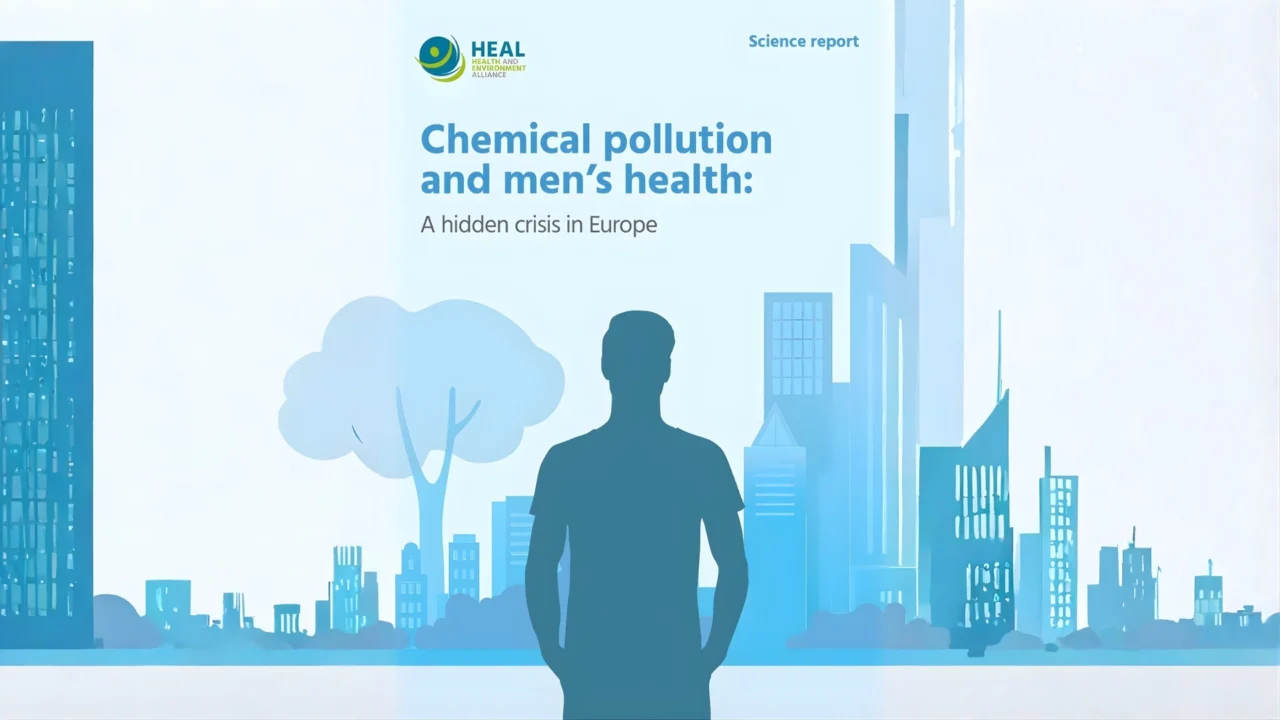
Chemical Pollution’s Impact on Male Reproductive Health – Cesar Fertility
Cesar Fertility shared a post on LinkedIn:
“Chemical pollution and men’s health: a silent crisis… but avoidable
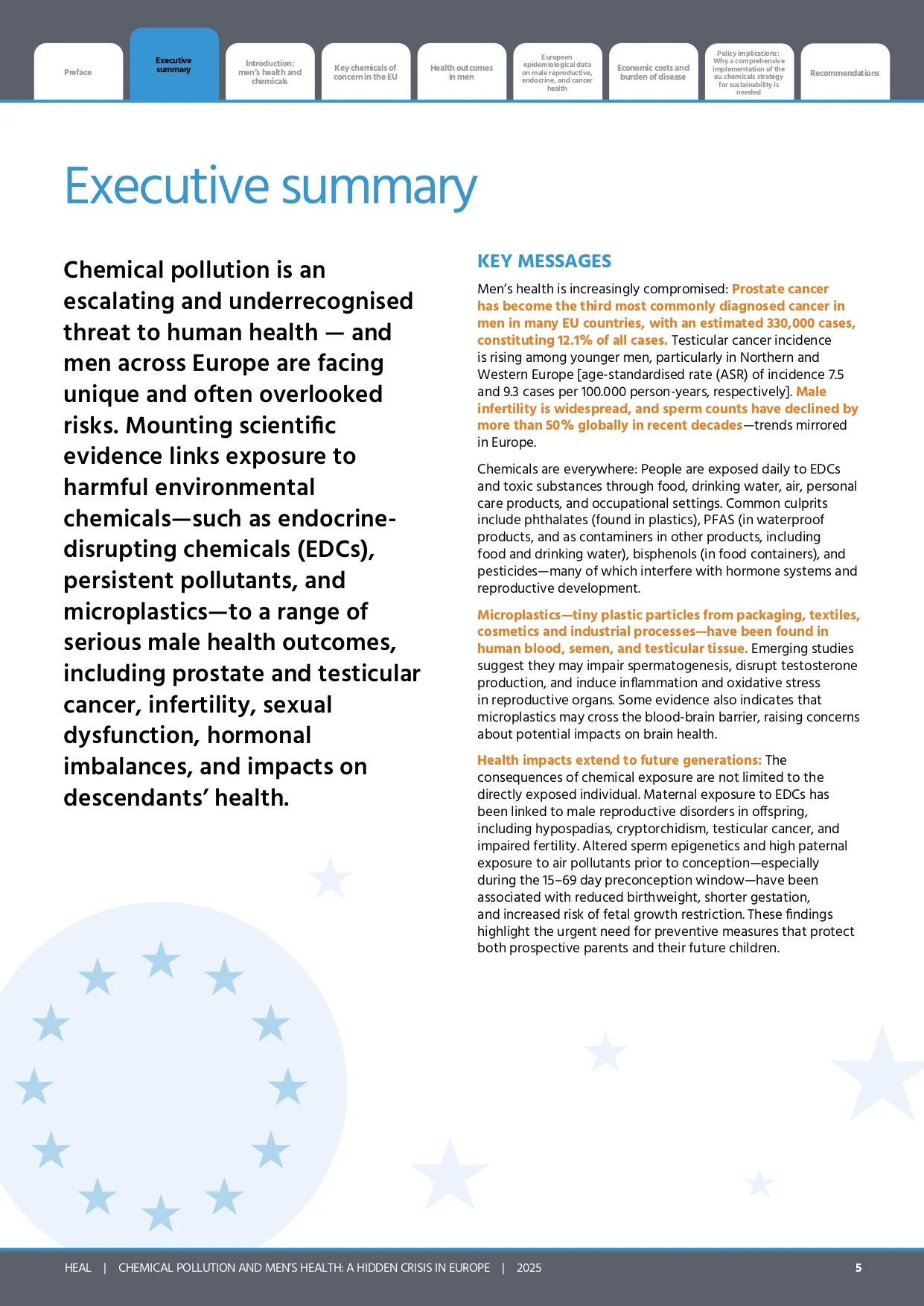
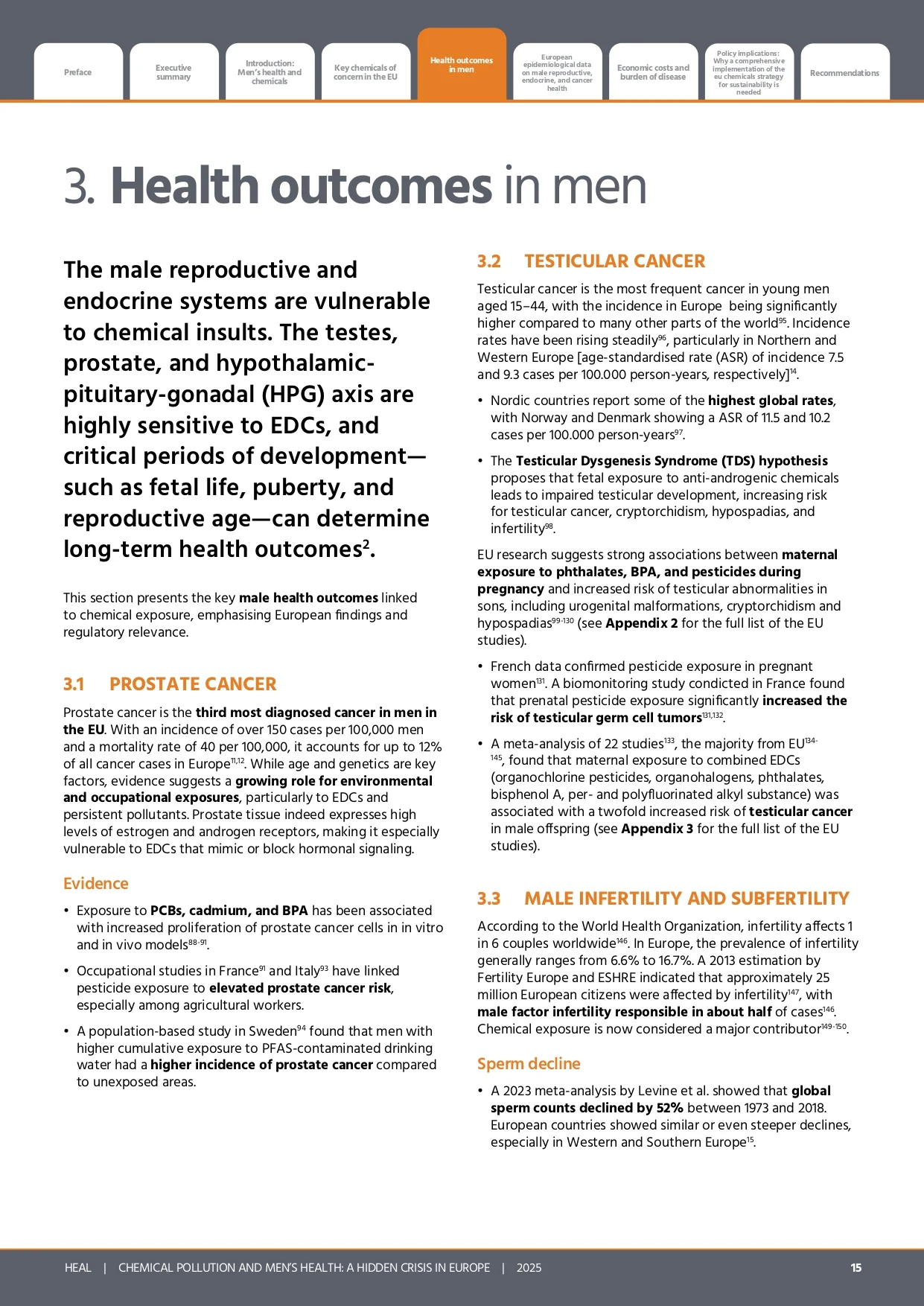
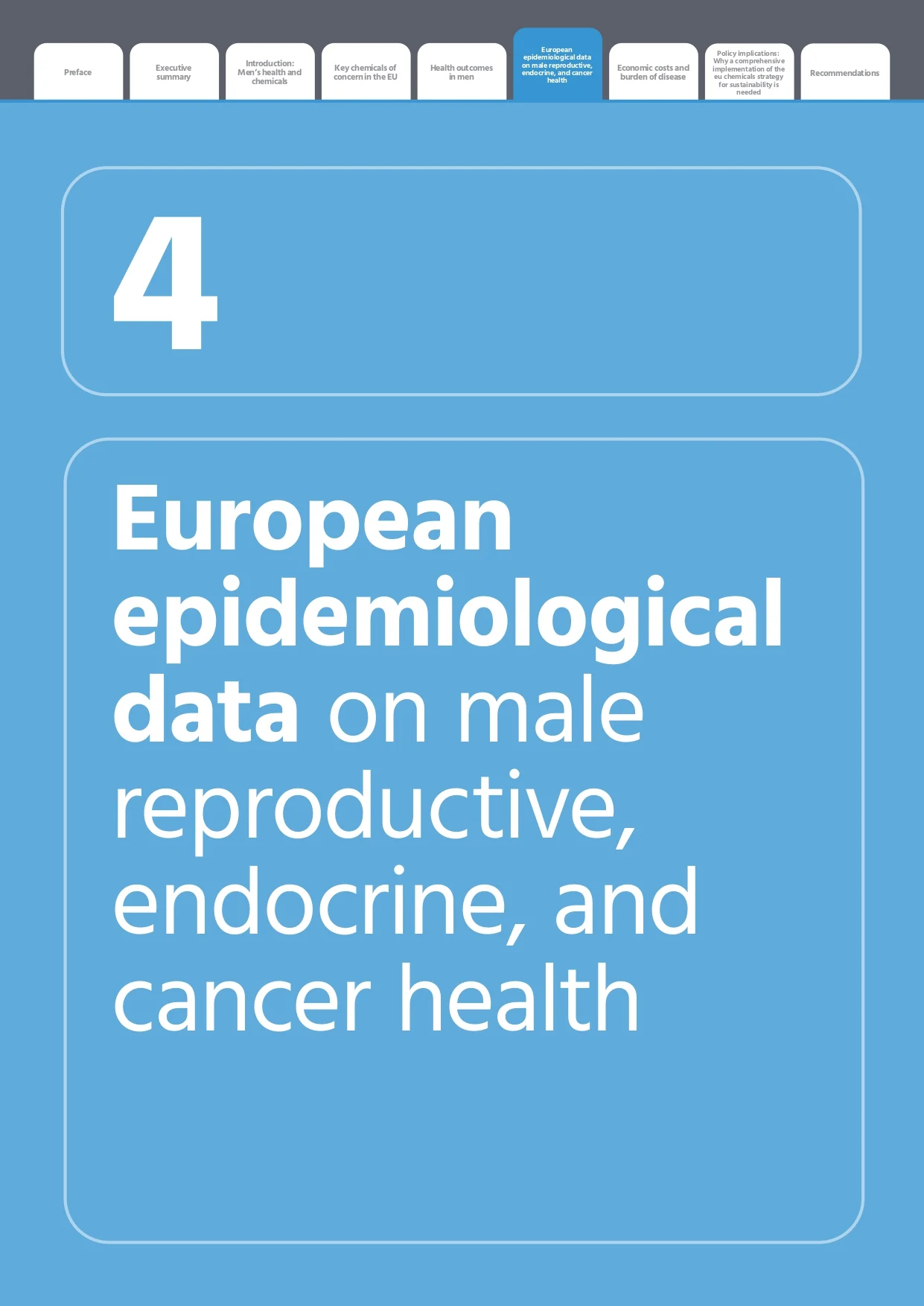
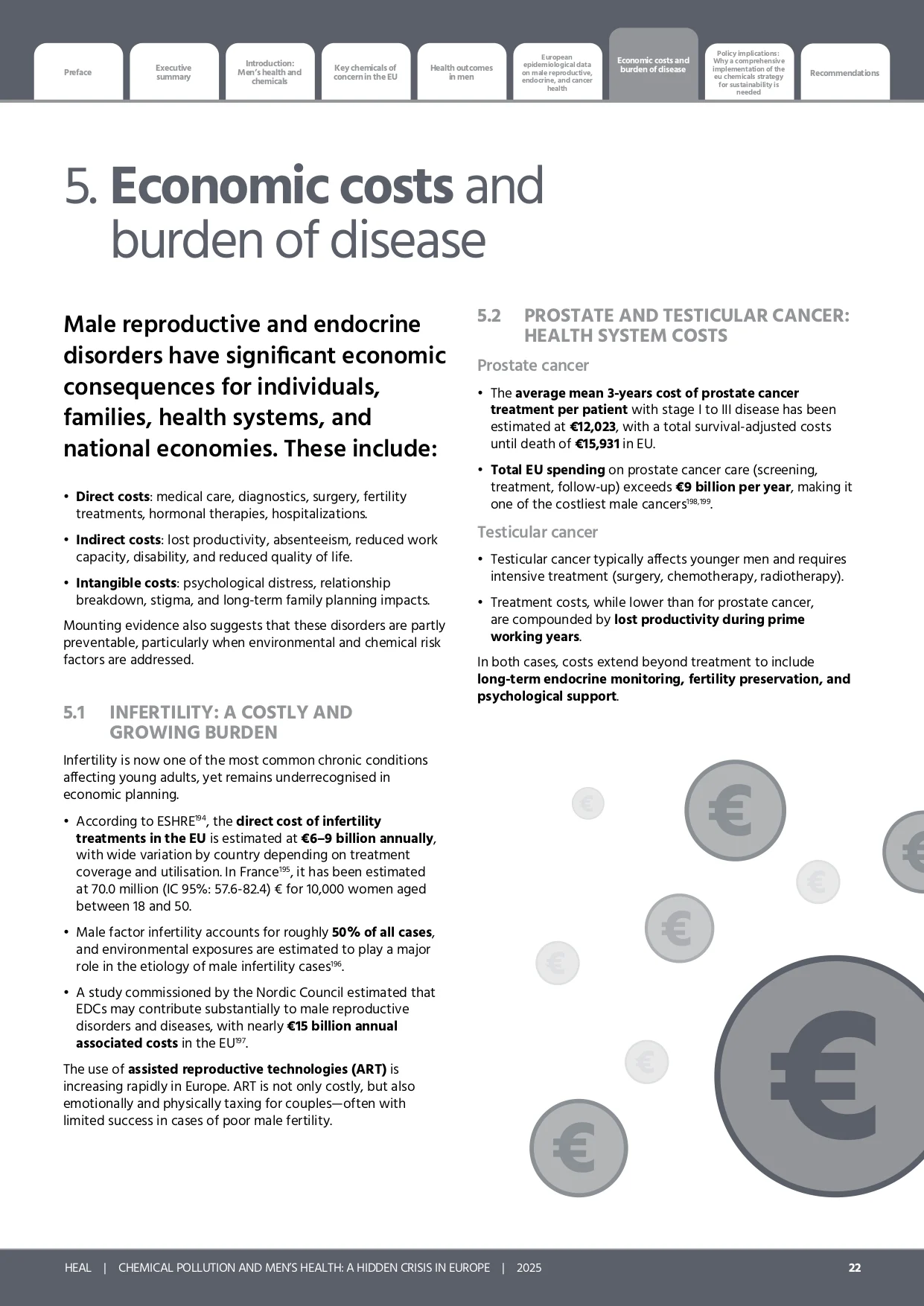
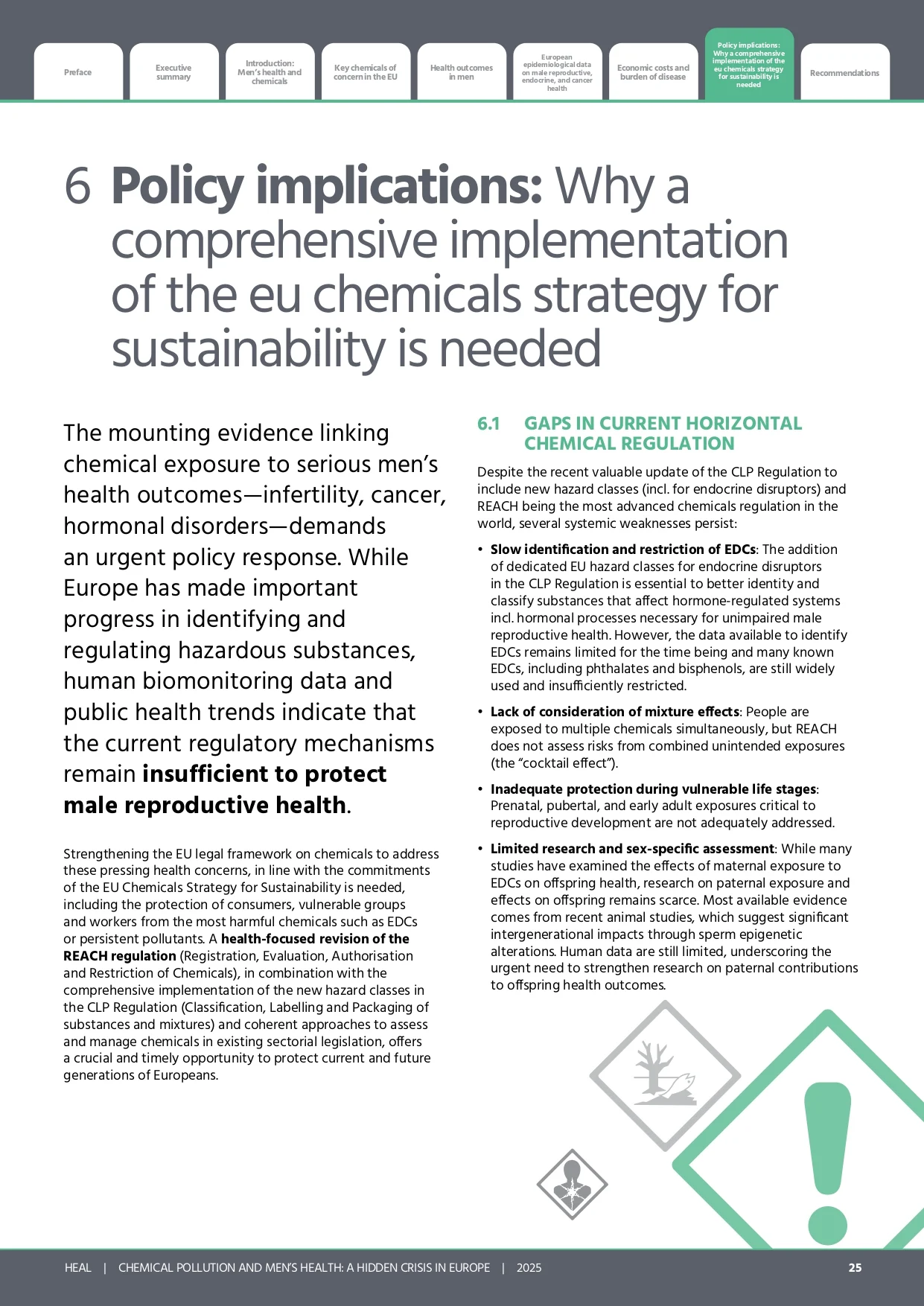
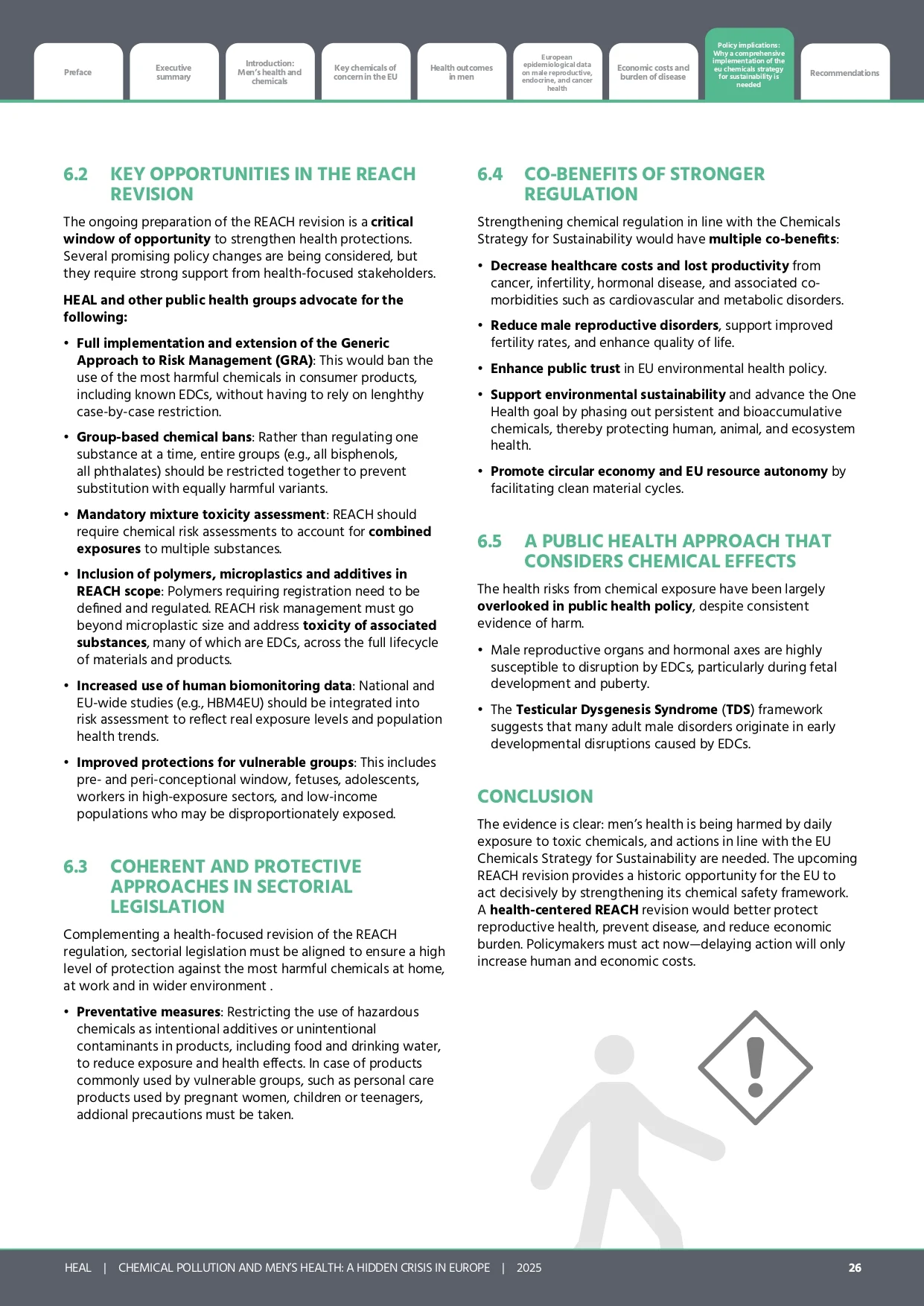
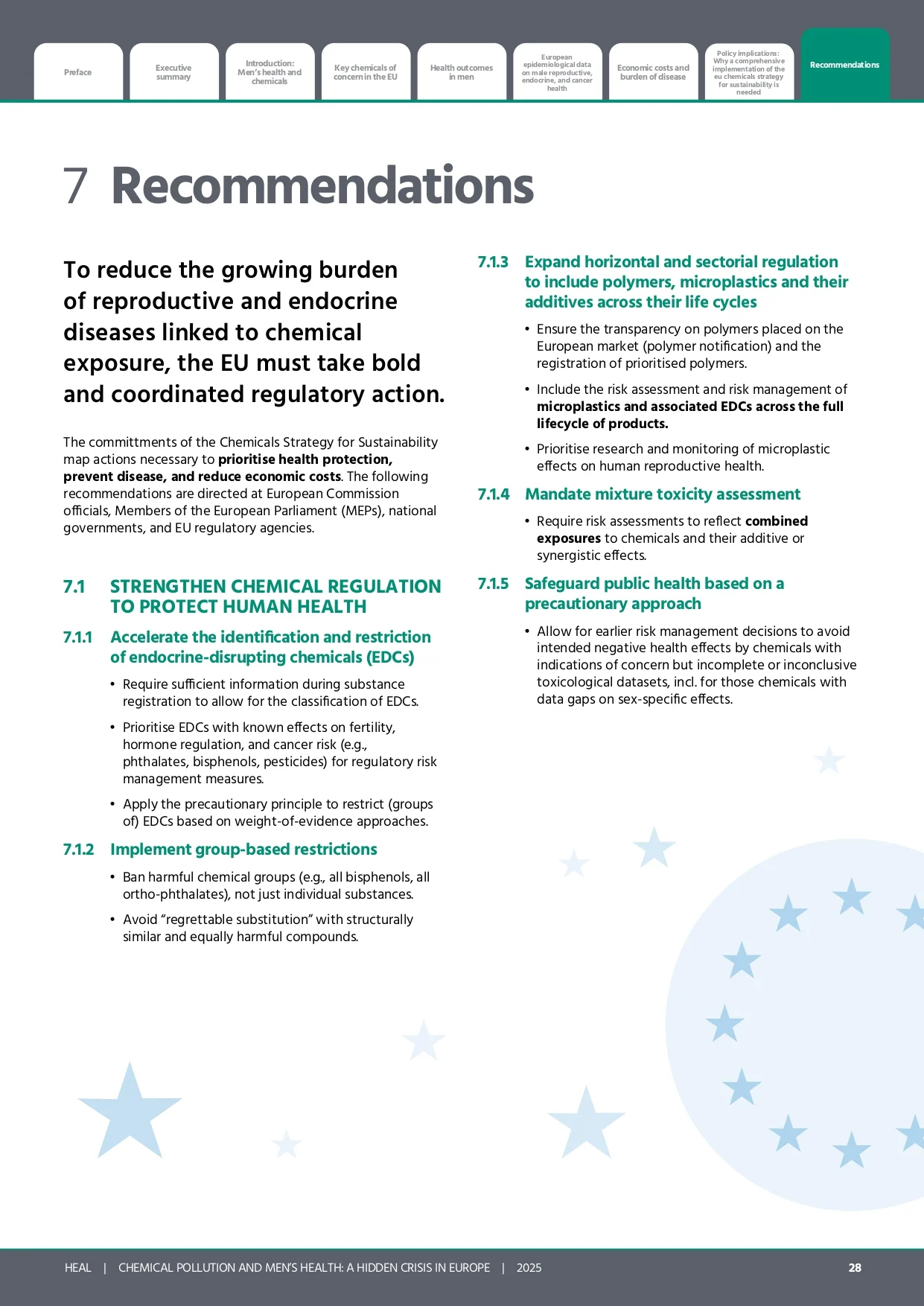
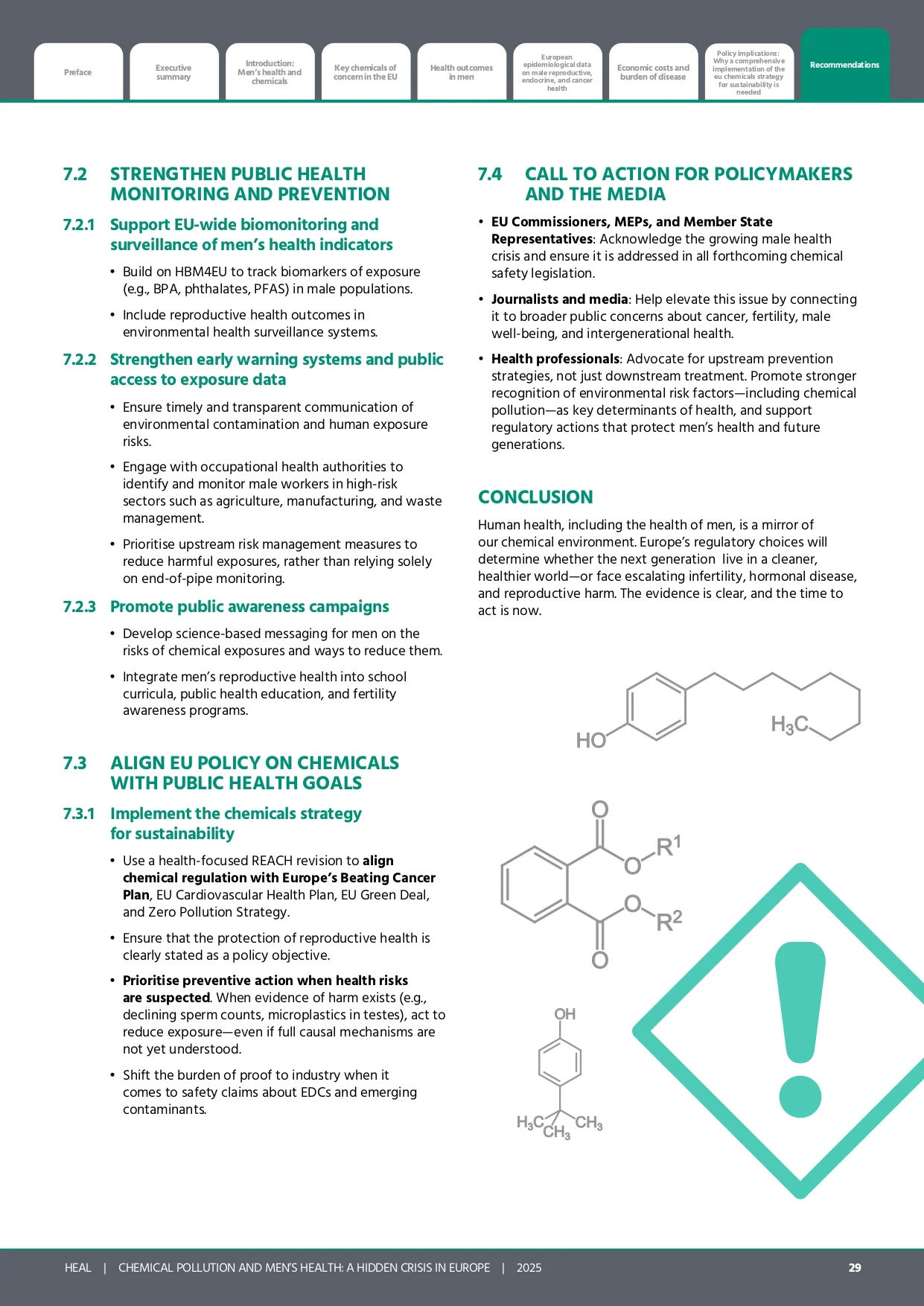
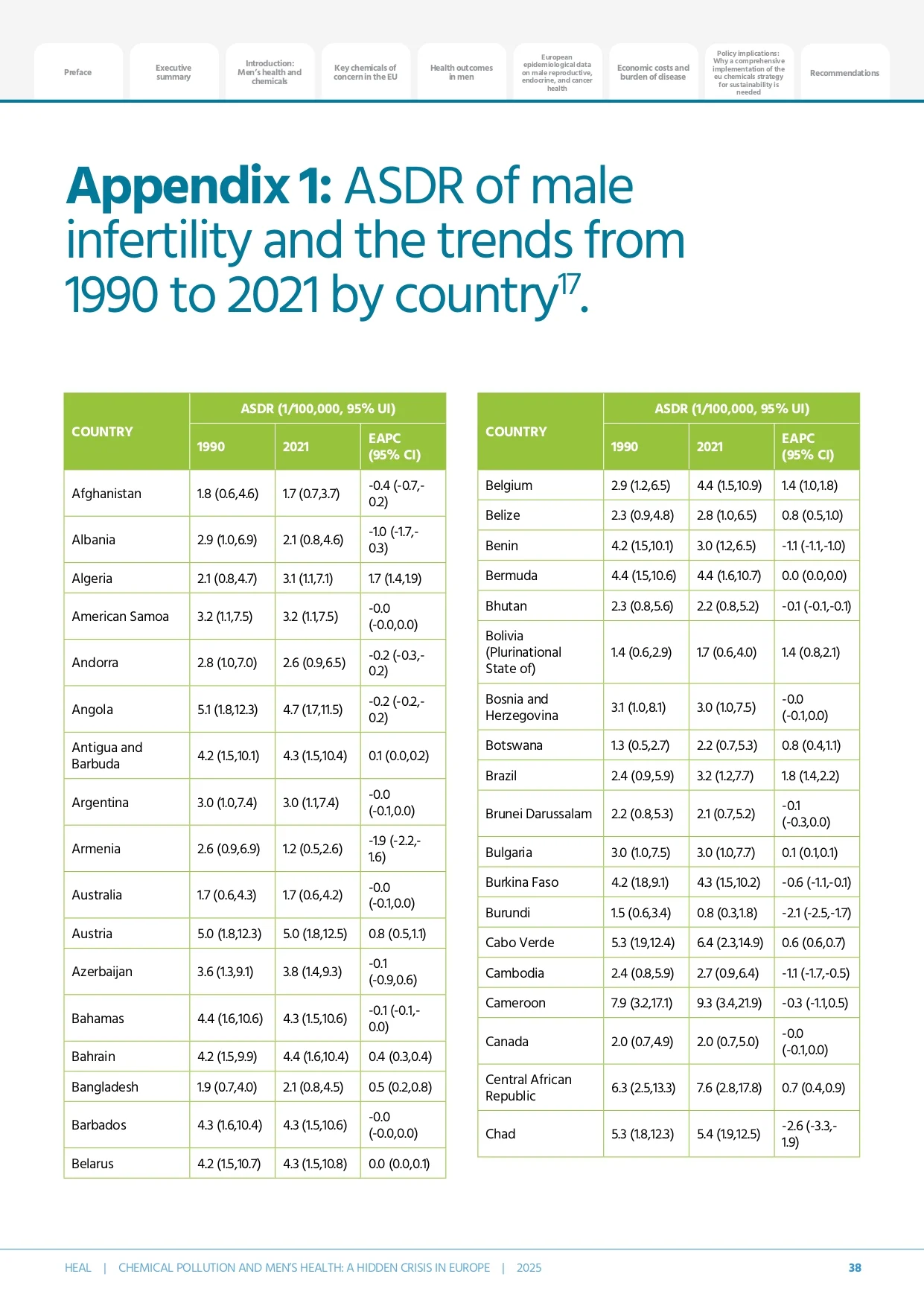
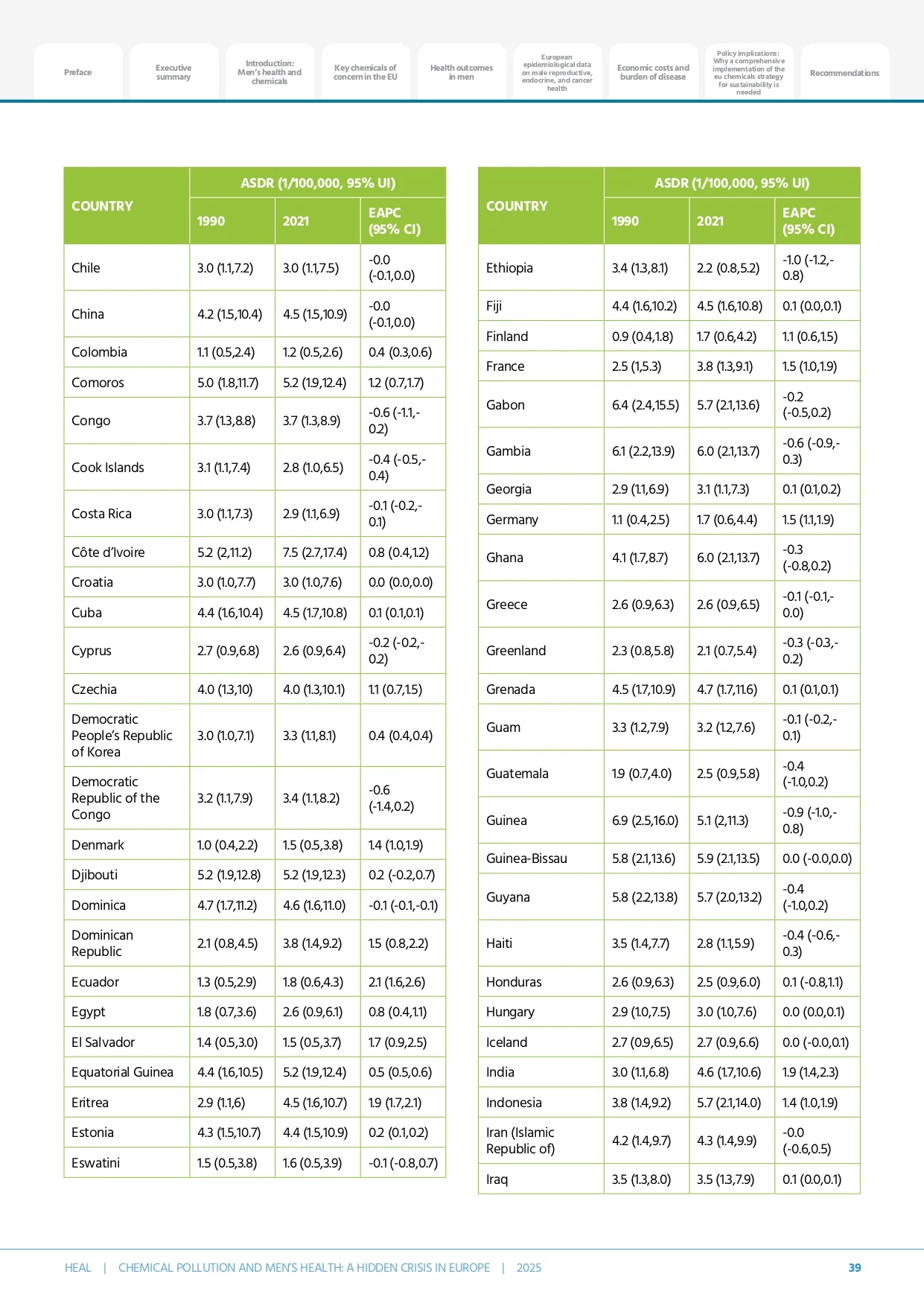
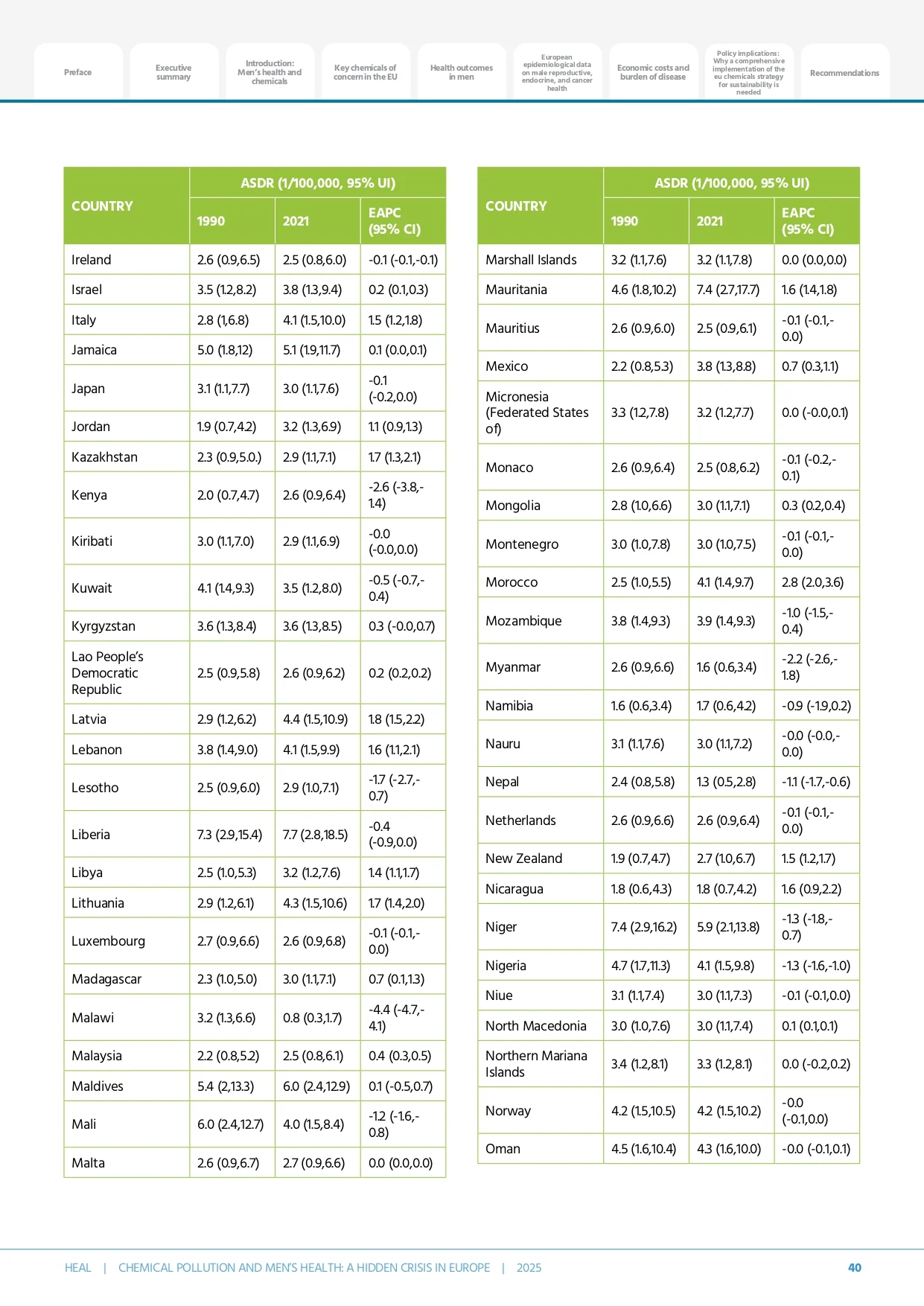
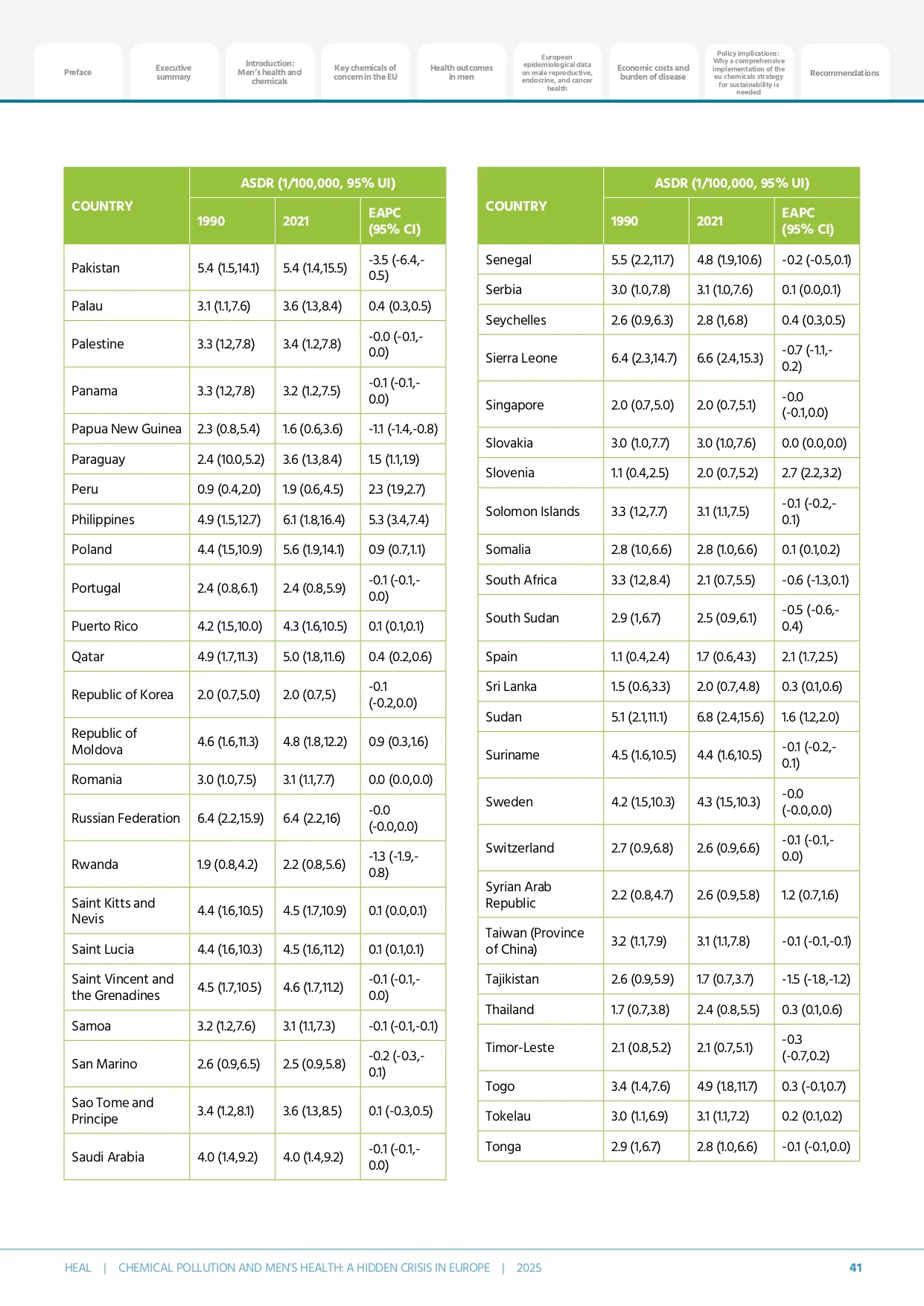
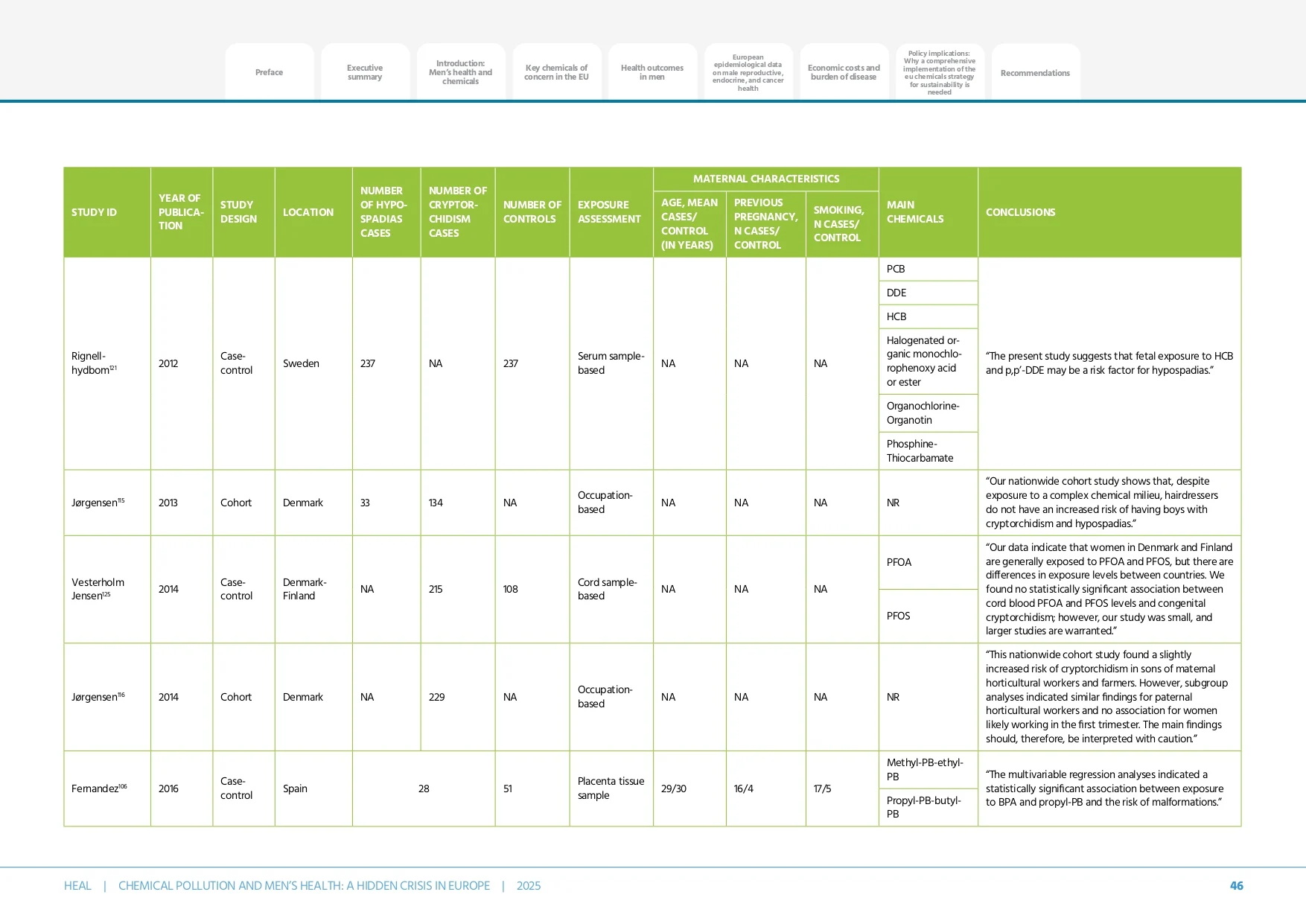
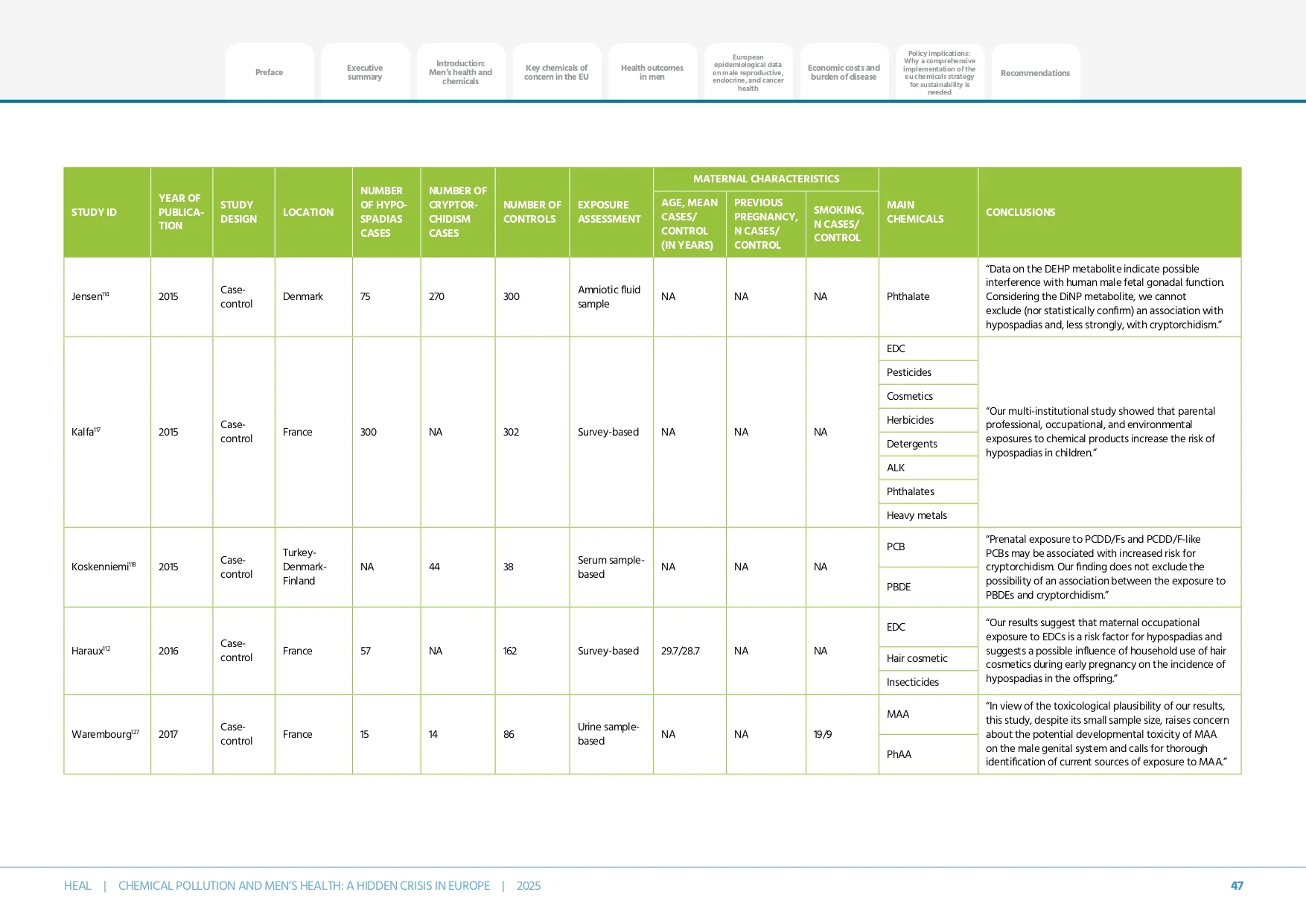
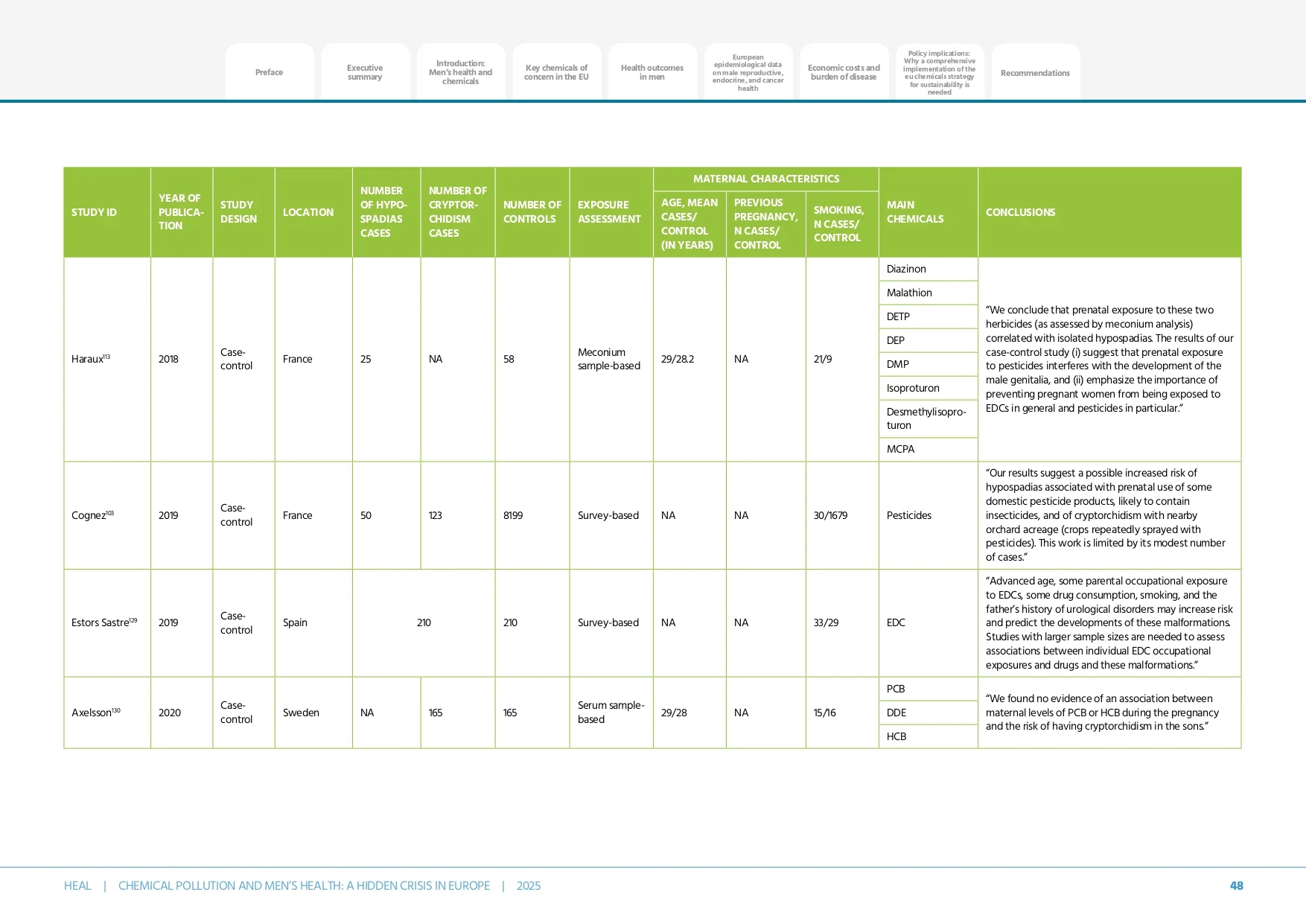
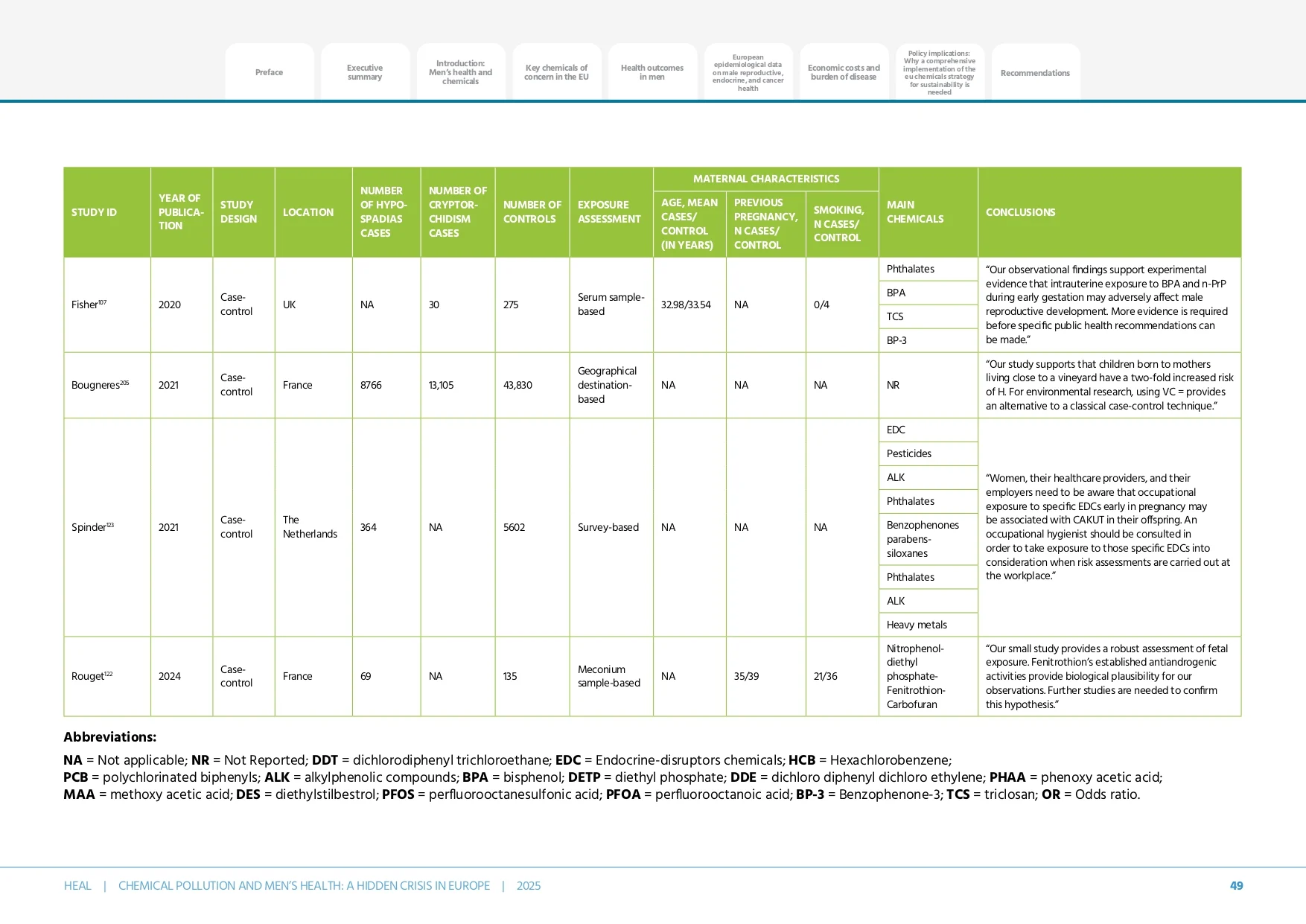
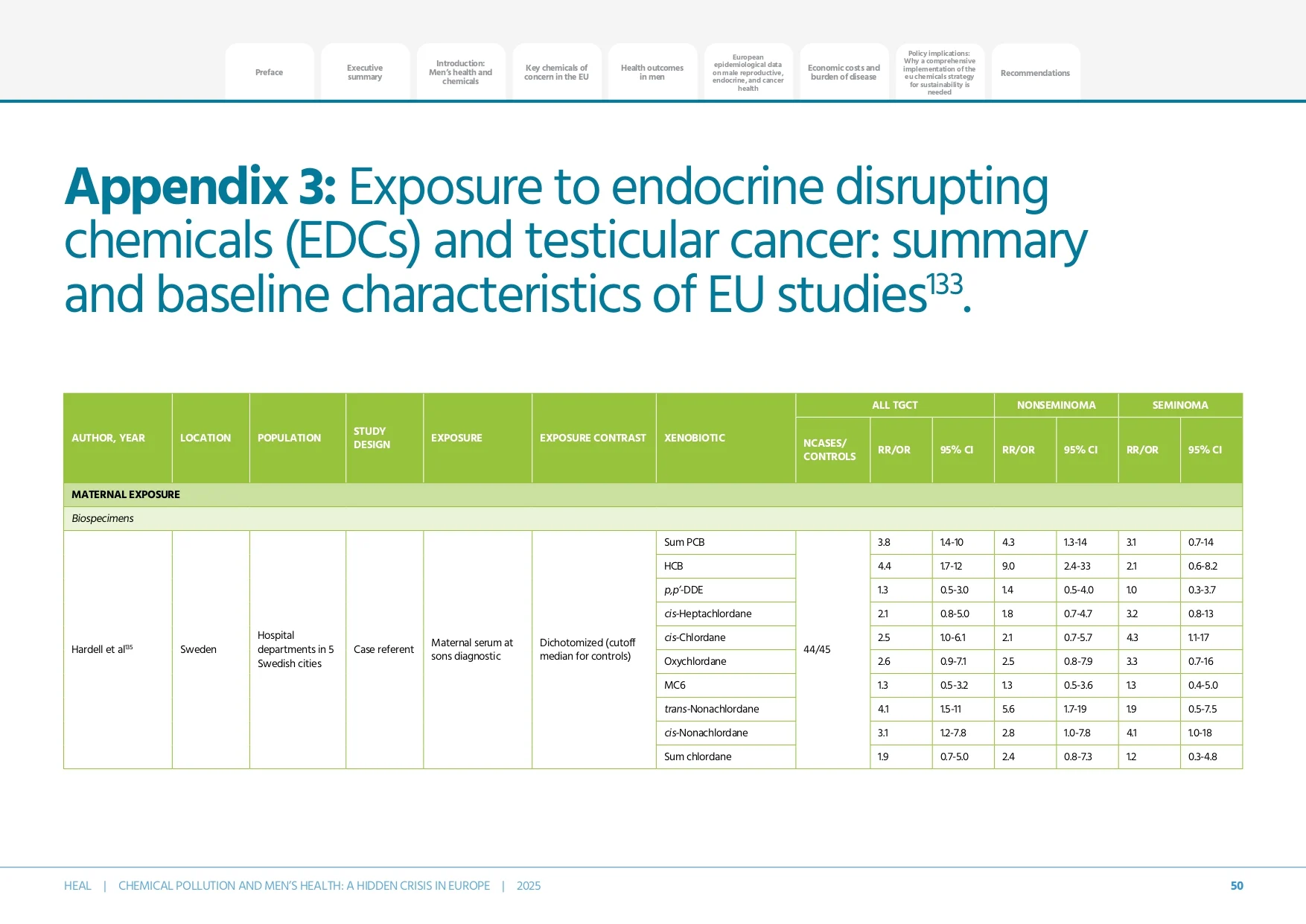
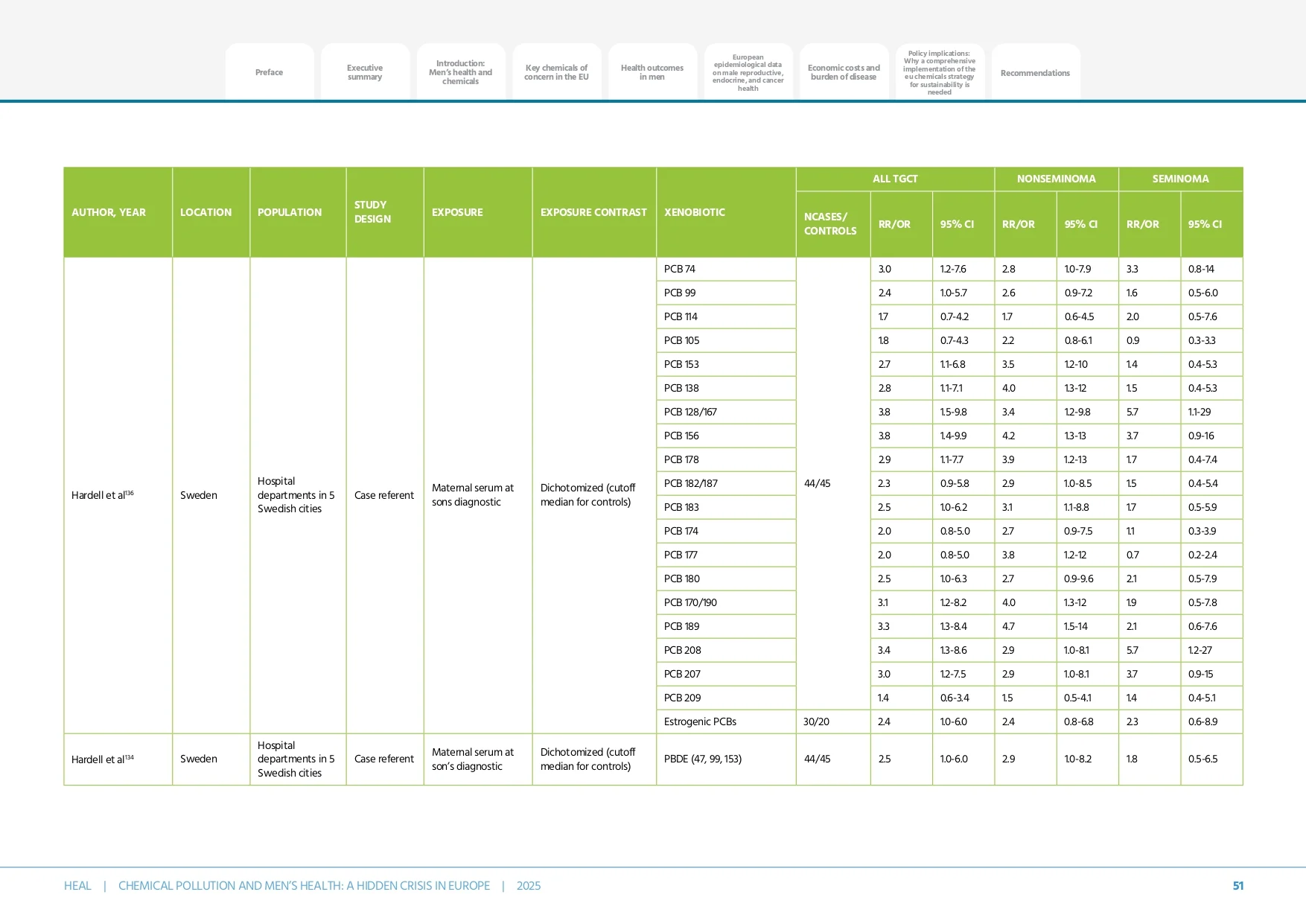
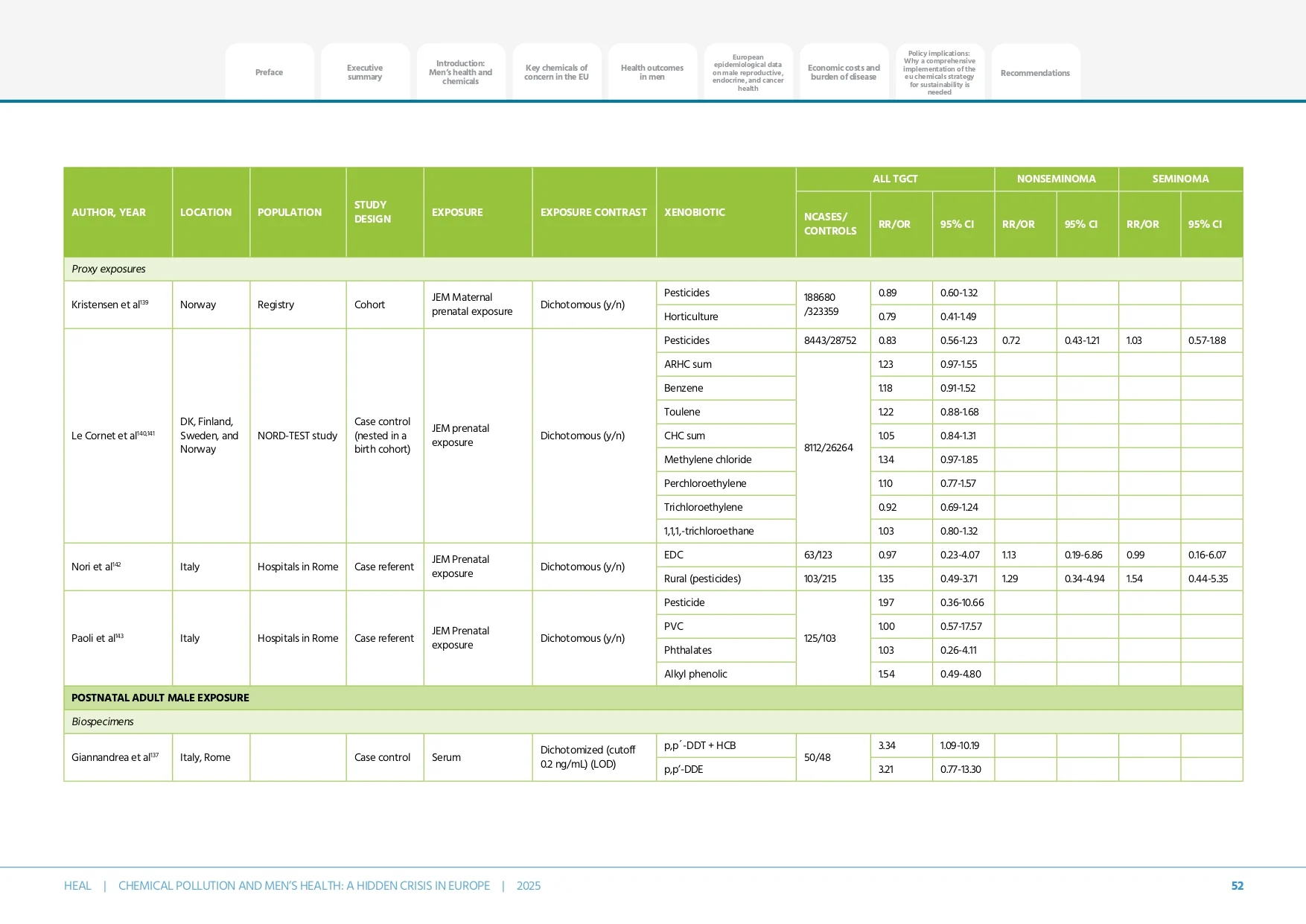
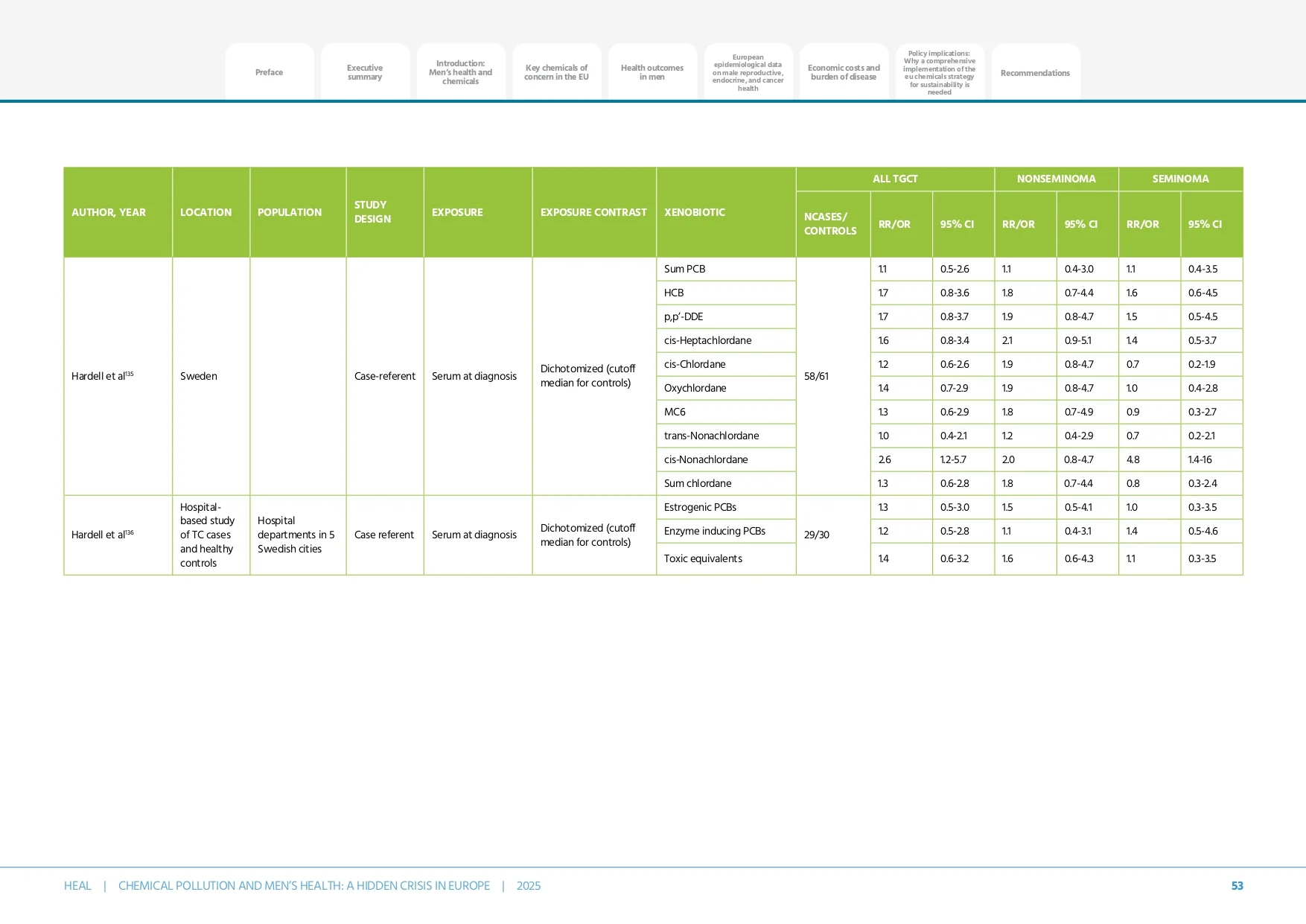
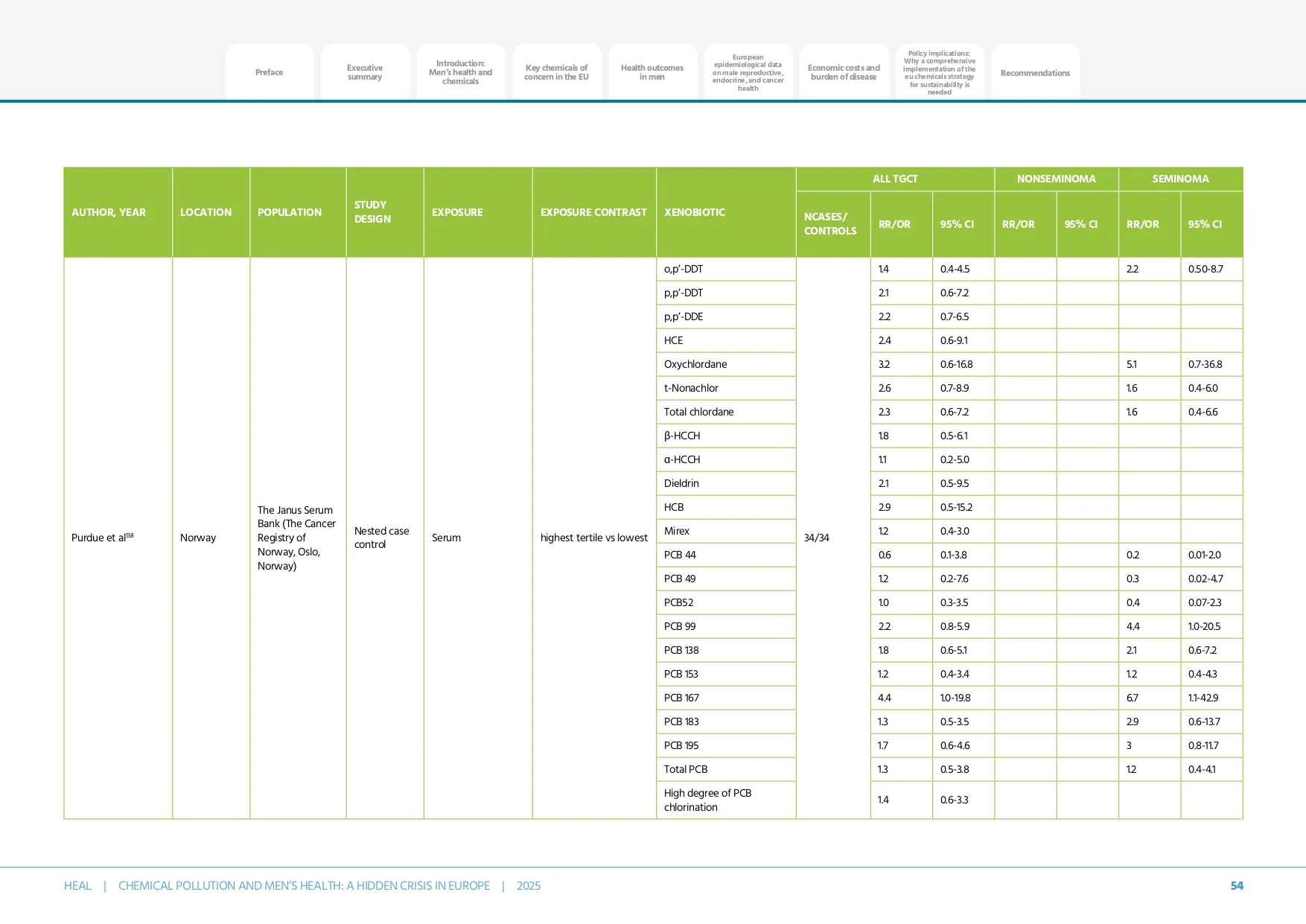
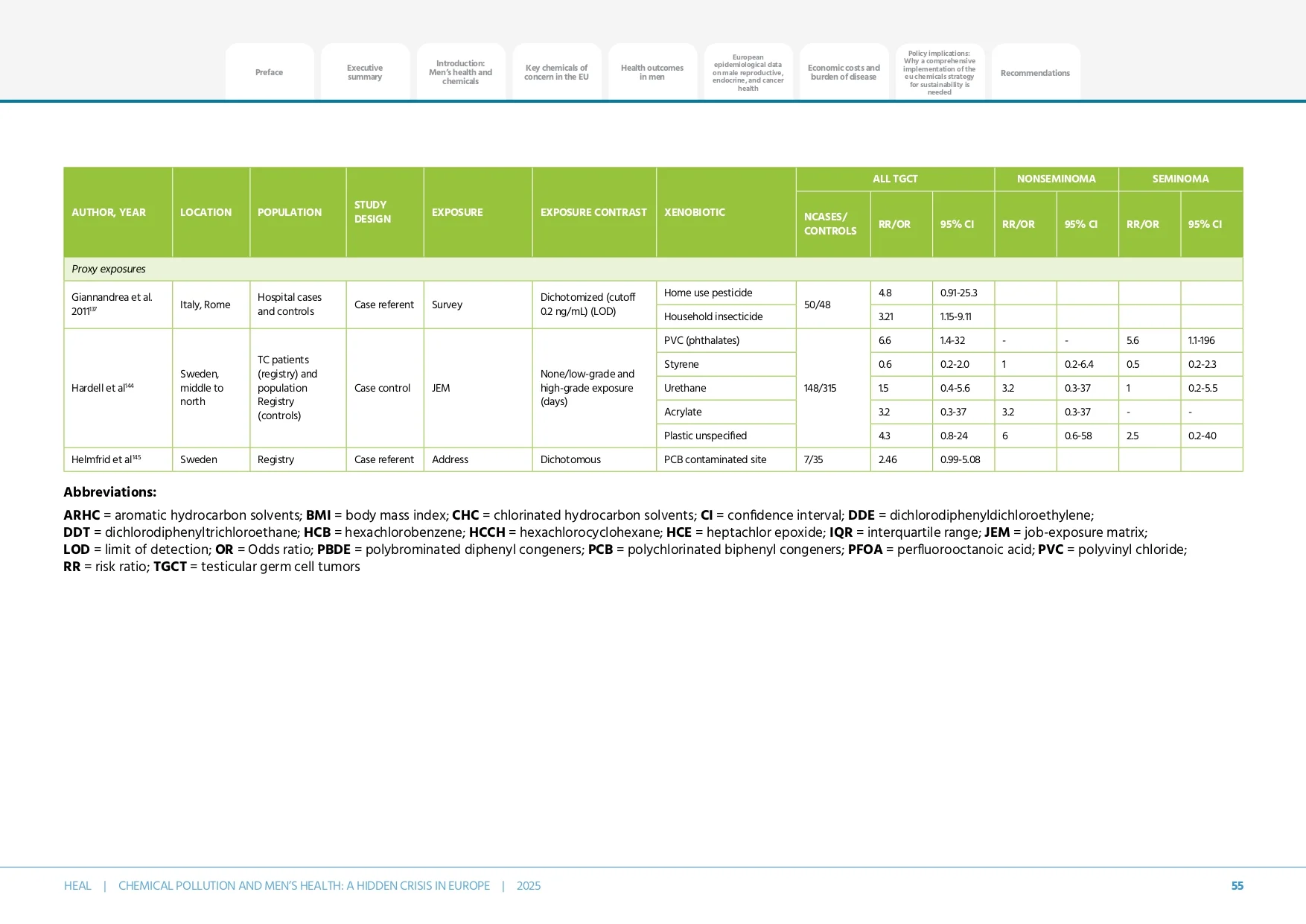
A recent report by the Health and Environment Alliance (HEAL) highlights an alarming finding: in Europe, chronic exposure to chemicals weighs heavily on male reproductive health.
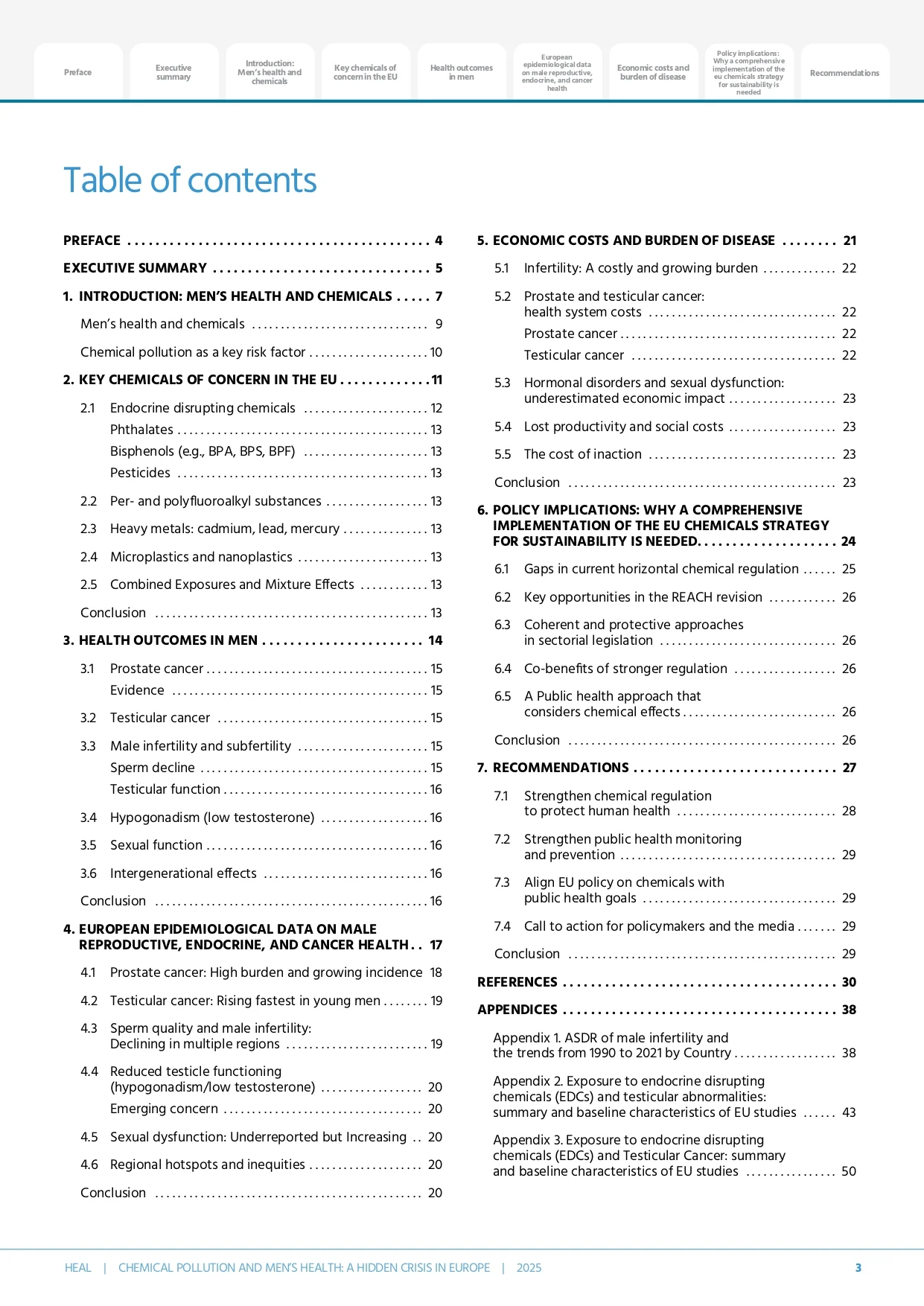
Some key figures
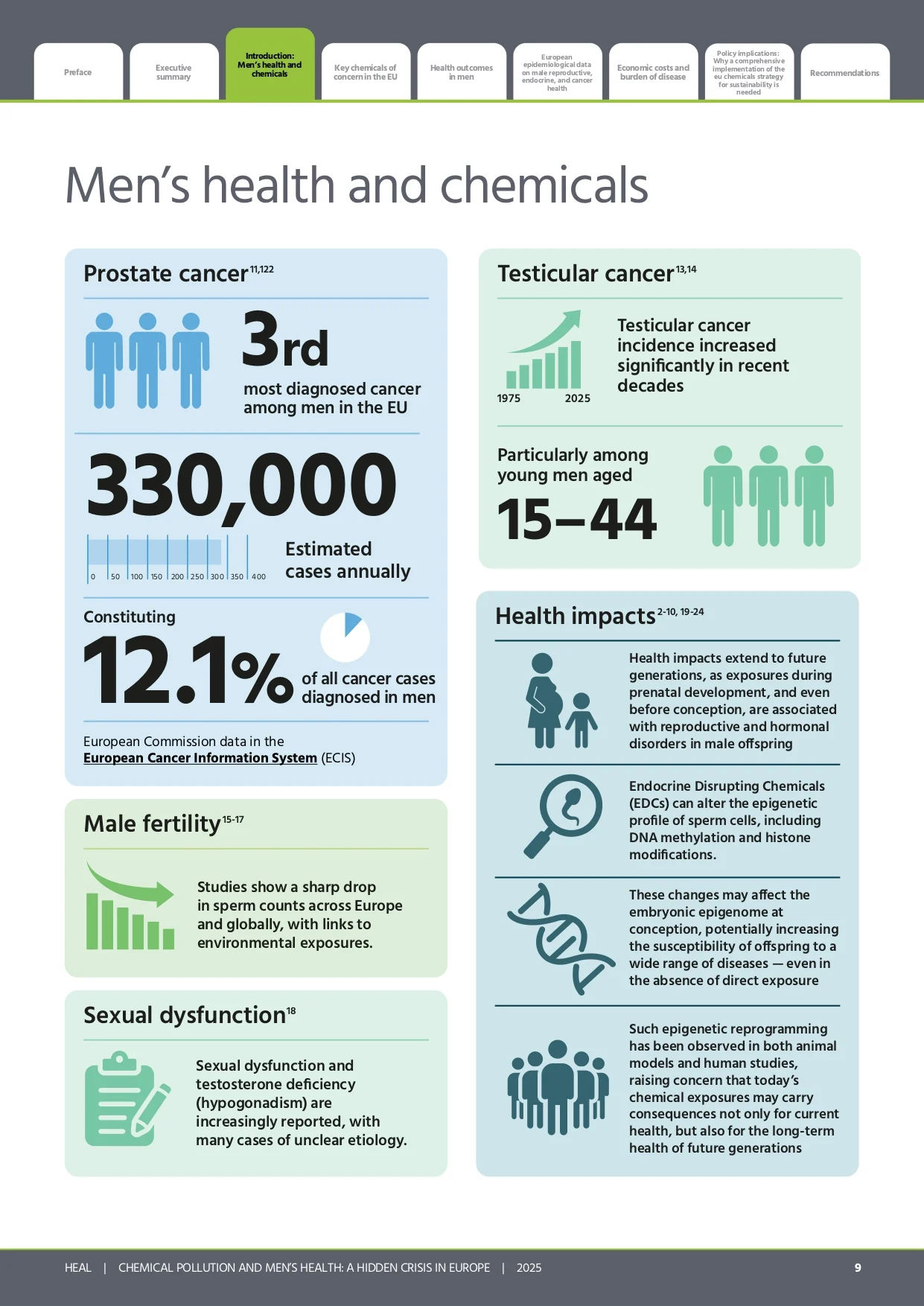
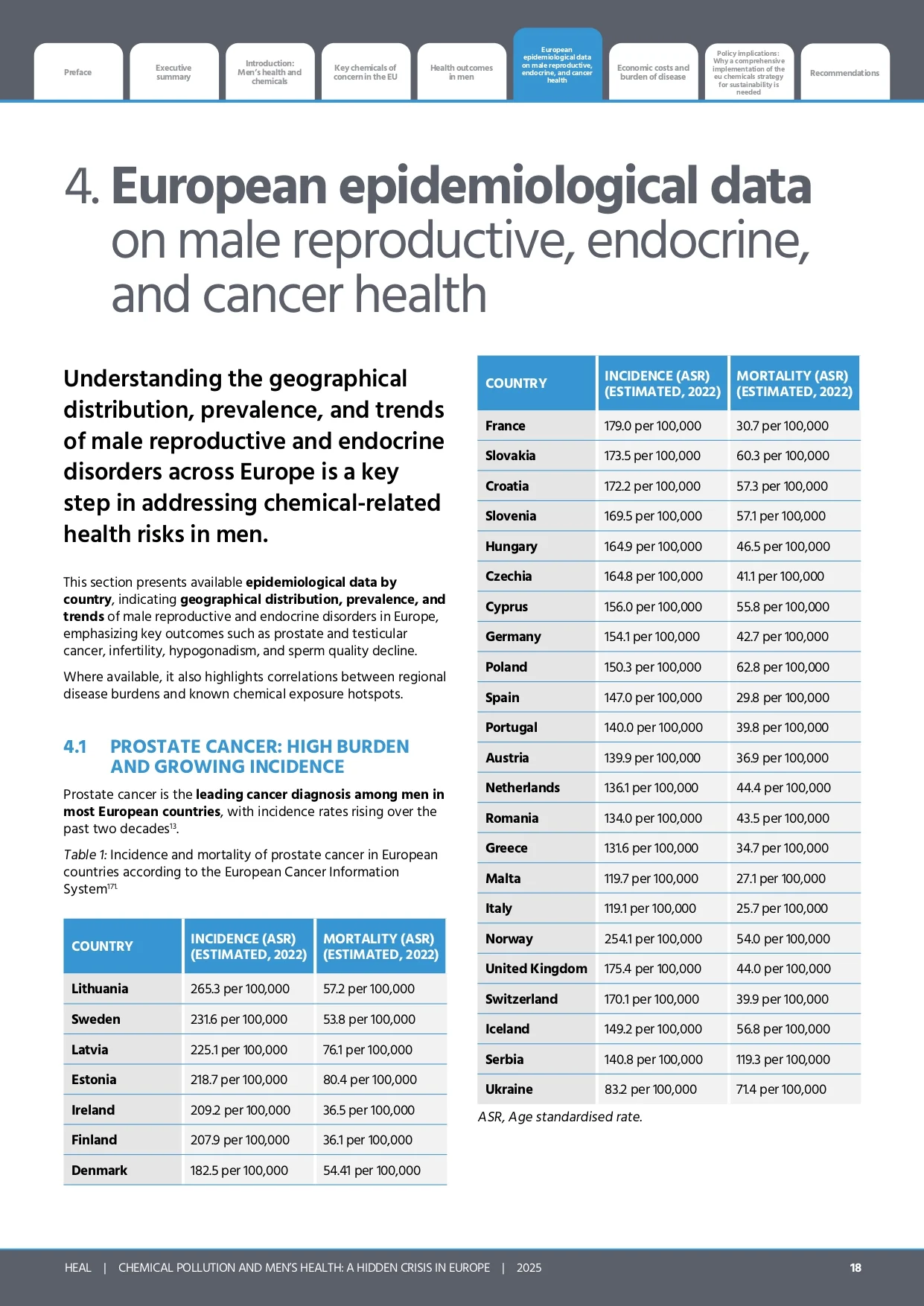
- Prostate cancer is now the 3rd most common cancer in men in Europe (~330,000 new cases/year).
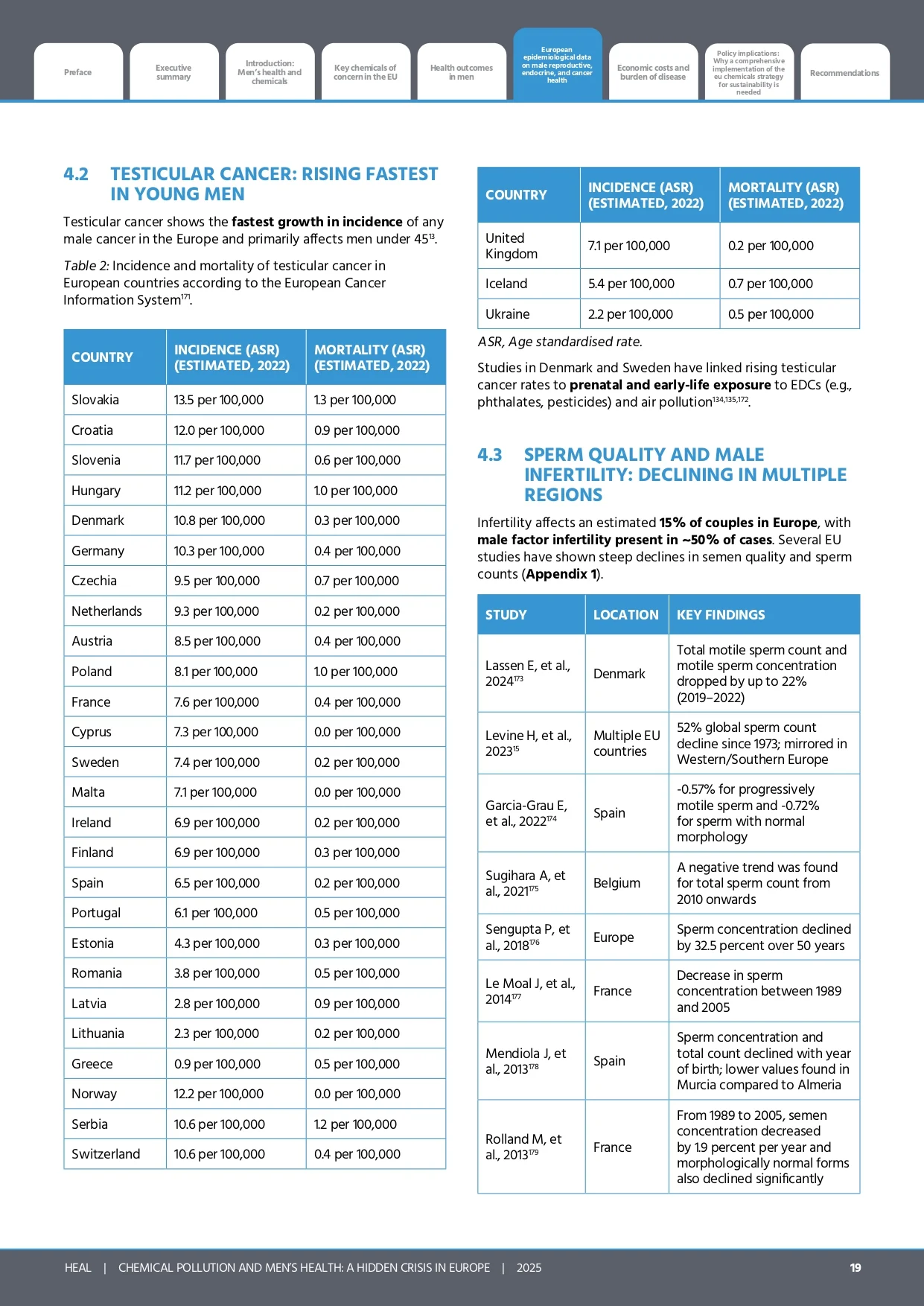
- Testicular cancer is the fastest growing cancer in young men.
- Sperm concentrations have dropped by more than 50% in a few decades.
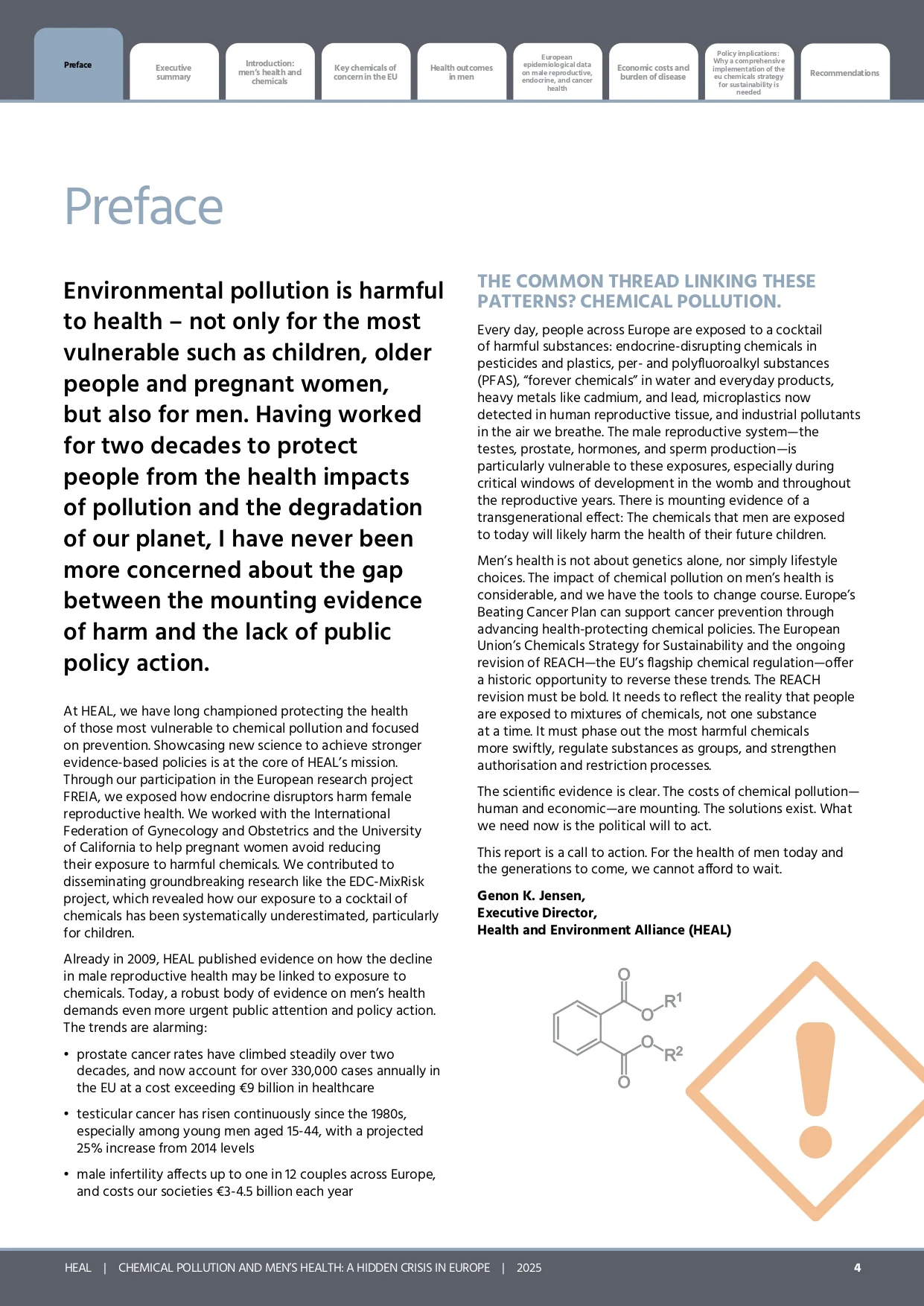
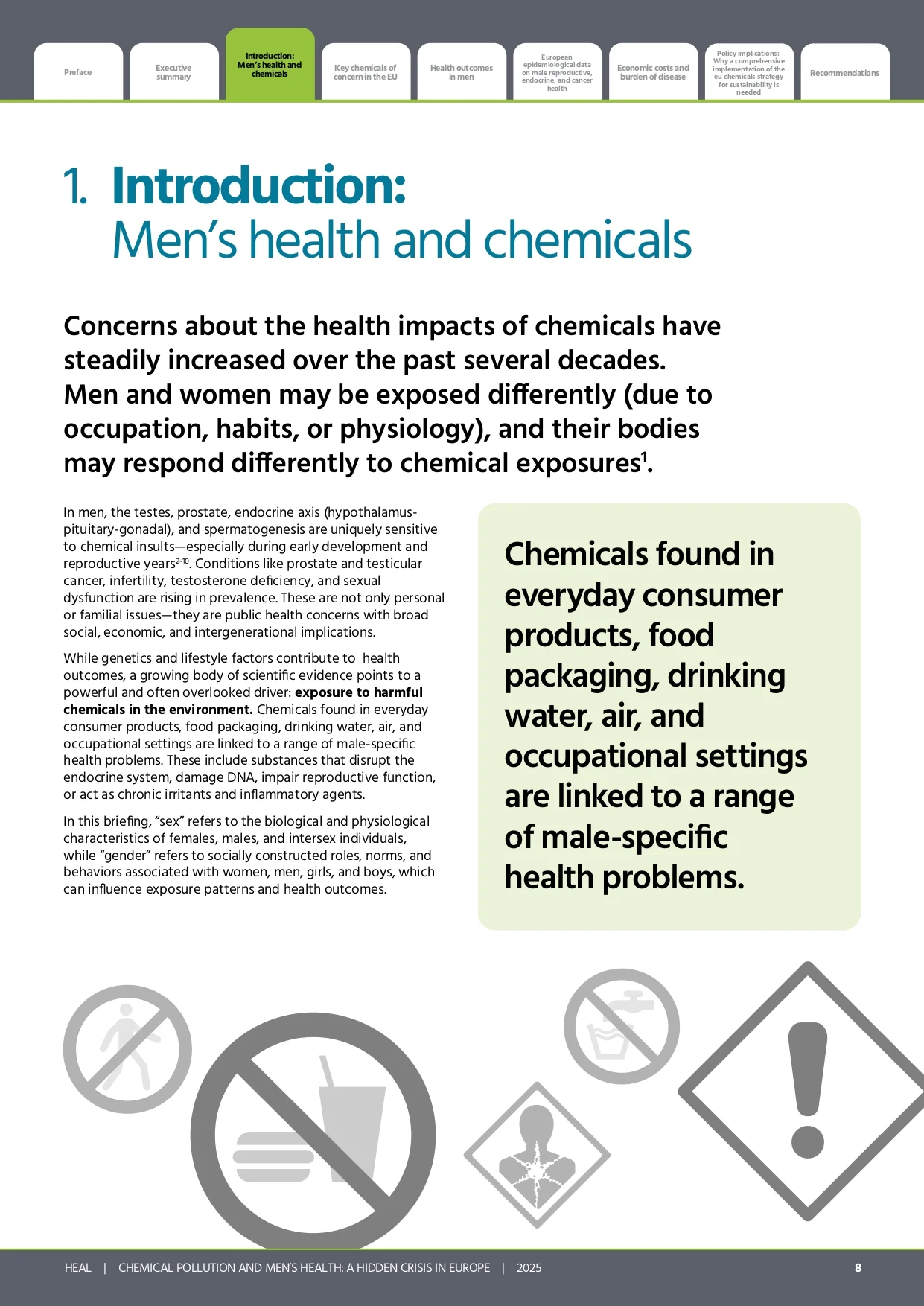
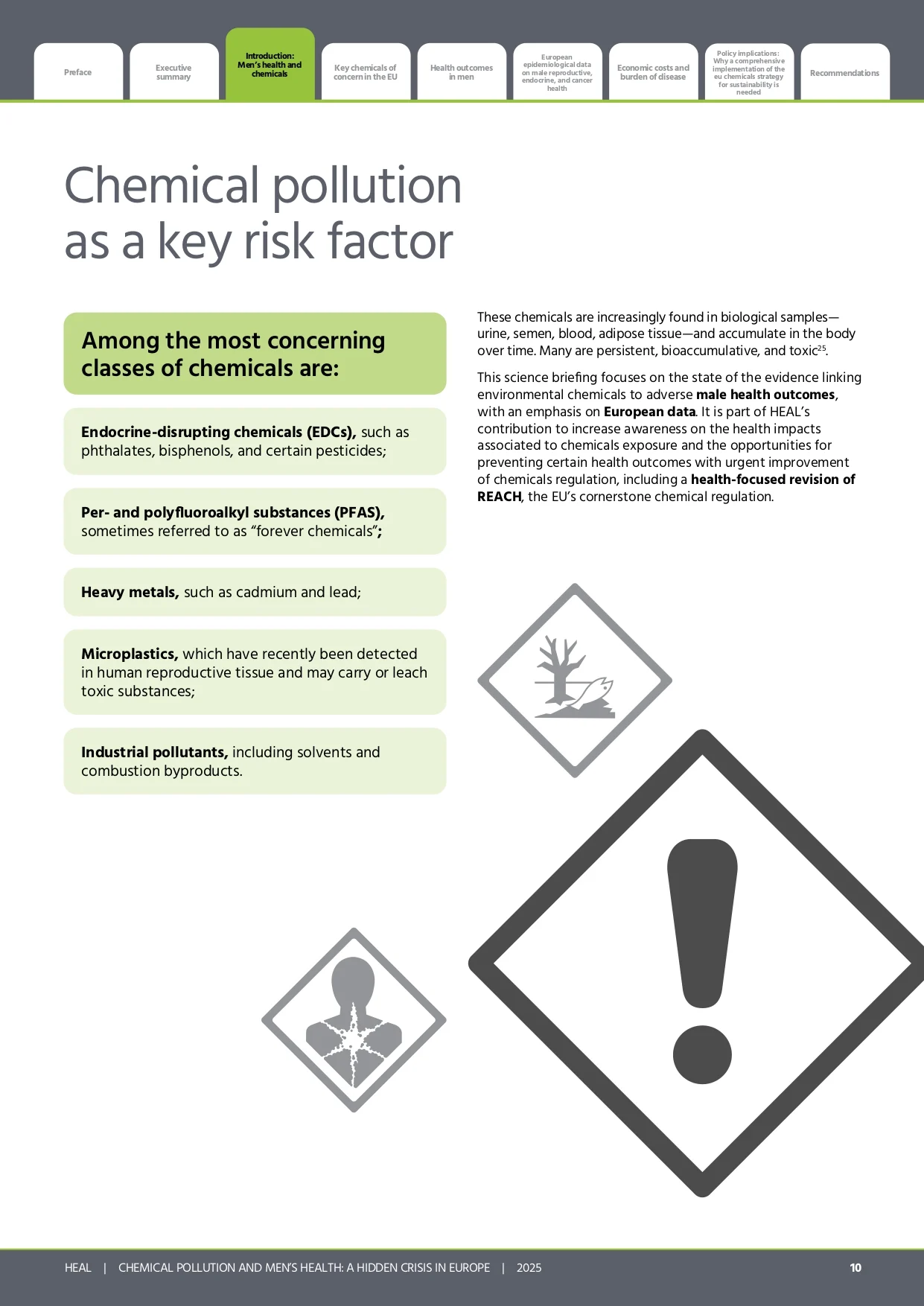
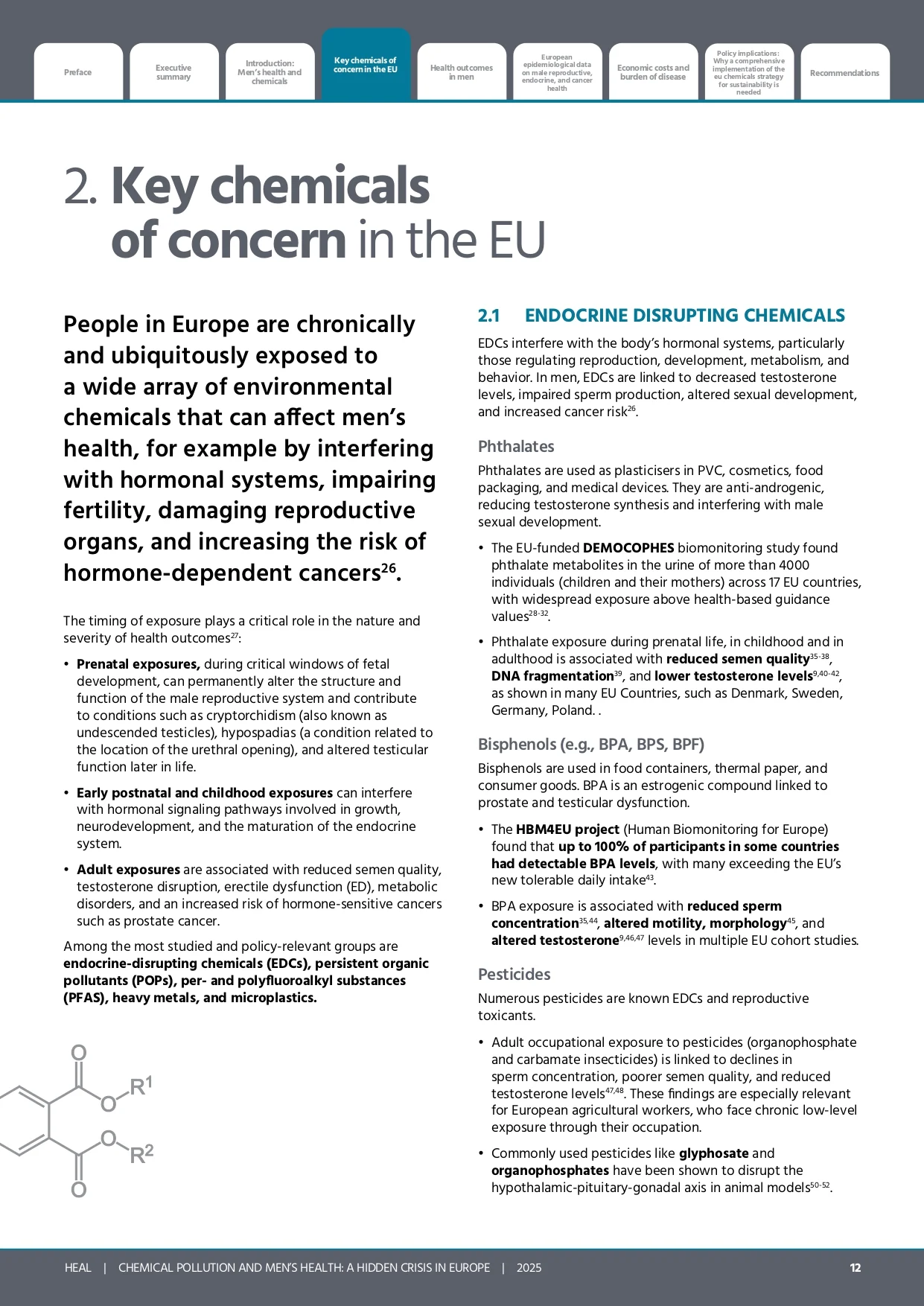
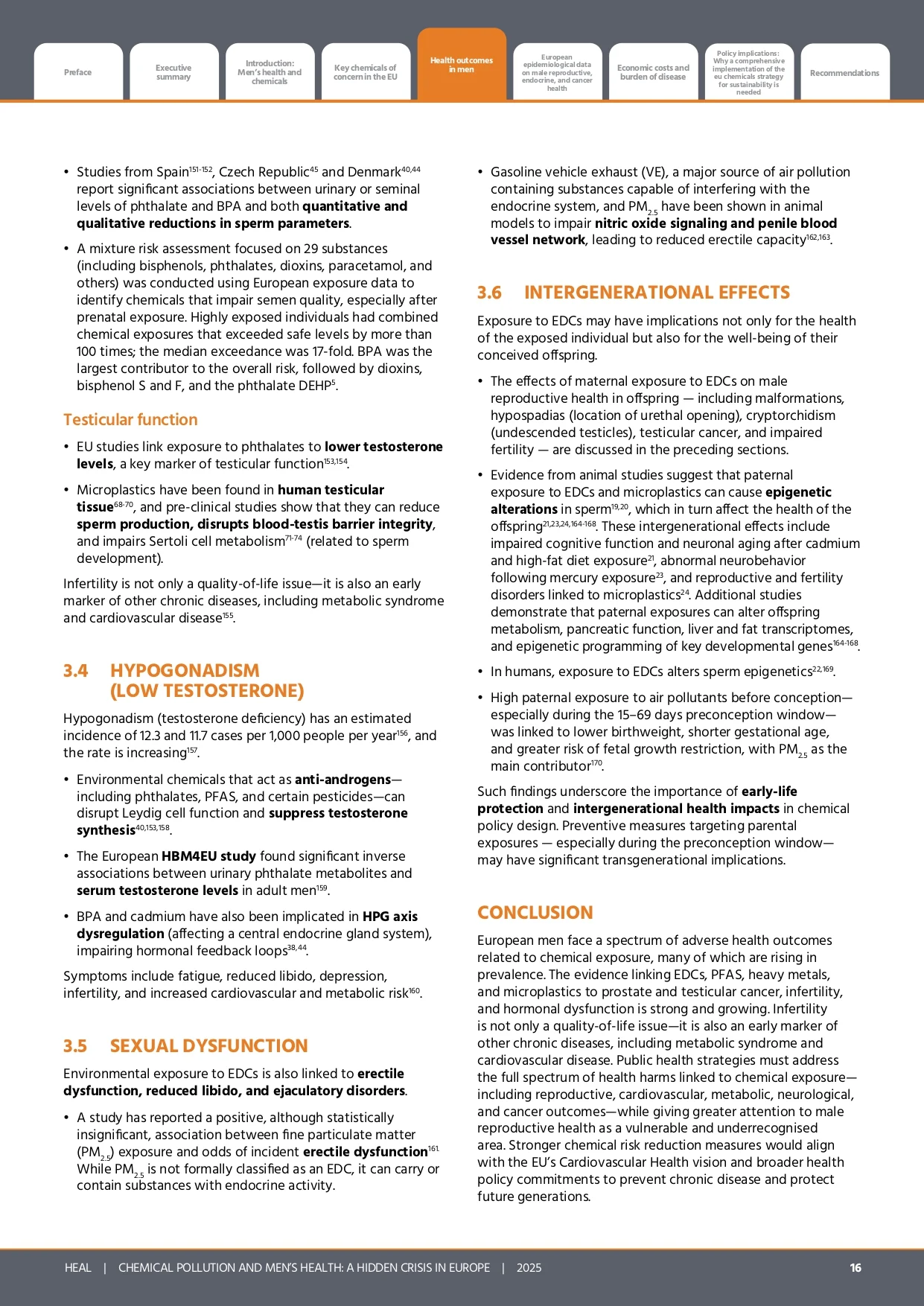
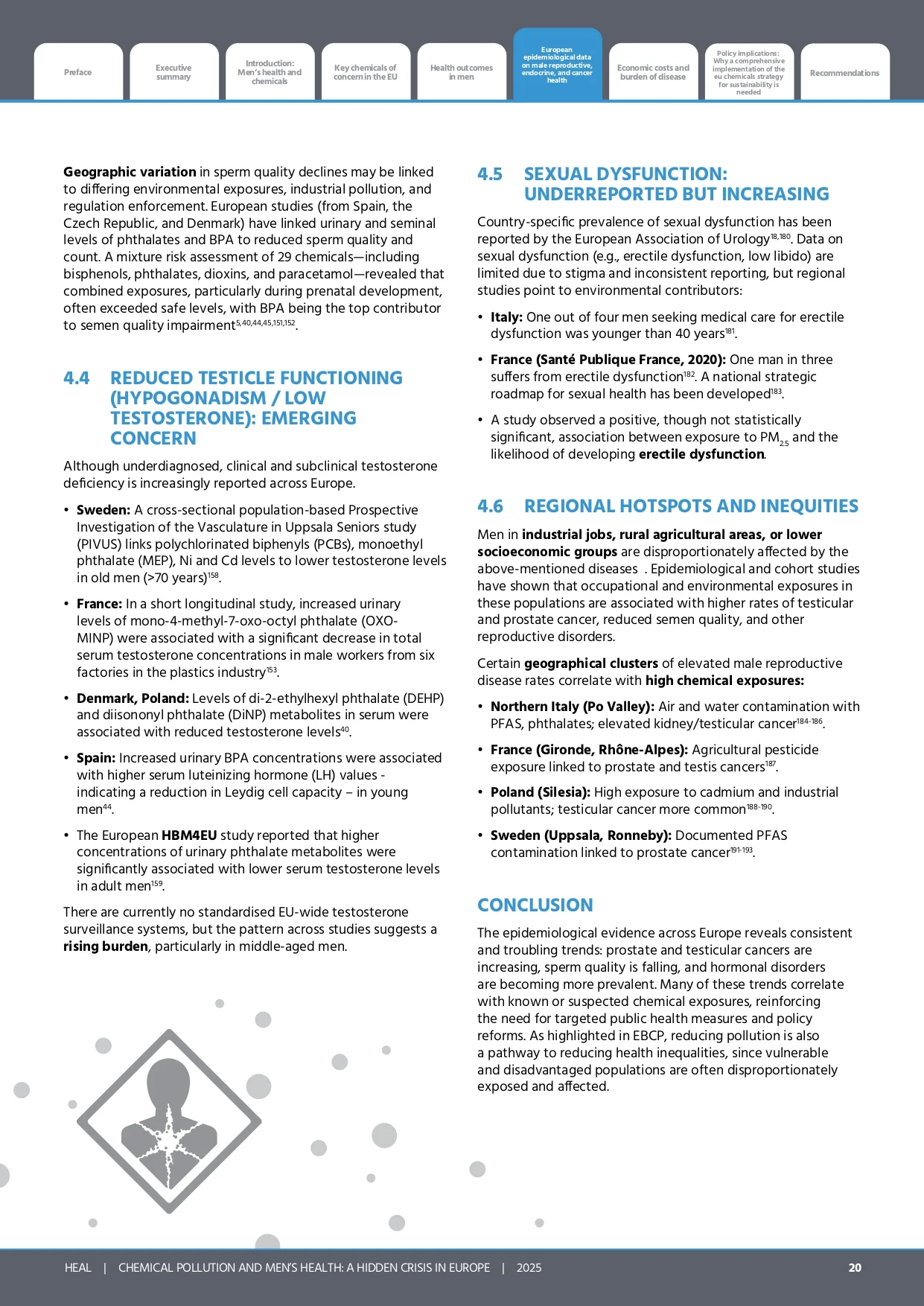
A common denominator: exposure to pollutants, endocrine disruptors (phthalates, bisphenols, pesticides), PFAS (forever chemicals), heavy metals, microplastics, etc.
These substances, present in the air, water, food and everyday objects, interfere with hormones, spermatogenesis and even the epigenetics of spermatozoa, with possible effects on future generations.
What is REACH?
REACH is the European regulation that regulates chemical substances.
Its key principle: it is the manufacturers who must prove that a substance is safe for consumers, and not the other way around.
It makes it possible to regulate, restrict or prohibit the substances of greatest concern for health and the environment.
The problem?
REACH is still insufficiently protective against low-dose effects, cocktail effects and specific issues related to male reproductive health.
The ongoing revision of REACH is a major opportunity:
Strengthening this regulatory framework means acting upstream of care, on the prevention of hormone-dependent cancers, infertility and endocrine disorders.
While waiting for more concrete on the regulatory level, the platform www.cesarfertility.com working to better support male reproductive health.
It is neither marginal nor individual.
It is a public, environmental and intergenerational health issue.”
Lucile Ferreux, Medical Director at Cesar Fertility, shared Cesar Fertility’s post, adding:
“For more transparency from industry and more independent and solid studies on the impact of environmental exposures on male fertility.”
Stay updated on all scientific advances in the field of fertility with Fertility News.

-
Oct 11, 2025, 06:44The Global IVF Market Is Set to Reach $65B by 2032 – Meddilink
-
Mar 16, 2026, 13:30Simon Meagher and Rabih Chaoui Discuss Fetal Heart Scanning in the Latest ISUOG Podcast – ISUOG
-
Mar 16, 2026, 12:58Exploring the Link Between Adenomyosis and Proliferative Endometrial Disorders – Fertility and Sterility
-
Mar 16, 2026, 12:55Nicola Pozzi: A New Mechanism to Reduce Thrombus Formation Without Increasing Bleeding Risk
-
Mar 16, 2026, 12:44Endometriosis Awareness Month Virtual Issue! – ISUOG
-
Mar 16, 2026, 12:30Jeanne Conry: When the Government Intervenes, Women Die
-
Mar 16, 2026, 12:23Magdalena Simonis Highlights the Need to Change the Rhetoric on Endometriosis
-
Mar 16, 2026, 12:00Julia Chain Highlights Fertility Preservation as Part of Women’s Health Campaign – HFEA
-
Mar 15, 2026, 15:26Watching Life Begin: Scientists Track Embryo Implantation in Real Time! – Science Magazine
-
Mar 15, 2026, 15:03Reem Abu-Rustum Spotlights Fetal Situs in New ISUOG Quiz – ISUOG