
10 Fertility News Not to Miss This April!
April brought together a remarkable range of fertility stories that are well worth your attention, from embryo development and oocyte quality to stillbirth prevention, endometriosis, ultrasound in pregnancy, fetal anomaly diagnosis, fertility preservation in cancer care, and the growing global challenge of access to IVF. These posts do more than share updates. They highlight the ideas, questions, and scientific discussions currently shaping reproductive medicine and women’s health worldwide.
What makes this collection especially important is its breadth. Some posts focus on cutting-edge research and clinical insights, while others raise urgent public health concerns, spotlight patient care gaps, or challenge the way we think about diagnosis, treatment, and reproductive access. Together, they reflect how fertility is influenced by science, technology, lifestyle, policy, and health systems all at once.
These are the kinds of posts that inform, provoke thought, and open meaningful conversations across the fertility community. Whether you are a clinician, researcher, embryologist, advocate, or simply someone following the latest developments in reproductive health, these 10 posts offer valuable perspectives you should not miss this month.
Rasha Zenasni – Laser Technician at Blooming Center
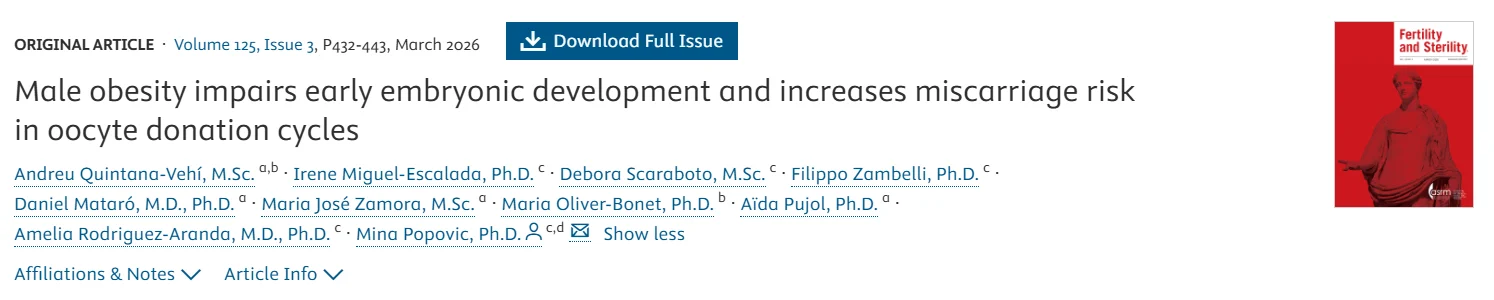
Fathers’ Weight May Impact Embryo Quality and Pregnancy Outcome
“Paternal obesity: the other half of the embryonic equation
For a long time, it was thought that the ‘youth’ of the oocyte could compensate for the weaknesses of the male partner. A major study published this month in Fertility and Sterility (ASRM, March 2026) has shaken up this certainty.
The study at a glance:
By analysing more than 2,000 egg donation cycles via time-lapse imaging, the researchers isolated the impact of the father’s weight on the early development of the embryo.
The conclusions are clear:
- Kinetic retardation: Embryos born to obese fathers (BMI > 30) divide more slowly from the first hours.
- Morphological quality: A significant decrease in the level of blastocysts from ‘Grade A’ to D5.
- Epigenetic memory: Beyond genetics, obesity alters sperm DNA methylation, disrupting the activation of the embryonic genome.
What you need to remember:
In assisted reproduction, metabolic preparation is not just a women’s issue. The optimization of the male lifestyle is a direct lever to improve embryonic quality, even in the most advanced protocols.
Source: ‘Paternal BMI and Early Embryonic Morphokinetics: A Large-Scale Study in Oocyte Donation Cycles’, Fertility and Sterility, Vol. 125, March 2026.”
Angela Koech – Assistant Professor at Aga Khan University
Every 30 Seconds, Africa Loses a Baby to a Preventable Stillbirth
“Every 30 seconds, a baby is stillborn in Africa. Most of these deaths are preventable.
The newly released State of Africa’s Stillbirths report – the first continent-wide stocktake on stillbirths – calls this what it is: a health system failure we can no longer afford to ignore. Without accelerated action, five million stillbirths will occur across Africa between 2026 and 2030.
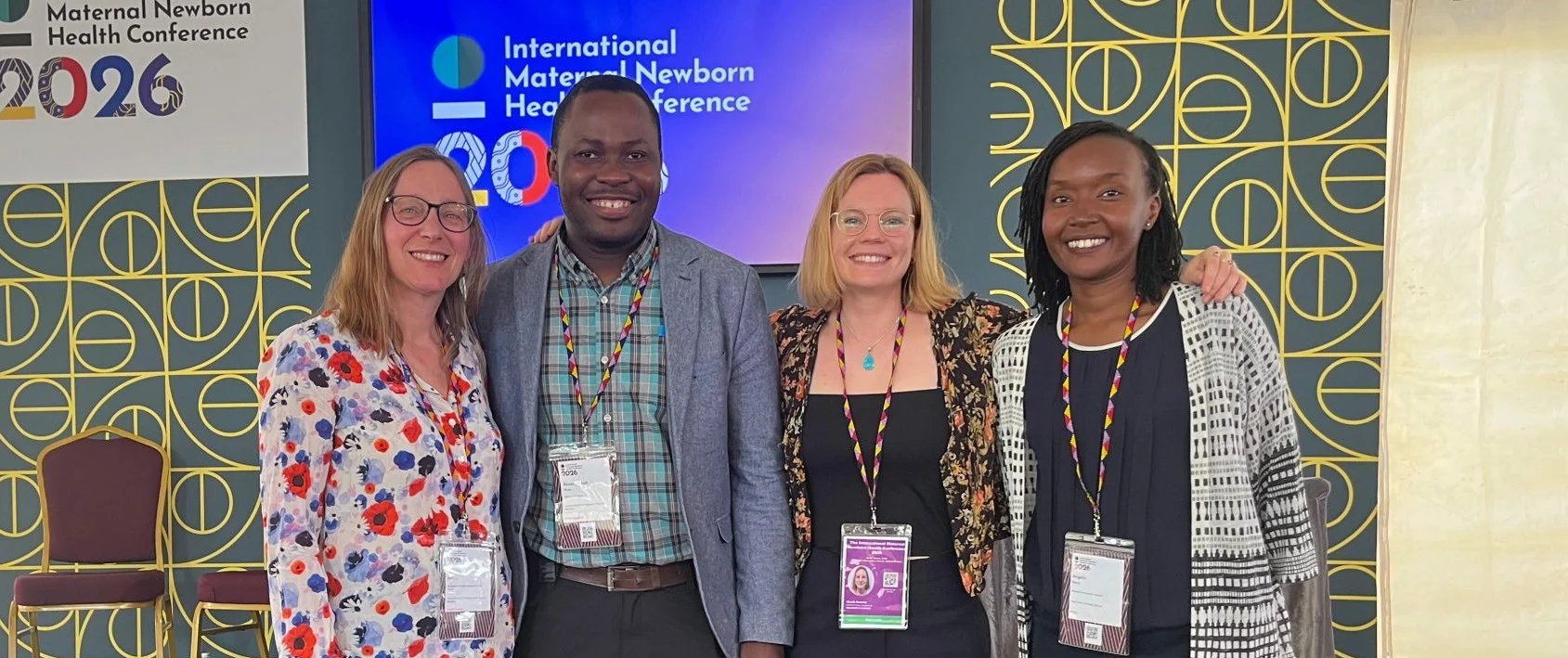
At IMNHC 2026 in Nairobi this week, Joseph Akuze, presented findings from the PRECISE Network that speak directly to this: Incidence and risk factors for stillbirth across Kenya, Mozambique and The Gambia multicountry evidence to inform prevention where it’s needed most.
But surviving pregnancy is only part of the picture.Dr. Ursula presented on the barriers women face when trying to access postpartum mental health care in Kilifi, Kenya. Even when screening is done, many women who need care are not getting it. We need to do more.
Also wonderful to connect with Grace Mwashigadi – Odhiambo, who coordinated the PRECISE Network study and is now leading parents’ voices at the Lancet Stillbirth Advisory Committee as a co-chair; a powerful reminder that this work must always centre the people it exists to serve.
Proud of the PRECISE team for contributing to these conversations at IMNHC2026.”
Angela Koech/LinkedIn
Somer Baburek – Co-Founder, CEO, President at Hera Biotech
Endometriosis Enters a New Phase as Science and Awareness Converge
“Over the past few months, several developments in endometriosis research have pointed to a broader shift in the field.
Taken individually, each is interesting.
Taken together, they suggest something more significant.
We’re beginning to see the early stages of a transformation in how endometriosis is understood, diagnosed, and ultimately treated.
On one hand, recent genomic research is starting to clarify the biological origin of endometriosis lesions, suggesting they may be derived from endometrial tissue.
On the other, the new ACOG guideline reinforces a long-standing reality:
we still lack reliable noninvasive diagnostics, and many patients continue to wait years for answers.
At the same time, awareness of endometriosis has grown significantly, with more patients recognizing symptoms and seeking care earlier than in the past.
Put these pieces together, and a pattern emerges:
- the biology is becoming clearer
- patient awareness is increasing
- but the clinical tools to diagnose disease haven’t kept pace
This is a familiar moment in medicine.
In oncology and infectious disease, major advances didn’t come from a single breakthrough.
They came from building the diagnostic infrastructure that allowed physicians to:
- detect disease earlier
- classify it more precisely
- match patients with the right therapies
Endometriosis may now be approaching a similar inflection point.
As our understanding of the biology deepens – and as new diagnostic approaches emerge – we have an opportunity to fundamentally change how this disease is identified and managed.
For millions of patients who still face years of uncertainty, that shift can’t come soon enough.”
Ting Yuan – Co-Founder and Clinical Director at Zhaoxi Fertility Center Malaysia
Rethinking Oocyte Quality Through Reproducible Patterns
“A recent case made me pause.
A 41-year-old patient underwent multiple IVF cycles across different centres, yet showed a remarkably consistent pattern: reasonable oocyte yield, fertilisation achieved, but repeated embryo arrest before blastocyst, with occasional aneuploid blastocysts.
When outcomes are this consistent across centres, it raises an important question: how much of what we attribute to ‘lab variability’ may actually be intrinsic to the oocyte?
In practice, ‘oocyte quality’ is often used as a broad category.
But cases like this suggest there may be different underlying patterns – some potentially modifiable, others less so.
This has made me reflect on how clearly we differentiate these patterns in clinical thinking, and whether earlier recognition might influence decision-making.
I’ve started to look at such cases less as isolated outcomes, and more as reproducible patterns that may carry their own signals.
Still early in this thinking, but it feels like an important shift.
— Ting
‘学海无涯’Learning never stops.”
Shivam Jha – Clinical Application Specialist – North at Philips
What is the Importance of Ultrasound During Pregnancy?
“What is the Importance of Ultrasound During Pregnancy?
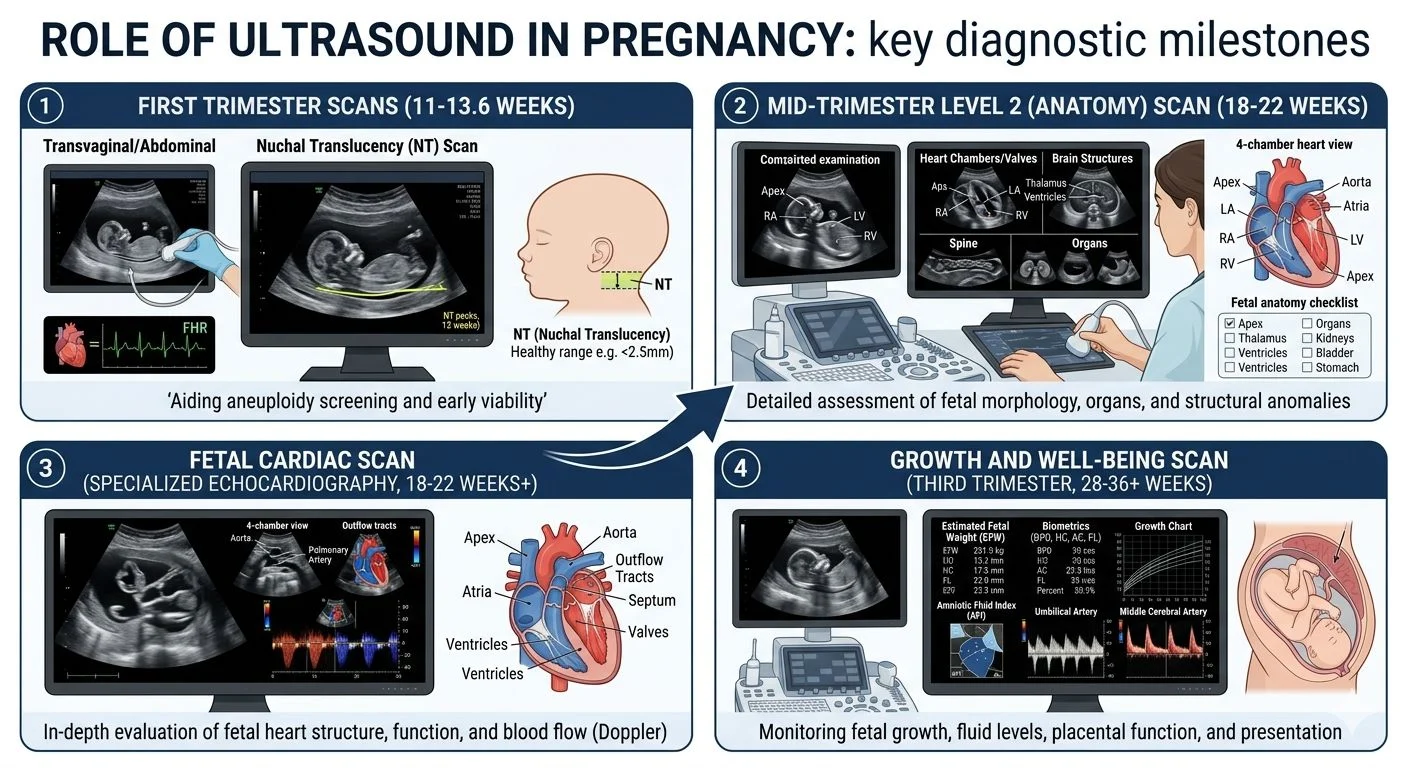
1. Cardiac Activity Scan
A cardiac activity scan, typically conducted between 6-7 weeks of pregnancy, provides information about the duration of pregnancy by the length of the embryo – CRL. It also confirms whether the pregnancy is viable and live by detecting the presence and strength of a developing heartbeat.
2. First Trimester Scan
NT NB ultrasound or Level 1 ultrasounds look for Nuchal translucency, Nasal Bone with other structural and doppler parameters to ascertain with a Dual marker test that the developing fetus is healthy and doesn’t have any genetic syndrome like Down syndrome. Usually performed between 11 weeks to 14 weeks of pregnancy.
3. Level 2 Scan
A Level 2 ultrasound is performed between 18 to 22 weeks of pregnancy. Level 2 ultrasound is performed to produce images of the fetus and its internal organs. The ultrasound helps to assess the size and growth of the foetus, evaluate the formation of the brain, face, spine, heart, lungs, and other organs, and to identify any potential structural abnormalities.
In addition, the ultrasound can help determine the placenta’s position, evaluate the amount of amniotic fluid surrounding the fetus, and assess the blood flow in the umbilical cord.
3D ultrasound (and even 4D) is becoming more common and popular.
4. Fetal Echo Scan
A fetal echo scan is an ultrasound test used to examine the heart of a developing fetus. Fetal echo scans are typically performed between 19 and 22 weeks of pregnancy and are commonly used to diagnose heart problems in the fetus.
Fetal echo scans are important because early detection and treatment of heart problems in the fetus can significantly improve outcomes for both the mother and the baby.
Doppler and Growth Scans
A growth scan is typically conducted in the third trimester of pregnancy to evaluate the developing fetus’s growth and well-being. This scan assesses various parameters such as the fetal size, weight, and the amount of amniotic fluid present in the womb. Generally, the first growth scan is done at around 28 weeks, and further scans, if needed, are decided based on the first scan’s findings. If everything appears normal, a second growth scan is typically performed around 36 weeks, which is often combined with a Doppler scan.A Doppler scan measures the blood flow through the umbilical cord and different parts of the fetal body, such as the fetal brain and liver. This scan can indicate whether the fetus receives enough oxygen and nutrients through the placenta.
Conclusion!
Ultrasound plays a crucial role in pregnancy, providing valuable information about the growth and development of the fetus, placenta, and surrounding structures. Whether it is transabdominal ultrasound or 3-D, from observing blood flow and detecting abnormalities, ultrasound is a powerful tool for expectant parents and healthcare providers to produce detailed images of the baby.”
Shivam Jha/LinkedIn
Vipin Chandra – Director at Matcare Maternity
Male Fertility Care Must Move Beyond Conventional Semen Parameters
“Advancing Male Fertility Science | Tromsø, Norway
Had the privilege of participating in the Arctic Male Infertility Workshop and Round Table Discussions at UiT- The Arctic University of Norway – a truly enriching academic exchange with global experts.
The workshop brought together diverse perspectives on advanced diagnostics, innovative therapies, ART advancements, and prevention strategies in male infertility .
Key learnings from the faculty
What made this meeting special was the depth and diversity of insights:
- Prof. Yngve Figenschau highlighted the concerning trend of declining semen quality globally and the need to understand environmental and systemic contributors
- Dr Gunjan shared clinical correlations between post-treatment teratozoospermia and IVF outcomes, reinforcing the importance of functional sperm quality
- Dr. Gurpreet Singh Kalra emphasized a paradigm shift – moving from ‘treating sperm’ to ‘understanding the man behind the sperm’
- Dr. Mario Iliceto presented insights into ongoing male fertility research and biochemical markers, expanding our understanding beyond routine parameters
- Dr. Jorunn Marie Andersen discussed the evolving role of AI in semen analysis, particularly its potential to improve objectivity, reproducibility, and standardisation
I shared perspectives on:
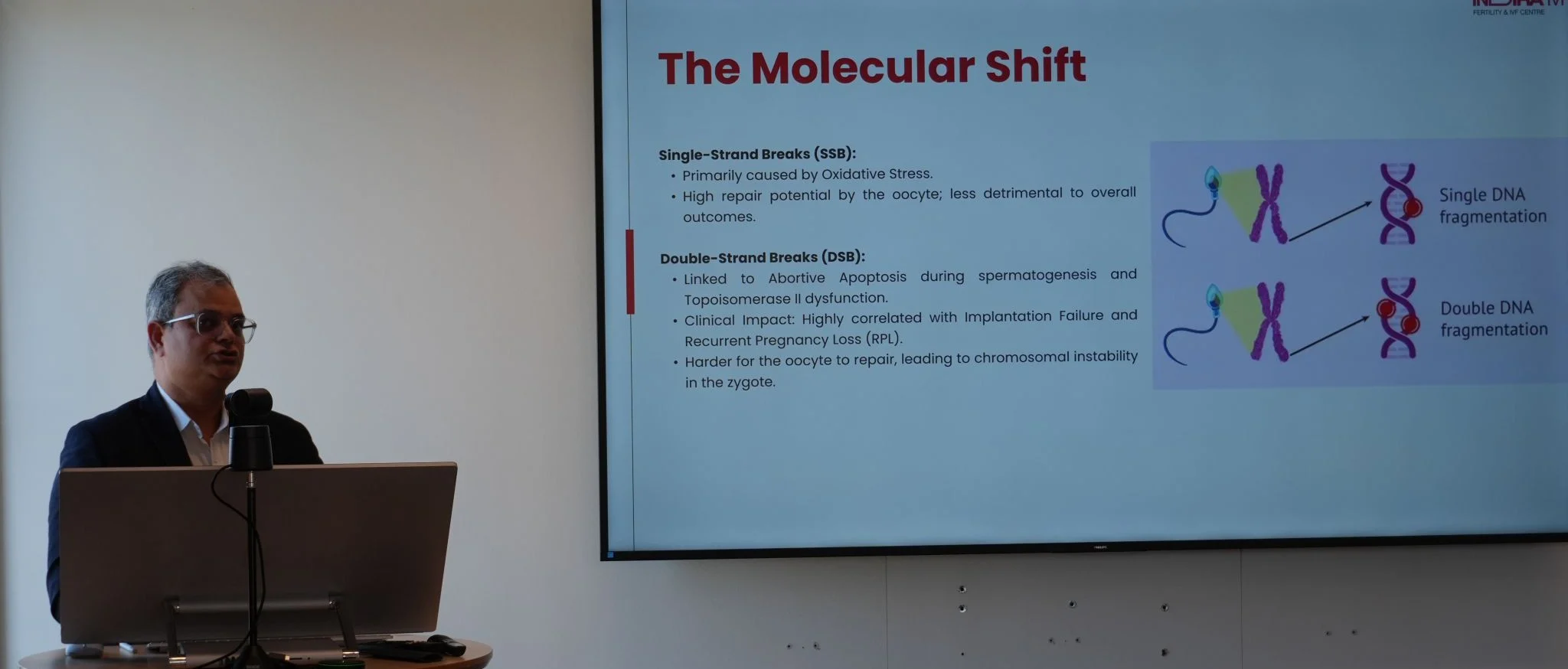
‘Integrating SDF and dsDNA Damage into ART Strategy: Evidence vs Practice’
- Moving beyond total DFI to focus on double-strand DNA damage (DSB)
- Understanding oocyte repair limitations
- Personalising ART based on molecular sperm quality – not just conventional semen parameters
Beyond science
The round-table discussions were equally powerful – filled with healthy debates, practical insights, and exchange of real-world experiences.
Also glad to have made new friends and collaborators – these interactions often shape future research more than formal sessions.
The bigger takeaway
Male infertility is undergoing a shift – from descriptive analysis → to mechanistic understanding and precision care
Grateful to the Lars Sørensen, Mona Nystad, Sigrid Vold Jensen, Tobias Helliksen Kongsgård, Dilip Prasad Krishna Agarwal organisers and all fellow speakers for such a meaningful exchange.
Looking forward to translating these insights into better, more personalised fertility care.”
Vipin Chandra/LinkedIn
Chris Hopkins – Honorary Professor in the Faculty of Medicine, Health and Life Science at Swansea University and the University of Wales Trinity Saint David
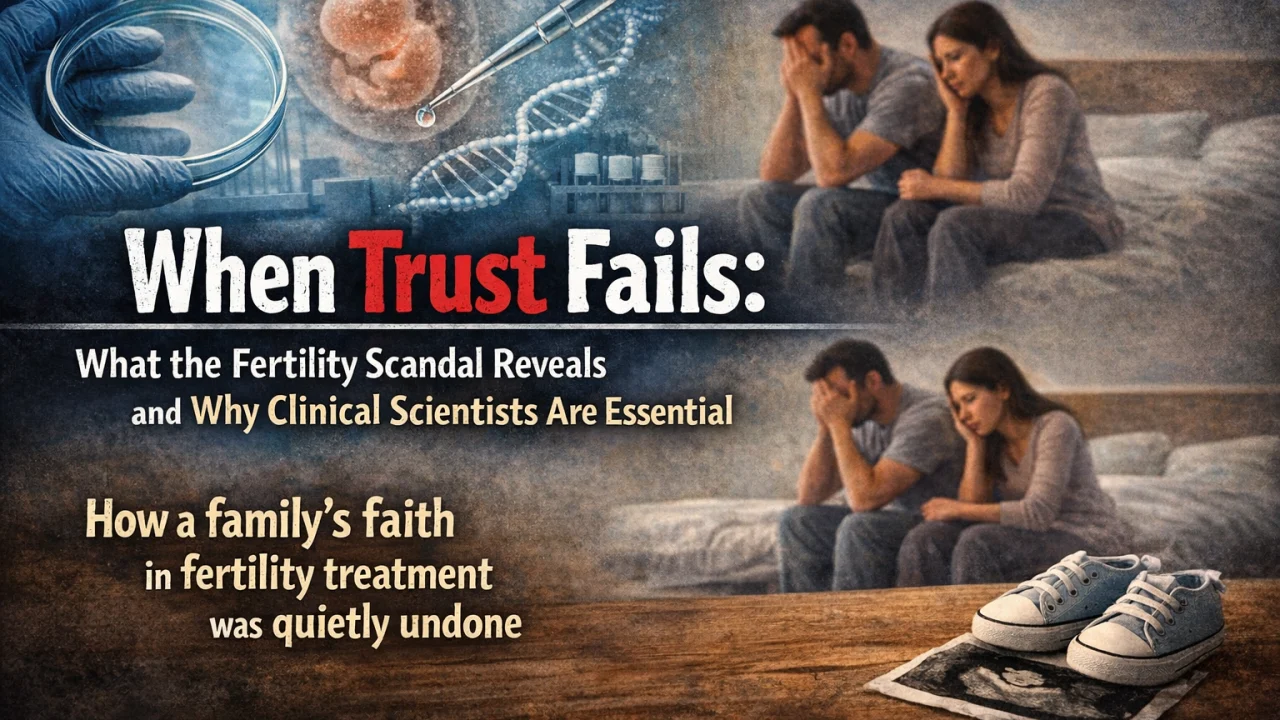
What the Fertility Scandal Reveals and Why Clinical Scientists Are Essential?
“When trust fails: What the fertility scandal reveals and why Clinical Scientists are essential within the UK health system.
How a family’s faith in fertility treatment was quietly undone.”
Read the full article.
Chris Hopkins/LinkedIn
Madhur Hamine – Managing Director at Oospheere
IVF Does not Have a Technology Problem It Has an Access Problem
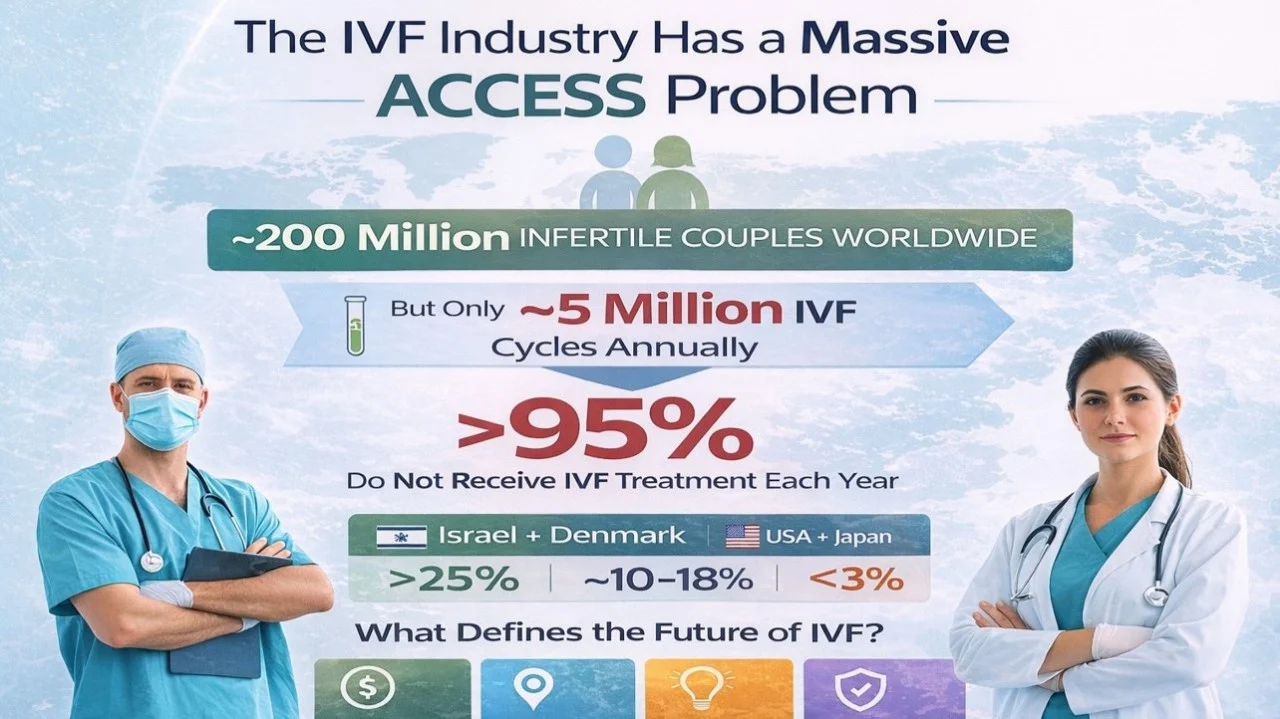
“IVF doesn’t have a technology problem.
It has an access problem.
Worldwide 200 million infertile couples
5 million IVF cycles
Over 95% never reach treatment each year
This is not a gap.
This is a massive opportunity.In this article, I break down:
- Where the world stands
- Why India is the biggest growth market
- What will define the future of IVF
The next decade belongs to those who solve access.
What’s your view?”
Madhur Hamine/LinkedIn
Reem Prince – Radiology consultant at TechnoScan
Fetal Anomaly Case on Semilobar Holoprosencephaly
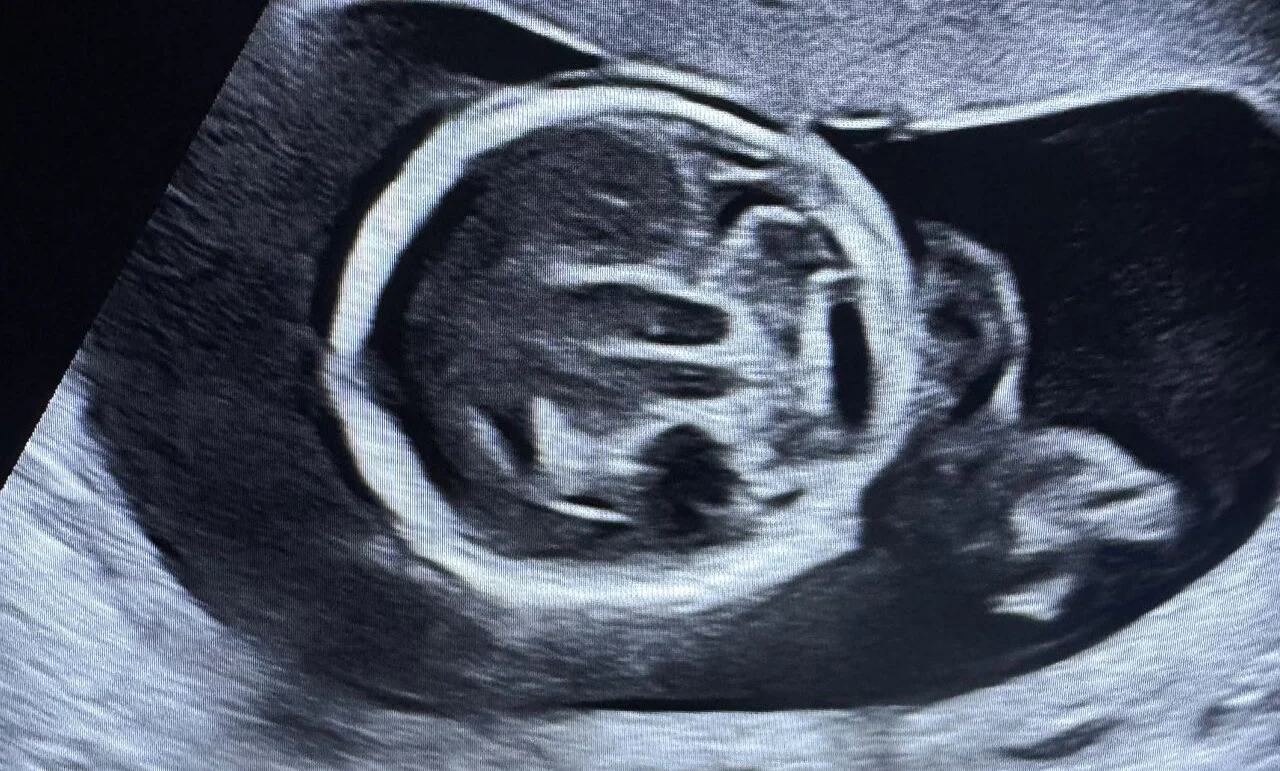
“Fetal Anomaly Case | Semilobar Holoprosencephaly
A prenatal ultrasound case demonstrating features of semilobar holoprosencephaly.
Key neurosonographic findings:
- Single midline ventricular cavity
- Fused thalami
- Partial absence of interhemispheric fissure
- Absent cavum septum pellucidum
3D imaging revealed associated midline facial abnormalities.
An associated ventricular septal defect (VSD) was also identified.
Holoprosencephaly represents a spectrum of forebrain malformations with strong association to chromosomal abnormalities, particularly trisomy 13.
Genetic counseling and further evaluation are essential in such cases.
This case highlights the importance of systematic fetal neurosonography and correlation with extracranial anomalies.”
Reem Prince/LinkedIn
Shaheenah Dawood – Consultant Medical Oncologist at Mediclinic Middle East
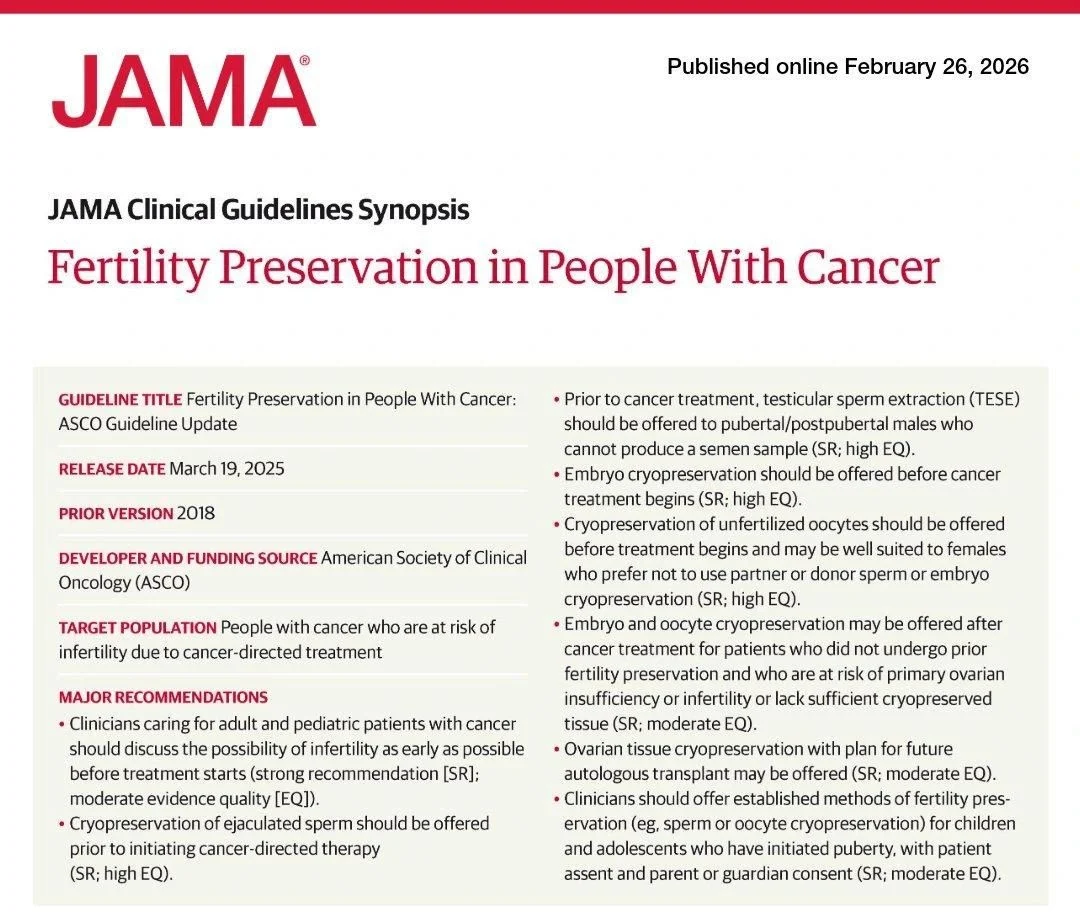
Shaheenah Dawood: Fertility Preservation in People with Cancer
“Fertility preservation guidance from the American Society of Clinical Oncology supports timely counseling on fertility risks for all patients with cancer.”
Shaheenah Dawood/LinkedIn
Stay updated on all scientific advances in the field of fertility with Fertility News.
-
Sep 13, 2026, 15:11Sachintha Alwis: From Impaired Sperm Motility to Microrobotics
-
Sep 13, 2026, 15:08Laurence Orbuch: Before Endometriosis Surgery, Ask…
-
Sep 13, 2026, 15:05Ademola Ayodele: IUI, IVF or Egg Freezing – Which One Is Right for You?
-
Sep 13, 2026, 14:59Fiona Pathiraja-Møller: Tennis Players No Longer Have to Choose Between Career and Family
-
Sep 13, 2026, 14:571-Day Virtual Experience for People Impacted by PMOS – PCOS Awareness Association
-
Sep 13, 2026, 14:53Ozor Victor: Behind Every Embryo Is a Story of Science, Precision, and Hope
-
Sep 13, 2026, 14:50Diana Kayal: What They Don’t Tell You About IVF
-
Sep 13, 2026, 14:44Vikram Sinai Talaulikar: A Heartfelt Thank You to All Who Donated and Supported “Menopause and Cancer”
-
Sep 13, 2026, 14:41Nicole McPherson: Changing IVF Practices Is Hard – Integration Needs to Be Easy