

Göksu Dirgin: A New Chapter Begins After Completing MSc in Human ART
Göksu Dirgin, Embryologist Trainee at Dogus IVF Centro, shared a post on LinkedIn:
“A milestone that marks the beginning of an exciting new chapter.
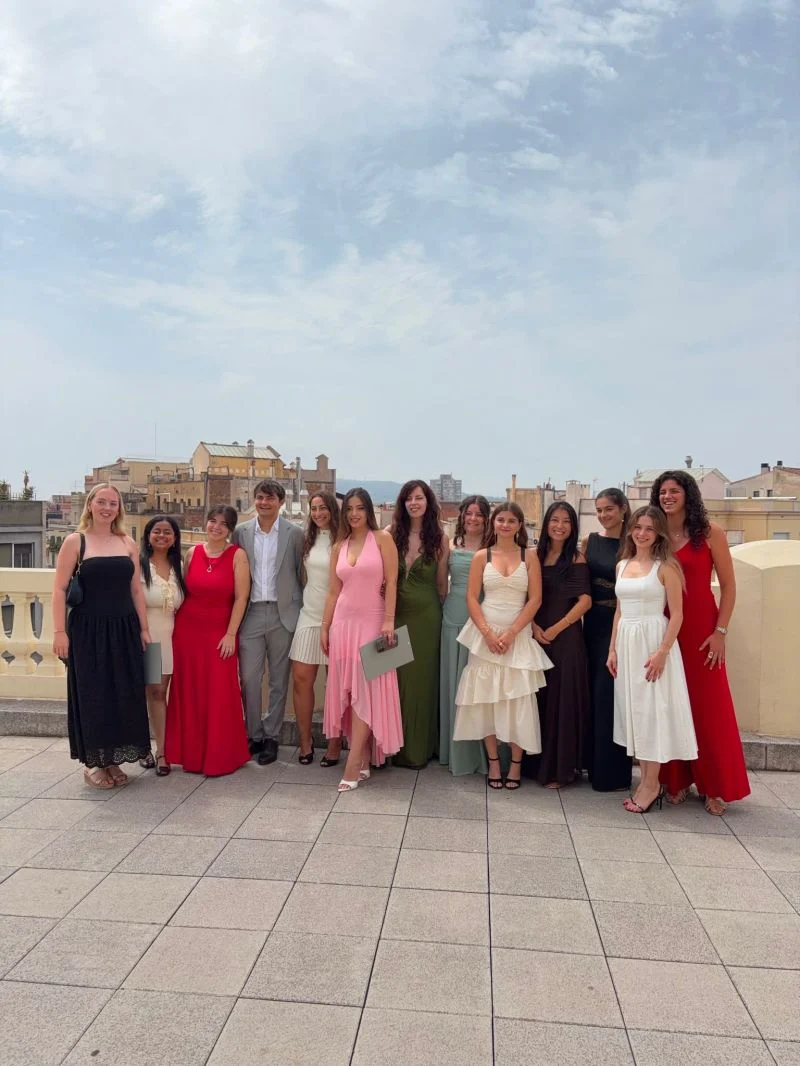
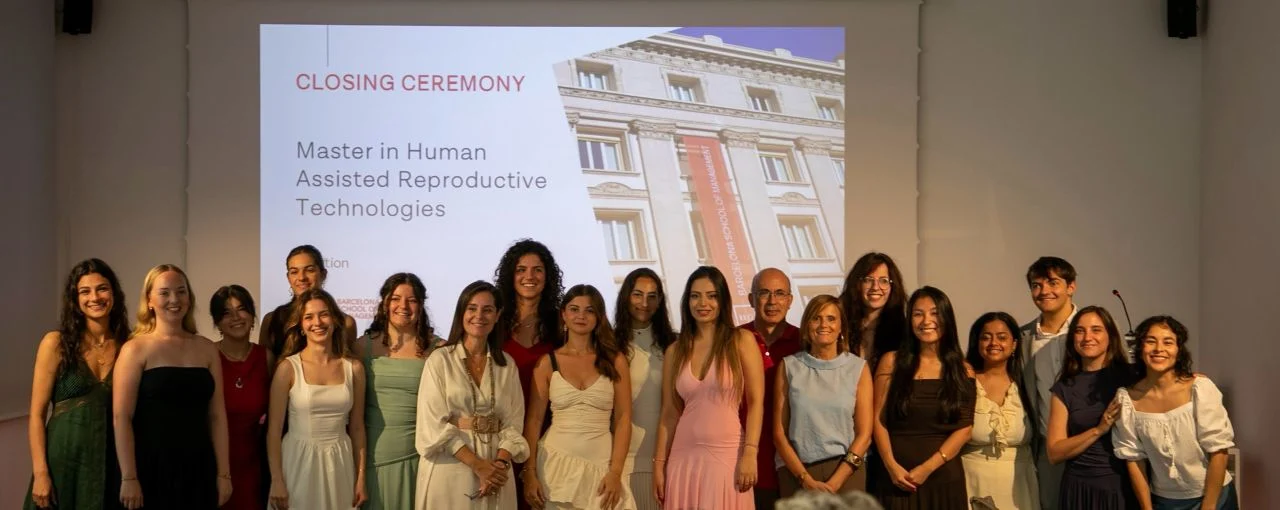
Last week, I officially completed my MSc in Human Assisted Reproductive Technologies at UPF Barcelona School of Management – Universitat Pompeu Fabra and successfully defended my Final Master’s Project!
This programme is much more than a traditional master’s degree. Developed in collaboration with the Eugin Group , one of Europe’s leading fertility networks, it combines academic excellence with extensive practical laboratory training, giving students the opportunity to learn directly from internationally recognised professors, researchers and Embryologists.
This internationally recognised programme brought together academic education, cutting-edge laboratory training and clinical experience, preparing future Clinical Embryologists to work at the highest standards of reproductive medicine.
Throughout the year, we studied every aspect of assisted reproduction, including reproductive biology, embryology, genetics, reproductive pathology, laboratory techniques, ethics, scientific research and patient-centred care. Every module helped us understand not only how procedures are performed, but also why they are essential for achieving the best possible outcomes for patients.
One of the most valuable parts of this journey was the Hands-on training. Through intensive wet labs and clinical simulators, we gained hands-on experience in embryo morphology assessment, sperm analysis using CASA and the Makler chamber, DNA extraction, vitrification and warming with Kitazato and Vitrolife protocols, basic micromanipulation and ICSI, time-lapse embryo evaluation, and simulated oocyte retrieval and embryo transfer procedures.
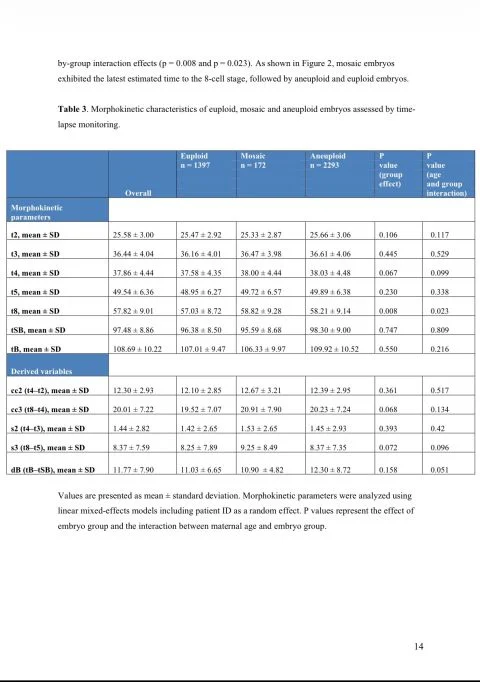
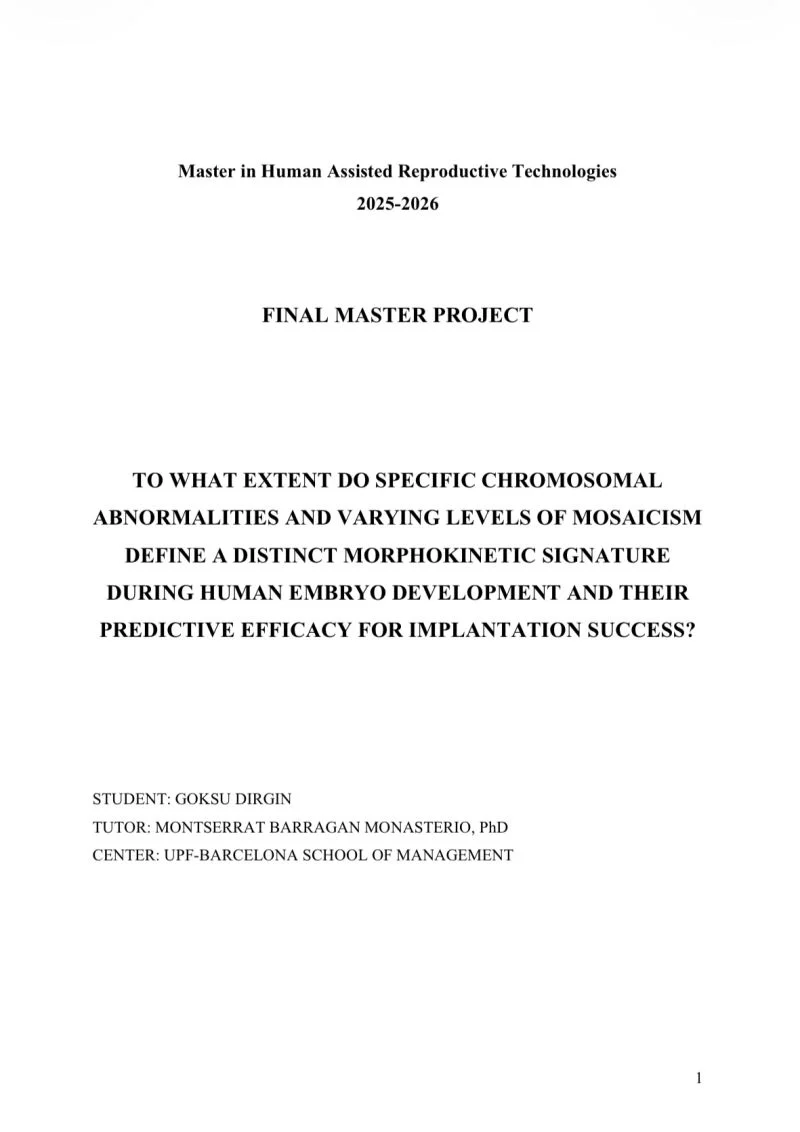
The most challenging and rewarding part of the programme was undoubtedly my Final Master’s Project. My research focused on understanding how chromosomal abnormalities and different levels of mosaicism influence embryo development and whether these changes can predict implantation success. Working with data from nearly 4,000 embryos required months of literature review, statistical analysis in R, interpretation of morphokinetic and genetic data, and countless revisions before reaching the final version. Successfully defending this project was one of the proudest moments of my academic journey!
I am deeply grateful to my supervisor, Montserrat Barragan Monasterio, for her guidance and continuous support throughout this project. I would also like to thank Francesc Calafell, Amelia Rodriguez-Aranda and all the professors and Embryologists who shared their knowledge, experience and passion with us throughout this year.
Today, I leave this programme feeling confident, prepared and more motivated than ever to begin my career in an IVF laboratory. I look forward to contributing my scientific knowledge, laboratory skills, and commitment to excellence while continuing to learn from experienced professionals and helping create new beginnings for the families we serve!”
Stay updated on all scientific advances in the field of fertility with Fertility News.
-
Oct 21, 2026, 17:57Ula Sankowska: What I’ll Bring to ASRM INNOVATE in Baltimore
-
Oct 21, 2026, 17:40Robert Borowczyk: The Invisible Waiting Room
-
Oct 21, 2026, 17:35Fereshteh Safian: Behind the Scenes of Reproductive Medicine
-
Oct 21, 2026, 17:20The Relationship Between Trophectoderm Biopsy and Early Pregnancy Outcomes – RBMO
-
Oct 21, 2026, 17:09Jules McDonald: The Future of Fertility Is Happening in Abu Dhabi
-
Oct 21, 2026, 16:53Ashley Evans: I Never Imagined I’d Be a Fertility Story with a Group of People Whom I Have Never Met…
-
Oct 21, 2026, 16:41Karthik Raj: Asherman’s Syndrome – When the Endometrium Cannot Regenerate Normally
-
Oct 21, 2026, 16:36Katy Encalade: A Few Misconceptions I Think Every Woman Considering Egg Donation Deserves to Understand
-
Oct 21, 2026, 16:21The FeRGI Working Group 2026-2027 – ESHRE SIG Reproductive Genetics