
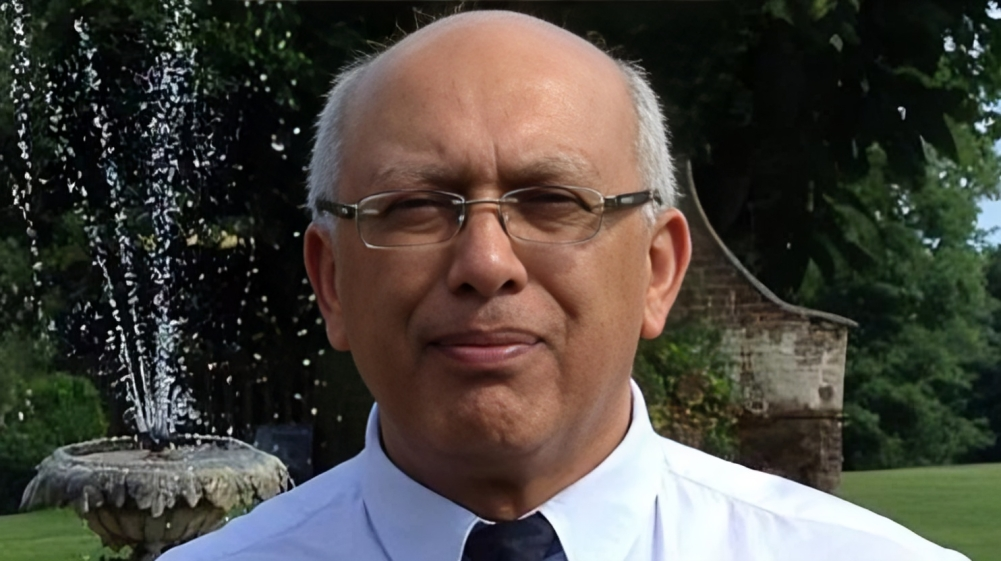
Gulam Bahadur: Cambridge Marks Centenary of IVF Pioneer Sir Robert Edwards
Gulam Bahadur, Consultant Clinical Andrologist and Andrology Lab Director at North Middlesex university Hospital Foundation Trust, shared a post on LinkedIn:
“Cambridge marks centenary of IVF pioneer Sir Robert Edwards, 26 September 2025 The University of Cambridge yesterday celebrated the 100th anniversary of Sir Robert Edwards, the Nobel Prize-winning scientist whose pioneering work in in vitro fertilisation (IVF) transformed fertility treatment worldwide. The commemorations began with a series of lectures in the University’s Physiology Lecture Theatre, where Edwards first fertilised a human egg in a test tube, and where a commemorative plaque was unveiled in his honour. The day concluded with a public panel discussion at Churchill College, featuring Louise Brown, the world’s first IVF baby, members of Edwards’ family, and leading figures in reproductive medicine. Edwards, who worked alongside Patrick Steptoe and Jean Purdy, paved the way for a medical breakthrough that has since enabled the birth of more than 13 million children globally.”

-
Sep 18, 2026, 20:27Hrishikesh Pai: Rethinking Male Infertility
-
Sep 18, 2026, 20:25Eric Verdin: Wrapping Up the Reproductive Aging Summit at the Center for Healthy Aging in Women
-
Sep 18, 2026, 20:21Investigating Pregnancy Outcomes in Women with Idiopathic POI – RBMO
-
Sep 18, 2026, 20:18Sue Ritchie: Why Aren’t We Talking About Male Fertility More?
-
Sep 18, 2026, 20:13Salma Yasin: Every Day of BFS Study Week 2026 Has Been an Exceptional Learning Experience
-
Sep 18, 2026, 20:01Qingcai Wang: Over 35 and Torn Between Trying Longer and Starting IVF?
-
Sep 18, 2026, 19:58Bhumika: Can a Woman Become Pregnant Again While Already Pregnant?
-
Sep 18, 2026, 19:5215 More Experts Join the International Fertility Forum Mumbai 2026
-
Sep 18, 2026, 19:50Curious About What Happens Behind the Scenes in the Labs? – Sims IVF