
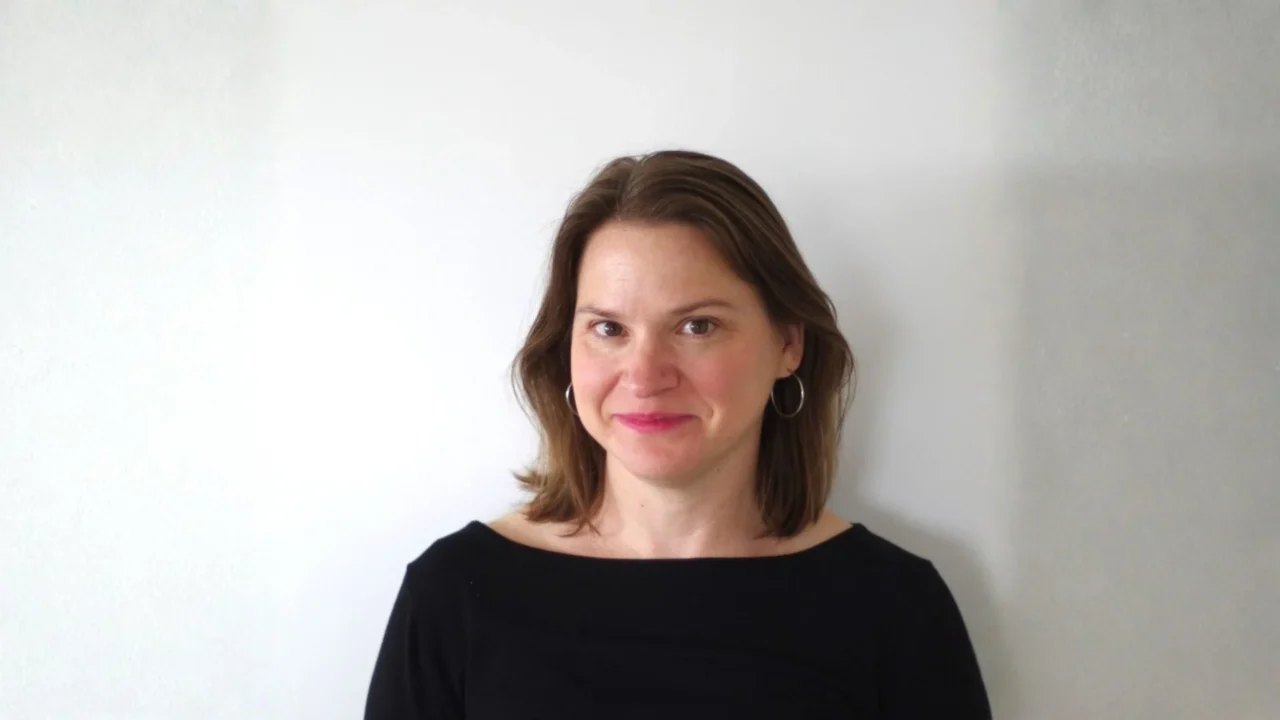
Heidi Reed: Breaking the Silence on Epistemic Vulnerability and Knowledge Taboos in Pregnancy Loss Research
Heidi Reed, Professor at Audencia Business School, shared a post on LinkedIn:
“One in four pregnancies will end in miscarriage, and roughly 2.6 million babies are stillborn each year, yet pregnancy loss is publicly perceived as a ‘rare‘ complication. Why?
After decades of calls for more research, the pregnancy loss in the workplace literature is still characterized as ‘silent‘ and ‘undertheorized.’ Why?
In this conceptual article, I explore the social construction of not-knowledge and the persistence of knowledge taboos by drawing on my own embodied experience to reveal what I call an epistemic vulnerability paradox. Using ethics of care, researchers (and institutions) have a moral obligation to help de-silence knowledge taboos, yet engaging in this epistemic care work exposes them to the very harm and stigma they’re trying to reduce. Drawing on Gilson’s work on invulnerability, I argue that working through this paradox involves a care-full openness in research ethics not only to helping and being helped but also to harming and being harmed.
Though the literature is limited, I would not call it silent. We are loud in our own way. I am infinitely grateful to the pregnancy loss researchers before me as well as editors Laura Radcliffe, Danna Greenberg, Sophie Hennekam for their kind and warm support. A very special thanks to the insightful, encouraging, anonymous reviewers, truly. Finally, thank you to the colleagues who have made this something that we can talk about at work and to Gender, Work and Organization for being a space for these conversations to happen.”
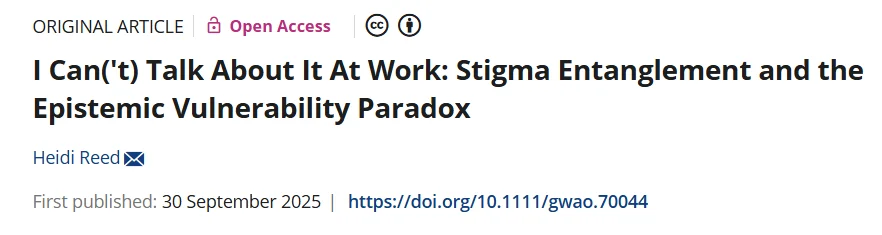
Title: I Can(‘t) Talk About It At Work: Stigma Entanglement and the Epistemic Vulnerability Paradox
Author: Heidi Reed
Read the full article.
-
Sep 18, 2026, 20:27Hrishikesh Pai: Rethinking Male Infertility
-
Sep 18, 2026, 20:25Eric Verdin: Wrapping Up the Reproductive Aging Summit at the Center for Healthy Aging in Women
-
Sep 18, 2026, 20:21Investigating Pregnancy Outcomes in Women with Idiopathic POI – RBMO
-
Sep 18, 2026, 20:18Sue Ritchie: Why Aren’t We Talking About Male Fertility More?
-
Sep 18, 2026, 20:13Salma Yasin: Every Day of BFS Study Week 2026 Has Been an Exceptional Learning Experience
-
Sep 18, 2026, 20:01Qingcai Wang: Over 35 and Torn Between Trying Longer and Starting IVF?
-
Sep 18, 2026, 19:58Bhumika: Can a Woman Become Pregnant Again While Already Pregnant?
-
Sep 18, 2026, 19:5215 More Experts Join the International Fertility Forum Mumbai 2026
-
Sep 18, 2026, 19:50Curious About What Happens Behind the Scenes in the Labs? – Sims IVF