

Khalil Faaed: What Morphological Abnormalities Reveal About Oocyte Competence in IVF
Khalil Faaed, Embryologist at Modern IVF Center, shared on LinkedIn:
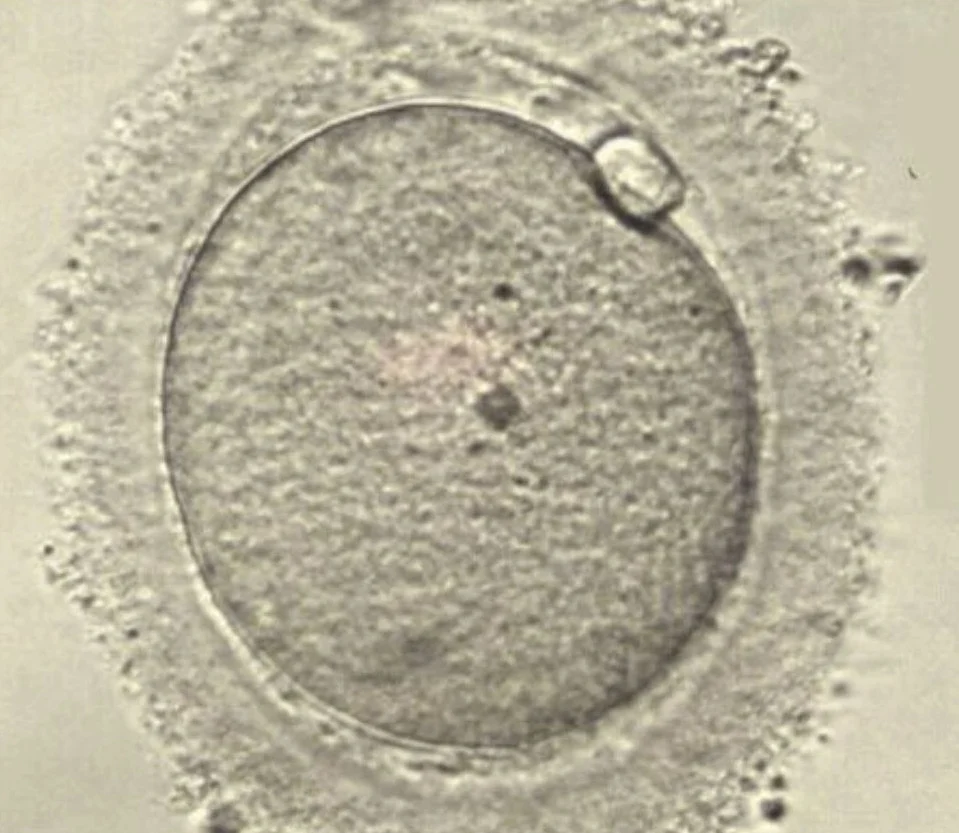
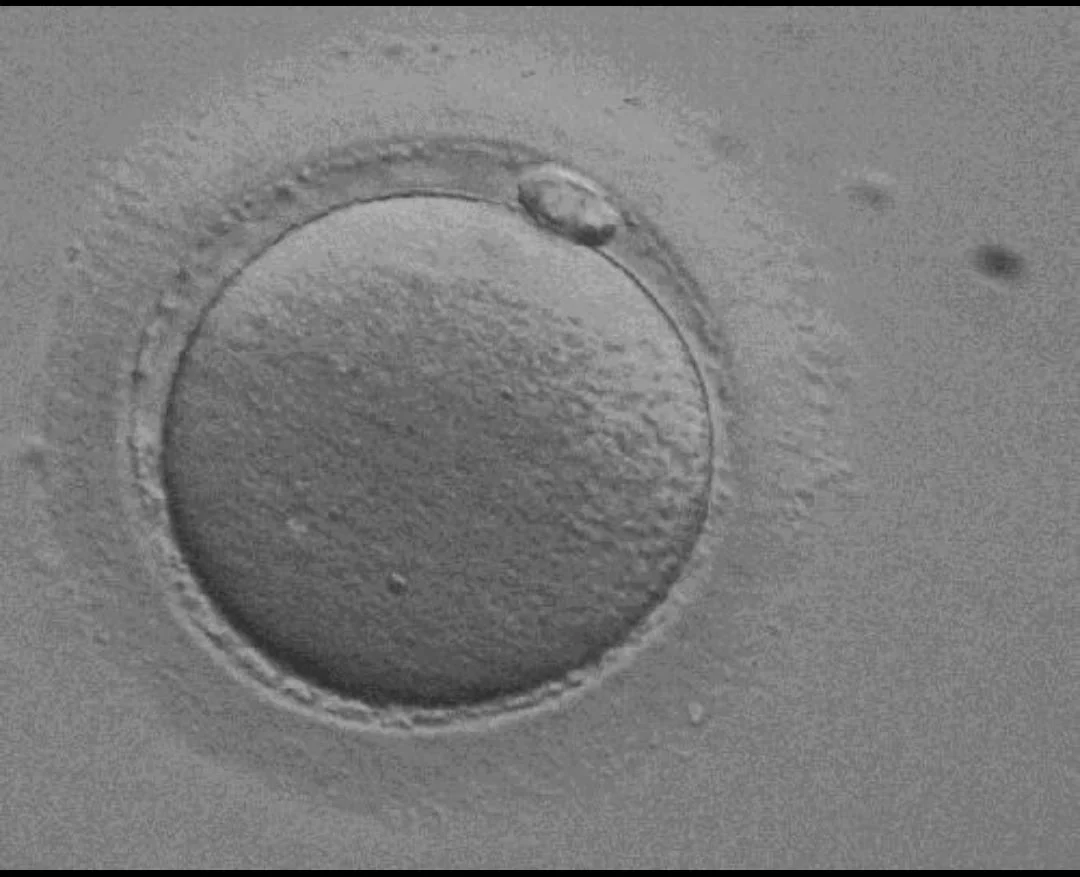
“Beyond the beautiful oocyte: What morphological abnormalities reveal about oocyte competence in IVF.
In IVF, does a beautiful oocyte always mean a competent oocyte? Not necessarily.
Oocyte morphology provides valuable information about the structural characteristics of the oocyte, but its appearance does not tell the entire biological story.
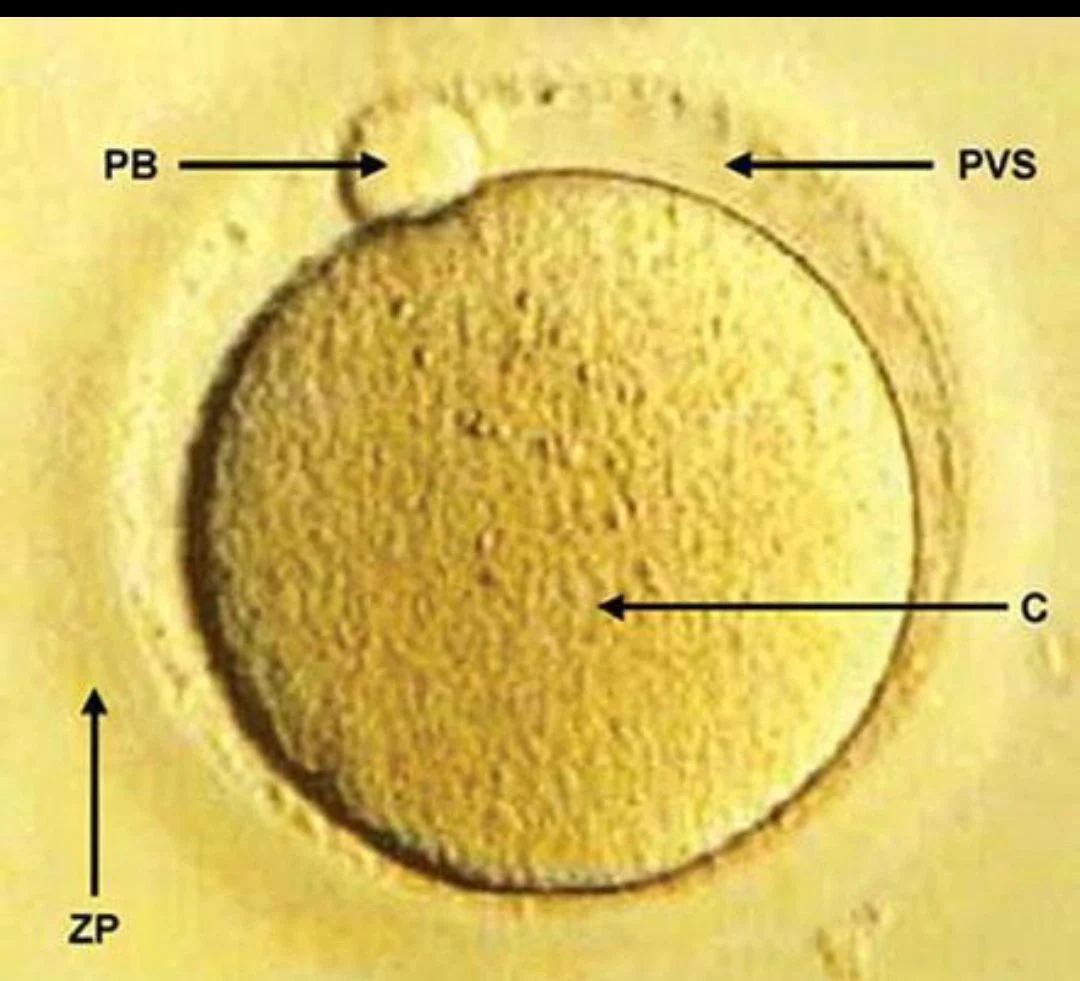
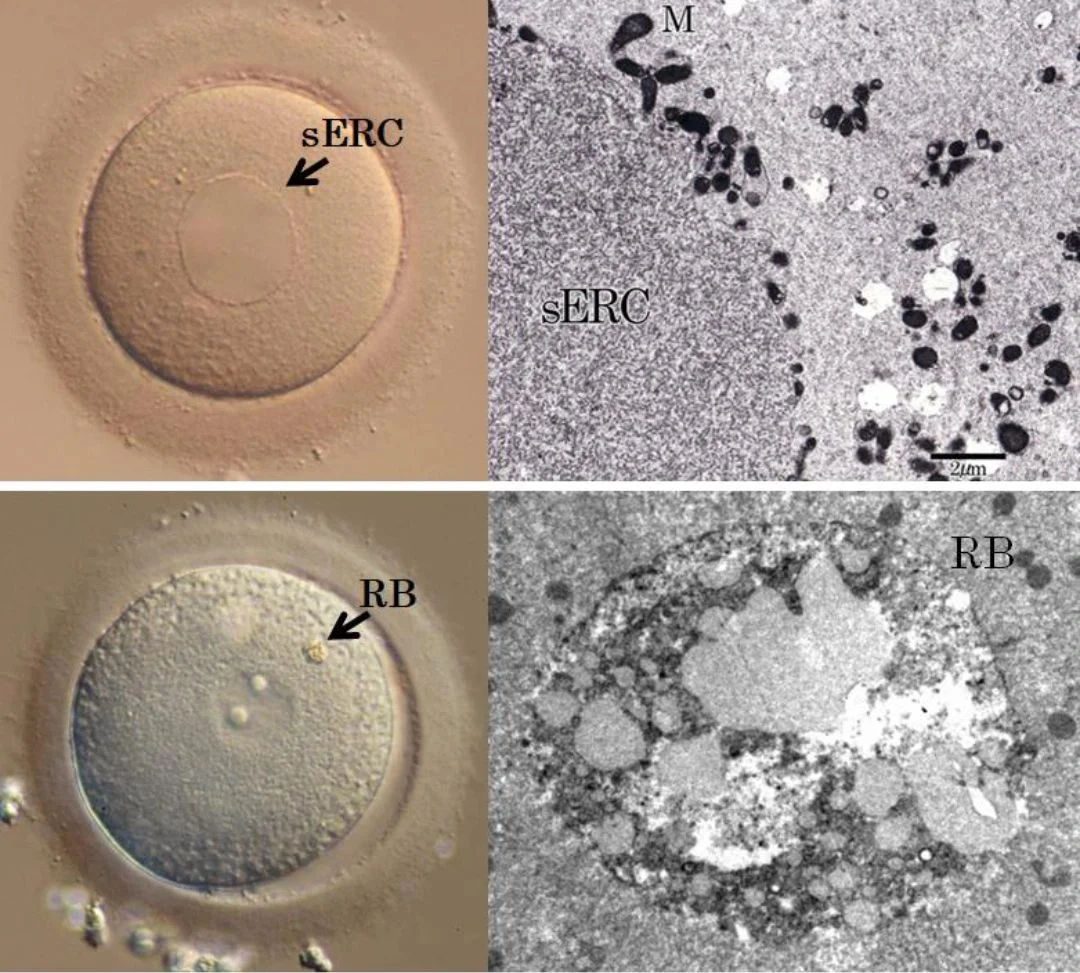
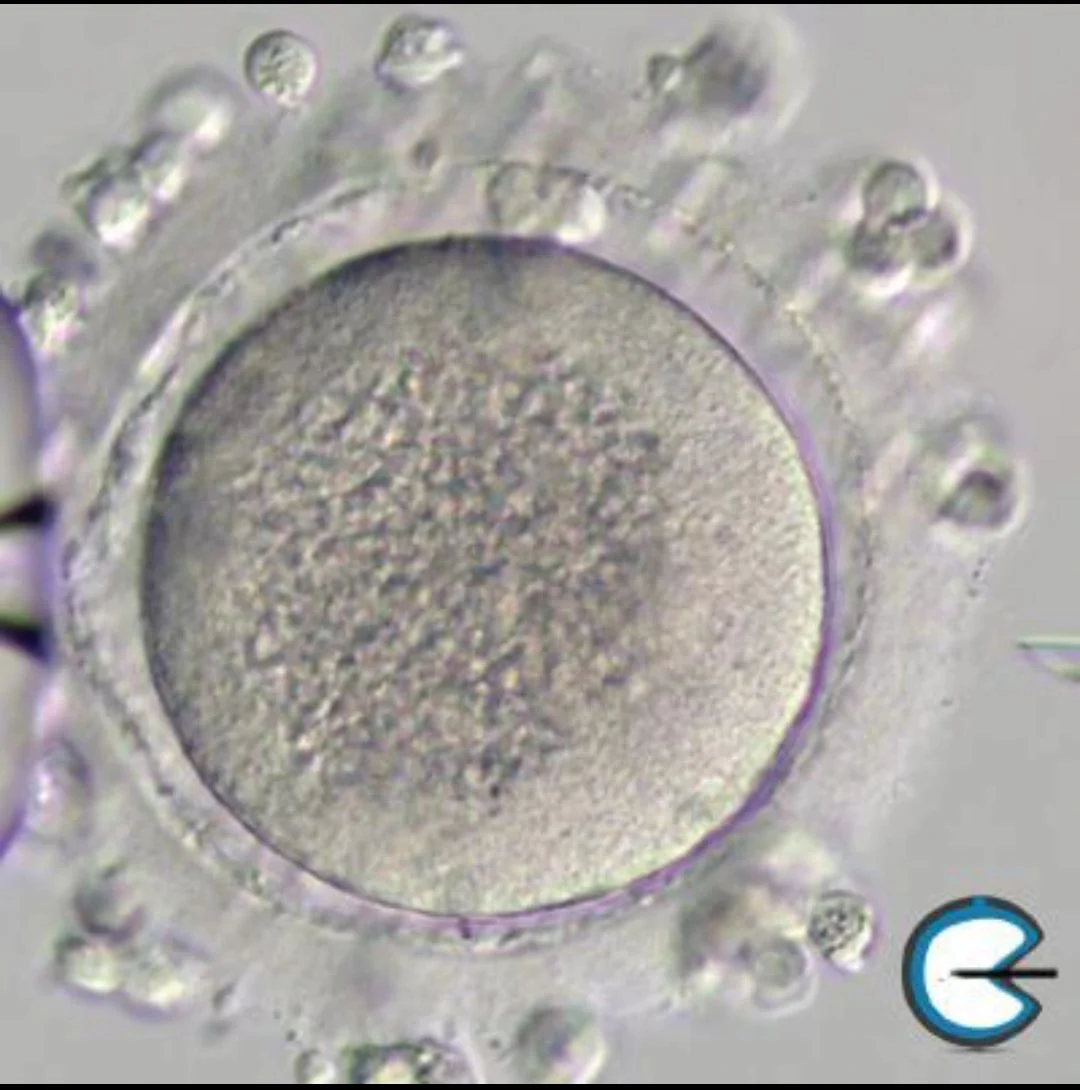
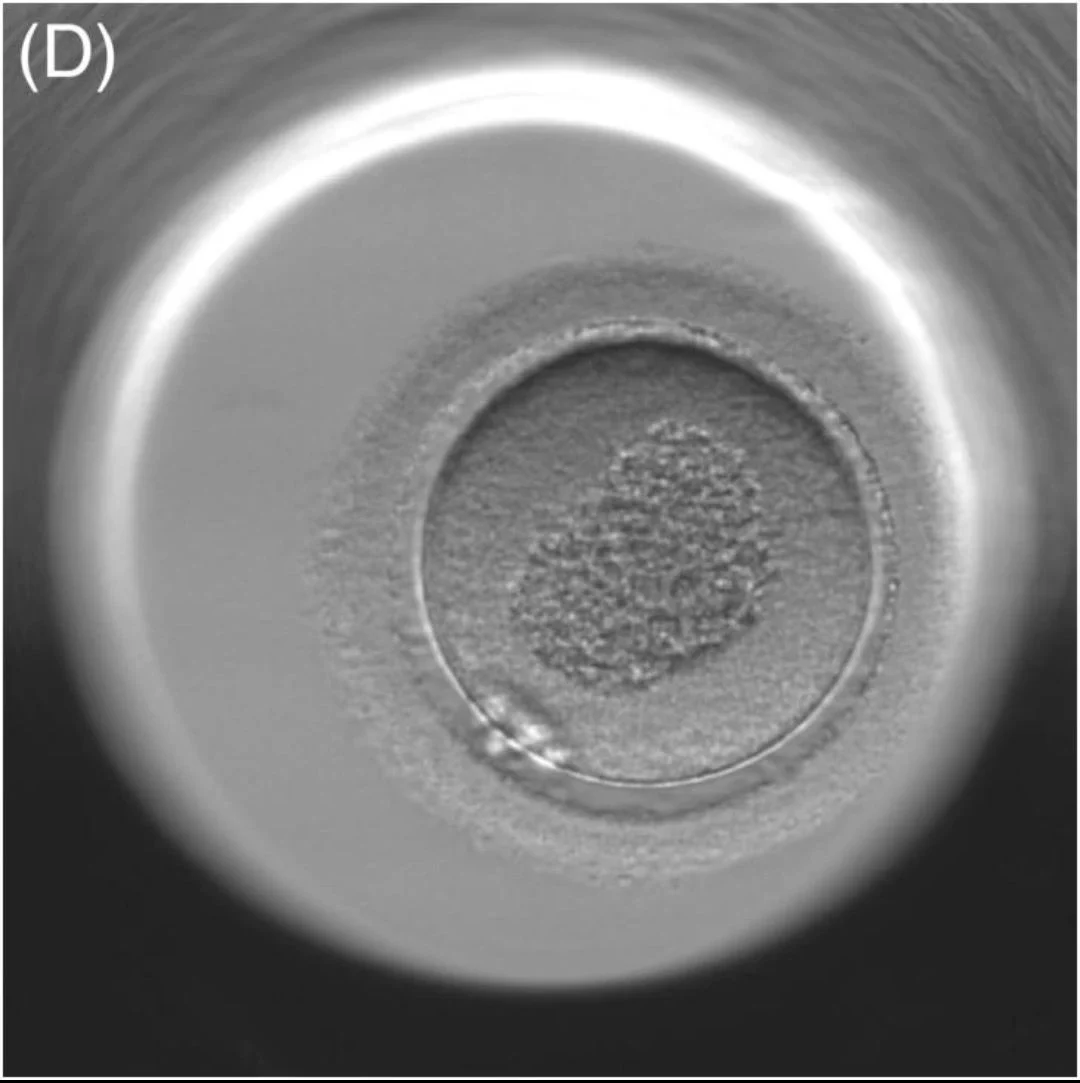
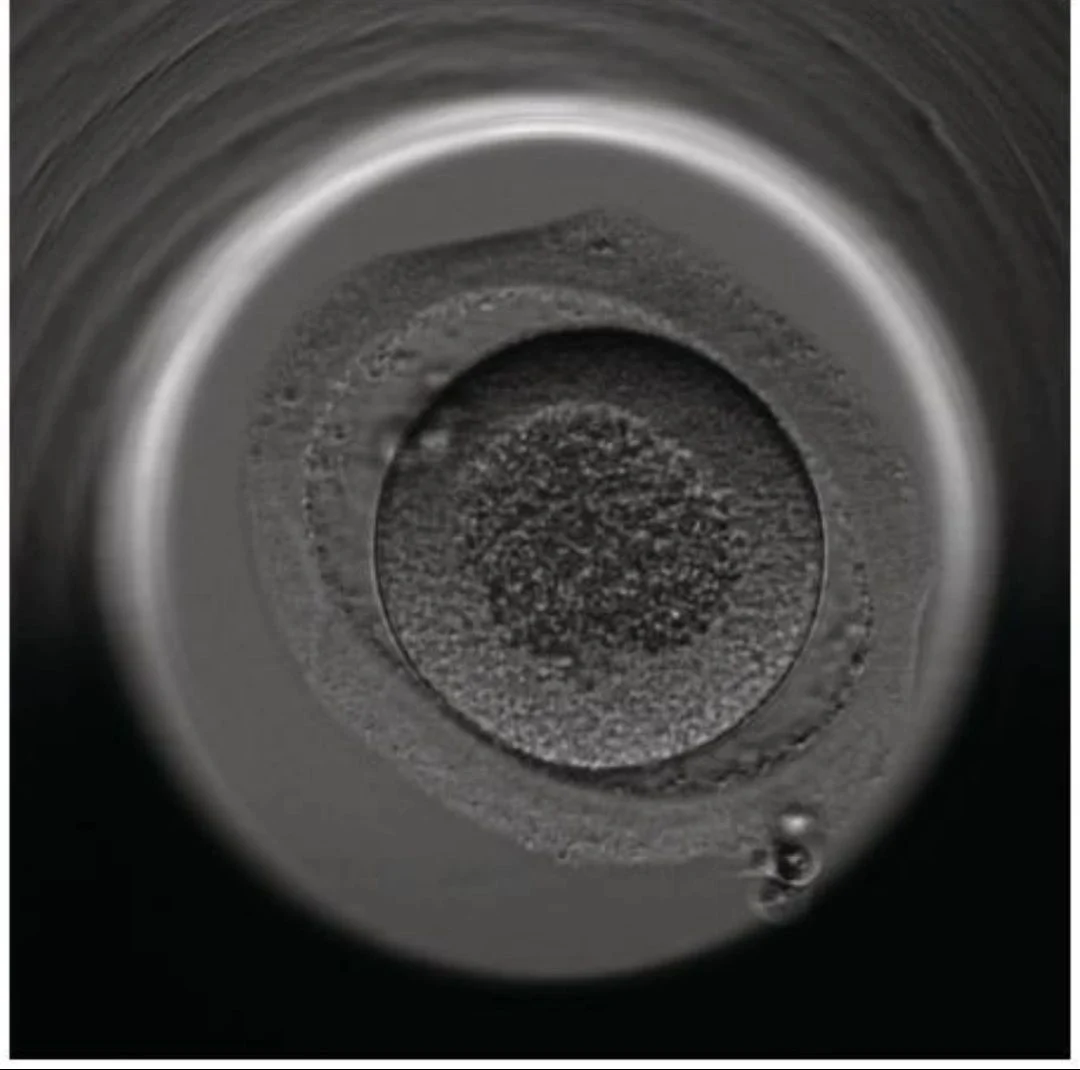
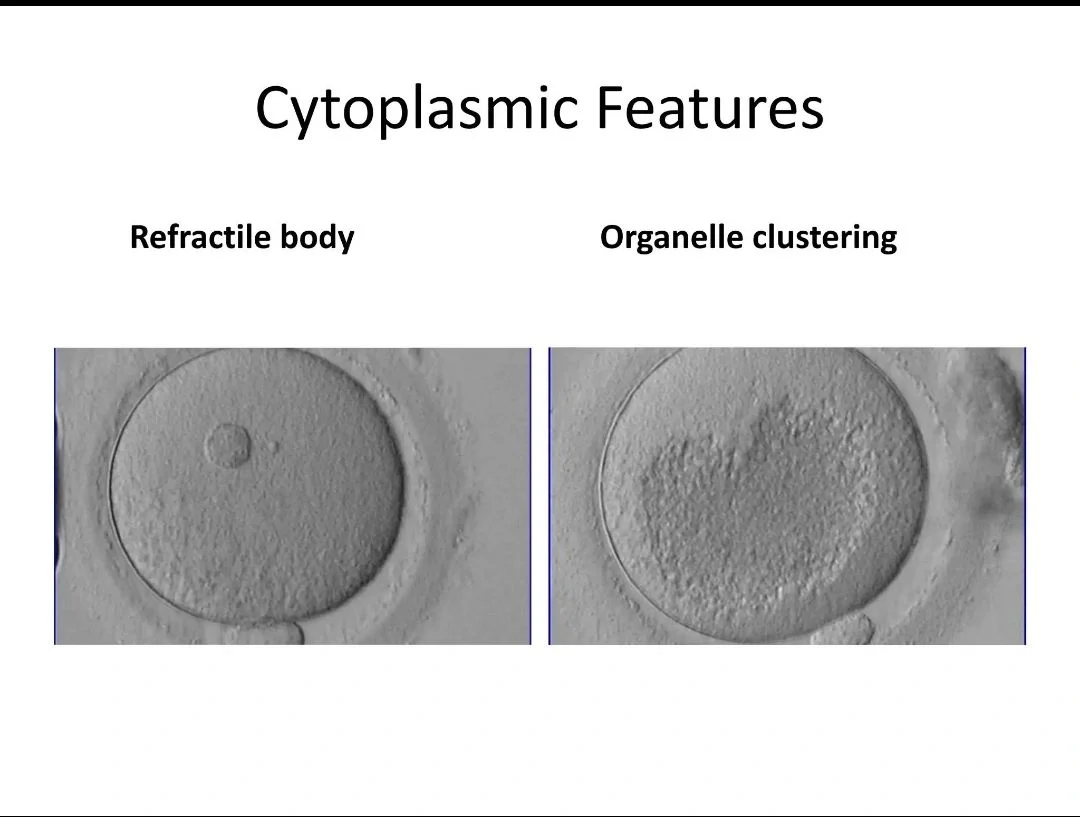
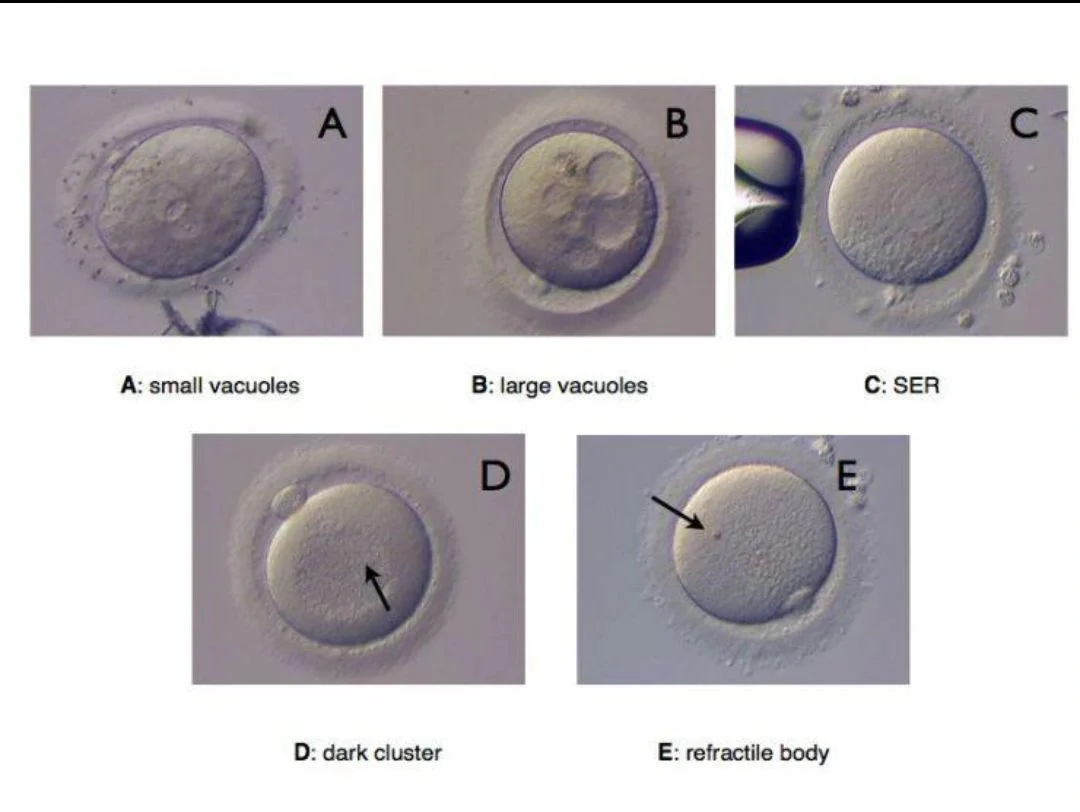
From cytoplasmic granulation and vacuoles to smooth endoplasmic reticulum (SER) aggregates, polar body abnormalities, and zona pellucida variations, each morphological feature offers a different perspective on oocyte biology.
What should clinical embryologists look for?
- Cytoplasmic abnormalities: Granularity, vacuoles, dark cytoplasm, and SER aggregates may reflect different aspects of cytoplasmic organization.
- Polar body abnormalities: Fragmentation, enlargement, and irregular shape can provide morphological information, but they cannot establish the oocyte’s chromosome status.
- Perivitelline space abnormalities: Changes in the size of the space or the presence of debris should be documented and interpreted in context.
- Zona pellucida abnormalities: Variations in thickness, shape, and appearance may be relevant to oocyte and embryo assessment, although their independent prognostic value is limited.
- Degenerative changes: Marked cytoplasmic disorganization or cellular collapse deserves particular attention when assessing cellular integrity.
Here is the critical scientific point:
Morphological abnormality does not automatically mean developmental failure-and normal morphology does not guarantee developmental competence.
Oocyte competence is influenced by multiple interacting factors:
- including nuclear maturation,
- cytoplasmic function,
- maternal age,
- chromosome segregation,
- and laboratory conditions.
Therefore, morphological assessment should not be reduced to a simple good versus bad classification.
It requires standardized observation, accurate documentation, and interpretation alongside fertilization and subsequent embryo development.
The real challenge for modern clinical embryology is not simply identifying abnormalities. It is understanding which findings have meaningful clinical implications and which remain uncertain.
As reproductive medicine advances, evidence-based interpretation of oocyte morphology remains essential for responsible laboratory practice and patient counseling.
Which oocyte dysmorphism do you consider most challenging to interpret in daily IVF practice and why?”
Other articles featuring Khalil Faeed on Fertility News.
-
Oct 19, 2026, 17:08Shweta Mendiratta: A Baby Boy Was Born From an Embryo that Had Been Frozen for More Than 31 Years
-
Oct 19, 2026, 17:06Partha Sarathi Das: Fertility Begins Before Birth – The Role of Developmental Biology, Genetics, and Epigenetics
-
Oct 19, 2026, 17:01Daniel Plaksin: HLA-G Glycosylation Emerges as a Potential Mechanism in RPL
-
Oct 19, 2026, 16:59Justin Houman: 4 Checks Before Anyone Starts Testosterone
-
Oct 19, 2026, 16:57Sonia Khourta: Proud to Be Part of the ART Fertility Family
-
Oct 19, 2026, 16:55ACOG Is Moving the Needle on Menopause
-
Oct 19, 2026, 16:53Gila Zarbiv: Why Isn’t Continuity of Midwife Care Happening Everywhere?
-
Oct 19, 2026, 16:50Laura Eyeh Anwah: Why Pregnant Women Should Attend 8 Antenatal Visits Instead of 4
-
Oct 19, 2026, 16:48Diana Kayal: A Full Day of Research and Scientific Data at the 9th ART Fertility Conference