
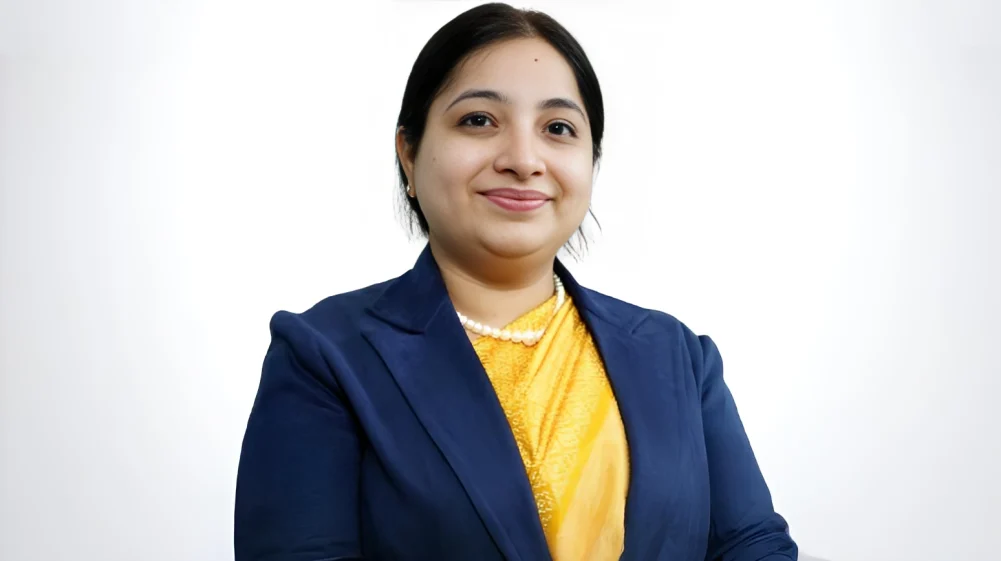
Shweta Mendiratta: A Baby Boy Was Born From an Embryo that Had Been Frozen for More Than 31 Years
Shweta Mendiratta, Director and Head of Unit II Obstetrics and Gynaecology at Yatharth Super Speciality Hospitals, shared on LinkedIn:
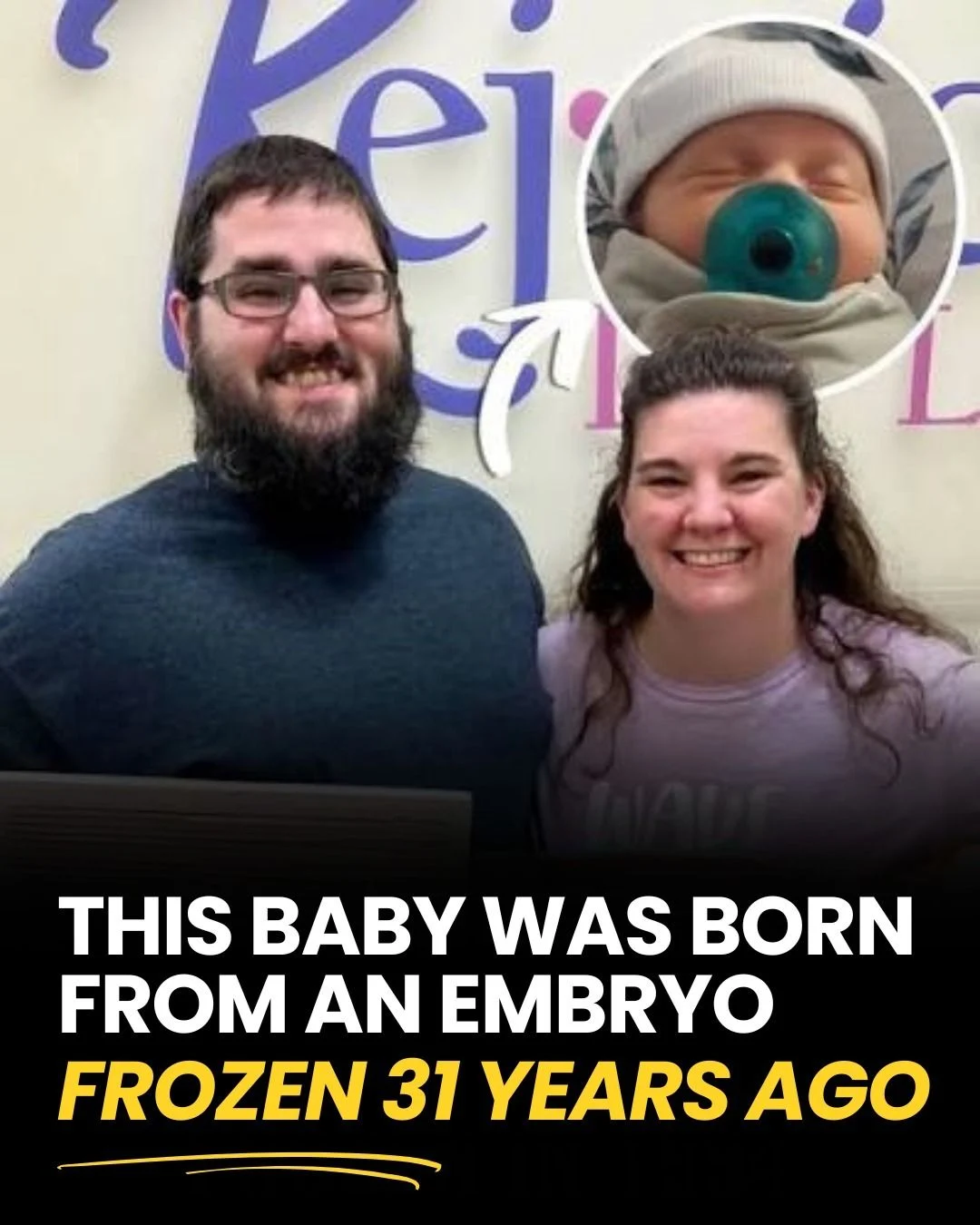
“A baby boy was born in the US in 2025 from an embryo that had been frozen for more than 31 years.
The embryo was created through IVF in 1994 and frozen until it was later donated to a couple who had been trying to become parents; after more than three decades, that tiny embryo became a baby.
Stories like this remind me how far fertility treatment has come.
Even in India, more couples are choosing to freeze embryos during IVF.
Some have extra embryos after treatment and want the option to try for another baby later; some choose to preserve their embryos when they are younger because they are not ready for pregnancy yet, while others consider this as an option before certain medical treatments.
For many couples, a frozen embryo simply means one more chance when they are ready.
But there is something important to remember: Freezing an embryo does not guarantee a baby.
Because its success depends on many factors, like the age when the eggs were collected, the quality of the embryo, the health of the uterus, and the fertility clinic.
Not every embryo will survive the freezing and warming process, and even a good-quality embryo may not lead to a pregnancy.
That is why I always encourage couples to understand their own chances instead of comparing their journey with a viral story like this.
Because behind every frozen embryo is often a lot of hope, and sometimes, having the option to try again can mean more than we realize.”
You can also read “Frozen for 22 Years: Baby Born in Greece From an Embryo Created in 2004” on Fertility News.
-
Oct 19, 2026, 17:06Partha Sarathi Das: Fertility Begins Before Birth – The Role of Developmental Biology, Genetics, and Epigenetics
-
Oct 19, 2026, 17:04Khalil Faaed: What Morphological Abnormalities Reveal About Oocyte Competence in IVF
-
Oct 19, 2026, 17:01Daniel Plaksin: HLA-G Glycosylation Emerges as a Potential Mechanism in RPL
-
Oct 19, 2026, 16:59Justin Houman: 4 Checks Before Anyone Starts Testosterone
-
Oct 19, 2026, 16:57Sonia Khourta: Proud to Be Part of the ART Fertility Family
-
Oct 19, 2026, 16:55ACOG Is Moving the Needle on Menopause
-
Oct 19, 2026, 16:53Gila Zarbiv: Why Isn’t Continuity of Midwife Care Happening Everywhere?
-
Oct 19, 2026, 16:50Laura Eyeh Anwah: Why Pregnant Women Should Attend 8 Antenatal Visits Instead of 4
-
Oct 19, 2026, 16:48Diana Kayal: A Full Day of Research and Scientific Data at the 9th ART Fertility Conference