
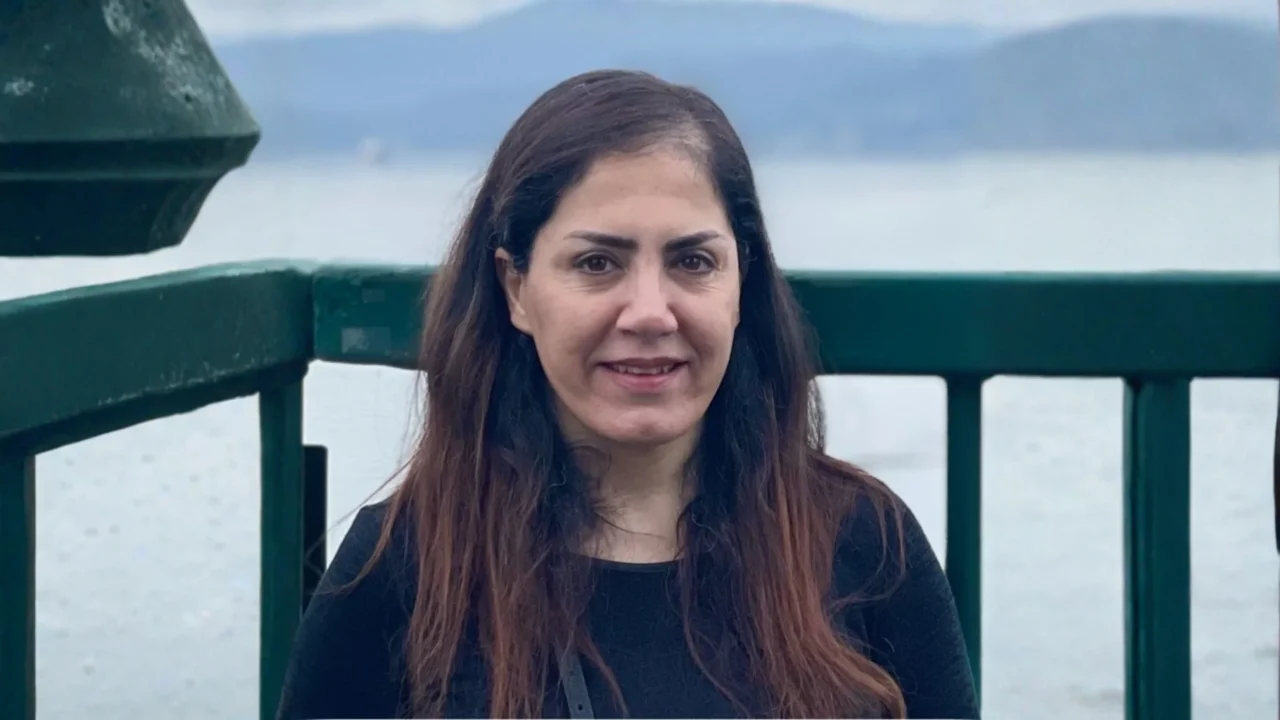
Leili Mohebnasab: Why Pregnancy Was Never Designed to Be Easy
Leili Mohebnasab, Midwife at Shariati Hospital, shared a post on LinkedIn:
“Evolutionary Obstetrics and Immunology:
Why Pregnancy Was Never Designed to Be Easy
Pregnancy is often described as a fragile state – one that requires constant medical vigilance.
But from an evolutionary perspective, pregnancy is something far more complex: a biological compromise shaped by survival, reproduction, and trade-offs across thousands of generations.
According to WHO (2024), NIH evolutionary biology frameworks, and FIGO maternal – fetal science reviews, the immune system in pregnancy is not ‘suppressed.’
It is strategically reprogrammed.
Why tolerance exists at all
Human pregnancy involves a deeply invasive placenta and a semi-allogeneic fetus. Complete immune rejection would end reproduction.
Evolution’s solution was not immune silence – but controlled tolerance, mediated by Tregs, decidual NK cells, and unique placental signaling.
Why complications are common
From an evolutionary lens, conditions like preeclampsia and preterm birth are not design flaws – they are byproducts of trade-offs:
- larger fetal brains,
- deeper placental invasion,
- high maternal metabolic demand.
Human birth sits at the edge of what biology can safely sustain.
Why the system is dynamic, not stable
Pregnancy immunity shifts by trimester because the evolutionary pressures change:
- implantation requires tolerance,
- mid-gestation favors growth,
- late pregnancy reactivates inflammation to initiate labor.
This is not pathology. It is timing.
A midwifery perspective
Understanding pregnancy through evolution reframes care.
It explains why ‘perfect’ pregnancies are rare, why complications cluster around the placenta, and why vigilance – not blame – is essential.
Pregnancy was never designed to be easy.
It was designed to be possible.
WHO | NIH | FIGO (2024–2025)
Question for you
If pregnancy complications reflect evolutionary trade-offs rather than failure, how should that change the way we counsel and care for pregnant people?”
Read more.
Stay updated on all scientific advances in the field of fertility with Fertility News.
-
Oct 10, 2026, 04:36Tess Kossow: Why I Created Nurture IVF Concierge After My Own Infertility Journey
-
Oct 10, 2026, 04:32Hosting the First Advanced Obstetric Surgical Skills Course – RCOG
-
Oct 10, 2026, 04:29Beyond IVF Laboratory Optimization: Addressing Patient Dropout – RBMO
-
Oct 10, 2026, 04:22Does Lifestyle Really Affect Fertility? – Montgomery Fertility Center
-
Oct 10, 2026, 04:20Mamoon Banat: Quick Recap of the 2026 CFAS Meeting in Calgary, Canada
-
Oct 8, 2026, 17:18Khalil Faaed: Vitrification Prevents Ice, but Does It Prevent Oocyte Damage?
-
Oct 8, 2026, 17:16Ritu Anand: Better Conversations Ultimately Lead to Better Care in Fertility
-
Oct 8, 2026, 17:14Mark Trolice: Excited to Speak at Women’s HealthX
-
Oct 8, 2026, 17:12Delighted to Welcome Dr. Róisín Mortimer – Waterstone Clinic-IVF and Fertility