
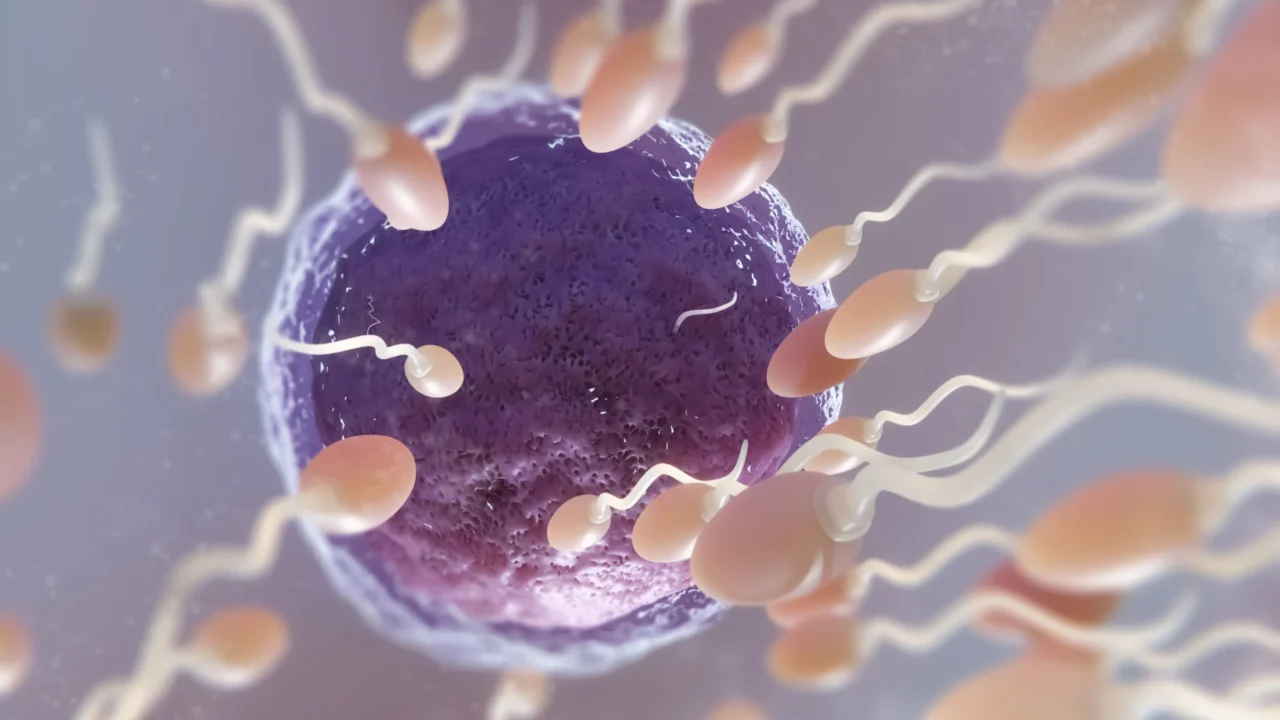
Rethinking the Biological Clock – How Age Impacts Eggs and Sperm
Ashok Yadav, Biology faculty at Apex Academy, shared a post on LinkedIn:
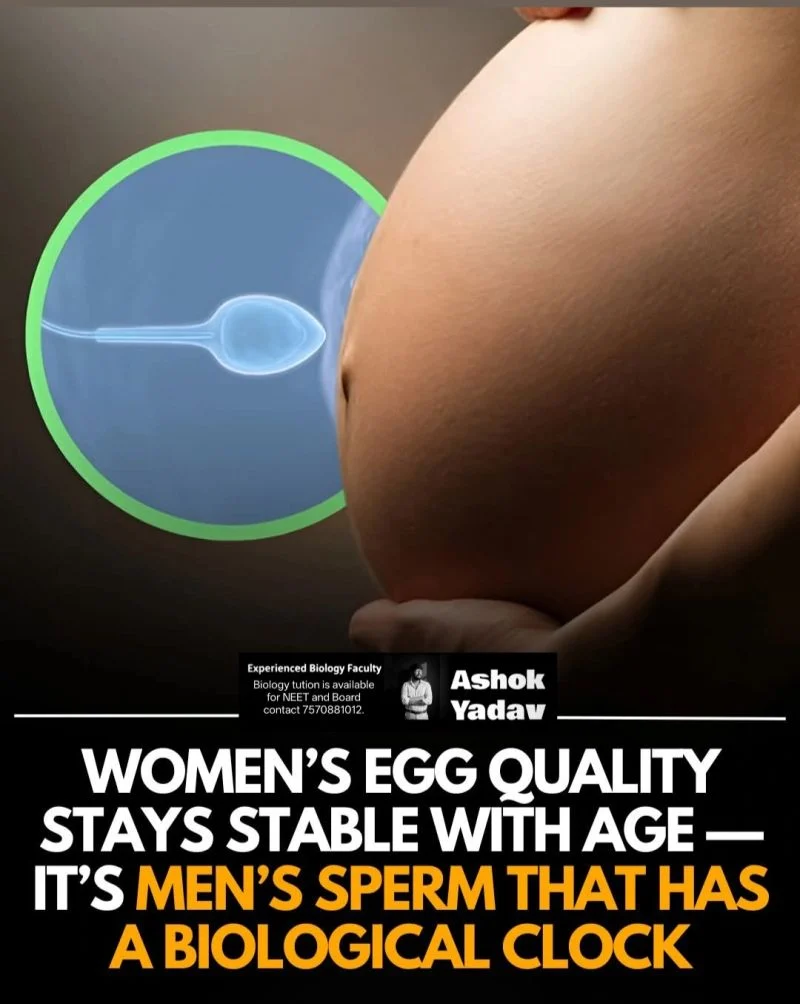
“A groundbreaking 2025 study published in Science Advances has revealed that while women experience a decline in the number of eggs as they age, the quality of those eggs at the DNA level remains surprisingly stable. In contrast, men’s sperm accumulates genetic mutations over time, making older fathers more likely to pass on DNA errors that can contribute to developmental and neurological conditions in their children.
Researchers found that these sperm mutations increase steadily with age, particularly after 40, while eggs showed minimal DNA damage accumulation. This challenges decades of assumptions about female fertility and aging – and flips the traditional ‘biological clock‘ narrative on its head.
The implications are significant: men’s age can influence conception success, pregnancy outcomes, and long-term child health just as much as women’s.
In essence, time affects both sexes – just in very different ways.”
Stay updated on all scientific advances in the field of fertility with Fertility News.
-
Sep 18, 2026, 20:27Hrishikesh Pai: Rethinking Male Infertility
-
Sep 18, 2026, 20:25Eric Verdin: Wrapping Up the Reproductive Aging Summit at the Center for Healthy Aging in Women
-
Sep 18, 2026, 20:21Investigating Pregnancy Outcomes in Women with Idiopathic POI – RBMO
-
Sep 18, 2026, 20:18Sue Ritchie: Why Aren’t We Talking About Male Fertility More?
-
Sep 18, 2026, 20:13Salma Yasin: Every Day of BFS Study Week 2026 Has Been an Exceptional Learning Experience
-
Sep 18, 2026, 20:01Qingcai Wang: Over 35 and Torn Between Trying Longer and Starting IVF?
-
Sep 18, 2026, 19:58Bhumika: Can a Woman Become Pregnant Again While Already Pregnant?
-
Sep 18, 2026, 19:5215 More Experts Join the International Fertility Forum Mumbai 2026
-
Sep 18, 2026, 19:50Curious About What Happens Behind the Scenes in the Labs? – Sims IVF