
Azeem Shah: Why Sperm Selection Is Key in ICSI Success Rates
Azeem Shah, Medical Laboratory Technologist at Australian Concept Infertility Medical Centre, shared a post on LinkedIn։
“Why Sperm Selection During ICSI Matters So Much?
The importance of sperm selection during ICSI cannot be overstated. Although ICSI involves injecting a sperm directly into the egg, the crucial first step is choosing the most suitable sperm. While this procedure bypasses many natural barriers, the biological quality of the sperm still significantly influences fertilization, early embryo development, and implantation success.
Here are key points every embryologist should understand:
Sperm with poor chromatin condensation, incomplete decondensation, or diploidy can cause chromosomal abnormalities, leading to issues like aneuploidy, fertilization failure, inadequate genome activation, and early embryonic arrest.
- Beyond ICSI, the embryo’s development heavily depends on the paternal genome. Damage caused during spermatogenesis, such as DNA fragmentation or mitochondrial issues, can impair early cell division and overall embryo quality.
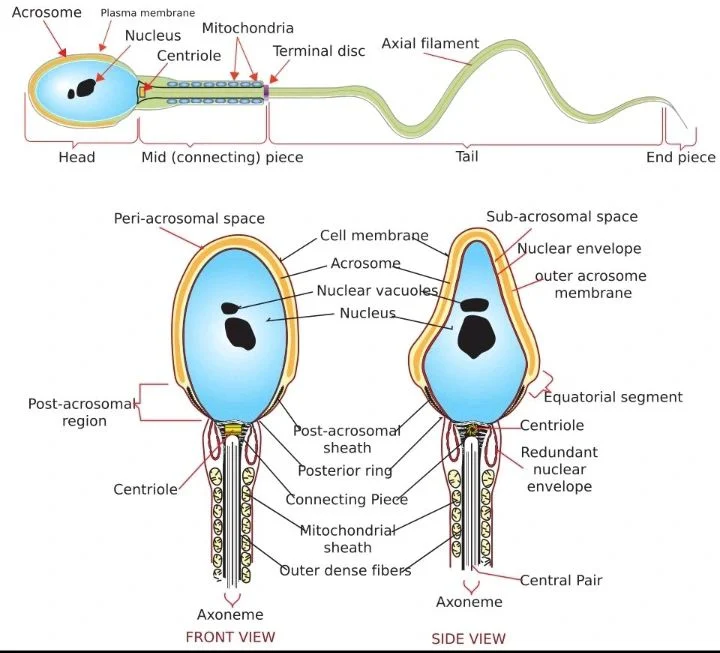
- The sperm’s centrosome is its first epigenetic contribution, crucial for proper microtubule organization. Abnormal centrosomes can disrupt mitosis, causing fragmentation, chromosome misdistribution, and early cleavage arrest.
Some sperm lack or have defective oocyte activation factors, risking partial activation, fertilization failure, or zygotes that cannot develop properly.
Paternal genes, including Y-linked ones, begin transcription early in the zygote. Selecting compromised paternal material can lead to immediate developmental errors, affecting embryo viability from the start.
In summary, ICSI is about selecting the right sperm, not just injecting one. Every sperm influences embryogenesis, implantation, and the overall success of aneuploidy, fertilization failure, inadequate genome activation.
Our role as embryologists begins long before injection. Careful selection today creates healthier embryos tomorrow.”
Stay updated on all scientific advances in the field of fertility with Fertility News.
-
Oct 11, 2025, 06:44The Global IVF Market Is Set to Reach $65B by 2032 – Meddilink
-
Mar 16, 2026, 13:30Simon Meagher and Rabih Chaoui Discuss Fetal Heart Scanning in the Latest ISUOG Podcast – ISUOG
-
Mar 16, 2026, 12:58Exploring the Link Between Adenomyosis and Proliferative Endometrial Disorders – Fertility and Sterility
-
Mar 16, 2026, 12:55Nicola Pozzi: A New Mechanism to Reduce Thrombus Formation Without Increasing Bleeding Risk
-
Mar 16, 2026, 12:44Endometriosis Awareness Month Virtual Issue! – ISUOG
-
Mar 16, 2026, 12:30Jeanne Conry: When the Government Intervenes, Women Die
-
Mar 16, 2026, 12:23Magdalena Simonis Highlights the Need to Change the Rhetoric on Endometriosis
-
Mar 16, 2026, 12:00Julia Chain Highlights Fertility Preservation as Part of Women’s Health Campaign – HFEA
-
Mar 15, 2026, 15:26Watching Life Begin: Scientists Track Embryo Implantation in Real Time! – Science Magazine
-
Mar 15, 2026, 15:03Reem Abu-Rustum Spotlights Fetal Situs in New ISUOG Quiz – ISUOG