
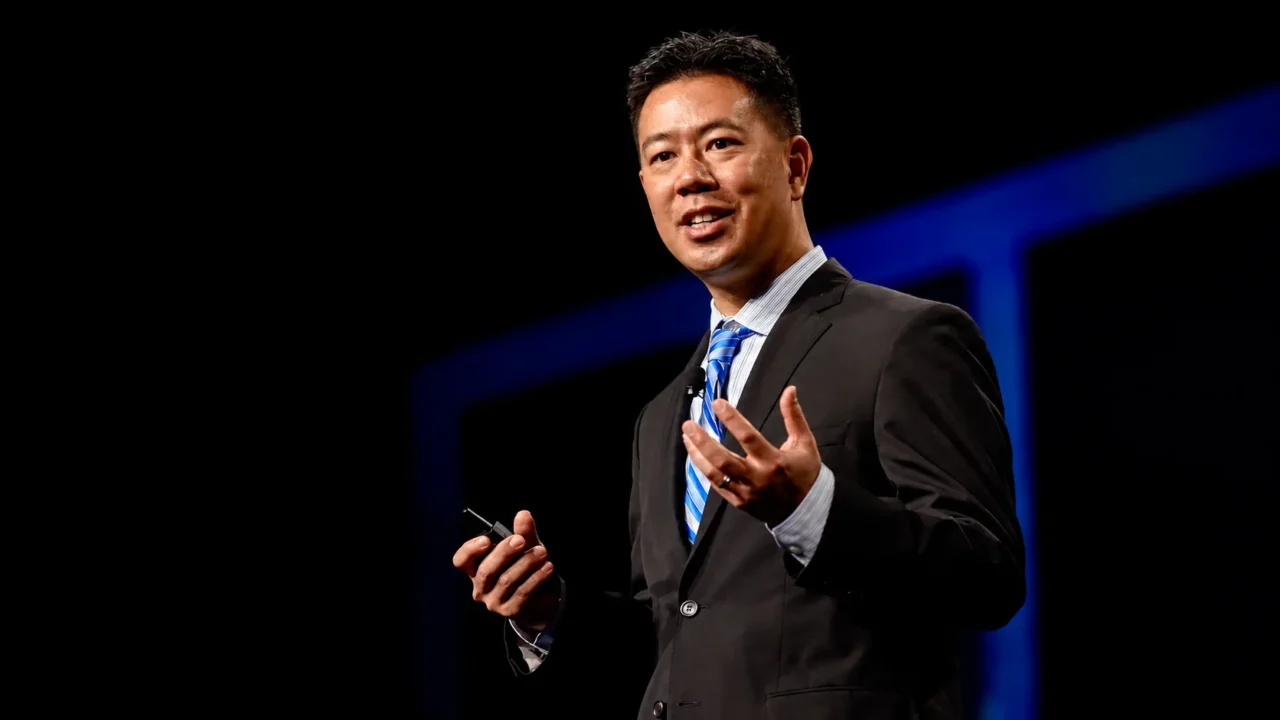
Kevin Pho: For Anyone Who Prescribes Testosterone or Runs a Fertility Practice
Kevin Pho, Founder and Editor of KevinMD.com, shared on LinkedIn:
“About once a week, reproductive endocrinologist Erica Bove, sees a couple where nobody knows the man is taking testosterone. Sometimes his own doctor prescribed it.
Testosterone gets prescribed for low energy and low sex drive.
In a man who wants children, she says, it ‘will literally wipe out the entire sperm count.’
Bove, a reproductive endocrinology and infertility specialist in Vermont whose father is a urologist she shares a lot of couples with, came back on The Podcast by KevinMD to talk about male factor infertility and why, usually, it’s the woman who comes in.
The mechanism is a feedback loop.
The brain watches whether the testes are making testosterone. With testosterone coming from outside, the brain shuts the axis down and the testes stop making their own. When she finds it, it’s usually azoospermia. In the vast majority of cases sperm recovers after he stops, sometimes not to full potential.
Sometimes it doesn’t recover.
And a lot of men resist stopping because they feel so good on it, so she offers a deal: stop for 3 months, freeze sperm if it comes back, then go right back on.
For anyone who prescribes testosterone or runs a fertility practice, four things from her clinic:
- Get the partner on the phone at the first visit. She asks the woman to bring him in by phone or video, even from work, because some answers only he has, starting with whether his sperm has ever worked in any relationship.
- Ask about testosterone the way you’d ask about a toxic exposure. It sits in her below-the-belt questions next to marijuana, tobacco, trauma, surgeries and infections, things that may not come up on a typical PCP history questionnaire.
- Low testosterone in a man trying to conceive calls for a different drug. She doesn’t give exogenous testosterone. She uses clomiphene or an aromatase inhibitor to help his own axis wake up.
- Sort sperm into three buckets and move couples toward home. Likely to conceive at home, IUI range, or IVF range with a total motile count under 5 million. Sometimes a varicocele repair is all a couple needs.
Over half of sperm problems are idiopathic, and most male factor is still treatable.
Her take-home: ‘We just need to test for it early so that we don’t waste time treating the female partner, not knowing what’s going on with the sperm situation.’
Search ‘The Podcast by KevinMD’ wherever you listen to podcasts
What is one change your practice could make this quarter so a man’s testosterone use comes up before a couple starts fertility treatment?”

Stay informed with the latest updates in fertility and reproductive medicine on Fertility News.
-
Sep 13, 2026, 15:11Sachintha Alwis: From Impaired Sperm Motility to Microrobotics
-
Sep 13, 2026, 15:08Laurence Orbuch: Before Endometriosis Surgery, Ask…
-
Sep 13, 2026, 15:05Ademola Ayodele: IUI, IVF or Egg Freezing – Which One Is Right for You?
-
Sep 13, 2026, 14:59Fiona Pathiraja-Møller: Tennis Players No Longer Have to Choose Between Career and Family
-
Sep 13, 2026, 14:571-Day Virtual Experience for People Impacted by PMOS – PCOS Awareness Association
-
Sep 13, 2026, 14:53Ozor Victor: Behind Every Embryo Is a Story of Science, Precision, and Hope
-
Sep 13, 2026, 14:50Diana Kayal: What They Don’t Tell You About IVF
-
Sep 13, 2026, 14:44Vikram Sinai Talaulikar: A Heartfelt Thank You to All Who Donated and Supported “Menopause and Cancer”
-
Sep 13, 2026, 14:41Nicole McPherson: Changing IVF Practices Is Hard – Integration Needs to Be Easy